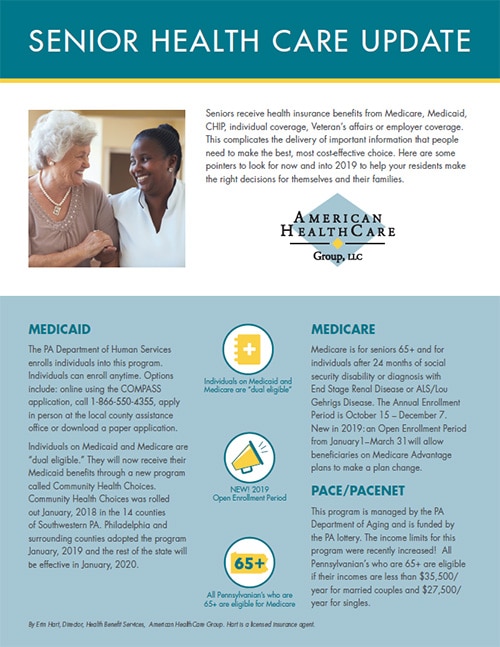
The elderly are vulnerable to abuse because age, illness, isolation, and dependence can reduce their ability to protect themselves.
Understanding why are the elderly vulnerable to abuse helps families, caregivers, and communities spot danger early. Elder abuse is not always visible; it may appear as fear, missing money, poor hygiene, sudden silence, or unexplained injuries. This guide explains the main risk factors, warning signs, prevention steps, and safe ways to report suspected abuse.
What Is Elder Abuse?
Elder abuse is an act, or failure to act, that harms an older adult. It may happen once or continue over time. The abuse can occur in a private home, nursing home, assisted living center, hospital, or other care setting.
The World Health Organization describes elder abuse as a single or repeated act, or a lack of proper action, within a relationship of trust. It causes harm or distress to an older person.
Common types include:
• Physical abuse, such as hitting, pushing, burning, or improper restraint
• Emotional or psychological abuse, such as threats, insults, humiliation, or control
• Sexual abuse, including any sexual contact without clear consent
• Financial exploitation, such as theft, scams, forged checks, or misuse of property
• Neglect, such as failing to provide food, medicine, hygiene, shelter, or medical care
• Abandonment, which occurs when a caregiver leaves an older adult without needed support
• Self-neglect, when an older person cannot safely meet basic needs without help
Elder abuse can be hard to identify because some injuries or changes may look like normal signs of aging. However, normal aging does not explain repeated bruises, sudden fear, unpaid bills, or a caregiver who refuses to let the older person speak alone.

Why Are the Elderly Vulnerable to Abuse?
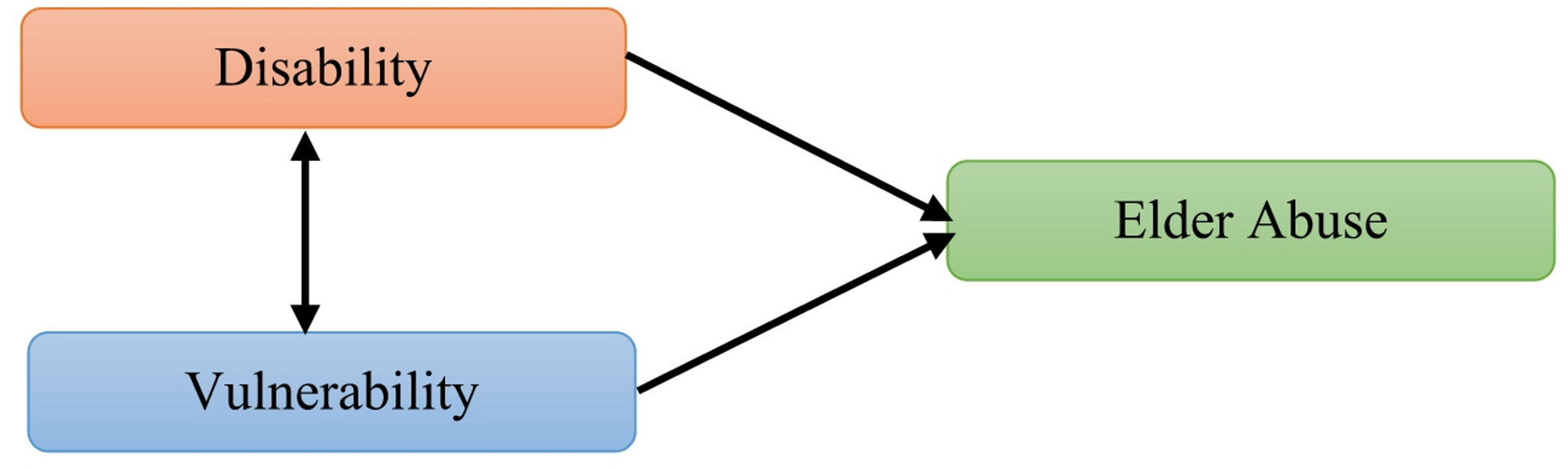
The elderly are vulnerable to abuse for several connected reasons. Aging itself does not cause abuse, and most older adults are not helpless. Instead, certain health, social, financial, and living conditions can create opportunities for harm.
Physical weakness and health problems
Many older adults live with arthritis, poor balance, vision loss, hearing loss, dementia, stroke effects, or other health problems. These conditions may make it difficult to leave an unsafe situation or defend against physical harm.
A person who needs help getting dressed, bathing, eating, or using the bathroom may depend heavily on another person. That dependence can increase risk when the caregiver is careless, angry, or intentionally harmful.
Memory loss and cognitive impairment
Dementia can affect memory, judgment, speech, and the ability to describe events. An older adult may know that something feels wrong but struggle to explain what happened.
Some abusers take advantage of this confusion. They may tell others that the person is “just confused” or that the report cannot be trusted. This is a serious warning sign. A person with dementia still deserves respect, safety, and careful attention.
Dependence on caregivers
Many older adults rely on family members, home health workers, neighbors, or facility staff. A caregiver may control access to food, medicine, transportation, money, and communication.
This unequal power can make abuse easier to hide. The older person may fear losing their home or care if they speak up. They may also worry that reporting abuse will cause family conflict.
Social isolation
Isolation is one of the clearest answers to why are the elderly vulnerable to abuse. An older adult who rarely sees friends, relatives, doctors, or neighbors has fewer people who might notice changes.
An abusive person may also limit phone calls, block visits, or speak for the older adult. Isolation acts like a closed door. It gives abuse more room to continue without outside attention.
Financial dependence and access to money
Older adults may have savings, retirement funds, Social Security income, real estate, or valuable belongings. This can attract people who want control of their finances.
Financial abuse may involve:
• Using a credit card without permission
• Pressuring an older adult to change a will
• Taking control of bank accounts
• Signing checks or legal papers without consent
• Selling property below its value
• Claiming that money is needed for care but spending it elsewhere
Financial exploitation can happen even when the abuser seems caring. A trusted relative, friend, caregiver, or professional may misuse access.
Fear of losing care or housing
Some older adults depend on the suspected abuser for daily care or a place to live. They may fear that speaking out will lead to homelessness, hospitalization, or placement in a facility.
This fear can cause an older person to deny abuse. It does not mean the concern is false. Silence may be a survival strategy.
Shame and stigma
Some older adults feel embarrassed that abuse happened to them. They may believe they should have noticed the danger sooner or that family problems should stay private.
Cultural values can also affect reporting. In some families, older adults may avoid involving authorities because they want to protect a child or preserve family honor. Compassionate questions work better than blame.
Caregiver stress and poor support
Stress does not excuse abuse, but it can raise the risk. A caregiver who lacks sleep, money, training, respite care, or emotional support may become overwhelmed.
Most stressed caregivers do not abuse older adults. Still, severe burnout, substance misuse, untreated mental illness, and a history of violence may increase danger. Early support can prevent a crisis.
Ageism and loss of dignity
Ageism is unfair treatment based on age. It can appear as speaking to an older adult like a child, ignoring their choices, or assuming they cannot understand decisions.
When people view older adults as burdens rather than individuals, neglect becomes easier to overlook. Respect is not an optional part of care. It is a basic safeguard.

Who May Abuse an Older Adult?
Abuse can come from anyone who has access, power, or influence. It is not limited to strangers or facility workers.
Possible abusers include:
• A spouse or intimate partner
• An adult child or grandchild
• Another relative
• A friend or neighbor
• A paid caregiver
• A nursing home or assisted living employee
• A financial professional
• A landlord or new romantic partner
• A stranger using a phone, internet, or investment scam
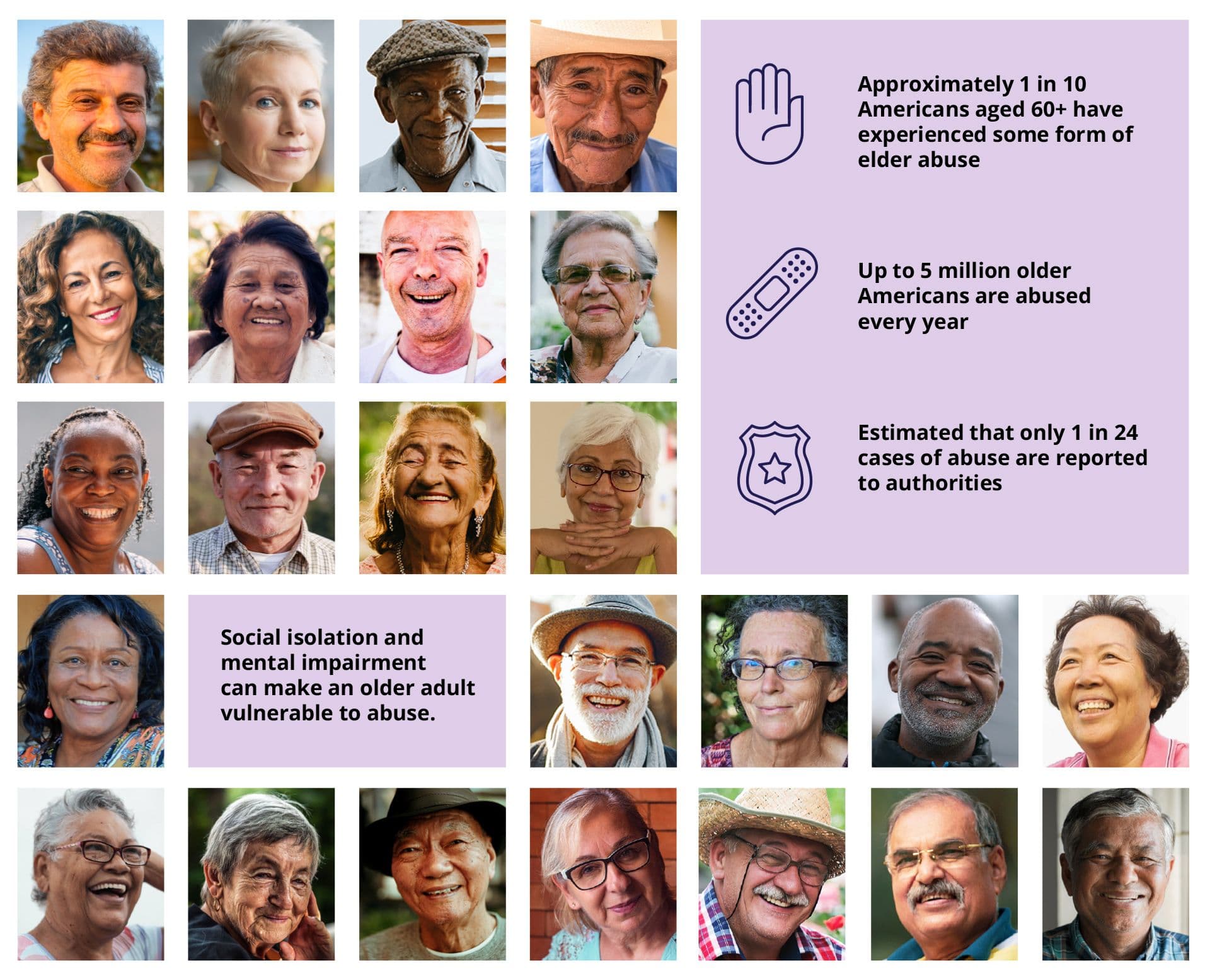
In many cases, the abuser is someone the older adult knows. Trust can make abuse harder to recognize. A caring relationship may also make the older adult less willing to report the person.
It is important not to accuse someone based on one unusual event. Look for patterns, listen carefully, document facts, and seek help through appropriate channels.

Common Signs of Elder Abuse
The signs of elder abuse can differ by type. One sign alone may have an innocent explanation, but several changes together deserve attention.
Physical warning signs
Look for:
• Bruises, burns, cuts, sprains, or broken bones
• Injuries that do not match the explanation
• Frequent falls or repeated emergency visits
• Untreated bedsores
• Sudden weight loss or dehydration
• Poor hygiene or dirty clothing
• Overuse or underuse of medication
• Marks from ropes, belts, or restraints
Emotional warning signs
An older adult may:
• Become unusually quiet or fearful
• Avoid eye contact
• Seem depressed or anxious
• Stop joining activities
• Flinch when someone moves near them
• Apologize constantly
• Show fear around a particular caregiver
• Change behavior when a caregiver enters the room
Financial warning signs
Be alert to:
• Missing cash or belongings
• Unpaid bills despite enough income
• New bank withdrawals
• Sudden changes to a will or power of attorney
• New “friends” who seek money
• Unusual checks or wire transfers
• A caregiver who controls all financial conversations
• A person who cannot explain recent purchases
Neglect warning signs
Neglect may appear as:
• Lack of food, water, or clean clothing
• Unsafe living conditions
• Missed medical appointments
• Unfilled prescriptions
• Poor temperature control in the home
• Untreated infections or injuries
• Lack of needed mobility aids
• A caregiver who does not provide basic supervision
The National Center on Elder Abuse and the Centers for Disease Control and Prevention encourage people to take sudden changes seriously. A calm, private conversation can reveal important details.

Why Are the Elderly Vulnerable to Financial Abuse?
Financial abuse is common because older adults may have assets, predictable income, and trusted relationships. Digital banking and online communication have also created new ways for criminals to reach them.
Scammers may pretend to be:
• A grandchild in an emergency
• A bank employee
• A government official
• A technology support worker
• A romantic partner
• An investment expert
• A charity representative
A scam often creates fear or urgency. The caller may say an account will close, a loved one is in trouble, or a payment must be made immediately.
Teach older adults to pause before sending money. A real bank or government agency will not demand gift cards, cryptocurrency, or secrecy to solve a problem. Encourage them to call a trusted person using a known phone number.
Helpful safeguards include:
• Setting account alerts for large withdrawals
• Reviewing bank statements together
• Using direct deposit for regular income
• Storing important documents safely
• Limiting access to passwords and personal identification numbers
• Choosing a trusted financial power of attorney
• Checking legal documents with an independent professional
Never take away an older adult’s financial choices without a legal and ethical reason. Protection should support independence, not replace it.

How Caregiver Stress Can Increase Abuse Risk
Caregiving can be rewarding, but it can also be demanding. A person may provide help for many hours each day while managing work, children, health problems, or financial pressure.
Stress becomes more dangerous when a caregiver has no breaks or support. Signs of caregiver overload may include:
• Constant anger or frustration
• Poor sleep
• Feelings of hopelessness
• Using alcohol or drugs to cope
• Resentment toward the older adult
• Skipping meals or medicine for the person
• Feeling trapped or unable to continue
A stressed caregiver needs help before the situation becomes unsafe. Respite care, adult day programs, support groups, home care services, and short-term relief can make a major difference.
Caregivers should also make a safety plan. This may include asking a relative to take a shift, calling a doctor about difficult behavior, or contacting a local aging agency. Asking for help is a sign of responsibility, not failure.
How to Prevent Elder Abuse
Prevention works best when it combines respect, connection, oversight, and practical support. Families do not need to wait for proof of abuse before improving safety.
Build regular contact
Visit, call, or video chat on a set schedule. Ask to speak with the older adult privately sometimes. Regular contact makes sudden changes easier to notice.
Support independence
Let the older adult make choices whenever possible. Ask about food, clothing, daily routines, medical care, and money. Control can become harmful when it removes a person’s voice.
Create a care team
Do not place all responsibility on one caregiver. A care team may include:
• Family members
• Doctors and nurses
• Social workers
• Home care professionals
• Trusted friends
• Faith leaders
• Local aging services
Shared care reduces burnout and creates more than one set of eyes.
Review finances carefully
Use simple systems for bills and records. Keep receipts. Consider separate accounts for personal spending and household expenses. Legal authority should be clear, limited, and reviewed when needed.
Make the home safer
Reduce falls and injuries with better lighting, grab bars, clear walkways, and accessible phones. Safety changes can reduce the need for constant hands-on help.
Learn the older adult’s normal behavior
Knowing a person’s usual mood, speech, appetite, and routine makes changes easier to identify. A quiet person may not show distress in obvious ways, so small shifts matter.
Choose care providers carefully
Check references, licensing, training, and background information when hiring help. Continue to monitor the relationship after hiring. A background check is useful, but it cannot replace regular contact and observation.
What to Do If You Suspect Elder Abuse
If an older adult is in immediate danger, call 911 in the United States. Do not confront a suspected abuser if doing so may increase the risk.
For a nonemergency concern:
-
Speak with the older adult in a private, calm setting.
-
Ask open questions, such as “How are things going at home?”
-
Listen without judgment or pressure.
-
Write down dates, statements, injuries, names, and other facts.
-
Save relevant messages, financial records, or photographs when it is safe and lawful.
-
Contact Adult Protective Services through the appropriate state or local office.
-
Report concerns to a long-term care ombudsman if the person lives in a nursing home or assisted living facility.
-
Contact the older adult’s doctor if health or medication is involved.
-
Report suspected financial crimes to law enforcement or the appropriate financial authority.
Do not promise complete secrecy. Instead, explain that you may need to involve people who can help keep the older adult safe.
The older adult may deny abuse or refuse help. Adults with decision-making capacity generally have the right to make their own choices, even choices others see as risky. Professionals can help assess capacity, danger, coercion, and available options.
What Mistakes Should Families Avoid?
Good intentions can sometimes make a difficult situation worse. Avoid these common mistakes:
• Blaming the older adult for trusting someone
• Demanding that the person leave immediately without a safe plan
• Confronting the suspected abuser alone
• Promising secrecy
• Ignoring financial warning signs
• Assuming dementia makes every report unreliable
• Taking control of money without proper legal authority
• Waiting for visible injuries before acting
• Treating one family member as the only source of information
A better approach is calm, private, and fact-based. Safety planning should include housing, medication, transportation, money, communication, and emotional support.
One lesson repeated in elder-care settings is that small concerns often matter. A missing hearing aid, a new fear of a caregiver, or an unexplained bank withdrawal may seem minor by itself. Together, these signs can show that an older adult needs help.
The Role of Communities and Professionals
Preventing elder abuse is not only a family duty. Doctors, nurses, social workers, banks, home care agencies, attorneys, and neighbors all have a role.
Health professionals can screen for injuries, neglect, depression, and unsafe living conditions. Banks can identify unusual transactions and explain fraud protections. Neighbors can notice isolation, loud conflict, or a sudden change in routines.
Communities can help by offering:
• Affordable transportation
• Meal programs
• Caregiver respite
• Senior centers
• Home repair services
• Legal aid
• Support groups
• Accessible reporting systems
Training also matters. Staff should learn how to recognize abuse, document concerns, protect privacy, and report according to state law and workplace policy.
No single sign proves abuse. Some symptoms may result from illness, poverty, grief, medication effects, or family stress. A careful assessment is needed, but uncertainty should not become an excuse for inaction.
Frequently Asked Questions About Why Are the Elderly Vulnerable to Abuse
Why are the elderly vulnerable to abuse at home?
Older adults may depend on family members or paid caregivers for food, medicine, transportation, and personal care. Isolation, illness, memory loss, and fear of losing housing can make it harder to report harm.
What is the most common type of elder abuse?
Different studies find different patterns because abuse is often hidden and definitions vary. Neglect and financial exploitation are frequently reported, while emotional abuse may be underreported because it leaves few visible signs.
Can a person with dementia report elder abuse?
Yes. A person with dementia may provide useful information, even if details are incomplete. Listen with patience, compare the report with other evidence, and ask trained professionals to assess safety and decision-making capacity.
Who should you call if an older adult is in immediate danger?
Call 911 in the United States if there is an immediate threat, serious injury, or medical emergency. For suspected abuse that is not an emergency, contact Adult Protective Services or a long-term care ombudsman when the person lives in a care facility.
Is caregiver stress an excuse for elder abuse?
No. Stress may increase risk, but it never excuses harming or neglecting an older adult. Caregivers who feel overwhelmed should seek respite, medical advice, counseling, or help from local aging services.
Can elder abuse happen in a nursing home?
Yes. Abuse and neglect can occur in any care setting, although many facilities provide safe and compassionate care. Watch for unexplained injuries, poor hygiene, medication problems, sudden fear, or staff who prevent private conversations.
How can families prevent financial exploitation?
Use account alerts, review statements, protect passwords, document large transactions, and choose legal representatives carefully. Encourage the older adult to pause before sending money or changing legal documents under pressure.
Conclusion
The question “why are the elderly vulnerable to abuse” has no single answer. Health problems, dependence, isolation, cognitive changes, financial assets, caregiver stress, and ageism can combine to increase risk.
Elder abuse is preventable when people stay connected, respect older adults’ choices, watch for changes, and respond early. Speak privately, listen without blame, document concerns, and contact emergency or protective services when needed. Share this information with your family, learn about local aging resources, and help create a safer community for older adults.

Michael Reynolds is a senior contributor at RetirementGazette.com, where he focuses on helping readers navigate the journey toward a secure and fulfilling retirement. With over a decade of experience in personal finance, retirement planning, and lifestyle writing, Michael combines practical strategies with easy-to-understand guidance tailored for both pre-retirees and those already enjoying their golden years.