Most seniors are not receiving a special federal bonus this month, but regular benefits may include annual increases.
If you are asking, “are seniors getting extra money this month,” the answer depends on your benefit type, payment date, and state. Social Security, Supplemental Security Income, veterans benefits, pensions, tax credits, and state aid all follow different rules. This guide explains what may look like extra money, what is only a schedule change, and how to check your payment safely.
Are seniors getting extra money this month?
In most cases, there is no automatic nationwide “senior bonus” or surprise Social Security payment. The Social Security Administration does not normally send an extra federal check just because a new month begins.
However, some seniors may see more money for valid reasons:
• A yearly cost-of-living adjustment may increase monthly Social Security payments.
• A payment date may shift because of a weekend or federal holiday.
• A person may receive two deposits in one calendar month because of the payment schedule.
• A state may offer a property tax rebate, energy credit, food benefit, or tax refund.
• A senior may qualify for a benefit increase after an income, disability, or household change.
That is why the question “are seniors getting extra money this month” can have different answers for different households. A larger bank balance does not always mean a bonus. It may simply reflect payment timing.

Why some seniors may receive two payments in one month
Social Security and SSI payments follow set calendars. When a normal payment date falls on a Saturday, Sunday, or federal holiday, the payment usually arrives on the prior business day.
SSI payments often create the most confusion. SSI is generally paid on the first day of the month. If that day falls on a weekend or holiday, the payment may arrive early. The next month’s payment can also arrive before the month begins.
For example, a person might receive:
-
An SSI payment near the end of one month.
-
Another SSI payment early in the next month.
This may feel like an extra payment, but it is usually not extra money. It is an early payment for the following month. The Social Security Administration advises beneficiaries to avoid spending both deposits as if they cover the same month.
A similar issue can affect Social Security payments. Some people receive benefits on the second, third, or fourth Wednesday. Others receive payments on the third day of the month or follow a different rule because they also receive SSI.
If you are wondering, “are seniors getting extra money this month,” first compare your deposit with the official benefit schedule. Check the payment date, payment type, and amount before assuming a bonus was issued.

Cost-of-living increases and senior payments
A cost-of-living adjustment, often called COLA, is a yearly increase designed to help Social Security and SSI benefits keep up with inflation. It is not a one-time bonus. It normally becomes part of the regular monthly benefit.
For 2025, Social Security benefits received a 2.5% COLA increase. The exact dollar increase varies by person because it depends on the original benefit amount.
For example, a monthly benefit of $1,600 would rise by about $40 before other changes. A benefit of $2,000 would rise by about $50. These are simple examples, not personal benefit estimates.
A COLA increase can be reduced by other costs. Common examples include:
• Medicare Part B premiums deducted from Social Security.
• Medicare Advantage or prescription drug plan premiums.
• Income tax withholding.
• Overpayment recovery.
• Garnishments or other legal deductions.
This means a senior may receive a higher gross benefit but see little change in the final bank deposit. Anyone asking, “are seniors getting extra money this month,” should compare both the gross benefit and the net payment.

Programs that may provide additional help
Extra support may be available, but it does not always come from Social Security. Several programs can lower costs or add assistance for eligible seniors.
Supplemental Security Income
SSI helps people with limited income and resources who are disabled, blind, or age 65 or older. SSI has strict financial rules, and the payment amount can change when income, living arrangements, or household support changes.
An SSI recipient should report major changes quickly. Delayed reporting can lead to an overpayment that must later be repaid.
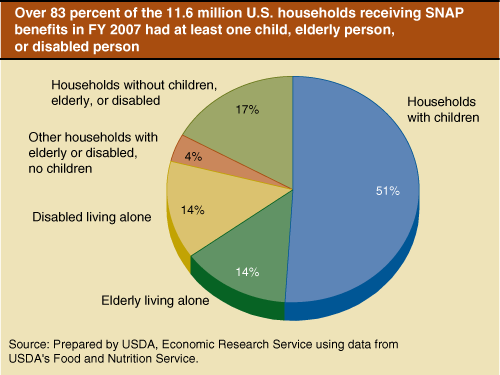
Supplemental Nutrition Assistance Program
SNAP can help eligible seniors pay for food. Rules differ by state, and some households may qualify for deductions related to medical costs, shelter, or utilities.
SNAP is not usually deposited into a bank account. Benefits are generally added to an electronic benefit transfer card.
Medicare Savings Programs
Medicare Savings Programs may help eligible people pay Medicare premiums and, in some cases, deductibles or coinsurance. These programs are managed by states, so income limits and application steps vary.
A person who qualifies may have more money left each month even without receiving a larger Social Security check.
Veterans benefits
Veterans and survivors may qualify for Department of Veterans Affairs compensation, pensions, or other assistance. Payment dates and eligibility rules are separate from Social Security.
A change in disability rating, dependent status, or pension eligibility can affect the payment amount.
State and local programs
Some states offer assistance such as:
• Property tax relief.
• Rent rebates.
• Utility payment assistance.
• Prescription drug support.
• Senior transportation discounts.
• State income tax credits.
These programs are not available everywhere. Check your state’s official benefits website rather than relying on social media posts.

How to check whether your payment is higher
If you believe you received extra money, use a simple review process. This can prevent mistakes and help you spot fraud.
- Check your bank statement or benefit notice.
Look for the payment sender, date, and amount. A deposit from the Treasury, Social Security, Veterans Affairs, or a state agency may have a different description.
- Compare the amount with your last payment.
A small increase may be a COLA adjustment. A large difference may come from a delayed payment, correction, retroactive benefit, or deduction change.
- Review your online benefit account.
Your Social Security account may show payment details, notices, and benefit information. Veterans can use the official VA account system for VA payments.
- Check Medicare deductions.
A higher premium can reduce the amount deposited into your account. Medicare notices explain many changes in monthly deductions.
- Contact the agency directly.
Use the phone number or website shown on an official government notice. Do not use a number from a random text message, online advertisement, or social media comment.
This process gives a clearer answer to “are seniors getting extra money this month” than a viral headline does. It also creates a record if the payment is incorrect.

Beware of senior payment scams
Scammers often use rumors about extra money to target older adults. They may claim that seniors must pay a fee to unlock a government bonus. This is a major warning sign.
A legitimate federal agency will not ask you to buy gift cards, send cryptocurrency, or transfer money to receive Social Security. Government agencies also do not ask for your full bank password by text message.
Watch for these scam claims:
• “You have been approved for a special senior stimulus check.”
• “Pay a processing fee to receive your bonus.”
• “Confirm your Social Security number through this link.”
• “Your benefits will stop unless you act today.”
• “Send money to protect your payment.”
If a message seems urgent, stop and verify it. Call the agency through its official website or a statement you already have. You can also report suspected fraud to the Federal Trade Commission or the Social Security Office of the Inspector General.
The safest answer to “are seniors getting extra money this month” should come from an official payment notice, not an online video or forwarded message.

What seniors should do if a payment is missing
A missing payment does not always mean benefits were canceled. Banks can experience delays, and payments may arrive on different business days.
Before calling, gather:
• Your full name and date of birth.
• Your benefit or claim number, if available.
• The expected payment date.
• The amount you normally receive.
• Your bank statement or payment history.
Check whether the payment date fell on a weekend or holiday. Also confirm that your bank account information has not changed.
If the payment still does not appear, contact the agency that sends the benefit. Social Security questions should go to the Social Security Administration. SSI, SNAP, Medicaid, and other programs may require contact with a state agency.
Never publish personal details in a public comment or online forum. A real agency worker will verify your identity through secure channels.

How payment changes can affect a monthly budget
An increase of $20 or $50 may seem small, but it can help pay for food, medicine, or transportation. At the same time, benefit increases can affect eligibility for needs-based programs.
For example, a higher Social Security payment could change household income used for SNAP, Medicaid, or housing assistance. The effect depends on the program and the person’s full financial situation.
Keep a simple monthly record of:
• Social Security or SSI income.
• Pension and retirement account income.
• Medicare premiums.
• Prescription costs.
• Rent, utilities, and food expenses.
• State or local assistance.
If your income changes, report it when the program requires. Do not assume that a small increase is too minor to matter.
A benefits counselor at a local aging agency may help review your options. The federal Eldercare Locator can help connect older adults with local aging services.
Are seniors getting extra money this month: key facts to remember
The phrase “extra money” can describe several different events. These events are not the same:
• A bonus is a special payment beyond a normal benefit.
• A COLA is a permanent annual adjustment to a benefit amount.
• An early payment arrives sooner but usually covers a different month.
• A retroactive payment corrects an earlier benefit calculation.
• A rebate or tax credit may come from a state or federal program.
Knowing the difference helps prevent overspending. It also helps you ask the right question when speaking with an agency or financial counselor.
In my review of benefit questions, the most common mistake is treating two deposits as two months of new income. Seniors should always check the payment notice before changing a budget. Think of the payment calendar as a bridge: it moves money across dates, but it does not always create more money.
Frequently asked questions about are seniors getting extra money this month
Are seniors getting a special Social Security bonus this month?
Usually, no. The federal government does not send an automatic monthly senior bonus unless a specific law or program authorizes it.
Why did I receive two Social Security or SSI payments in one month?
A weekend or federal holiday may move a payment to an earlier business day. For SSI, one payment may arrive at the end of a month while the next payment arrives near the beginning of the following month.
Did Social Security increase this year?
Social Security benefits received a 2.5% COLA increase in 2025. The actual increase depends on the person’s benefit amount and deductions, including Medicare premiums.
Can a senior receive extra money from a state program?
Yes, some states offer property tax rebates, rent relief, utility assistance, food benefits, or other credits. Eligibility, payment dates, and application rules vary by state.
How can I verify whether a payment is real?
Check your official Social Security, SSI, VA, or state benefits account. You can also review a mailed notice or call the agency using contact details from its official website.
Will extra Social Security income affect other benefits?
It may. Higher income can affect needs-based programs such as Medicaid, SNAP, SSI, or housing assistance, depending on program rules and household circumstances.
Conclusion
The answer to “are seniors getting extra money this month” is usually no automatic federal bonus, but some people may see a higher payment, an early deposit, or help from a state program. A COLA increase, payment schedule change, retroactive adjustment, or new benefit can all look like extra money.
Check your official payment record, compare the deposit with your last statement, and watch for changes in Medicare deductions or income-based benefits. Avoid anyone who demands a fee or personal banking details to release a supposed senior payment.
For the most accurate answer, review your government benefit account and contact the agency directly. Share your experience or question in the comments, and explore trusted local aging resources to find support you may qualify for.

Michael Reynolds is a senior contributor at RetirementGazette.com, where he focuses on helping readers navigate the journey toward a secure and fulfilling retirement. With over a decade of experience in personal finance, retirement planning, and lifestyle writing, Michael combines practical strategies with easy-to-understand guidance tailored for both pre-retirees and those already enjoying their golden years.