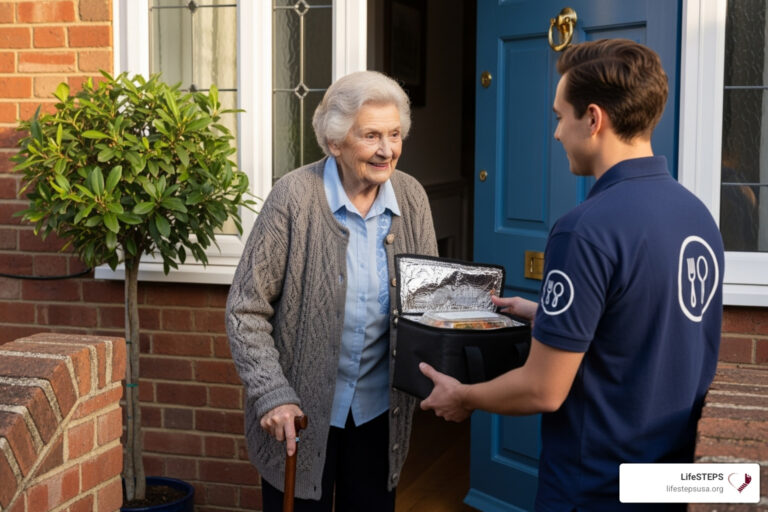
Yes, senior citizens may qualify for SNAP food benefits if they meet income, resource, and residency rules.
Are senior citizens eligible for food stamps? In most cases, age does not prevent someone from getting help through the Supplemental Nutrition Assistance Program, or SNAP. Older adults may even receive special rules for income, medical costs, and household expenses.
This guide explains SNAP eligibility for seniors, how Social Security affects benefits, what deductions may help, how to apply, and which mistakes to avoid. Rules can differ by state, so always confirm details with your local SNAP office.
Are Senior Citizens Eligible for Food Stamps?
Yes. Are senior citizens eligible for food stamps? Seniors can qualify for SNAP if they meet the program’s financial and nonfinancial rules.
SNAP is a federal program managed by the U.S. Department of Agriculture and run through state agencies. It helps eligible households buy food at grocery stores, farmers markets, and other approved retailers.
A senior may qualify even if they receive:
• Social Security retirement benefits
• Supplemental Security Income
• A pension
• Veterans benefits
• Medicare
• Medicaid
• Help from family members
Receiving these benefits does not automatically disqualify a person. SNAP workers review the person’s full income, allowable expenses, household size, and resources.
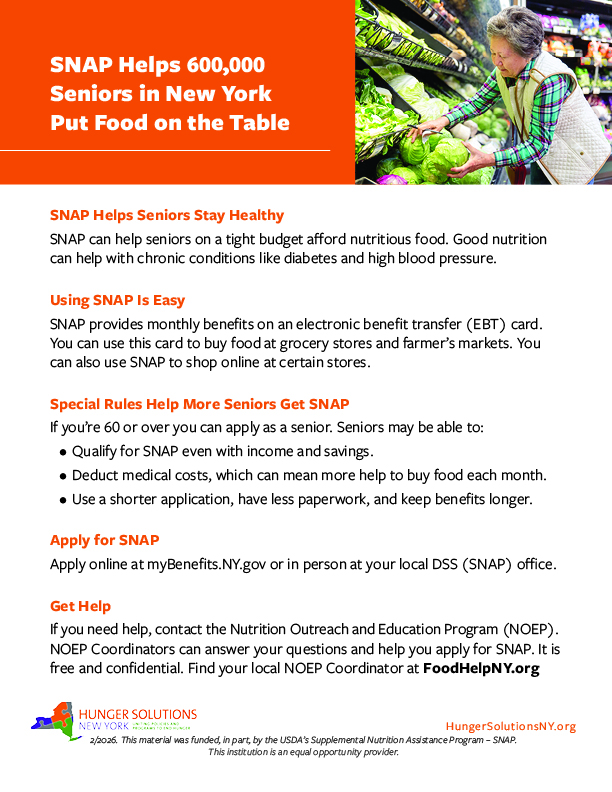
Adults age 60 or older are often treated as “elderly” under SNAP rules. A person may also qualify for special treatment if they have a disability. These categories can affect which income tests and deductions apply.
How SNAP Eligibility Works for Older Adults
Are senior citizens eligible for food stamps based only on age? No. Age helps determine which rules apply, but it does not guarantee approval.
Most applicants must meet three broad requirements:
- They must meet income rules.
- They must follow citizenship or qualified immigration rules.
- They must apply through the SNAP agency in their state.
Many states also review household resources, such as money in bank accounts. However, resource rules can vary. Some states use broader eligibility rules and may not count certain assets.
For SNAP purposes, a household usually includes people who buy and prepare food together. This means a married couple usually applies as one household, even if only one spouse is age 60 or older.
A senior who lives with adult children may have a different household situation. If the senior buys and prepares food separately, the state may treat the senior as a separate SNAP household. The agency will ask questions about the living and meal arrangement.
Special rules for elderly-only households
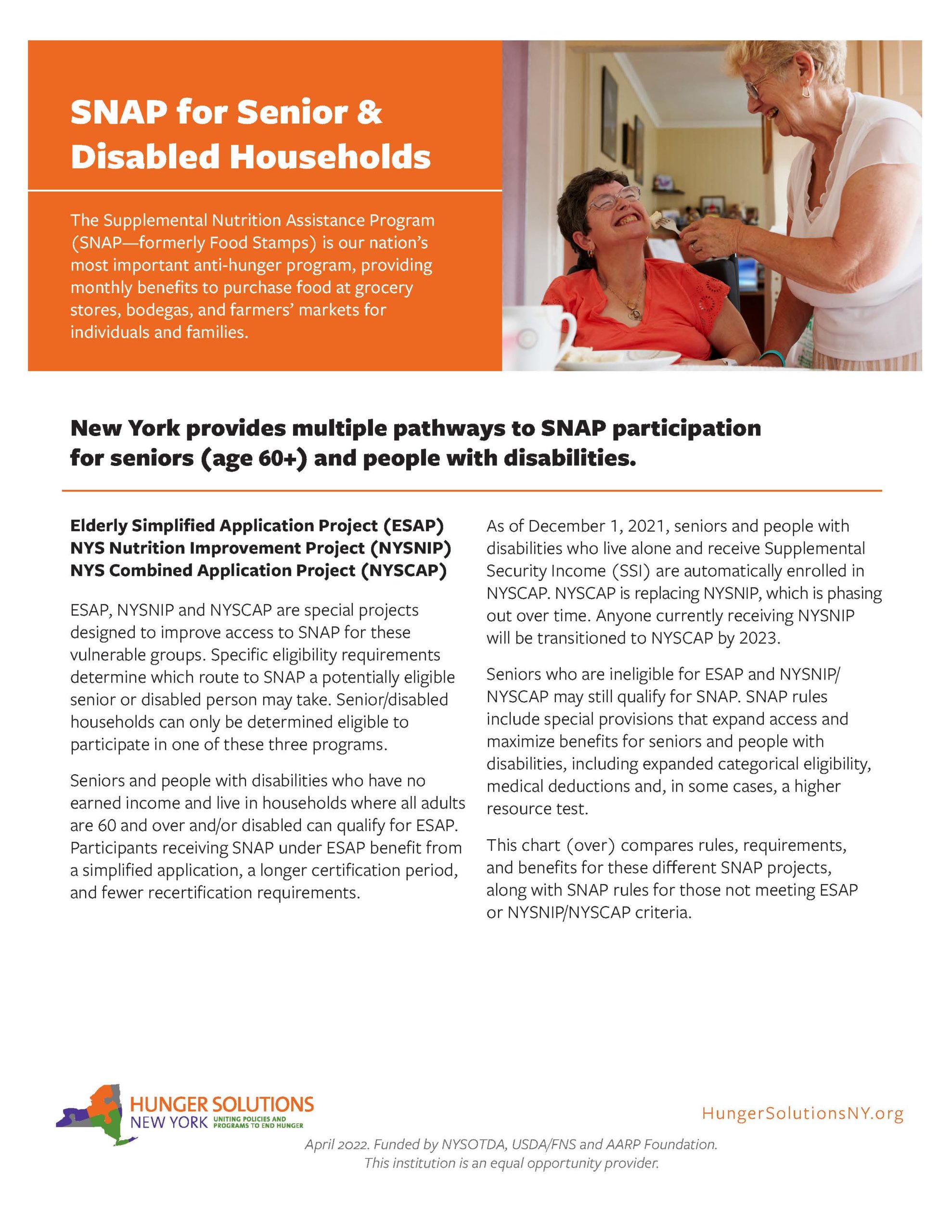
A household may receive special SNAP treatment when every member is age 60 or older or has a qualifying disability. These households often have more flexible income rules.
For example, an elderly-only household may not have to meet the usual gross income test. Instead, the state may focus on net income after approved deductions.
This matters because medical bills, rent, utilities, and other costs can reduce countable income. A senior who seems over the limit at first may qualify after these deductions are applied.
How Income Affects SNAP Benefits for Seniors
Are senior citizens eligible for food stamps if they receive Social Security? Often, yes. Social Security usually counts as income, but it does not automatically end SNAP eligibility.
SNAP may count income from many sources, including:
• Social Security retirement payments
• Social Security Disability Insurance
• Supplemental Security Income
• Pension payments
• Veteran benefits
• Employment wages
• Unemployment benefits
• Interest and other regular income
The agency generally looks at gross income first, then applies allowed deductions. Gross income means money received before certain deductions. Net income means income left after SNAP deductions.
For many elderly or disabled households, the net income test is especially important. This allows certain costs to reduce the income used to determine eligibility.
Common SNAP deductions for seniors
Eligible deductions may include:
• A standard household deduction
• A 20% deduction from earned income
• Excess shelter costs
• Certain utility costs
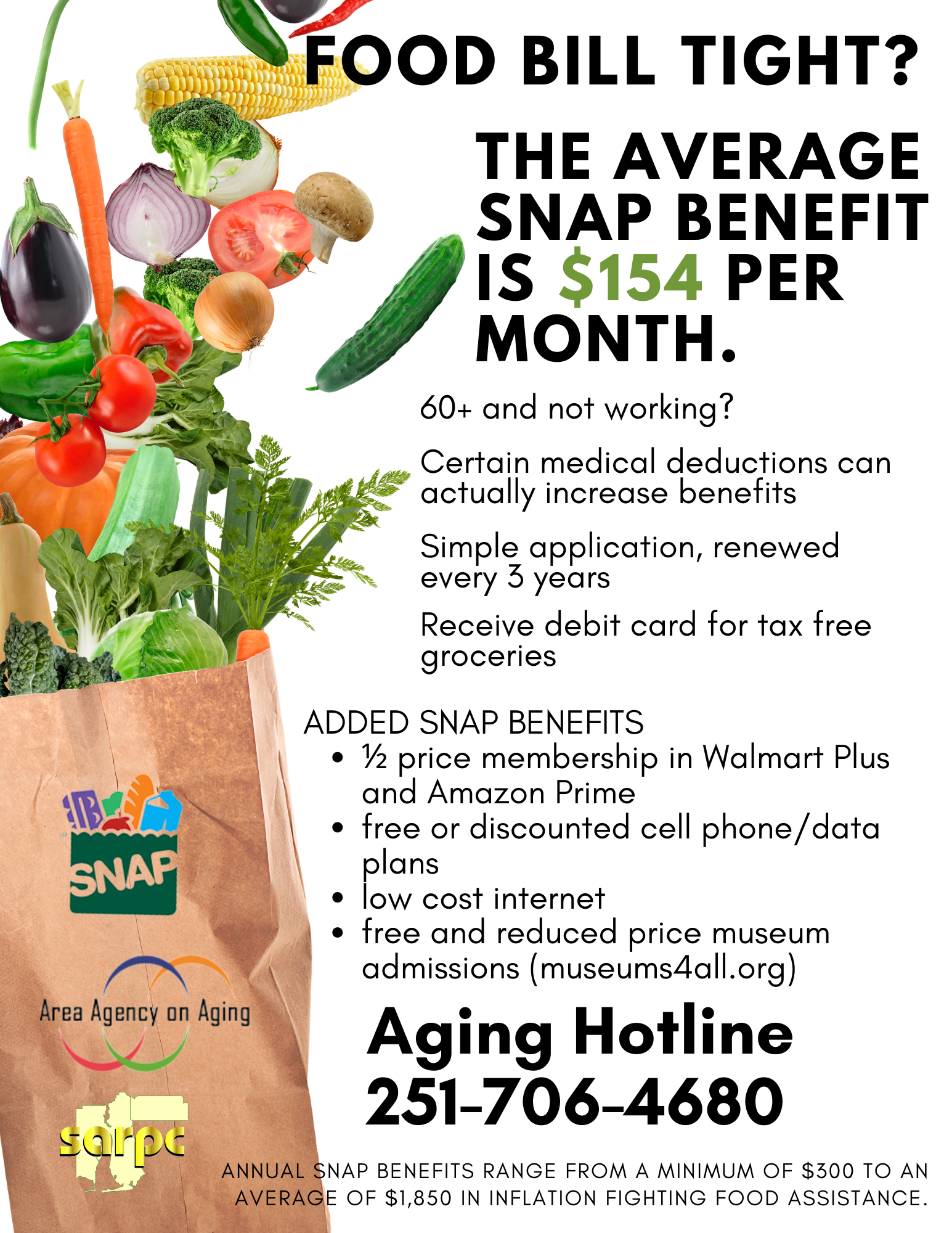
• Medical expenses above the allowed threshold
• Legally required child support payments
• Dependent care costs in some situations
Rules and deduction amounts may change. The state SNAP office calculates the final amount using current federal guidelines.
Medical expense deductions
Medical costs can make a major difference for older adults. A senior may be able to deduct certain out-of-pocket medical expenses that are not covered by insurance.
Possible expenses may include:
• Medicare premiums
• Health insurance premiums
• Prescription costs
• Doctor visits
• Dental care
• Eyeglasses
• Hearing aids
• Medical equipment
• Transportation to medical care
• Home health care costs
Keep receipts, invoices, insurance statements, and pharmacy records. A common mistake is failing to report regular medical expenses because each bill seems small. Small monthly costs can add up over a full year.
How Social Security and Medicare Affect SNAP
Are senior citizens eligible for food stamps while receiving Medicare? Yes, Medicare and SNAP are separate programs. A person can receive both if they meet SNAP requirements.
Social Security payments usually count as income. Medicare premiums may also affect the calculation when the senior pays them out of pocket or has them deducted from Social Security.
Many seniors have Medicare Part B premiums taken directly from their Social Security checks. They should report the full Social Security amount and provide proof of the Medicare deduction.
Some seniors may qualify for a Medicare Savings Program. This program can help pay Medicare premiums and other medical costs. It is separate from SNAP, but applying for both programs may reduce financial pressure.
A senior may also receive Medicaid, housing assistance, or energy assistance while applying for SNAP. One benefit does not always prevent another. Each program has its own rules.
Example of how deductions can help
Imagine a senior living alone who receives Social Security and pays rent, utilities, Medicare premiums, and prescription costs. The senior’s gross income may appear too high at first glance.
After the agency reviews medical and shelter costs, the senior’s countable net income may be much lower. This is why it is important to complete the application and report every eligible expense.

SNAP Resource and Asset Rules for Seniors
Are senior citizens eligible for food stamps if they have money in a bank account? Possibly. SNAP resource rules depend on the state and household type.
Resources may include:
• Cash
• Checking accounts
• Savings accounts
• Stocks
• Bonds
• Some investment accounts
Many important assets are not counted in the same way as available cash. A primary home may be excluded, and one vehicle may receive special treatment. State rules determine how vehicles and other property are handled.
Do not hide or move money to qualify. An application must be accurate. Providing false information can lead to denial, repayment claims, penalties, or legal problems.
Instead, ask the SNAP office which resources count in your state. The answer can differ based on household members, age, disability status, and state policy.
A useful lesson from reviewing benefit applications is simple: never assume that owning a home, having a car, or keeping savings automatically disqualifies a senior. The rules are more detailed than many people expect.

What Food Can Seniors Buy With SNAP?
SNAP benefits are placed on an Electronic Benefit Transfer card, often called an EBT card. The card works like a debit card at approved stores.
SNAP can generally pay for:
• Fruits and vegetables
• Meat, poultry, and fish
• Dairy products
• Bread and cereal
• Seeds and plants that grow food
• Snack foods
• Nonalcoholic drinks
SNAP cannot usually pay for:
• Alcohol
• Tobacco
• Vitamins and supplements
• Hot foods sold for immediate eating
• Pet food
• Cleaning products
• Personal care items
• Household supplies
Some state and local programs offer extra help for seniors. These may include senior farmers market programs, produce vouchers, or meal delivery services. SNAP recipients should ask their local aging services office about these options.
The benefits do not need to be spent all at once. However, unused benefits may be subject to state rules, especially if the EBT account has no activity for a long period.

How to Apply for SNAP as a Senior
Are senior citizens eligible for food stamps without visiting an office? In many states, yes. Applications may be available online, by phone, by mail, or in person.
Use the official SNAP website or contact the state agency. Avoid paying a third party to submit a basic application. Government applications are usually free.
Steps to apply
- Find the official SNAP agency in your state.
- Complete the application with accurate information.
- Report all income and household members.
- List rent, utilities, medical costs, and other allowed expenses.
- Submit proof when requested.
- Attend an interview by phone or in person.
- Read the approval or denial notice carefully.
The agency may request:
• Proof of identity
• Proof of address
• Social Security numbers for applicants
• Social Security or pension statements
• Bank statements
• Rent or mortgage records
• Utility bills
• Medical receipts
• Immigration documents, when applicable
Do not delay the application because you are missing one document. Ask the worker what alternatives are accepted. Some agencies can verify information through electronic records.
Emergency SNAP benefits
A senior with very little income, limited cash, and high housing costs may qualify for faster processing. Emergency or expedited SNAP rules differ by state, but some eligible households can receive benefits within a shorter time.
Explain urgent circumstances clearly. A person should not wait for a financial crisis before asking for help.

How Much Can a Senior Receive in SNAP Benefits?
Are senior citizens eligible for food stamps with a fixed benefit amount? No. SNAP benefits are based on household size, net income, and allowable expenses.
A person living alone may receive a different amount than a couple. The benefit can also change when rent, medical bills, or income changes.
The federal government sets maximum allotments and many deduction rules. These amounts can change each federal fiscal year. Alaska, Hawaii, Guam, and the U.S. Virgin Islands may use different maximum benefit levels than the 48 contiguous states and Washington, D.C.
The final benefit is not always equal to the maximum amount. In general, a household with lower countable net income may receive more help than a household with higher countable net income.
The approval notice should explain:
• The monthly benefit amount
• The certification period
• The reporting duties
• The appeal process
• When benefits will be loaded onto the EBT card
Review the notice for errors. If the agency missed a medical bill or rent payment, contact the office quickly and ask how to submit updated proof.
Common Reasons Senior SNAP Applications Are Denied
Are senior citizens eligible for food stamps when they are denied at first? They may still qualify after correcting an error or appealing the decision.
Common reasons for denial include:
• Income was reported incorrectly
• Medical expenses were not included
• The household was counted incorrectly
• Required documents were missing
• The interview was missed
• The application was not completed
• The person did not meet state residency rules
• The household exceeded applicable income or resource limits
A denial is not always the final answer. Read the notice and check the deadline for requesting a fair hearing. An appeal may be appropriate if the agency used wrong information or failed to consider a permitted deduction.
Keep copies of the application, notices, receipts, and messages. Write down the date, time, and name of anyone you speak with. Clear records make it easier to fix mistakes.
If a senior has difficulty applying, an authorized representative may be able to help. The senior should understand what the representative is allowed to do and should protect personal information.
Practical Tips for Seniors Applying for SNAP
Are senior citizens eligible for food stamps more easily when they prepare documents first? Preparation can make the process smoother and reduce delays.
Try these steps:
• Gather recent benefit statements before applying.
• Make a list of monthly medical expenses.
• Keep rent, mortgage, and utility bills nearby.
• Ask the pharmacy for payment records.
• Report Medicare premiums correctly.
• Explain who buys and prepares food.
• Answer every question honestly.
• Save a copy of the completed application.
• Check voicemail and mail often.
• Ask for an interpreter or accessibility support if needed.
One frequent mistake is listing only the amount left after Medicare deductions. SNAP may need the full benefit amount and proof of the deduction. Another mistake is leaving out occasional medical costs, such as dental work or eyeglasses.
Think of the application like a household budget review. The agency needs to see both the money coming in and the necessary costs going out.
Other Help Available to Older Adults
Are senior citizens eligible for food stamps as their only source of food assistance? No. SNAP is important, but seniors may qualify for other programs too.
Potential sources of help include:
• Commodity Supplemental Food Program
• Senior Farmers’ Market Nutrition Program
• Congregate meal sites
• Home-delivered meals
• Local food banks
• Medicare Savings Programs
• Low Income Home Energy Assistance Program
• Housing assistance
• State prescription assistance programs
Area Agencies on Aging can help older adults find local services. A senior center, community action agency, or 211 information line may also provide referrals.
Some programs use different income rules from SNAP. A senior who does not qualify for one program may still qualify for another. It is worth asking for a full benefits screening instead of applying to only one program.
Frequently Asked Questions About Are Senior Citizens Eligible for Food Stamps
Are senior citizens eligible for food stamps if they receive Social Security?
Yes, seniors can receive SNAP while collecting Social Security. Social Security usually counts as income, but medical, shelter, and other allowed deductions may reduce countable income.
Can a senior get SNAP if they own a home?
Possibly. A primary home is often treated differently from cash or investments, but resource rules vary by state. Seniors should ask their local SNAP agency how the home and other property are counted.
Does Medicare automatically disqualify someone from SNAP?
No. Medicare and SNAP can work together. Medicare premiums and other qualifying medical costs may help reduce countable income for an elderly household.
Can a senior living with family apply for SNAP alone?
Sometimes. The key question is usually who buys and prepares food together. A senior who purchases and prepares meals separately may be treated as a separate SNAP household, depending on the facts and state rules.
Can seniors receive SNAP if they have a pension?
Yes, but pension income usually counts when the state determines eligibility. The amount of the pension, household expenses, and allowed deductions all affect the final decision.
What should a senior do if a SNAP application is denied?
Read the denial notice and check the appeal deadline. If the agency missed income, medical costs, household details, or another important fact, the senior can ask for a review or fair hearing.
Conclusion
Are senior citizens eligible for food stamps? Yes, many older adults qualify for SNAP, even when they receive Social Security, Medicare, a pension, or other benefits. Age alone does not guarantee approval, but elderly households may receive helpful rules for medical and shelter expenses.
The best next step is to apply through the official state SNAP agency and report every relevant expense. Keep documents, ask questions, and appeal if the decision appears incorrect. Explore SNAP and other senior nutrition programs today, and share this guide with an older adult who may need support.

Michael Reynolds is a senior contributor at RetirementGazette.com, where he focuses on helping readers navigate the journey toward a secure and fulfilling retirement. With over a decade of experience in personal finance, retirement planning, and lifestyle writing, Michael combines practical strategies with easy-to-understand guidance tailored for both pre-retirees and those already enjoying their golden years.