Place the belt snugly around the waist, buckle at the side, and use firm handholds to guide movement.
I have worked with older adults and caregivers for years, helping them stay safe and mobile. This guide shows exactly how to use a gait belt for the elderly, step by step, with clear safety checks, real-world tips, and common mistakes to avoid. You will learn how to choose the right gait belt, fit it correctly, transfer and assist safely, and care for the belt so it lasts. Read on to gain confidence and keep the people you care for steady and secure.
Why use a gait belt for the elderly
A gait belt helps caregivers support balance and control during standing, walking, and transfers. It reduces the risk of falls and injury for both the older adult and the caregiver when used correctly. Using a gait belt for the elderly lets you provide steady guidance without grabbing clothing or body parts that could harm the person.

When to use a gait belt for the elderly
Use a gait belt when an older adult needs help standing, steadying during walking, getting in or out of a chair, or moving between surfaces. It is useful for occasional unsteadiness and for regular assisted walks. Avoid using a gait belt if the person has recent abdominal surgery, unstable fractures, or a medical order that bans its use.

Choosing the right gait belt
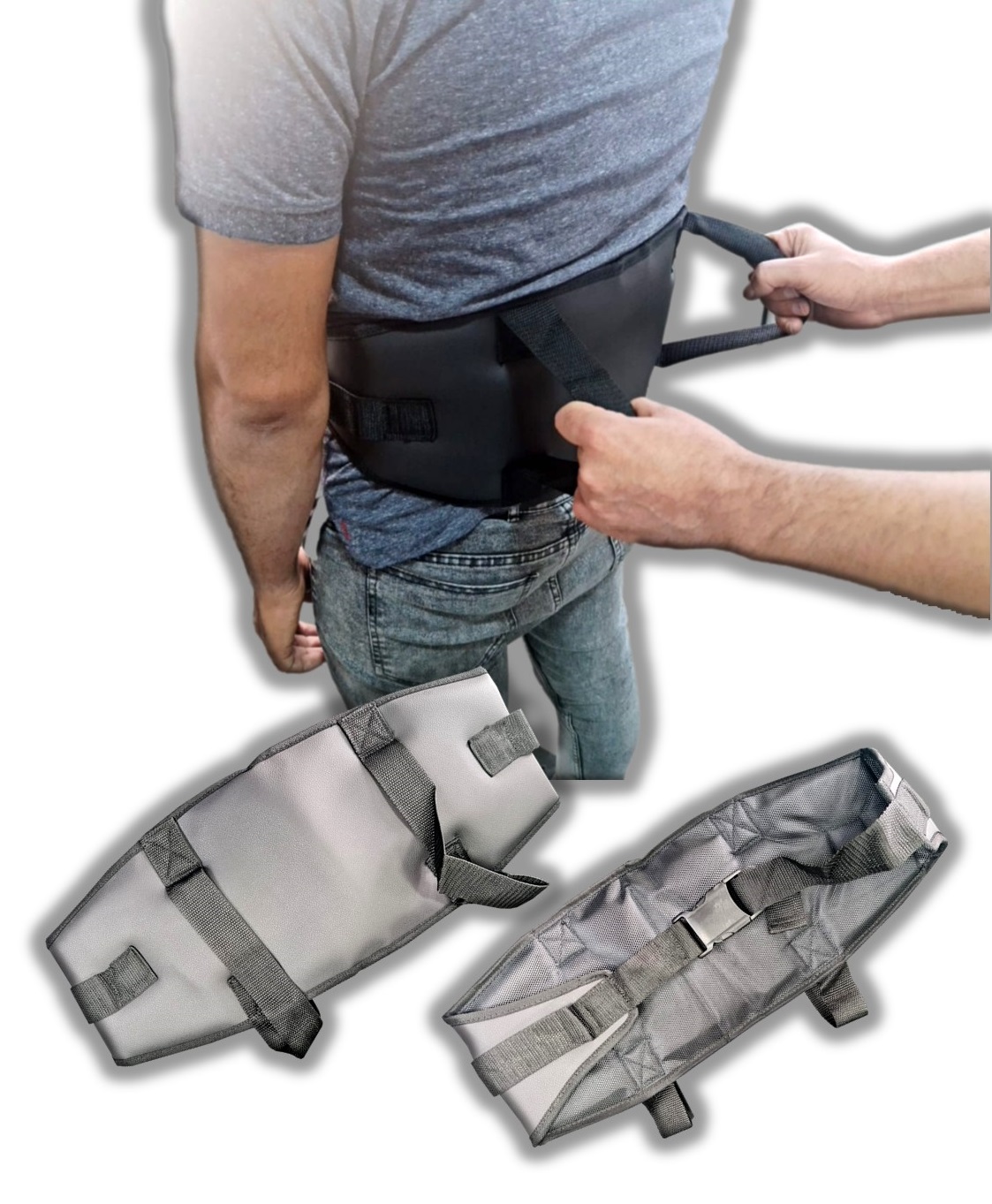
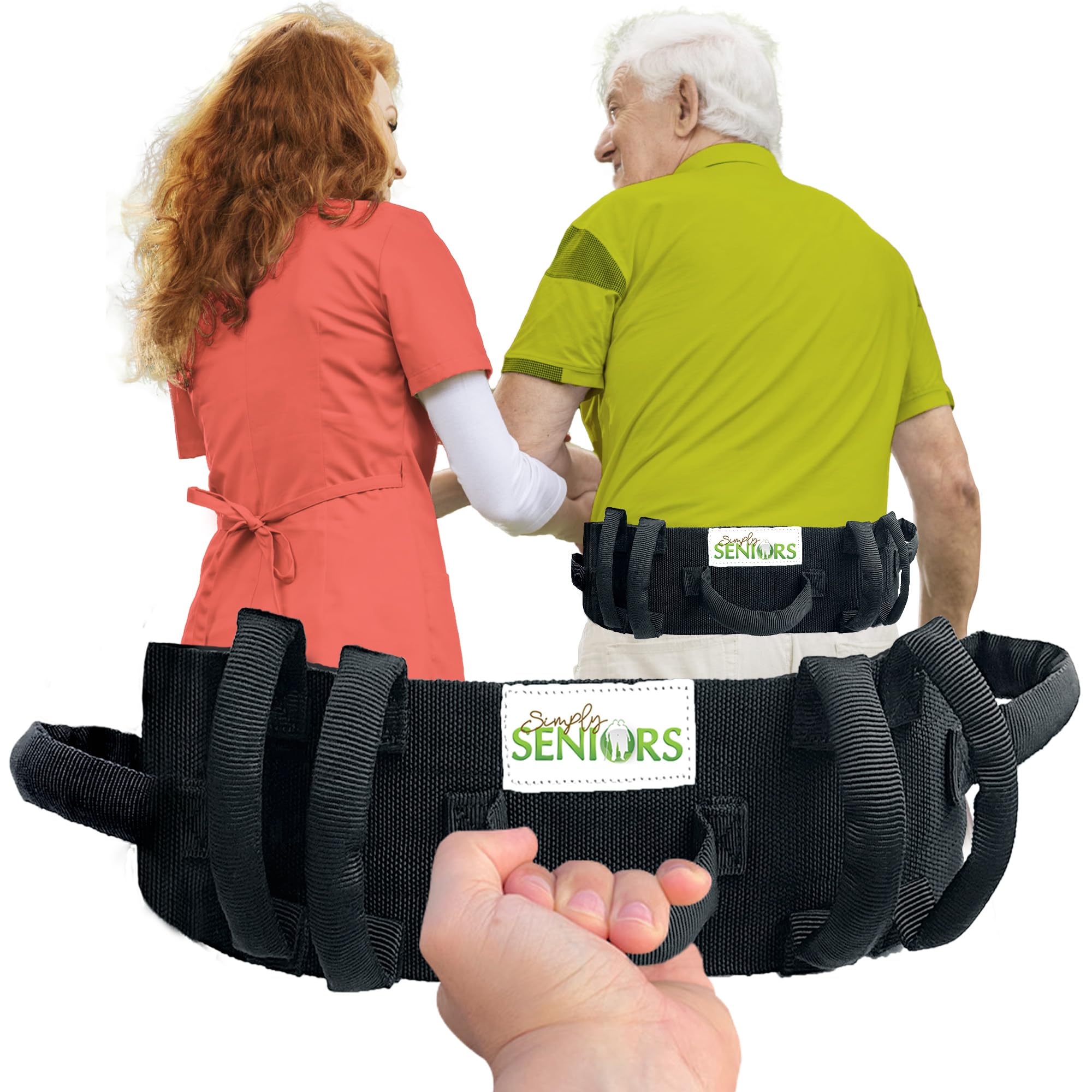
Fit matters. Pick a belt that is wide, sturdy, and comfortable. Common choices include canvas, webbed nylon, and padded belts. Look for a secure buckle (metal or quick-release) and a length that fits the person’s waist plus enough to pass through the buckle. If you care for individuals with sensitive skin, choose a padded or cloth-covered belt to reduce irritation.
Signs of a good belt:
- Width between 2 and 4 inches for even pressure distribution.
- Strong stitching and a reliable buckle.
- Easy-to-clean material that can be disinfected.
- Size ranges that fit hips and waists commonly found in older adults.
Personal tip: I once tried a thin, flimsy belt and it slipped during a stand. Invest in a well-made belt; it makes transfers safer and less stressful.

Step-by-step: How to use a gait belt for the elderly
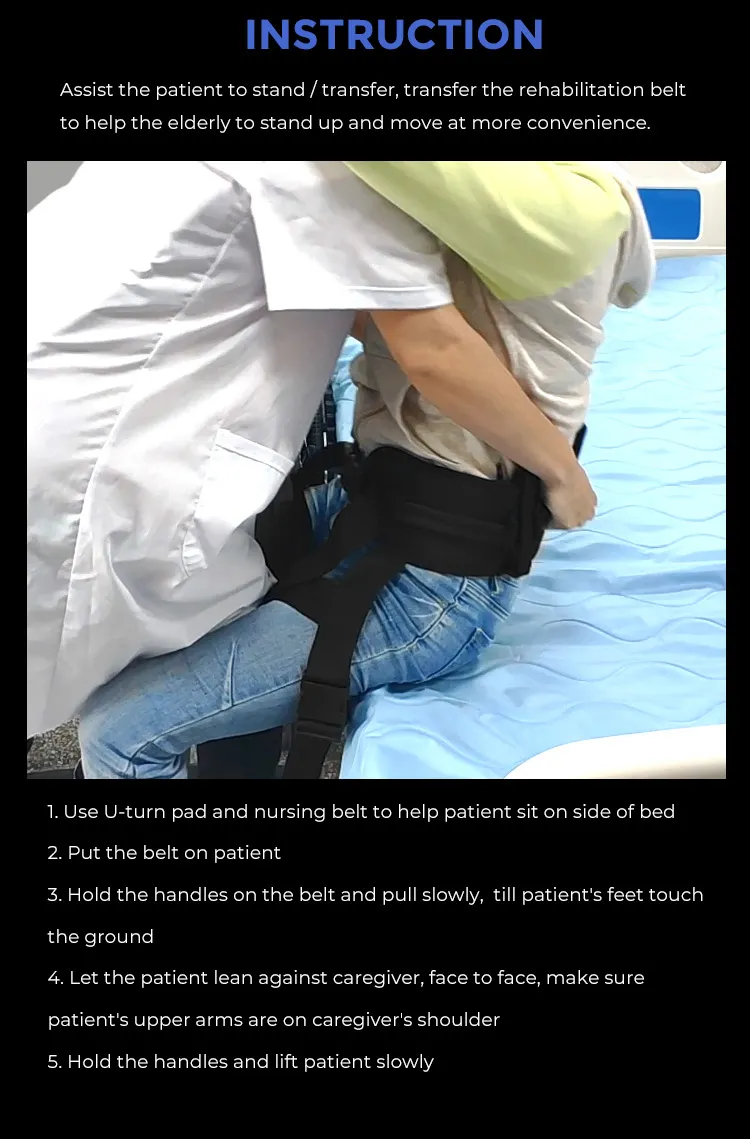
Follow this clear, repeatable routine when you use a gait belt for the elderly. Practice the steps slowly the first few times until both you and the older adult feel confident.
- Prepare the environment.
- Clear the path of rugs, cords, and clutter.
- Ensure shoes are non-slip and the floor is dry.
- Explain the process.
- Tell the person what you will do in one or two simple sentences.
- Ask for permission before touching or fitting the belt.
- Position the person.
- Have them sit with feet flat and shoulders back.
- If standing from a low chair, move the chair close to a stable surface for support.
- Apply the belt.
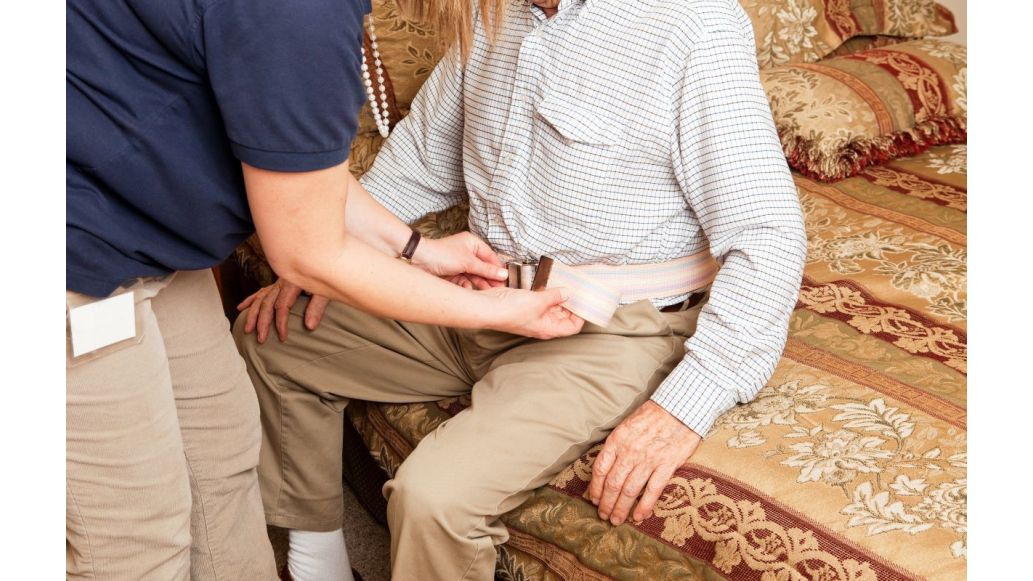
- Wrap the gait belt around the person’s waist over clothing, not over fragile skin or undergarments.
- Place the belt so it sits at the level of the small of the back and wraps evenly.
- Buckle securely. Leave a hand’s width of space so the belt is snug but not tight.
- Hand placement.
- Grasp the belt with both hands on either side of the buckle or on the back of the belt.
- Keep your back straight and bend at the knees when lifting or guiding.
- Stand and transfer.
- On cue, help the person lean forward, push from the chair, and stand.
- Use your legs to lift. Do not pull with your back.
- Walk slightly behind and to one side of the person, keeping a firm hold on the belt.
- Settle safely.
- When seating, guide the person back until they feel the chair behind their legs.
- Lower them slowly while maintaining a secure hold until they are stable.
Common checks before use:
- Confirm there is about one to two fingers’ space between the belt and skin to avoid restricting breathing.
- Make sure the buckle is on the side, not at the spine.
- Reassess comfort and fit during long walks.
Safety tips and common mistakes
Safety is the heart of how to use a gait belt for the elderly. Small errors can reduce effectiveness or cause harm. Watch for these pitfalls and follow these smart practices.
Common mistakes to avoid:
- Placing the belt too high or too low on the torso.
- Grabbing clothing, arms, or hands instead of the belt.
- Using the belt to lift an immobile person alone.
- Leaving the belt too loose or too tight.
- Using a gait belt on someone with a medical order against it.
Safety best practices:
- Use two caregivers for heavy or very unsteady people.
- Communicate each movement before you act.
- Keep your feet shoulder-width apart and use your legs when guiding.
- Check for skin redness or sores after use and adjust fit.
- Train caregivers regularly on proper technique.
Personal lesson: I learned to pause after applying the belt and ask the person to breathe and cough. This helps ensure the belt isn't restricting breathing and builds trust.
Care, cleaning, and storage
A clean, well-kept gait belt works better and lasts longer. Follow simple steps to keep the belt safe and hygienic.
Cleaning steps:
- Wipe down after each use with a disinfectant or soap and water, according to manufacturer care instructions.
- For fabric belts, follow laundering guidance. Use mild detergents.
- Inspect for tears, frays, or weakened webbing before each shift.
Storage tips:
- Hang belts to avoid kinks in the material.
- Store away from direct sunlight to prevent degradation.
- Replace belts that show wear or broken buckles immediately.
Why maintenance matters: A frayed or damaged belt can fail during a transfer. Regular checks prevent accidents and build caregiver confidence.
Personal experience and real-world tips
I once assisted a woman who was fearful of falling. Using a gait belt changed her whole outlook. The belt gave her a sense of security and allowed short supervised walks. Small wins like a 5-minute walk daily improved her mood and mobility.
Practical tips I use:
- Practice fitting and standing with the belt off the bedside to build trust.
- Use consistent language like “one, two, stand” to cue movement.
- Keep a spare belt in transport bags and cars for outings.
- Log any issues with fit or skin irritation so the care team can adjust.
These small habits make how to use a gait belt for the elderly more effective and humane.

Related devices and alternatives
Gait belts are one tool among many. Depending on needs, consider:
- Transfer belts with handles for easier grip.
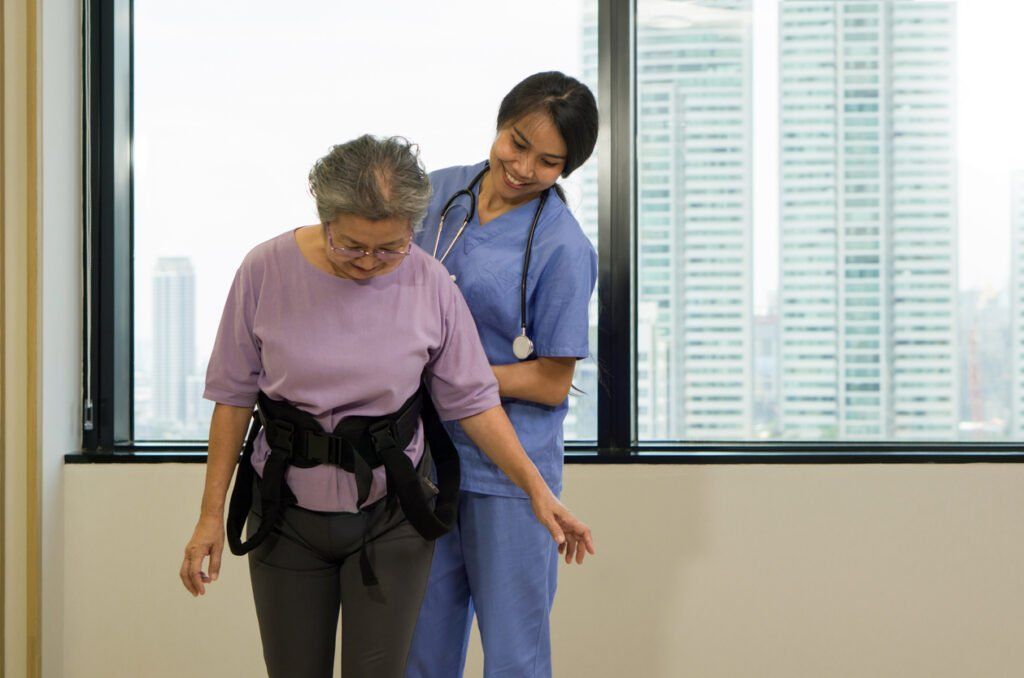
- Mechanical lifts for non-weight-bearing transfers.
- Ambulatory aids like walkers or canes for independent walking.
- Hip protectors or slip-resistant footwear to lower fall risk.
Use the device that matches the person’s mobility level and any clinical guidance. When in doubt, consult a physical therapist for personalized advice.
Frequently Asked Questions of How to use a gait belt for the elderly
What is the correct position for a gait belt?
The correct position is around the waist at the small of the back, over clothing, with the buckle to the side. It should be snug but allow one to two fingers of space for comfort.
Can I use a gait belt on someone with dementia?
Yes. Many people with dementia benefit from the steady support a gait belt provides, but always explain each step calmly and check for comfort. Use familiar caregivers and consistent cues.
How tight should a gait belt be?
Tight enough to prevent slipping, but loose enough to allow one to two fingers between belt and skin. It should not restrict breathing or cause pain.
When should I not use a gait belt?
Do not use a gait belt after recent abdominal surgery, on unstable spinal injuries, or when a medical provider advises against it. Avoid using it to lift someone who cannot bear weight.
Do gait belts reduce falls?
When used correctly, gait belts reduce fall risk by improving caregiver control and patient stability. They are most effective when combined with good technique and safe environments.
Conclusion
Using a gait belt for the elderly is a simple, effective way to improve safety and independence. Choose a durable belt, fit it correctly, follow step-by-step transfer techniques, and care for the belt. Practice builds skill and confidence for both caregiver and older adult. Start with small, supervised moves and grow from there. Try these tips today, share your experience, or ask a question below — your next safe step could be a short, steady walk.

Michael Reynolds is a senior contributor at RetirementGazette.com, where he focuses on helping readers navigate the journey toward a secure and fulfilling retirement. With over a decade of experience in personal finance, retirement planning, and lifestyle writing, Michael combines practical strategies with easy-to-understand guidance tailored for both pre-retirees and those already enjoying their golden years.