Most senior women need about 1.0 to 1.2 grams of protein per kilogram of body weight each day.
Knowing how much protein should a senior woman eat per day can help protect muscle, strength, balance, and independence. The basic adult guideline is a useful starting point, but age, weight, activity, health, and kidney function all matter. This guide explains how to calculate a personal protein goal, choose healthy foods, and spread protein across the day.
How much protein should a senior woman eat per day?
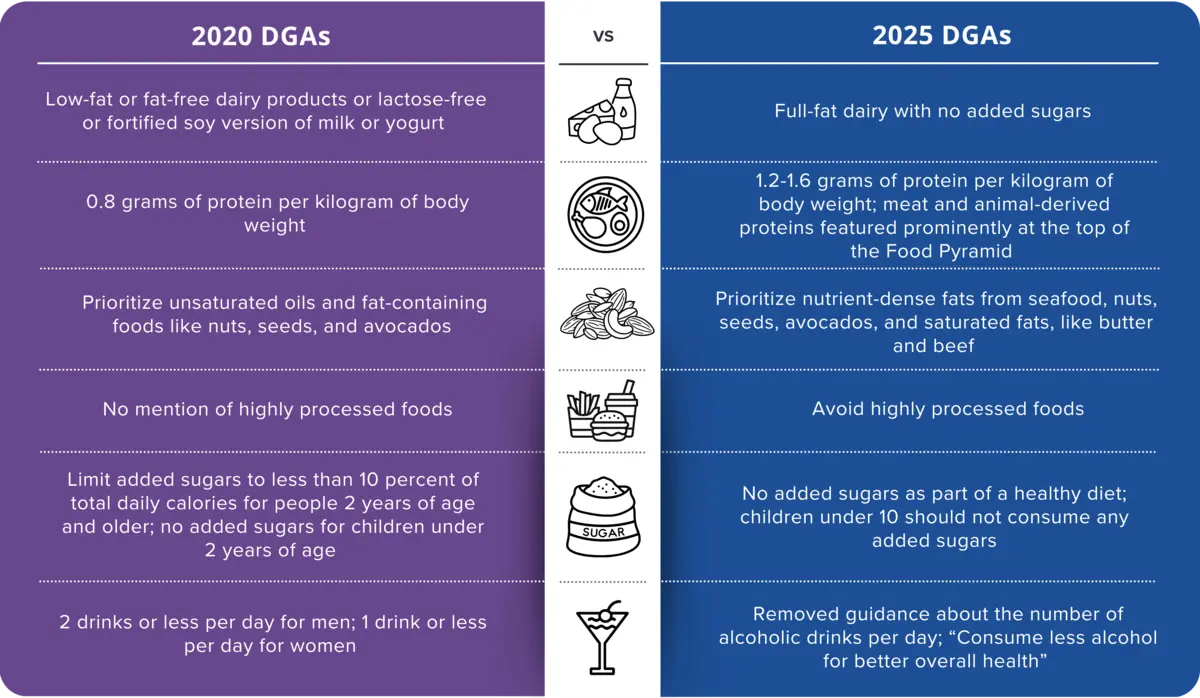
For most healthy women over age 65, a practical daily target is 1.0 to 1.2 grams of protein per kilogram of body weight. This amount is often higher than the basic adult minimum of 0.8 grams per kilogram.
To calculate the goal, first convert body weight from pounds to kilograms:
- Divide body weight in pounds by 2.2.
- Multiply the result by 1.0 to 1.2.
- The answer is an estimated daily protein range in grams.
For example, a 150-pound woman weighs about 68 kilograms:
• Minimum older-adult target: 68 × 1.0 = 68 grams per day
• Higher general target: 68 × 1.2 = 82 grams per day
So, how much protein should a senior woman eat per day at this weight? A reasonable range may be about 68 to 82 grams, if she is healthy and has no medical reason to limit protein.
The right amount may be higher during recovery from surgery, injury, infection, or unintended weight loss. A doctor or registered dietitian should guide protein intake when kidney disease, liver disease, or another serious condition is present.

Why protein becomes more important with age
Protein provides amino acids. These are the building blocks the body uses to maintain muscle, bones, skin, blood, hormones, and immune cells.
Aging can make the body less responsive to a small amount of protein. Experts sometimes call this “anabolic resistance.” In simple terms, an older body may need a stronger protein signal to support muscle repair.
Muscle loss can affect more than appearance. It may make it harder to climb stairs, carry groceries, rise from a chair, or recover after a fall. Enough protein, regular movement, and good overall nutrition work together like three legs of a sturdy stool.
Research and expert groups focused on healthy aging often support protein intakes above the basic adult minimum for many older adults. However, these targets are general guidelines, not a diagnosis or a prescription.
What protein can help support
Adequate protein may help a senior woman:
• Maintain muscle mass and strength
• Support balance and physical function
• Recover from illness or surgery
• Stay full between meals
• Preserve bone-supporting muscle activity
• Support wound healing and immune function
• Reduce the risk of frailty when combined with exercise
Protein alone cannot prevent all age-related muscle loss. Resistance exercise, enough calories, sleep, vitamin D, and treatment of health problems also play important roles.
Protein needs by body weight
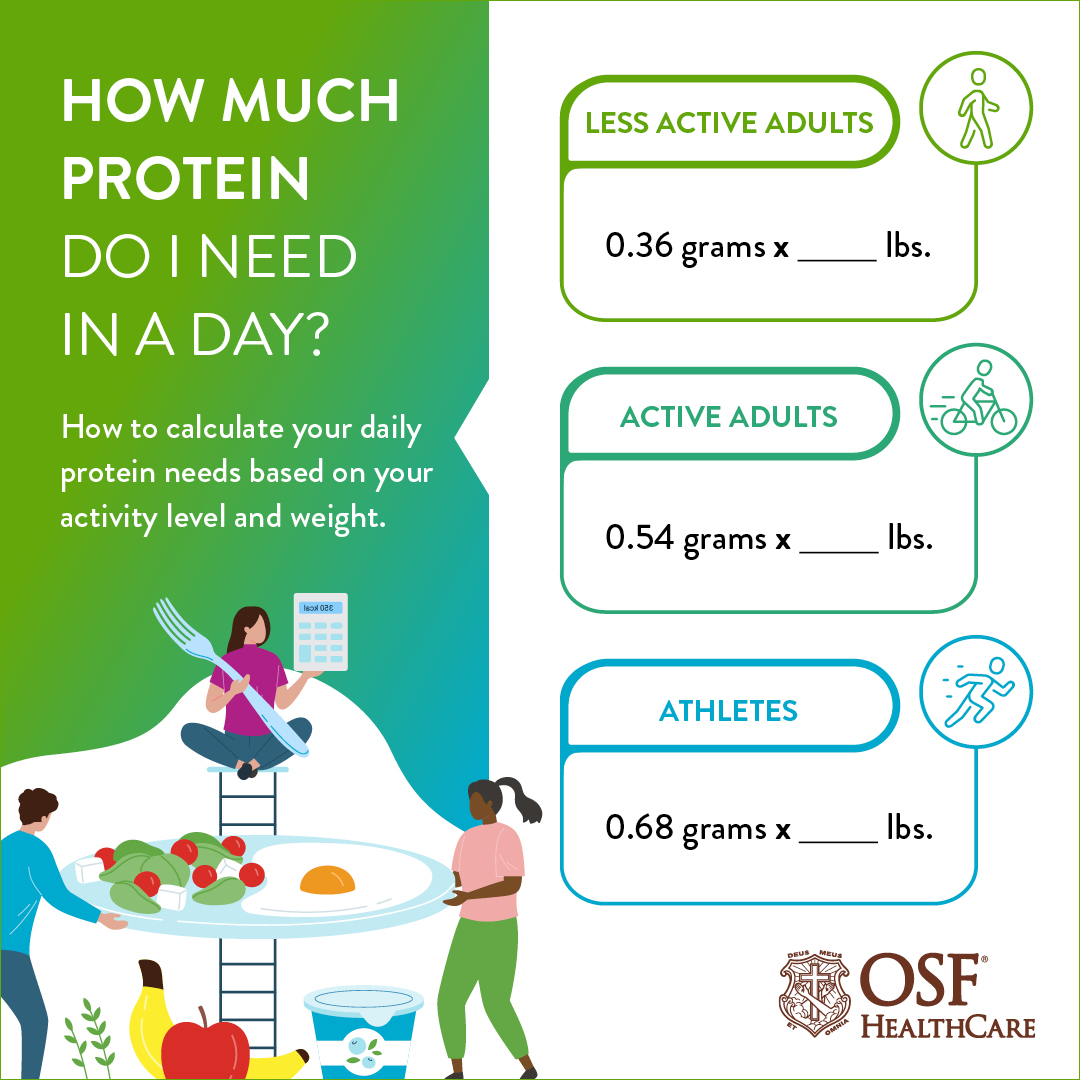
A weight-based approach is often more useful than one number for every woman. The table below gives estimated daily ranges using 1.0 to 1.2 grams per kilogram.
| Body weight | Approximate weight in kilograms | Protein range per day |
|---|---|---|
| 120 pounds | 54 kg | 54 to 65 grams |
| 130 pounds | 59 kg | 59 to 71 grams |
| 140 pounds | 64 kg | 64 to 77 grams |
| 150 pounds | 68 kg | 68 to 82 grams |
| 160 pounds | 73 kg | 73 to 88 grams |
| 180 pounds | 82 kg | 82 to 98 grams |
| 200 pounds | 91 kg | 91 to 109 grams |
These numbers answer how much protein should a senior woman eat per day in a general way. They do not account for body composition, activity level, illness, or weight-loss goals.
If a woman has significant excess body weight, a dietitian may use an adjusted weight rather than current weight. This prevents an unnecessarily high protein estimate. Older adults who are underweight or losing muscle may need a more individualized plan.
:max_bytes(150000):strip_icc()/healthy-weight-and-bmi-range-for-older-adults-2223592_final-88ff827b3bba4982bcc1841d53fb1196.jpg)
How much protein should a senior woman eat per meal?
Many older women benefit from spreading protein across three meals instead of eating most of it at dinner. A useful meal target is about 25 to 30 grams of protein at breakfast, lunch, and dinner.
For someone aiming for 75 grams daily, this might look like:
• Breakfast: 25 grams
• Lunch: 25 grams
• Dinner: 25 grams
A small snack can fill the gap if meals provide less. For example, a woman might eat 20 grams at breakfast, 25 grams at lunch, 25 grams at dinner, and 10 grams from a snack.
Spreading protein through the day may help provide repeated muscle-building signals. It can also make meals feel more balanced and reduce the need to eat a large portion at night.
Easy meal examples
A high-protein breakfast could include:
• Two eggs with Greek yogurt
• Cottage cheese with fruit and whole-grain toast
• Oatmeal made with milk, plus nuts or powdered milk
• A smoothie with Greek yogurt, milk, and fruit
A high-protein lunch could include:
• Tuna or salmon salad
• Bean soup with cheese
• Turkey and cheese on whole-grain bread
• Lentils with eggs or yogurt
A high-protein dinner could include:
• Baked salmon with vegetables and quinoa
• Chicken with beans and brown rice
• Tofu stir-fry with edamame
• Lean beef with potatoes and a side of cottage cheese

Best protein foods for senior women
Both animal and plant foods can provide protein. The best choice depends on taste, budget, culture, chewing ability, allergies, and health needs.
Animal-based protein foods
Animal proteins are often complete proteins. This means they provide all nine essential amino acids in useful amounts.
Good options include:
• Eggs
• Greek yogurt
• Cottage cheese
• Milk
• Fish and seafood
• Chicken and turkey
• Lean beef or pork
• Cheese
• Canned salmon or tuna
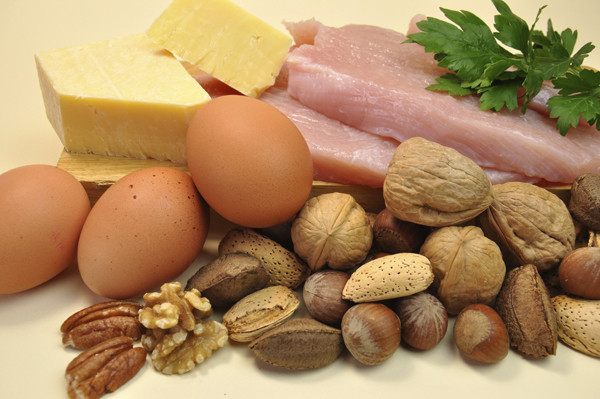
A 3-ounce serving of cooked chicken, turkey, fish, or lean meat often provides about 20 to 25 grams of protein. One large egg provides about 6 grams, while a serving of Greek yogurt may provide 15 to 20 grams.
Plant-based protein foods
Plant proteins can fit well into a healthy aging plan. Some plant foods also provide fiber, potassium, magnesium, and heart-friendly fats.
Useful choices include:
• Lentils
• Black beans, kidney beans, and chickpeas
• Tofu and tempeh
• Edamame
• Soy milk
• Peanuts and peanut butter
• Nuts and seeds
• Quinoa
• Seitan
Plant proteins can be combined across the day. For example, beans with rice, hummus with whole-grain bread, or peanut butter with oatmeal can provide a varied amino acid pattern.
When chewing or appetite is a problem
Soft foods may be easier to eat than dry meat. Try:
• Scrambled eggs
• Yogurt
• Smooth soups with beans or lentils
• Soft fish
• Tofu
• Cottage cheese
• Milk-based smoothies
• Shredded chicken with sauce
This practical approach often matters more than choosing a “perfect” food. A protein food that is easy to chew and enjoy is more useful than one that stays untouched on the plate.

Protein powder and supplements for older women
Protein powder is not required for most senior women. Food should usually come first because whole foods offer other nutrients, such as calcium, fiber, iron, and healthy fats.
A protein shake can be helpful when someone has a poor appetite, trouble chewing, a busy schedule, or higher protein needs. Whey, soy, pea, and milk-based powders are common options.
Before using a supplement, check:
• The serving size and actual protein amount
• Added sugar and sodium
• Allergens
• Artificial ingredients that may cause stomach upset
• Drug or medical diet restrictions
• Whether the product has quality testing
Do not assume that more protein is always better. A large supplement may add calories without improving nutrition, especially if it replaces fruits, vegetables, or a full meal.
A healthcare professional should review supplements for women with kidney disease, swallowing problems, diabetes, or multiple medications.

Protein needs during illness, exercise, and weight loss
Protein needs can change when the body is under stress. Healing after surgery, recovering from an infection, or dealing with a wound may increase the need for protein and calories.
Some expert recommendations suggest 1.2 to 1.5 grams per kilogram during illness or recovery. In severe illness or malnutrition, the amount may differ. These higher targets should be planned with a doctor or registered dietitian.
Exercise also changes the picture. Walking supports health, but strength training gives muscles a stronger reason to use dietary protein. Simple exercises may include:
• Chair stands
• Wall pushups
• Resistance-band rows
• Step-ups
• Light hand weights
During weight loss, protein can help preserve lean mass. Still, older adults should avoid severe calorie restriction. Losing weight too quickly may reduce muscle along with body fat.
A good plan often combines moderate calorie control, regular strength exercise, and protein at each meal. This is safer and more sustainable than skipping meals or relying only on shakes.
Health conditions that affect protein intake
The question “how much protein should a senior woman eat per day?” does not have one safe answer for every medical condition.
Kidney disease is especially important. Some people with chronic kidney disease need a controlled protein intake, while others on dialysis may need more protein. The correct amount depends on kidney function, treatment, body size, and lab results.
Other conditions that may require individual advice include:
• Liver disease
• Heart failure with fluid or sodium limits
• Diabetes
• Cancer
• Swallowing disorders
• Digestive disease
• Severe frailty
• Pressure injuries
• Recent surgery
A doctor may review blood tests, weight changes, appetite, kidney function, and medication use. Never raise protein intake sharply after reading a general guideline if a clinician has already prescribed a special diet.
Common mistakes when increasing protein
Increasing protein sounds simple, but a few mistakes can reduce the benefit.
Eating too little at breakfast
Many people eat toast, fruit, or cereal in the morning and save protein for dinner. This pattern makes it harder to reach a balanced daily target.
Add milk, yogurt, eggs, cottage cheese, tofu, or nut butter to breakfast.
Choosing processed meat too often
Bacon, sausage, and deli meat provide protein, but they may also contain high amounts of sodium and saturated fat. Use them less often and choose fish, poultry, beans, eggs, or tofu more often.
Forgetting total calories
Protein cannot fully support muscle if the body lacks enough energy. A dietitian can help when poor appetite or weight loss is a concern.
Drinking too little fluid
Higher protein intake does not automatically cause dehydration, but fluids still matter. Women with heart or kidney conditions should follow their prescribed fluid plan.
Avoiding strength exercise
Protein and exercise work best together. Even gentle, supervised resistance training can be useful for many older adults.
Relying on one food
No single food supplies every nutrient needed for healthy aging. Include protein with vegetables, fruit, whole grains, and healthy fats.
A simple one-day protein plan
Here is an example of how a woman could reach about 75 to 85 grams of protein without using a supplement:
• Breakfast: Two eggs, whole-grain toast, and milk, about 22 grams
• Lunch: Lentil soup with Greek yogurt, about 25 grams
• Snack: Cottage cheese and fruit, about 14 grams
• Dinner: Three ounces of baked salmon with quinoa and vegetables, about 25 grams
The exact amount depends on portions and food brands. This plan also shows why protein does not need to come from large servings of meat.
For a plant-based pattern, try soy milk at breakfast, tofu at lunch, edamame as a snack, and beans with quinoa at dinner. Variety helps cover nutritional needs and keeps meals enjoyable.
One lesson that comes up often in real-world meal planning is that convenience matters. A carefully planned menu fails if it takes too much time or requires foods a person dislikes. Keep easy options ready, such as yogurt, canned fish, eggs, beans, and low-sodium cottage cheese.
How to track protein without stress
Tracking every gram can be useful for a short time, but it should not become a burden. Start by checking whether each meal contains a clear protein source.
Use this simple method:
- Choose a daily target range.
- Divide it among three meals and one snack.
- Estimate portions using food labels or a nutrition app.
- Adjust after a week based on appetite, weight, energy, and medical advice.
- Ask a dietitian for help if the target feels difficult.
A food scale is not necessary for most people. A palm-sized serving of cooked meat or fish is often close to 3 ounces. A cup of Greek yogurt, a cup of milk, or a serving of beans can also make a meaningful contribution.
The goal is consistency, not perfection. Reaching a reasonable protein target most days is more helpful than having one very high-protein day.
Frequently Asked Questions
How much protein should a 70-year-old woman eat per day?
Many healthy women age 70 and older may aim for 1.0 to 1.2 grams of protein per kilogram of body weight daily. For a 150-pound woman, that equals about 68 to 82 grams per day, but medical conditions may change the goal.
Is 100 grams of protein per day too much for a senior woman?
One hundred grams may be reasonable for a larger, active woman or someone recovering from illness, but it may be more than needed for a smaller woman. Kidney disease and other conditions make individualized medical advice important.
What is the best protein for an older woman?
There is no single best protein. Fish, eggs, dairy, poultry, beans, soy foods, and lentils can all fit into a healthy diet, depending on preferences and health needs.
Should older women eat protein at every meal?
Including protein at each meal is often a practical way to support muscle and reach a daily target. Aiming for roughly 20 to 30 grams at main meals may work well for many women.
Can protein help an older woman build muscle?
Protein can support muscle growth and repair, especially when combined with resistance exercise. Protein by itself is less effective than a plan that also includes strength training, enough calories, and recovery time.
Do senior women need protein powder?
Most senior women can meet their needs with food. Protein powder may help when appetite, chewing, cooking, or recovery makes it hard to eat enough protein from regular meals.
How much protein should a senior woman with kidney disease eat per day?
There is no safe general number for every person with kidney disease. The right amount depends on kidney function and treatment, so it should come from a kidney doctor or registered dietitian.
Conclusion
For many healthy older women, how much protein should a senior woman eat per day comes down to about 1.0 to 1.2 grams per kilogram of body weight. A 150-pound woman may need roughly 68 to 82 grams daily, spread across meals and snacks.
Protein-rich foods such as eggs, yogurt, fish, poultry, beans, tofu, and lentils can support strength and recovery. Pair them with resistance exercise and a balanced diet, and seek professional advice if kidney disease, weight loss, or another medical condition is present.
Start by adding one reliable protein food to breakfast tomorrow. Then review your usual meals with a healthcare professional or registered dietitian, and explore more practical healthy-aging resources to build a plan that fits your life.

Michael Reynolds is a senior contributor at RetirementGazette.com, where he focuses on helping readers navigate the journey toward a secure and fulfilling retirement. With over a decade of experience in personal finance, retirement planning, and lifestyle writing, Michael combines practical strategies with easy-to-understand guidance tailored for both pre-retirees and those already enjoying their golden years.