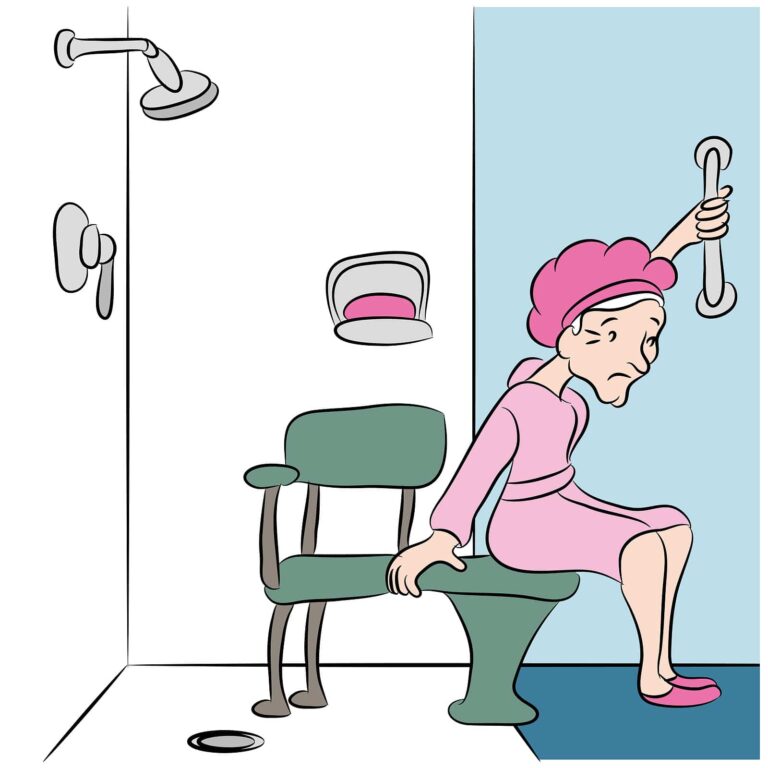
Good nutrition helps older adults protect strength, support health, prevent disease, and enjoy a more active life.
As people age, the body changes in ways that make food quality, hydration, and meal patterns more important. Appetite may decrease, medicines may affect taste, and chewing, shopping, or cooking may become harder. Understanding why is nutrition important for older adults can help families support better energy, stronger muscles, sharper thinking, and greater independence.
Why is nutrition important for older adults?
Nutrition gives the body the fuel and building blocks it needs to work well. For older adults, a balanced diet can support muscles, bones, the immune system, the brain, the heart, and the digestive tract.
Aging does not mean a person needs less nutrition. In many cases, older adults need fewer calories but more nutrients. This is sometimes called a higher nutrient density. Each meal should provide useful nutrients without relying mostly on sugar, salt, or highly processed foods.
Understanding why is nutrition important for older adults also means looking beyond weight. A person can have a normal body weight and still lack protein, vitamin B12, vitamin D, calcium, or other key nutrients.
Nutrition may help older adults:
• Maintain muscle and physical strength
• Support bone health and balance
• Protect the immune system
• Keep the heart and blood vessels healthy
• Support memory and mental focus
• Improve bowel regularity
• Heal wounds and recover from illness
• Maintain energy for daily tasks
• Reduce the risk of falls and frailty
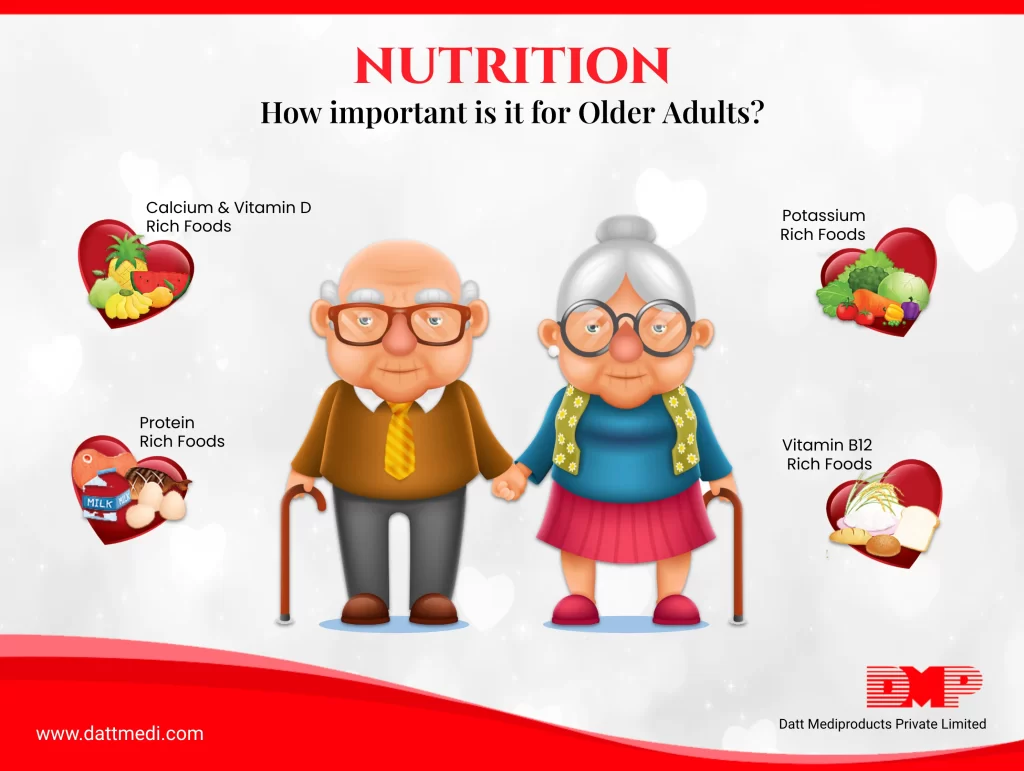
How aging changes nutritional needs
The body changes with age, and these changes can affect eating habits. Some adults produce less saliva, which can make dry foods hard to swallow. Changes in taste and smell may also make familiar meals seem bland.
Dental problems, poorly fitting dentures, and pain can further limit food choices. Someone may stop eating vegetables, meat, apples, or nuts because they are difficult to chew. Over time, this can reduce protein, fiber, vitamins, and minerals.
The digestive system may also move more slowly. This can contribute to constipation, especially when a person drinks less water or takes certain medicines. Lower activity levels may add to the problem.
Common age-related factors include:
• Lower appetite or early fullness
• Less thirst, which raises the risk of dehydration
• Trouble chewing or swallowing
• Reduced ability to shop or cook
• Changes in taste and smell
• Medication side effects
• Chronic health conditions
• Grief, loneliness, or depression
• Limited income or food access
These factors explain why is nutrition important for older adults in daily life. Healthy eating is not only about knowing what to eat. It is also about making food safe, affordable, enjoyable, and easy to manage.

Key nutrients older adults need
A healthy eating plan should include a mix of protein, whole grains, fruits, vegetables, healthy fats, and fluids. Needs vary by health status, activity level, medications, and medical advice.
Protein for muscle strength
Muscle loss becomes more common with age. This condition, often called sarcopenia, can make walking, climbing stairs, and getting out of a chair harder.
Protein helps maintain and repair muscle tissue. Good choices include:
• Eggs
• Fish and seafood
• Chicken or turkey
• Lean beef
• Greek yogurt
• Milk and fortified soy milk
• Beans and lentils
• Tofu and tempeh
• Cottage cheese
• Nuts and seeds
Adding protein to each meal can be easier than eating most of it at dinner. For example, a person might have yogurt at breakfast, beans at lunch, and fish or tofu at dinner. A registered dietitian can suggest the right amount, especially for people with kidney disease.
Calcium and vitamin D for bones
Calcium helps maintain bones and teeth. Vitamin D helps the body absorb calcium and supports muscle function. Together, these nutrients may help reduce the risk of weak bones and fractures.
Food sources include:
• Milk, yogurt, and cheese
• Fortified plant milks
• Canned salmon or sardines with bones
• Calcium-set tofu
• Kale, bok choy, and other leafy greens
• Eggs and fatty fish for vitamin D
Some older adults may need supplements. However, supplements can interact with medicines or provide too much of a nutrient. A health professional should review them first.
Fiber for digestion and heart health
Fiber supports regular bowel movements and may help control blood sugar and cholesterol. It also helps people feel full after meals.
High-fiber choices include oats, beans, berries, pears, vegetables, whole grain bread, brown rice, and potatoes with the skin. Increase fiber slowly and drink enough fluid to reduce gas or constipation.
Vitamin B12 for blood and nerve health
Vitamin B12 helps form red blood cells and supports the nervous system. Some older adults absorb less B12 from food because stomach acid levels may decline. Certain medicines may also affect B12 levels.
B12 is found in fish, meat, eggs, dairy products, and fortified cereals. People who follow a vegan diet may need a fortified food or supplement plan.
Healthy fats for the brain and heart
Unsaturated fats support heart health when they replace saturated fats. Sources include olive oil, avocados, walnuts, almonds, chia seeds, and fatty fish such as salmon.
A practical approach is to use olive oil instead of butter most of the time and include fish twice a week when possible. Food traditions can fit this plan, from salmon and brown rice to bean stews, vegetable curries, or Mediterranean-style meals.

Nutrition, immunity, and disease prevention
Good nutrition does not guarantee that an older adult will avoid illness. Still, it gives the immune system the materials it needs to respond to infections and recover from stress.
Fruits and vegetables provide vitamins, minerals, fiber, and plant compounds. Protein supports tissue repair. Zinc, iron, vitamin A, vitamin C, vitamin D, and other nutrients all play roles in normal immune function.
Nutrition may also support the management of common health conditions. For example:
• A lower-sodium pattern may help some people manage high blood pressure.
• More fiber may support heart health and blood sugar control.
• Balanced carbohydrates may help people with diabetes.
• Adequate protein may support recovery after surgery or illness.
• Enough calcium and vitamin D may support bone health.
Food should not replace prescribed treatment. Older adults with diabetes, heart disease, kidney disease, cancer, or swallowing problems need advice tailored to their condition.
This is another reason why is nutrition important for older adults: food choices can work alongside medical care. They should not be used as a cure or as a reason to stop prescribed medicine.

The link between nutrition and independence
Strength, balance, and energy affect a person’s ability to live independently. A nutritious diet supports these abilities by helping maintain muscle, bone, and brain function.
Consider a simple example. An older adult who skips meals may feel weak while walking. Weakness can lead to less activity, which can cause more muscle loss. This cycle may increase the risk of falls and make everyday tasks more difficult.
Regular meals can help break that cycle. A breakfast of oatmeal with milk and berries, a lunch with beans and vegetables, and a dinner with fish, potatoes, and greens can provide steady fuel.
A practical lesson from helping families plan meals is that small changes often work better than a complete diet overhaul. Adding one protein food, one fruit, and one glass of water is more realistic than demanding a perfect menu overnight.

Warning signs of poor nutrition
Malnutrition means the body is not receiving enough energy or nutrients. It can involve undernutrition, nutrient shortages, or, in some cases, excess intake of low-nutrient foods.
Warning signs may include:
• Unplanned weight loss
• Loose clothing or reduced muscle size
• Ongoing tiredness or weakness
• Poor wound healing
• Frequent illness
• Dizziness or dehydration
• Loss of appetite
• Trouble chewing or swallowing
• Confusion or reduced concentration
• Less interest in favorite activities
One sign does not prove malnutrition. However, several signs deserve prompt attention. A doctor, nurse, or registered dietitian can check weight trends, eating patterns, medicines, and possible medical causes.
Family members should avoid shame or pressure. Saying “You need to eat more” may not solve the problem. A kinder approach is to ask, “What foods sound good today?” or “Would a softer meal be easier?”

Common barriers to healthy eating
Knowing why is nutrition important for older adults is only the first step. Many older adults face real barriers that make healthy eating difficult.
Low appetite
Small meals may feel easier than three large meals. Nutritious snacks, such as yogurt, cheese, hummus, fruit, or a peanut butter sandwich, can add needed calories and protein.
Limited money
Frozen vegetables, canned beans, oats, eggs, and store-brand foods can be affordable choices. Compare unit prices and plan meals around sales. When food access is limited, local senior meal programs and community food resources may help.
Difficulty cooking
Batch cooking can reduce daily work. A family member can prepare soup, chili, cooked grains, or roasted vegetables in portions. Grocery delivery and meal services may also help.
Dental or swallowing problems
Soft foods may be easier to manage. Try scrambled eggs, tender fish, oatmeal, mashed beans, yogurt, soups, and smoothies. Anyone with coughing, choking, or a wet voice during meals should receive a swallowing assessment.
Loneliness
Meals are often more enjoyable with company. Sharing food with family, friends, neighbors, or a community dining group may improve interest in eating.
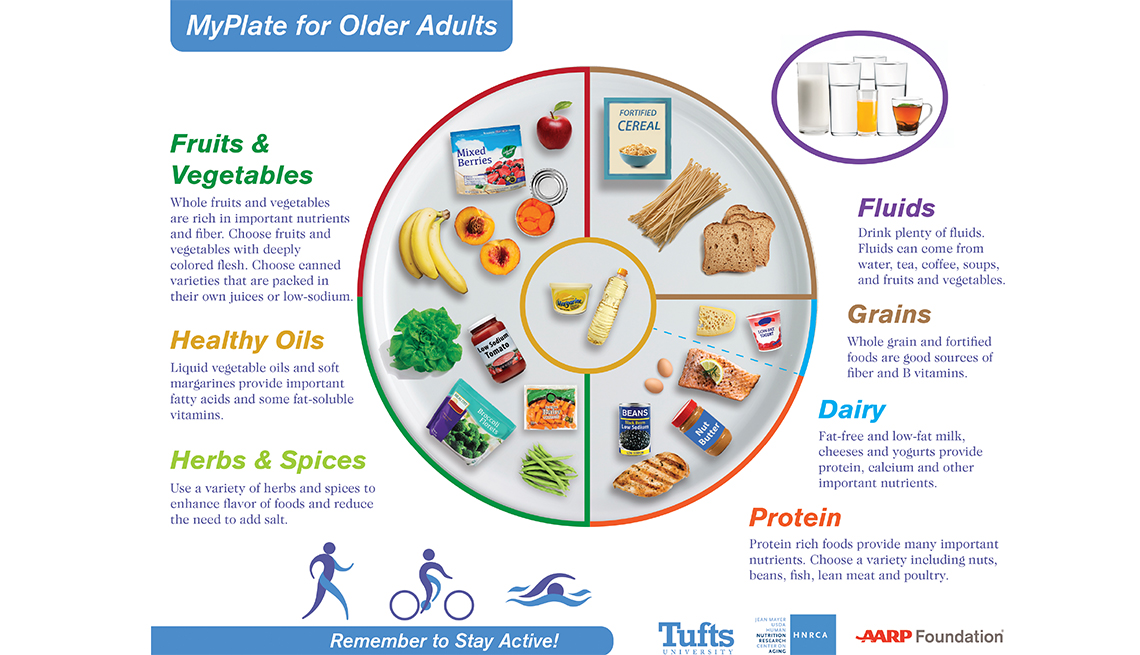
How to build a balanced meal plan
A simple plate method can make healthy eating less confusing. Aim to include:
• Half the plate from vegetables or fruit
• One-quarter from protein
• One-quarter from whole grains or another nourishing carbohydrate
• A source of healthy fat
• Water or another suitable drink
This method can fit many cultures and budgets. For example, a meal might include chicken, brown rice, beans, cooked greens, and avocado. Another option could be tofu, whole grain noodles, steamed vegetables, and sesame seeds.
Helpful habits include:
- Plan meals for the week.
- Keep easy foods in reach.
- Add protein to breakfast and snacks.
- Drink fluids at regular times.
- Choose soft or chopped foods when chewing is hard.
- Check food labels for sodium and added sugar.
- Review supplements and medicines with a health professional.
- Track weight or appetite changes when illness occurs.
Do not force a strict diet without medical guidance. Excess restrictions can make eating stressful and may increase the risk of nutrient shortages.
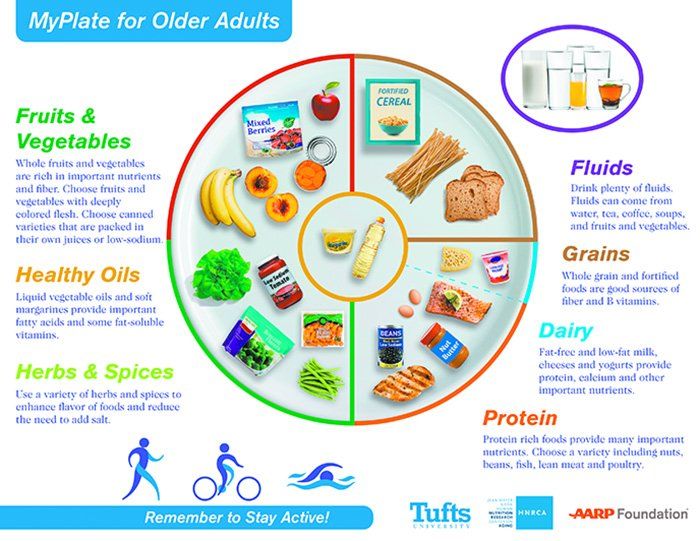
Hydration matters as much as food
Many older adults do not feel thirsty even when their body needs fluid. Dehydration can contribute to dizziness, constipation, confusion, urinary problems, and weakness.
Water is a good choice, but soups, milk, fruit, yogurt, and water-rich vegetables also provide fluid. People with heart failure, kidney disease, or another condition that limits fluids should follow their clinician’s advice.
A simple routine may help:
• Drink with each meal.
• Keep a cup or bottle nearby.
• Take small sips through the day.
• Drink more during hot weather or illness if medically safe.
• Use reminders when needed.
Dark urine, dry mouth, unusual tiredness, and dizziness can be warning signs. Severe confusion, fainting, or inability to keep fluids down requires urgent medical care.
Mistakes to avoid when improving nutrition
Some well-meaning approaches can create new problems. Avoid making sudden, strict changes without considering the person’s health, culture, preferences, and ability to follow the plan.
Common mistakes include:
• Focusing only on calories instead of nutrient quality
• Assuming a normal weight means nutrition is adequate
• Giving supplements without checking medications
• Offering large portions to someone with a small appetite
• Ignoring dental pain or swallowing trouble
• Removing too many foods at once
• Treating food as a replacement for medical care
• Forgetting enjoyment and social connection
The best plan is one the older adult can follow safely and enjoy. A dietitian can help balance medical needs with taste, budget, culture, and daily routine.
Frequently Asked Questions About Why Is Nutrition Important for Older Adults
Why is nutrition important for older adults with a low appetite?
Nutrition is important because low appetite can lead to weight loss, muscle loss, weakness, and nutrient shortages. Small, frequent meals with protein and healthy calories may be easier than three large meals.
How much protein does an older adult need?
Protein needs vary with body size, activity, health, and kidney function. Many older adults benefit from including a protein food at each meal, but a doctor or registered dietitian should recommend a personal target.
What are the best foods for older adults?
The best foods include vegetables, fruit, beans, whole grains, fish, eggs, lean meats, dairy or fortified alternatives, nuts, seeds, and healthy oils. Soft versions may be better for people with dental or swallowing concerns.
Why is nutrition important for older adults who live alone?
Eating alone can reduce motivation and may lead to skipped meals. Shared meals, prepared foods, community dining, and regular check-ins can support both nutrition and emotional well-being.
Can nutrition prevent falls in older adults?
Nutrition cannot prevent every fall, but it can support muscle, bones, balance, and energy. Adequate protein, vitamin D, calcium, fluids, and regular movement may help reduce some risk factors.
Should older adults take a daily multivitamin?
A multivitamin may help in some cases, but it is not a substitute for balanced meals. Older adults should review supplements with a health professional because some products can interact with medicines or provide excessive nutrients.
Conclusion
Nutrition is important for older adults because it supports strength, immunity, bones, heart health, digestion, brain function, and independence. Aging can bring barriers such as low appetite, dental problems, medication effects, limited income, and loneliness, but small changes can make meals easier and more nourishing.
Start with one practical step today: add protein to breakfast, keep water nearby, or prepare a soft fruit and vegetable option. If weight loss, weakness, or swallowing problems appear, seek help from a doctor or registered dietitian. Explore trusted nutrition resources, share this guide with a caregiver, and leave a comment about the meal strategies that work best for your family.

Michael Reynolds is a senior contributor at RetirementGazette.com, where he focuses on helping readers navigate the journey toward a secure and fulfilling retirement. With over a decade of experience in personal finance, retirement planning, and lifestyle writing, Michael combines practical strategies with easy-to-understand guidance tailored for both pre-retirees and those already enjoying their golden years.