
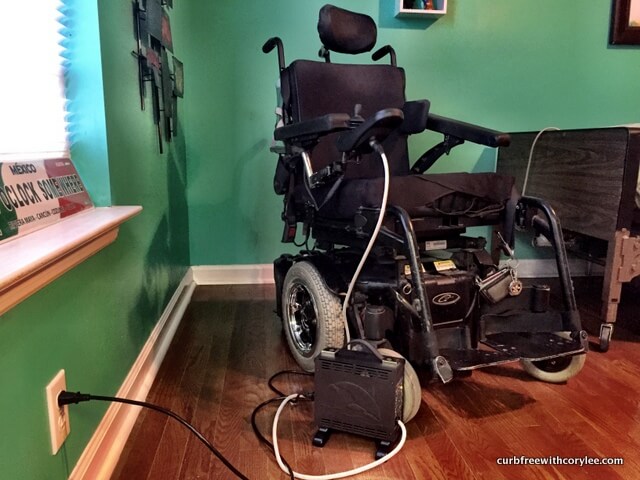
Use the wheelchair’s original charger; plug into a grounded outlet, connect to the chair, and charge until full.
I’ve spent years helping users and caregivers with mobility devices, and I know how small steps add up to safer, longer battery life. This guide explains how to charge an electric wheelchair clearly and safely. You’ll get practical steps, battery basics, safety tips, troubleshooting, and real-world advice I learned on the job. Read on to learn how to charge an electric wheelchair the right way and avoid common mistakes.
Why proper charging matters
Charging correctly keeps your wheelchair reliable. It also protects the battery and avoids unexpected power loss.
Proper charging reduces battery wear. A well-charged battery holds range and performs better on ramps and uneven surfaces.
Incorrect charging can shorten battery life or damage the battery. It can also create safety risks like overheating.
Follow good charging habits to save money on replacements and to keep your wheelchair ready when you need it.

Understanding electric wheelchair batteries
Most electric wheelchairs use sealed lead-acid (SLA) or lithium batteries. Each type has different care needs.
SLA batteries are heavier and need full charge cycles and moderate temperatures. They tolerate lower cost but require more maintenance.
Lithium batteries are lighter and charge faster. They often have built-in battery management systems and longer lifespan.
Key battery specs to know:
- Voltage: Matches the wheelchair motor system, usually 12V, 24V, or 36V.
- Amp-hour (Ah): Indicates capacity and directly affects range.
- Charger rating: Measured in amps; determines charging speed.
Knowing these specs helps you match chargers and set expectations for how to charge an electric wheelchair.
How to charge an electric wheelchair — step-by-step
-
Check the manual and battery label.
- Confirm the correct charger and recommended charging times.
- Using the wrong charger can damage the battery.
-
Turn off the wheelchair.
- Power the unit down before connecting the charger to avoid electrical spikes.
-
Inspect charger and battery connectors.
- Look for frayed wires, corrosion, or loose plugs.
- Clean connectors gently if needed.
-
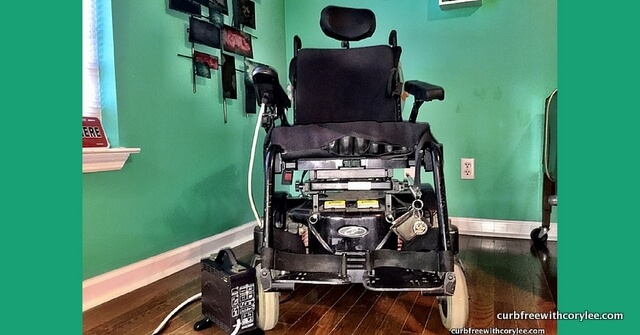
Plug the charger into a grounded wall outlet first.
- Then connect the charger to the wheelchair’s charging port.
- This sequence helps prevent sparks and electrical damage.
-
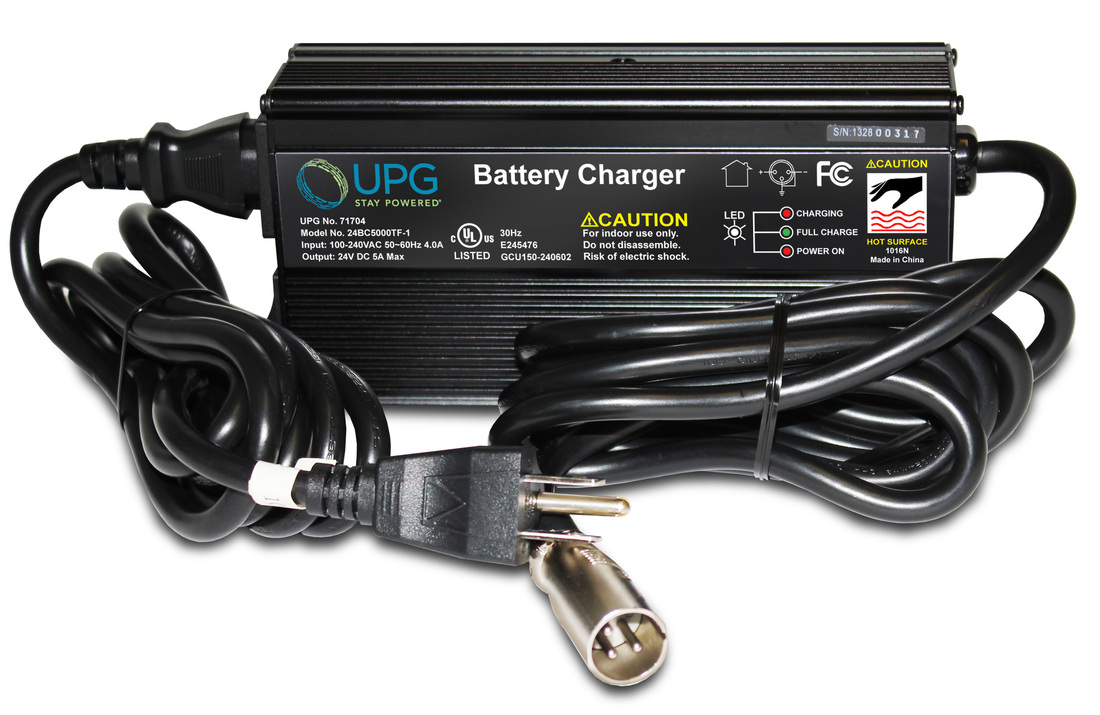
Monitor the charger indicator lights.
- Most chargers show charging and fully charged states with LED lights.
- Leave the charger connected until the light shows a full charge.
-
Unplug in the reverse order.
- Disconnect the charger from the wheelchair first, then remove it from the outlet.
-
Store the charger and wheelchair in a cool, dry place.
- Avoid extreme heat or freezing conditions that can harm battery life.
How long to charge
- Typical full charge times range from 4 to 12 hours depending on battery type and charger amperage.
- For daily top-ups, 2–4 hours may restore useful range without overcharging.
Personal tip: I usually charge overnight but unplug within 12 hours for SLA batteries. For lithium batteries, brief overnight charging is safe when using the original charger.

Common quick questions (PAA-style)
How often should I charge my electric wheelchair?
Charge after each long use or at least once per day for frequent users. For occasional users, charge weekly and top up before outings.
Can I leave my wheelchair on the charger all the time?
Avoid leaving SLA batteries constantly on charge. Lithium batteries with smart charging can handle longer connection, but follow manufacturer advice.
Will charging more often hurt battery life?
Regular top-ups are fine and often better than deep discharges. Avoid full discharges for lead-acid batteries.
Charging safety tips and best practices
Always use the original or manufacturer-approved charger. Third-party chargers can be unsafe.
Charge on a nonflammable surface in a well-ventilated area. Keep chargers away from curtains, bedding, and small children.
Avoid charging in extreme temperatures. Ideal range is usually 50°F to 77°F (10°C to 25°C).
Keep connectors dry. Moisture can cause short circuits and corrosion.
Do not attempt to repair batteries unless you’re trained. Swap damaged batteries through a certified technician or supplier.
Label chargers if you manage multiple wheelchairs. This prevents accidental mismatches.
Troubleshooting common charging problems
Charger LED shows no lights
- Check the wall outlet with another device.
- Inspect the charger fuse or cable for damage.
Charging but range drops quickly
- Battery may be aged or sulfated. Consider professional testing.
- Check tire pressure and wheelchair load; both impact range.
Charger gets hot
- Some warmth is normal. If very hot, unplug and have the charger inspected.
Intermittent charging or loose connection
- Clean ports and connector pins carefully.
- Replace corroded connectors.
Battery won’t charge at all
- Test battery voltage with a multimeter. If voltage is very low, battery replacement may be needed.
Personal note: I once missed a corroded pin that caused intermittent charging. Cleaning and replacing the terminal fixed the issue and avoided a costly battery swap.
Maintenance tips to extend battery life
Follow a regular charging schedule. Consistent habits outperform random charging.
Avoid deep discharges for SLA batteries. Recharge before the battery drops below 50% whenever possible.
Balance storage and use. If storing a wheelchair long-term, keep the battery at partial charge (around 40–60%) and recharge every 1–2 months.
Keep contacts clean and tight. Corrosion increases resistance and heat.
Replace batteries as a pair when needed. Mixing old and new batteries reduces performance and can cause premature failure.
Monitor battery performance. Note changes in range or charge time; early detection helps plan replacements.

Frequently Asked Questions
How long does it take to fully charge an electric wheelchair?
Most electric wheelchairs take 4–12 hours to fully charge depending on battery type and charger amperage. Faster chargers reduce time but follow manufacturer limits.
Can I use a car inverter to charge my wheelchair?
Using a car inverter is possible but risky without proper specs. Use a properly rated inverter and the original charger to avoid damage.
Is it safe to charge the wheelchair overnight?
Charging overnight is generally safe if you use the original charger and the battery type supports it. Avoid constantly leaving SLA batteries connected for days.
How do I know if my battery needs replacement?
If range drops significantly, charging time increases, or the battery fails voltage tests, it likely needs replacement. Professional testing confirms this.
Can extreme weather affect charging?
Yes. High heat can reduce battery life, and very cold temperatures can cut available range. Charge and store batteries in moderate, stable temperatures.
Should I disconnect the battery during long storage?
For long storage, charge to about 40–60% and check monthly. Disconnecting can be safe, but follow manufacturer guidance for your model.
Conclusion
Proper charging keeps your electric wheelchair dependable and your batteries healthy. Use the original charger, follow safe steps, and develop steady charging habits to extend battery life and avoid surprises. Start by checking your manual, inspecting cables, and setting a simple daily routine. Take action today: review your charger, set reminders to charge, and schedule a battery check if you notice reduced range. If this guide helped, consider sharing your experience or asking a question below.

Michael Reynolds is a senior contributor at RetirementGazette.com, where he focuses on helping readers navigate the journey toward a secure and fulfilling retirement. With over a decade of experience in personal finance, retirement planning, and lifestyle writing, Michael combines practical strategies with easy-to-understand guidance tailored for both pre-retirees and those already enjoying their golden years.