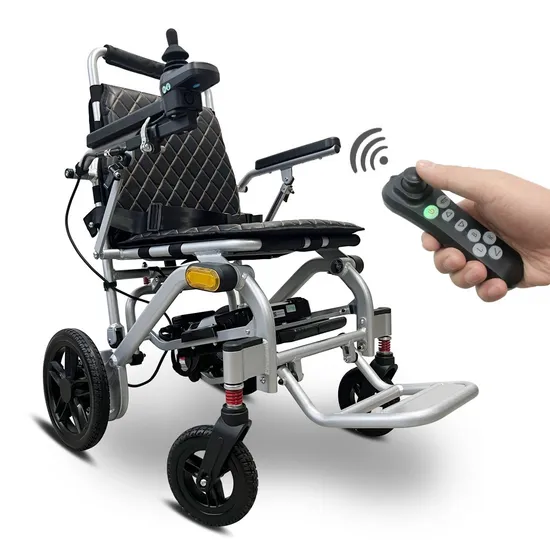
Ship an electric wheelchair by preparing, packing, declaring the battery, choosing the right carrier, and insuring it.
I’ve spent years arranging safe moves for mobility equipment, so you’re in good hands. This guide on how to ship an electric wheelchair walks you through every step. You’ll learn how to prepare the wheelchair, pack it securely, follow battery rules, pick the right carrier, estimate cost and time, and handle delivery. Read on for clear, practical steps and real-world tips that save time and prevent damage.

Preparing to ship an electric wheelchair
Start with a checklist. Remove loose parts and accessories. Gather the owner’s manual, model number, and serial number. Measure length, width, height, and weight. Carriers price shipments by size and weight, so accurate numbers matter.
Inspect the wheelchair for damage. Take photos from multiple angles. Photos help with claims if damage occurs. Note any wear or prior issues in writing.
Deal with batteries first. Many electric wheelchairs use sealed lead acid or lithium-ion batteries. Each battery type has specific shipping rules and may need removal, testing, or special packaging.
Confirm warranty and service terms. Some warranties require dealer-approved transport methods. Call the manufacturer or dealer if you are unsure about any restrictions.
I once shipped a power chair for a client and learned the hard way to remove a joystick cover. The chair arrived with scuffs because a small part rubbed during transit. Small prep steps avoid big headaches.

Packing steps: protect the frame, electronics, and battery
Gather materials before you start:
- Sturdy wooden crate or double-walled corrugated box sized to the chair
- Foam padding, moving blankets, or bubble wrap
- Packing tape and stretch wrap
- Corner protectors and blocking material
- Cable ties and plastic bags for small parts
- Crate screws or strapping for freight
Step-by-step packing:
- Power down and disconnect the battery if removable. Label the battery and keep manufacturer info.
- Remove or fold down footrests, headrests, and armrests. Wrap them separately.
- Lock the wheels or use wheel chocks. Secure moving parts with tape or ties.
- Wrap the frame and electronics in foam or blankets. Protect the joystick and display.
- Place the chair in the box or crate. Add blocking to prevent movement. Fill gaps with foam or paper.
- For crates, screw the top closed and add internal straps for extra hold. For boxes, use heavy-duty tape and corner protectors.
- Label the package clearly with “Heavy,” “Fragile,” and “This Side Up.” Add contact info and equipment details.
A solid crate is best for long hauls or freight shipping. I have shipped a chair cross-country in a wooden crate and it arrived undamaged. Investing in good packing pays off.

Choosing a carrier and service for shipping an electric wheelchair
Match the chair’s size, battery type, and route to the carrier:
- Parcel carriers: Good for small, disassembled chairs with non-hazardous batteries. Check size limits and battery rules.
- Freight carriers: Best for full-size power chairs. They handle pallets and crates and offer lift-gate service.
- White-glove or medical transport: Ideal for fragile equipment and in-home delivery or assembly.
- Specialized mobility shippers: Focused on medical devices and often know hazardous battery rules.
Get quotes from multiple carriers. Provide weight, dimensions, battery type, and the crate type. Ask about terminal pickup vs door-to-door options. Compare transit times and handling levels.
Request and confirm the following:
- Hazardous materials handling for batteries
- Lift-gate or curbside delivery details
- Delivery appointment and signature requirements
- Damage claim process and expected transit insurance limits
From my experience, calling a carrier’s hazmat desk gives clearer answers than standard customer service. Always get confirmation in writing.

Shipping battery regulations and required documentation
Batteries are the most regulated part of shipping an electric wheelchair. Rules vary by battery chemistry and carrier, but these points apply broadly:
- Sealed lead acid (SLA) batteries: Often allowed if terminals are insulated and the battery is secured. Many carriers allow SLA if the chair is intact and battery is connected in a way that prevents movement.
- Lithium-ion batteries: Frequently considered dangerous goods. They may require removal, special packaging, labeling, and paperwork. Some carriers restrict or prohibit lithium batteries in passenger aircraft.
- Battery removal: Removing the battery reduces risk. If you remove it, protect terminals and label the battery with type, voltage, and capacity.
- Documentation: Declare battery type and capacity on the bill of lading. Fill out any required hazardous materials forms. Provide manufacturer battery info when requested.
PAA-style questions:
What happens if I ship a chair with an undeclared battery?
- The carrier can refuse shipment, return it, or impose fines. Undeclared batteries pose safety and legal risks.
Can I ship a lithium battery by ground only?
- Many carriers allow ground transport with proper declaration and packaging, but you must confirm with the carrier’s policies.
Keep records of all paperwork and correspondence. This helps with claims and compliance.

Cost, timing, and insurance when you ship an electric wheelchair
Costs depend on weight, dimensions, distance, service level, and battery handling. Freight shipments often charge by dimensional weight or pallet rates. Parcel services use weight and size tiers.
Timeframe tips:
- Ground freight: 1–7 business days for regional moves, longer cross-country.
- Economy freight: Cheaper, slower, may use terminals.
- White-glove: Faster and includes setup, but costlier.
Insurance and claims:
- Buy declared value coverage that matches the chair’s replacement cost. Standard carrier liability is often limited.
- Photograph the chair before and after packing and at delivery. Keep receipts and service records.
- Note any pre-existing issues on the shipping bill of lading.
In my work, a mid-range insurance policy saved a client from a costly replacement after transit damage. It’s a small cost for peace of mind.

Tracking, delivery, and setup at destination
Plan the delivery day. Confirm access, elevator availability, and parking for the delivery truck. Schedule a delivery appointment if needed.
At delivery:
- Inspect the crate and chair for visible damage before signing. Take photos for evidence.
- Open the crate carefully. Keep packing material for a brief period in case of claims.
- Reinstall the battery per manufacturer instructions. Charge fully and run a functional check.
- Test brakes, joystick, lights, and seating adjustments. Note any problems in writing with the carrier.
If the chair is for a loved one, walk through how to use it safely after setup. Small training reduces returns and service calls.
Common mistakes and troubleshooting when you ship an electric wheelchair
Common mistakes:
- Failing to declare battery type and capacity
- Using inadequate packaging or skipping a crate for long moves
- Not photographing pre-existing damage
- Choosing a carrier unfamiliar with mobility equipment
- Forgetting to secure small parts and accessories
Troubleshooting tips:
- Carrier delays: Contact the carrier and provide tracking plus photos. Ask for an estimated delivery window.
- Damage on arrival: Refuse delivery for severe damage and document everything. File a claim immediately.
- Battery not accepted: If a carrier rejects lithium batteries, arrange ground-only transport or use a specialist.
Learning from errors will make your next shipment smoother. I learned to always ask for a written hazmat approval when shipping lithium batteries. That small step prevented a major delay.

Frequently Asked Questions of How to ship an electric wheelchair
How do I prepare the battery before shipping an electric wheelchair?
Remove the battery if recommended by the manufacturer. Insulate terminals, label the battery, and follow carrier hazmat rules if it’s lithium-based.
Can I ship an electric wheelchair as a regular parcel?
It depends on size and battery type. Small, disassembled chairs with allowed batteries may ship by parcel; full-size power chairs usually need freight or white-glove service.
What documentation do I need when I ship an electric wheelchair?
Provide the model and serial number, battery type and capacity, and any hazardous materials declarations. Keep photos and receipts for claims.
How much does it cost to ship an electric wheelchair?
Costs vary by weight, dimensions, distance, and service level. Expect freight or white-glove to cost more than standard parcel rates.
What should I check upon delivery of an electric wheelchair?
Inspect for external damage, unpack carefully, reattach parts, and test all electronics. Photograph issues and report them to the carrier immediately.
Conclusion
Shipping an electric wheelchair is manageable when you plan ahead, follow battery rules, pack well, and choose the right carrier. Use clear photos, accurate measurements, and the right paperwork to reduce risk. Take the time to insure the chair and confirm delivery details to protect your investment. Now take these steps, get quotes, and prepare your chair for a safe trip — then share your experience or questions below to help others.

Michael Reynolds is a senior contributor at RetirementGazette.com, where he focuses on helping readers navigate the journey toward a secure and fulfilling retirement. With over a decade of experience in personal finance, retirement planning, and lifestyle writing, Michael combines practical strategies with easy-to-understand guidance tailored for both pre-retirees and those already enjoying their golden years.