
Contact a local senior center, choose a suitable role, complete screening, and attend orientation before volunteering.
Learning how to volunteer at senior center programs is a rewarding way to build community, share your skills, and brighten someone’s day. This guide explains each step, from finding the right center to setting healthy boundaries, with practical tips based on common volunteer coordinator guidance and real-world senior care needs.
Why Volunteer at a Senior Center?
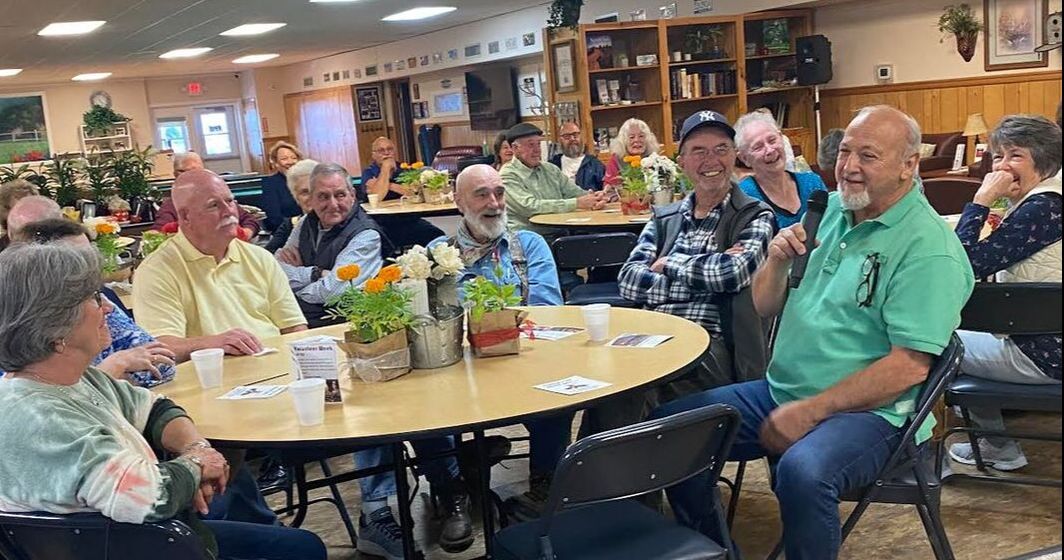
Senior centers offer social activities, meals, wellness programs, classes, transportation support, and helpful community services. Volunteers help these programs run smoothly and give older adults more chances to connect with others.
For many older adults, a friendly conversation can be as meaningful as a formal activity. A volunteer may help someone learn to use a tablet, join a card game, complete a craft, or feel welcome at lunch.
Learning how to volunteer at senior center programs can also benefit you. Common benefits include:
• Building friendships across generations
• Gaining experience in community service
• Practicing communication and teamwork
• Exploring careers in aging, health, social work, or recreation
• Supporting older adults who may feel lonely
• Strengthening your local community
Research on social connection and healthy aging shows that regular contact with others can support emotional well-being. Volunteering does not replace professional care, but it can add warmth, purpose, and companionship to daily life.

How to Find a Senior Center That Needs Volunteers
Start by looking for senior centers in your city, county, or neighborhood. Many centers are operated by local governments, nonprofit groups, religious organizations, or community agencies.
Useful places to search include:
• City and county government websites
• Local aging services directories
• Community centers and libraries
• Volunteer matching websites
• Faith-based organizations
• Area Agencies on Aging
• Local hospitals and health networks
• Neighborhood social media groups
Search online for phrases such as “senior center volunteer opportunities near me” or “how to volunteer at senior center.” Then check the center’s website for a volunteer page, contact form, or staff directory.
If you cannot find clear information online, call the center. Ask for the volunteer coordinator, activities director, or program manager. A short phone call is often faster than waiting for an email.
Before choosing a center, consider:
• Distance from your home
• Public transportation or parking
• Volunteer hours
• Required training
• Physical demands
• Minimum age rules
• Background check policies
• The types of older adults served
A center that looks perfect online may not fit your schedule or comfort level. Ask questions early so you can choose a role that feels safe and realistic.

Contact the Volunteer Coordinator
The volunteer coordinator is usually the best person to explain available roles and requirements. You do not need a perfect résumé or special title to make contact. Be polite, clear, and honest about your experience.
You can use this sample email:
Hello, my name is [Your Name]. I am interested in volunteering at your senior center. I am available [days and times], and I would enjoy helping with [activities, meals, technology, transportation support, or conversation]. Could you please tell me about your current volunteer opportunities and application process? Thank you.
You can also use this simple phone script:
Hi, I’m calling because I’d like to volunteer with older adults. Could I speak with the person who manages volunteers?
During the first conversation, ask:
• What volunteer roles are available?
• What days and times are needed?
• Is training required?
• Is a background check required?
• Are there age restrictions?
• Do volunteers need health records or immunizations?
• Are volunteers allowed to provide transportation?
• What tasks are physical?
• Who should volunteers contact if they cannot attend?
Strong communication at the start prevents confusion later. It also shows respect for the center’s time and policies.

Choose the Right Volunteer Role
Senior centers need help with many tasks. The best role depends on your interests, skills, schedule, and comfort level.
Social and companionship roles
You may welcome visitors, talk with members, play games, or join group activities. These roles are a good fit if you enjoy listening and making people feel included.
A conversation does not need to be deep or long. Asking about a favorite recipe, hometown, sport, book, or song can open the door to connection.
Activity assistance
Volunteers may help with:
• Arts and crafts
• Board games
• Exercise classes
• Music programs
• Dance events
• Gardening
• Book clubs
• Educational workshops
• Holiday gatherings
You may set up supplies, explain instructions, clean tables, or encourage participation. Follow the instructor’s directions rather than creating your own health or exercise plan.
Meal service
Meal programs often need help with preparation, serving, table setup, and cleanup. You may also welcome guests or help record attendance.
Food safety matters. Wash your hands, follow temperature rules, wear gloves when required, and tell staff about allergies or spills. Never give food to a participant if you are unsure whether it meets their dietary needs.
Technology support
Many senior centers offer help with phones, tablets, email, video calls, and online services. You can teach basic steps in a calm way.
Avoid taking control of someone’s private account. Let the person enter passwords and payment details. Your role is to teach, not to access personal information.
Office and administrative support
You may help with filing, copying, phone calls, registration, newsletters, or event preparation. This is useful if you prefer organized tasks or have limited time for direct interaction.
Transportation support
Some programs need drivers or ride assistants. This role often has stricter rules, such as a valid license, insurance, vehicle checks, driving records, and background screening.
Never drive older adults for a center unless the organization has approved you for that specific task. Personal transportation creates safety, insurance, and liability concerns.

Complete the Application and Screening Process
Most centers use an application to learn about your interests, availability, experience, and emergency contact. Some roles may require more screening than others.
Possible requirements include:
• Volunteer application
• Interview
• Identity verification
• Criminal background check
• Driving record check
• References
• Orientation
• Confidentiality agreement
• Health screening
• Proof of insurance for driving roles
Requirements vary by location and role. A person helping at a craft table may face different screening rules than a volunteer driving passengers.
Answer application questions honestly. If you have concerns about your history, speak privately with the coordinator. Some organizations review applications individually, and a past mistake does not always prevent service.
You may also need to sign policies about:
• Privacy
• Harassment
• Abuse reporting
• Infection control
• Emergency response
• Social media
• Professional conduct
Take these policies seriously. Older adults may share private health, family, or financial information. Treat that information like a locked box: handle it carefully, and do not open it for others.
Attend Orientation and Training
Orientation helps you understand the center’s rules, layout, staff structure, and emergency procedures. Do not skip it, even if you have volunteered elsewhere.
Training may cover:
• How to greet and assist participants
• Dementia awareness
• Disability etiquette
• Fall prevention
• Infection prevention
• Emergency exits
• Incident reporting
• Confidentiality
• Abuse and neglect reporting
• Boundaries with participants
• Communication with staff
You are not expected to diagnose illness, provide medical treatment, or solve every problem. Your job is to notice concerns and report them to the correct staff member.
Ask questions during training. For example:
• What should I do if someone falls?
• Who should I call during a medical emergency?
• What if a participant becomes upset?
• How do I report suspected abuse?
• Can I accept gifts?
• May I contact participants outside the center?
• What should I do if someone asks for money?
Clear answers protect both volunteers and older adults. Federal aging guidance emphasizes safety, dignity, independence, and the right of older adults to make informed choices.
Prepare for Your First Volunteer Shift
Your first shift may feel awkward. That is normal. You are entering a familiar space for the participants, so take time to observe before trying to change anything.
Before you arrive:
• Confirm the date and start time
• Learn where to park or enter
• Wear clean, comfortable clothing
• Choose closed-toe shoes if you will stand or move supplies
• Bring required identification
• Avoid strong fragrances
• Keep your phone on silent
• Review the center’s policies
Arrive about 10 to 15 minutes early. Introduce yourself to the staff member in charge and ask where you should begin.
A simple greeting works well:
Hi, I’m [Your Name]. This is my first shift. Where would you like me to help today?
During the shift, watch how staff interact with participants. Notice their pace, language, and approach. Older adults are not a single group. Some may want conversation, while others prefer privacy.
One practical lesson from volunteer programs is that rushing often causes more problems than inexperience. Give people time to respond, move, or make choices. A calm pace can make the center feel more welcoming.
Communicate Respectfully With Older Adults
Good communication is the heart of senior center volunteering. Speak to older adults as adults, not as children.
Helpful habits include:
• Use the person’s preferred name
• Speak clearly without shouting
• Face the person when talking
• Ask before helping with movement or equipment
• Listen without interrupting
• Allow extra time for replies
• Use plain language
• Include the person in decisions
Avoid terms such as “sweetie,” “dear,” or “young lady” unless the person has clearly welcomed them. Avoid baby talk, even when someone has hearing loss or memory problems.
If a participant has dementia, remain calm and avoid arguing over small details. Redirect the conversation when needed. If the person seems frightened, confused, or unsafe, notify staff.
For people with hearing loss, reduce background noise and face them while speaking. For people with vision loss, identify yourself and explain where objects are. For wheelchair users, ask before touching the chair.
Respect is not a special extra. It is the foundation of helpful service.
Set Healthy Boundaries
Volunteers can become close to participants, especially when they visit regularly. Friendly relationships are valuable, but boundaries protect everyone.
Keep these rules in mind:
• Do not lend or borrow money
• Do not accept expensive gifts
• Do not share private contact details without permission from the center
• Do not provide personal medical advice
• Do not promise secrecy about safety concerns
• Do not use a participant’s bank card or password
• Do not post photos without written permission
• Do not transport someone in your personal car without approval
• Do not provide intimate personal care unless trained and authorized
If someone asks for help outside your role, respond kindly:
I’m not allowed to handle that, but I can ask a staff member to help you.
This response is respectful and clear. It also prevents a small favor from becoming an unsafe expectation.
Report concerns to staff rather than investigating them yourself. Signs such as unexplained injuries, fear, poor hygiene, missing money, or sudden behavior changes may have many causes, but staff should know about them.
Make Your Volunteer Service Reliable
Senior centers plan activities around available staff and volunteers. Reliability is one of the most valuable qualities you can offer.
Choose a schedule you can keep. If you are available only twice a month, say so. A smaller promise that you keep is better than a large promise that you cannot maintain.
If you need to cancel:
-
Contact the center as soon as possible.
-
Speak with the coordinator or follow the center’s call-out process.
-
Give a clear reason without oversharing.
-
Ask whether you need to reschedule.
-
Return to your regular schedule when you are ready.
Keep brief notes about your hours and tasks if the center does not track them. These records can help with school service requirements, job applications, or personal goals.
After several shifts, ask for feedback. You might say:
Is there anything I could do differently to support the participants or staff better?
A thoughtful coordinator may suggest a new role or additional training. Feedback is not criticism; it is a map for improvement.
Understand the Benefits and Limits
Volunteering at a senior center can offer meaningful benefits, but it also has limits. It may help reduce isolation for some participants, yet it cannot replace therapy, nursing care, transportation systems, or family support.
Possible challenges include:
• Emotional conversations
• Confusing or busy environments
• Physical fatigue
• Exposure to illness
• Schedule changes
• Difficult family situations
• Participants who need more help than you can provide
Be honest about your limits. If you are uncomfortable with grief, dementia, personal care, or mobility support, ask for another role. There is no shame in choosing a task that matches your abilities.
Volunteers should also protect their own health. Follow infection control rules, stay home when sick, and ask about lifting limits. Never lift a person unless you are trained and authorized to do so.
A senior center should provide supervision and clear procedures. If a program expects volunteers to perform unsafe tasks without training, consider raising the concern or choosing another organization.
How to Volunteer at Senior Center Programs as a Student
Students often volunteer to meet service goals, explore careers, or gain experience with older adults. Start early because applications, interviews, and background checks may take time.
Good student roles include:
• Helping with games and crafts
• Reading aloud
• Supporting computer classes
• Assisting with events
• Organizing supplies
• Recording oral histories with permission
• Helping with newsletters
• Supporting meal programs
Ask the center whether it offers school verification forms. Track your dates, hours, supervisor’s name, and duties.
Students should never record or share participant stories, photos, or videos without approval. A meaningful conversation may still be private. Protecting dignity matters more than creating content for social media.
How to Volunteer at Senior Center Programs With Special Skills
Your personal skills may fill a real need. Tell the coordinator what you enjoy, but remain open to basic tasks.
You might offer:
• Music or singing
• Art instruction
• Gardening
• Language translation
• Tax preparation support
• Exercise assistance
• Resume or job coaching
• Technology lessons
• Sewing or knitting
• Public speaking
• Event planning
If your skill involves health, law, finance, or fitness, ask about credentials and supervision. Do not provide professional services beyond the role approved by the organization.
A useful approach is to offer a small trial activity. For example, propose a 30-minute beginner phone class instead of a year-long program. This lets staff and participants decide whether it works.
Common Mistakes to Avoid
Knowing what not to do is an important part of learning how to volunteer at senior center programs.
Avoid these common mistakes:
• Arriving late without calling
• Assuming every older adult needs help
• Speaking only to staff instead of participants
• Giving unwanted advice
• Sharing personal stories for too long
• Using nicknames without permission
• Taking photos without approval
• Promising to visit when you are unsure
• Trying to handle medical or family problems alone
• Ignoring infection control rules
• Treating a volunteer role like a personal business opportunity
One mistake can be fixed with honesty. Apologize, learn the policy, and change your behavior. Staff usually value volunteers who accept guidance and improve.
Frequently Asked Questions About How to Volunteer at Senior Center
What qualifications do I need to volunteer at a senior center?
Many senior centers do not require special qualifications for basic roles such as greeting guests, serving meals, or helping with activities. You may need an application, orientation, background check, or references depending on the position.
How old do you have to be to volunteer at a senior center?
Age rules vary by organization. Some centers accept teens with parental permission, while others require volunteers to be 18 or older for transportation, personal care, or independent duties.
Can I volunteer at a senior center if I have no experience?
Yes. Many centers provide training and match new volunteers with simple, supervised tasks. A caring attitude, patience, reliability, and willingness to learn are often more important than previous experience.
How much time do I need to volunteer?
Schedules vary from occasional events to weekly shifts. Ask about minimum hours, then choose a commitment you can maintain without stress.
Can I volunteer with older adults who have dementia?
Some centers welcome volunteers in dementia programs, but training may be required. Follow staff instructions, use calm communication, and report safety concerns instead of trying to manage difficult situations alone.
Do senior center volunteers receive payment?
Most senior center volunteers serve without pay, although some programs may offer small stipends, transportation support, meals, or service awards. Ask the coordinator what the specific program provides.
Can I bring my children or pet while volunteering?
Only do so with advance approval. Children and pets may be welcome at certain events, but privacy, allergies, insurance, and safety rules may limit access.
Conclusion
Learning how to volunteer at senior center programs starts with one simple action: contact a local center and ask how you can help. Choose a role that fits your time and skills, complete the required screening, attend orientation, and treat every participant with patience and respect.
Reliable volunteers do not need to have all the answers. They need to listen, follow safety rules, respect boundaries, and show up with care. Contact a nearby senior center this week, explore its volunteer options, and take the first step toward making your community more connected.

Michael Reynolds is a senior contributor at RetirementGazette.com, where he focuses on helping readers navigate the journey toward a secure and fulfilling retirement. With over a decade of experience in personal finance, retirement planning, and lifestyle writing, Michael combines practical strategies with easy-to-understand guidance tailored for both pre-retirees and those already enjoying their golden years.