Electric wheelchairs are driven using a joystick, intuitive controls, and careful safety checks.
I’ve helped dozens of new users learn how to drive an electric wheelchair, and I’ll walk you through clear steps, safety tips, and real-world tricks. This guide covers basic controls, step-by-step driving, common scenarios, maintenance, and legal notes. Read on to gain confidence and practical skills for how to drive an electric wheelchair safely and smoothly.
Understanding electric wheelchairs
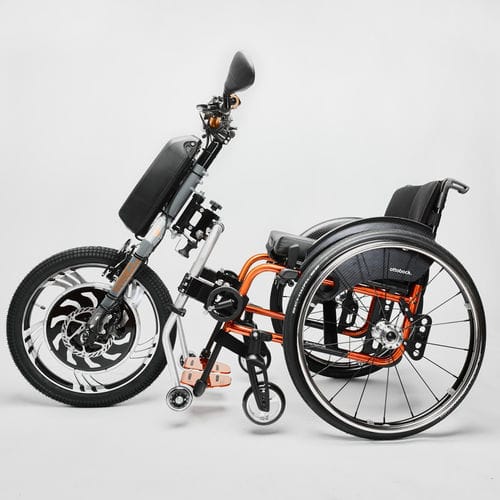
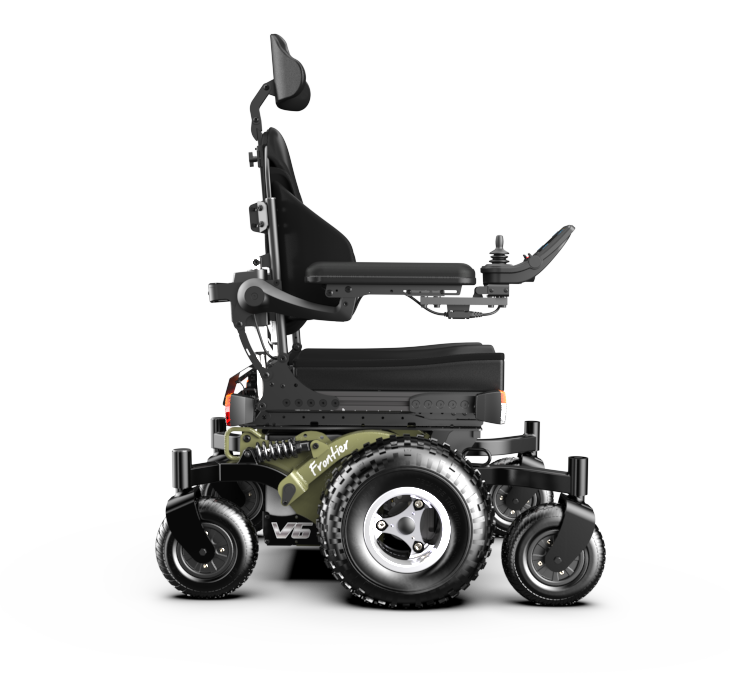
Electric wheelchairs use battery power and a control unit to move. Most have a joystick, a speed limiter, and a simple display. Learning how to drive an electric wheelchair begins with knowing what each control does.
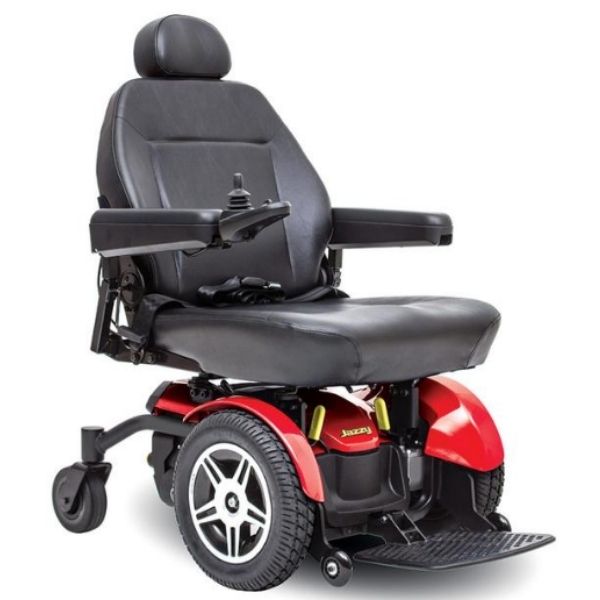
Key parts to recognize:
- Joystick or touchpad for steering and speed.
- Motor housings and wheels.
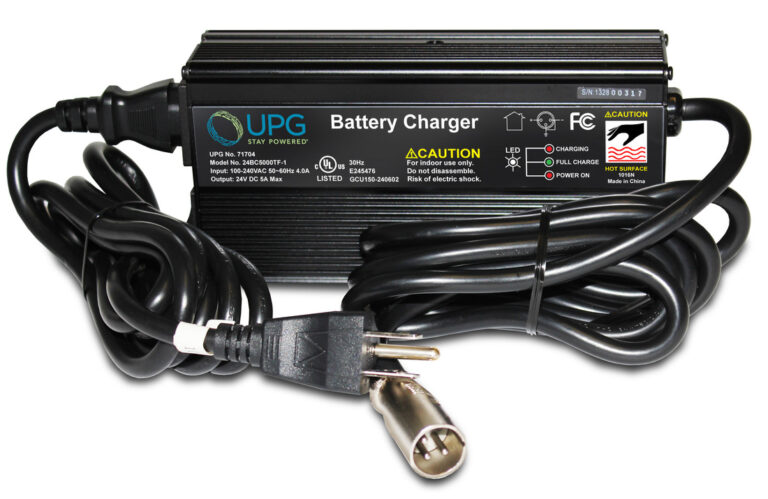
- Battery pack and charger.
- Brakes, either electromagnetic or manual override.
Knowing these parts helps you stay safe and fix small issues. Practice identifying each item before you start driving.
Before you start: safety checks and setup
Always do a quick safety check before driving. This prevents problems and builds confidence.
Safety checklist:
- Verify batteries are charged and connection is tight.
- Test the joystick responsiveness while brakes are engaged.
- Check tire pressure and wheel locks.
- Make sure seatbelt and seating adjustments fit comfortably.
Set the control region to low speed the first few times you learn how to drive an electric wheelchair. Ask a caregiver to stay nearby for the first practice sessions.

Step-by-step guide to driving
Follow this clear routine when learning how to drive an electric wheelchair. Take it slow and repeat steps until they feel natural.
- Power on and set low speed
- Turn on the chair and set speed to the lowest setting. Confirm the joystick returns to neutral.
- Test forward and backward
- Gently push joystick forward for a few inches. Release to stop. Repeat backward.
- Practice turning
- Move the joystick left and right while traveling slowly. Try spot turns in place if your chair supports it.
- Stop and park
- Release joystick to let the chair brake. Engage any parking brake if available.
- Increase speed gradually
- When comfortable, raise speed in small steps. Practice stopping at each speed level.
Repeat these steps in a flat, open area until you can steer, stop, and reverse smoothly. These drills are core to how to drive an electric wheelchair well.
Maneuvering tips for common situations
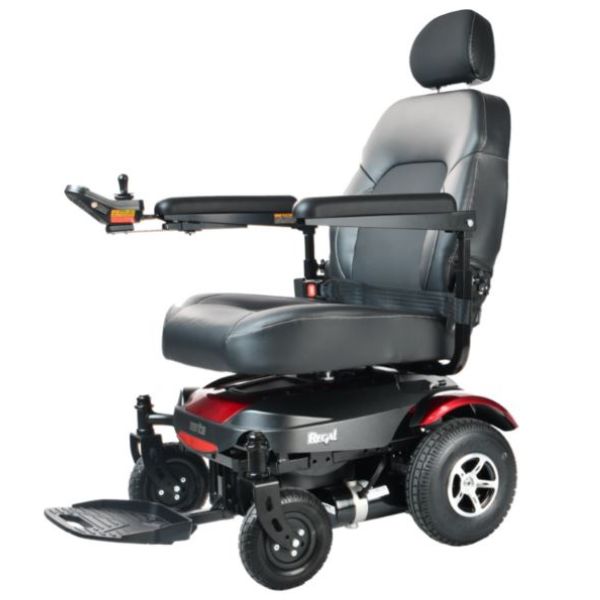
Once basic control is solid, learn specific maneuvers. Real life has tight spaces and busy areas.
Indoor tips:
- Approach doorways straight on. Reduce speed and turn gently.
- To navigate narrow halls, use small joystick movements. Pause and adjust often.
- When turning from a chair to a table, stop close, then make small forward or backward nudges.
Outdoor tips:
- Keep both hands ready by the joystick for bumps.
- Drive slower on gravel or grass.
- Watch for drains, curbs, and uneven pavement.
These techniques help you apply how to drive an electric wheelchair in daily tasks.

Handling slopes, curbs, and obstacles
Hills and curbs need care. Practice with a helper until you’re confident.
Basic rules:
- Go straight up a slope; slow and steady. Avoid sharp turns uphill.
- When descending, use low speed and keep joystick steady to prevent sudden acceleration.
- For small curbs, approach at an angle and use momentum only if recommended by the manufacturer.
- Never try large curbs alone; use ramps or ask for assistance.
If your chair has a tilt or recline function, use it to shift weight and improve traction on slopes. These skills are central when learning how to drive an electric wheelchair outside.

Maintenance and troubleshooting
Good care keeps your chair reliable and safe. Do simple maintenance weekly and deeper checks monthly.
Routine tasks:
- Charge batteries after use and avoid leaving them empty.
- Clean wheel treads and check for debris.
- Inspect wiring and connectors for damage.
- Schedule professional service annually or if handling problems arise.
Common fixes:
- If the chair won’t move, check battery charge and main power switch first.
- If steering is delayed, inspect joystick boot for cracks and ensure connections are secure.
Knowing these steps gives you control over small problems and helps you understand how to drive an electric wheelchair without surprise breakdowns.

Legal, accessibility, and transport considerations
Understand rules and rights when using an electric wheelchair in public spaces. This helps avoid issues and keeps you safe.
Key points:
- Many places consider electric wheelchairs as mobility devices under accessibility laws.
- Public transport often allows foldable or disassembled chairs, but rules vary. Call ahead.
- Carry manufacturer ID and user manual when traveling for quick reference.
Being informed about laws and transit rules makes using your chair smoother. It also helps you plan how to drive an electric wheelchair in unfamiliar places.
Personal experience and practical tips
I taught people of different ages how to drive an electric wheelchair. A few lessons stood out.
What I learned:
- Start slow and reward small wins. Confidence grows with short, safe practice.
- Customize joystick sensitivity after a week of use. Users often need small adjustments.
- Secure loose items and test seat belts. Small items can shift and affect balance.
Common mistakes to avoid:
- Skipping the safety check.
- Rushing to high speed too soon.
- Assuming outdoor surfaces are safe without inspecting them.
These tips come from hands-on experience and real users. They will help when you learn how to drive an electric wheelchair in daily life.

Quick PAA-style questions
How long does it take to learn how to drive an electric wheelchair?
- Most people feel comfortable after a few hours of practice over several days. Complex maneuvers take longer.
Can I drive an electric wheelchair in the rain?
- Light rain is usually fine, but avoid deep puddles and heavy rain. Check your chair’s IP rating and follow the manual.
Is special training required to use an electric wheelchair?
- No formal license is usually needed, but a therapist or trainer can greatly speed learning and improve safety.
Frequently Asked Questions of How to drive an electric wheelchair
What is the first thing I should do before driving an electric wheelchair?
Always check the battery, brakes, and joystick responsiveness. Make sure seatbelts and locks are secure.
How do I stop quickly in an emergency?
Release the joystick to let the electromagnetic brake engage and, if available, press the emergency stop button. Lean forward slightly to maintain balance.
Can electric wheelchairs be used outdoors safely?
Yes, on flat and well-maintained surfaces. Reduce speed and avoid rough terrain unless your model is rated for outdoor use.
How often should I charge the battery?
Charge after each use when possible, and avoid fully draining the battery. Follow the manufacturer’s charging schedule.
What should I do if the joystick feels loose or is unresponsive?
Stop using the chair and inspect the joystick boot and wiring. Contact a technician if cleaning and reconnection do not fix it.
Conclusion
Learning how to drive an electric wheelchair is a step-by-step process. Start with safety checks, practice slow maneuvers, and build confidence in real situations. Keep up with maintenance, learn simple fixes, and adapt controls to your comfort. Try short, regular practice sessions and ask for help when needed. Ready to improve your skills? Practice safely, leave a comment with your questions, or subscribe for more mobility tips.

Michael Reynolds is a senior contributor at RetirementGazette.com, where he focuses on helping readers navigate the journey toward a secure and fulfilling retirement. With over a decade of experience in personal finance, retirement planning, and lifestyle writing, Michael combines practical strategies with easy-to-understand guidance tailored for both pre-retirees and those already enjoying their golden years.