
Electric wheelchairs help users gain safe, independent mobility with clear controls and routine care.
I have guided many new users, caregivers, and therapists on how to use an electric wheelchair safely and confidently. This article explains step-by-step how to use an electric wheelchair, from setup and controls to transfers, navigation, maintenance, and common troubleshooting. I write from hands-on experience and clinical guidance so you can learn practical tips, avoid common mistakes, and feel ready to get moving.

Getting started: How to use an electric wheelchair
Before you begin, read the owner’s manual and check the chair. Learn the model name, battery type, weight limit, and any special features. Adjust the seat, armrests, footrests, and joystick to fit your body. Practice in a quiet, flat space until you feel comfortable with speed and braking.
Essential first steps:
- Check battery charge. A full charge gives the best performance and range.
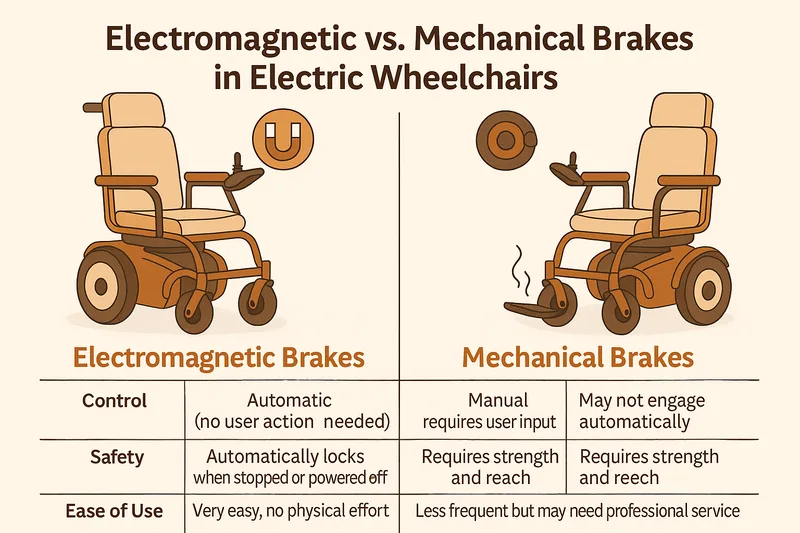
- Lock or set parking brake if present. This prevents roll when transferring.
- Adjust seat height and footrests so your feet are supported and knees are at a comfortable angle.
- Turn the power on and test the joystick slowly. Move forward, backward, and turn to learn response.
Why this matters: How to use an electric wheelchair well starts with setup and familiarization. Small adjustments make rides safer and more comfortable. I recommend taking at least 20–30 minutes the first day to practice basic moves in a safe area.
Understanding controls and features
Most power chairs share common parts. Know these parts and what they do. The joystick controls speed and direction. Electronic displays show battery level, error codes, and drive mode. Drive modes limit top speed. Tilt and recline functions change seat angle for comfort or pressure relief.
Core controls to learn:
- Joystick: push gently to move. Release to stop.
- Speed dial or mode: set a lower speed for indoors.
- Horn and lights: use as needed for safety.
- Recline, tilt, or elevating leg rests: use per clinician guidance.
PAA-style question 1: How far will a typical electric wheelchair travel on one charge?
Most models travel 8–25 miles per charge depending on battery size, terrain, and weight. Heavier users or hilly routes reduce range, while flat indoor use extends it.
PAA-style question 2: Is it hard to learn joystick control?
No. With short practice sessions you can learn joystick control in a few days. Start slow and use a lower speed until control feels natural.
How to use an electric wheelchair safely depends on knowing these features and practicing each control. I learned to check battery readouts every morning before leaving the house. That habit prevents being stranded and builds confidence.

Safe operation and daily techniques
Safety keeps you independent. Follow habits that reduce falls, collisions, and battery problems. Always wear proper shoes and secure loose clothing around footrests. Never tweak electronics while moving.
Key safety tips:
- Start slow and use lower speed indoors.
- Keep feet on the footrests when moving.
- Avoid sudden turns at full speed.
- Approach ramps straight on, not at an angle.
- Use ramps and curbs only within your chair’s capability.
Everyday techniques:
- Use spotters on difficult slopes or crowded areas.
- Plan routes with smooth surfaces and curb cuts.
- Use public transit accessibility features when available.
I once learned the hard way that a slick wet ramp can make a chair slide. Now I check weather and surfaces before heading out. How to use an electric wheelchair safely means anticipating hazards and being ready to stop.

Transferring safely in and out
Transfers are a common challenge. Good transfers protect you and your caregiver from injury. Use the parking brake and power off the chair before transferring. Lock wheels and move footrests out of the way.
Transfer options:
- Slide board transfer: position board between seat and chair, lean and slide.
- Stand and pivot transfer: for those with standing ability, use gait belt and proper technique.
- Lateral transfer with assistance: caregivers use safe lift techniques or lifts.
Steps for a basic lateral transfer:
- Position the wheelchair close and at a slight angle to the seat you are transferring to.
- Lock brakes and power off.
- Move footrests and armrests as needed.
- Lean forward, place hands on stable surfaces, and slide or stand with assistance.
Practice transfers with a trained therapist. I advise new users to rehearse transfers several times in a clinic setting. How to use an electric wheelchair includes mastering safe transfers to reduce strain and risk.

Navigating indoors and outdoors
Indoor and outdoor navigation require different approaches. Inside, use slow speeds, predict turns, and watch furniture. Outside, plan for uneven ground, slopes, and traffic.
Indoor tips:
- Use the lowest speed setting.
- Make wide turns in doorways.
- Keep a clear path and watch for rugs or thresholds.
Outdoor tips:
- Approach curbs at right angles when possible.
- Avoid soft ground and steep slopes beyond your chair’s specs.
- Use curb ramps or ask for assistance when needed.
When I moved from my living room to the sidewalk for the first time, I scoped the route first. That small check helped me avoid a loose gravel patch. How to use an electric wheelchair well includes scouting routes and choosing the safest path.

Battery care and maintenance
Batteries are the heart of an electric wheelchair. Proper care extends life and prevents breakdowns. Charge after each use. Keep contacts clean and dry. Replace batteries as recommended by the manufacturer.
Daily battery checklist:
- Plug in after the day’s use, even if not fully drained.
- Use the original charger when possible.
- Store the chair in a cool, dry place.
- Inspect for corrosion or damage monthly.
Long-term tips:
- Deep-cycle lead-acid batteries may need replacement every 12–24 months.
- Lithium batteries last longer but still need regular checks.
- Track mileage and runtime to spot decline.
I learned to keep a charging routine after one busy day left me stranded. Regular charging and checks make how to use an electric wheelchair reliable for everyday life.

Troubleshooting common issues
Small issues pop up. A calm checklist solves many problems. Check fuses, wiring, and error codes before assuming the worst. Keep the manual and contact numbers handy.
Common problems and quick fixes:
- Chair won’t start: check the power switch, battery charge, and fuses.
- Reduced speed or range: check battery condition and tire pressure.
- Joystick unresponsive: inspect cable connections and reset the controller.
- Strange noises: look for debris in wheels or loose parts.
When in doubt, contact your supplier or therapist. They can diagnose electronics or motor issues. My rule: document symptoms and the last maintenance actions to speed up repairs. Understanding how to use an electric wheelchair includes knowing when to seek professional service.

Customization, comfort, and accessories
Comfort improves function. Small customizations can reduce pain and extend independent use. Consider seating, cushions, cushions for pressure relief, and positioning supports.
Useful accessories:
- Pressure-relief cushions and gel pads.
- Transfer boards, cup holders, and phone mounts.
- Anti-tippers and wheel locks for added safety.
- Weather covers and ramps for travel.
Work with an ATP (Assistive Technology Professional) or therapist to match accessories to needs. I tested several cushions before finding one that relieved my lower back pain. How to use an electric wheelchair includes choosing the right gear for daily comfort.

Legal, transport, and accessibility considerations
Know your rights and transport needs. Public spaces often have ADA or accessibility requirements. For travel, check vehicle accessibility and airline rules for batteries and chairs.
Transport tips:
- Use secure tie-downs or ramps in vehicles designed for wheelchair transport.
- For air travel, notify airlines in advance about battery type and chair size.
- Carry a battery disconnect tool and the chair manual during transit.
Accessibility planning helps avoid surprises. When taking a taxi or ride service, call ahead to confirm accessible vehicles. I once planned a trip with backup transit options. That made moving around the city stress-free and showed how to use an electric wheelchair beyond home.
Frequently Asked Questions
How do I learn to drive an electric wheelchair safely?
Start slowly in a flat, open area and practice turns, stopping, and reversing. Work with a therapist or experienced user for tips and feedback.
How long do electric wheelchair batteries last?
Battery life varies by type and use. Expect 12–24 months for lead-acid batteries and longer for lithium if maintained well.
Can I use an electric wheelchair on uneven ground?
Small obstacles and short grass are usually fine, but deep sand, loose gravel, and steep slopes are risky. Check your chair’s specs and test carefully with assistance.
Is maintenance complicated for power chairs?
Basic maintenance is simple: charge daily, inspect for wear, and keep parts clean. Complex repairs should go to a certified technician.
What should I do if my joystick stops working?
Stop in a safe place, power off and on, and check connections. If the joystick remains unresponsive, contact your service provider for diagnostics.
Can I fly with an electric wheelchair?
Yes, but you must follow airline rules for battery type and inform the airline in advance. Pack spares and carry documentation for the chair and batteries.
Conclusion
Using an electric wheelchair well brings independence, safety, and comfort. Start with proper setup, learn controls, practice safe transfers, and maintain batteries. Plan routes, customize your chair, and get professional help for complex issues. Take small steps each day. Try one new skill this week—such as a safe transfer or outdoor route—and build confidence from there. Share your experiences or questions below, subscribe for more practical guides, or reach out to a therapist to personalize your plan.

Michael Reynolds is a senior contributor at RetirementGazette.com, where he focuses on helping readers navigate the journey toward a secure and fulfilling retirement. With over a decade of experience in personal finance, retirement planning, and lifestyle writing, Michael combines practical strategies with easy-to-understand guidance tailored for both pre-retirees and those already enjoying their golden years.