Most senior women need about 1,600 to 2,000 calories daily, depending on activity, health, and weight goals.
Knowing how many calories should a senior woman eat per day is not just about counting numbers. Aging can lower calorie needs while increasing the need for protein, fiber, calcium, vitamin D, vitamin B12, and other key nutrients. This guide explains how to estimate daily calories, build balanced meals, avoid common mistakes, and adjust intake safely.

How many calories should a senior woman eat per day?
For many women age 60 and older, daily calorie needs fall within these general ranges:
| Activity level | Estimated daily calories |
|---|---|
| Sedentary | About 1,600 calories |
| Moderately active | About 1,800 calories |
| Active | About 2,000 calories |
These are general estimates, not strict rules. How many calories should a senior woman eat per day depends on her height, weight, muscle mass, activity level, metabolism, and health goals.
A smaller woman who spends much of the day sitting may need fewer calories. A taller woman who walks daily, gardens, swims, or does strength training may need more. The best calorie target supports a steady weight, good energy, strong muscles, and proper nutrition.
Calories are only one part of the picture. A 1,700-calorie diet made mostly of sweets and refined snacks will not support health as well as 1,700 calories from vegetables, fruit, beans, whole grains, eggs, fish, lean meat, dairy, nuts, and healthy oils.

Why calorie needs often change with age
Aging can change the way the body uses energy. Many older adults lose muscle over time, and muscle uses more energy than fat tissue. Less muscle can lower resting calorie needs.
Daily movement may also decrease after retirement, illness, injury, or changes in mobility. Even small changes matter. Walking less, doing fewer household tasks, or sitting for longer periods can reduce total energy use.
At the same time, older women still need many nutrients. This creates an important balance: fewer calories may be needed, but each meal should provide more nutrition. Experts often call this “nutrient density,” which means getting more vitamins, minerals, protein, and fiber from each bite.
Other factors can affect how many calories should a senior woman eat per day, including:
• Thyroid disorders
• Diabetes
• Heart or kidney disease
• Cancer treatment
• Menopause-related body changes
• Dental problems
• Trouble swallowing
• Medication side effects
• Depression, loneliness, or low appetite
• Recent surgery or infection
A sudden change in appetite or weight should not be ignored. It may signal a medical problem or a need to review medications with a health professional.

Calorie needs by activity level
Activity level gives a useful starting point for estimating how many calories should a senior woman eat per day.
Sedentary older women
A sedentary lifestyle includes normal daily tasks but little planned exercise. A woman in this group may need around 1,600 calories per day, although her personal needs may be higher or lower.
Simple movement still helps. Short walks, light housework, gentle stretching, and standing breaks can improve circulation and preserve function.
Moderately active older women
A moderately active woman may walk regularly, do light exercise, garden, shop on foot, or take part in group fitness classes. Her needs may be close to 1,800 calories per day.
Moderate activity can also include strength exercises two or more days each week. Resistance bands, light weights, and chair exercises can help protect muscle.
Active older women
An active older woman may exercise most days, walk long distances, swim, hike, cycle, or perform physically demanding work. She may need about 2,000 calories per day or more.
Some women need extra calories during recovery from illness, after surgery, or during rehabilitation. A registered dietitian can help create a safer, more exact plan.

How to calculate a more personal calorie target
General charts are helpful, but they cannot account for every body. A more personal estimate begins with a few basic questions:
- What is her current weight?
- Is her weight stable, rising, or falling?
- How much does she move each day?
- Does she want to maintain weight, lose weight, or gain weight?
- Does she have a medical condition that affects food or energy needs?
- Is she eating enough protein and other essential nutrients?
One practical method is to track food intake and body weight for two weeks. If weight stays stable and energy feels good, the current intake may be close to maintenance needs. If weight drops without a goal, she may need more calories or a medical review.
Body weight is not the only measure of success. Strength, balance, mood, digestion, sleep, and daily energy also matter. How many calories should a senior woman eat per day should be judged by the full health picture, not by a scale alone.
Online calorie calculators can provide a starting point. Still, they may be less accurate for people with very low muscle mass, chronic disease, major weight changes, or unusual activity levels.

Calories for weight loss after age 60
Some senior women want to lose weight to reduce joint pain, improve blood sugar, or support heart health. A slow approach is usually safer than a strict diet.
A small calorie reduction, often about 250 to 500 calories below maintenance needs, may support gradual weight loss. However, very low-calorie diets can increase the risk of muscle loss, weakness, nutrient shortages, and falls.
Before changing how many calories should a senior woman eat per day for weight loss, consider these steps:
• Keep protein in each meal
• Eat vegetables or fruit several times daily
• Choose whole grains and beans for fiber
• Limit sugary drinks and frequent sweets
• Use smaller portions instead of skipping meals
• Add walking or safe strength training
• Drink enough fluid unless a clinician has limited fluids
A senior woman should not assume that eating less is always better. Losing muscle can make weight loss harmful, even when the number on the scale goes down.
Calories for healthy weight gain
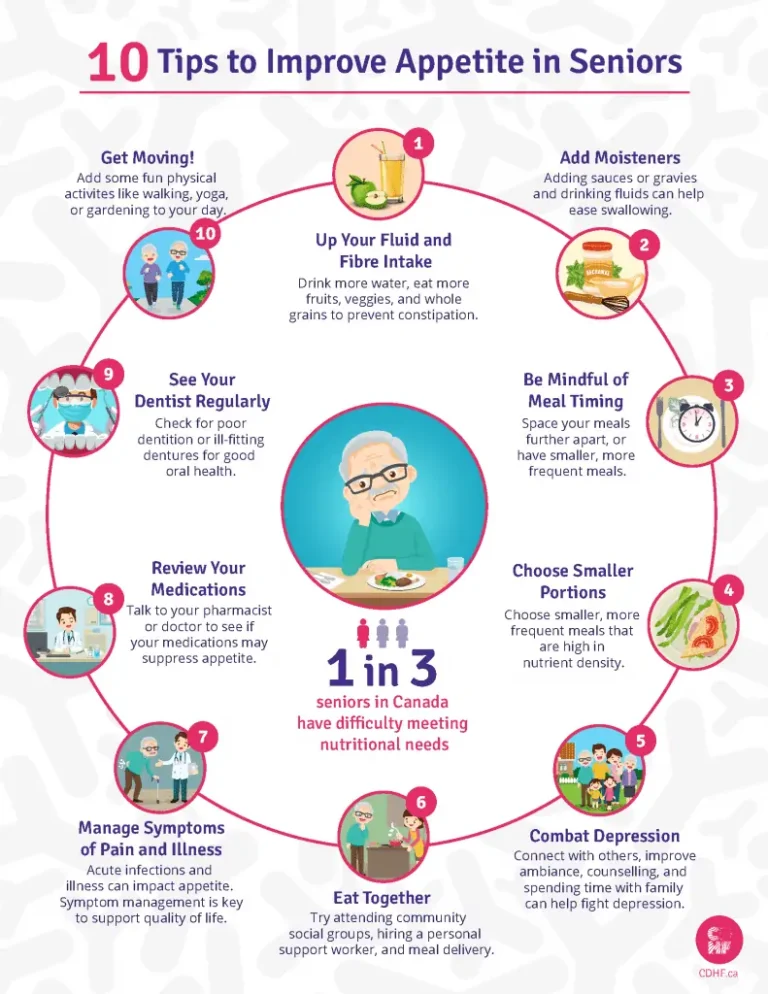
Unplanned weight loss is common in older adults and deserves attention. It may happen because food tastes different, chewing is painful, cooking feels tiring, or an illness reduces appetite.
When weight gain is needed, adding 250 to 500 calories per day may help. These calories should come from nourishing foods rather than large amounts of candy or fried food.
Useful calorie-dense choices include:
• Greek yogurt with fruit and ground nuts
• Peanut or almond butter on whole-grain toast
• Avocado added to eggs or a sandwich
• Beans, lentils, or hummus
• Cheese added to soup, vegetables, or eggs
• Smoothies made with milk, yogurt, fruit, and nut butter
• Olive oil added to vegetables, grains, or pasta
Small meals every two or three hours may work better than three large meals. If weight loss is unexplained, rapid, or paired with weakness, nausea, pain, or trouble swallowing, contact a health professional promptly.
What nutrients matter most in a senior woman’s diet?
A calorie target works best when meals contain the nutrients that help preserve strength and independence.
Protein
Protein helps maintain muscle, support healing, and protect physical function. Many older adults benefit from spreading protein across the day instead of eating most of it at dinner.
Good choices include:
• Eggs
• Fish
• Chicken or turkey
• Milk and Greek yogurt
• Cottage cheese
• Tofu and tempeh
• Beans and lentils
• Nuts and seeds
A clinician or dietitian can recommend a personal protein goal, especially when kidney disease is present.
Fiber
Fiber supports bowel health, blood sugar control, and heart health. Older women can get fiber from vegetables, berries, apples, beans, lentils, oats, brown rice, and whole-grain bread.
Increase fiber slowly and drink enough fluid. A sudden large increase may cause gas or constipation.
Calcium and vitamin D
Calcium supports bones and teeth. Vitamin D helps the body use calcium and also plays a role in muscle function.
Food sources include dairy products, fortified plant milk, canned salmon with bones, tofu made with calcium, and fortified foods. Some people need supplements, but supplement use should fit their medical history.
Vitamin B12
Vitamin B12 supports blood and nerve health. The body may absorb less B12 with age, and some medicines can affect absorption. Eggs, dairy, fish, meat, and fortified foods provide B12.
A blood test can identify a deficiency. Do not use high-dose supplements as a substitute for medical advice.
Healthy fats
Olive oil, avocado, nuts, seeds, and fatty fish provide useful fats and calories. These foods can be especially helpful when appetite is low.
A simple one-day meal example
This sample day provides balanced food, but it is not a personal prescription. Portion sizes can be adjusted to match energy needs.
Breakfast
• Oatmeal made with milk
• Berries
• Chopped walnuts
• One boiled egg
Lunch
• Lentil soup
• Whole-grain toast
• Side salad with olive oil dressing
• Plain yogurt
Snack
• Apple slices with peanut butter
Dinner
• Baked salmon or tofu
• Roasted vegetables
• Brown rice or a baked potato
• Milk or fortified soy milk
This pattern supplies protein, fiber, calcium, healthy fats, and several important vitamins. It can also be changed to match cultural foods, food allergies, budget, and cooking ability.
For example, beans and rice, vegetable curry with yogurt, or a turkey and avocado sandwich can all fit into a healthy senior meal plan. Cultural foods do not need to be removed. Often, the best plan is a familiar plan with better portions and more nutrient-rich ingredients.
Common mistakes when counting calories
Counting calories can help some people, but it can also create problems if used without context. Here are common mistakes to avoid:
• Eating too little because the calorie number feels high
• Ignoring protein and focusing only on total calories
• Skipping meals to save calories
• Drinking too little water
• Treating all calories as nutritionally equal
• Forgetting calories in oils, dressings, and drinks
• Removing entire food groups without medical need
• Using a young adult calorie calculator
• Trying to lose weight quickly
• Overlooking dental, swallowing, or appetite problems
One lesson that comes up often in practical nutrition counseling is that a small, consistent change works better than a perfect plan that is hard to follow. Adding a protein-rich breakfast or taking a short walk after lunch may be more useful than tracking every crumb.
How many calories should a senior woman eat per day should remain a helpful guide, not a source of stress. The goal is to support health and daily life.
When to speak with a doctor or dietitian
Professional advice is especially important when an older woman has:
• Unplanned weight loss
• A body mass index that is very low or very high
• Diabetes or kidney disease
• Heart failure or fluid restrictions
• Cancer or recent surgery
• Trouble chewing or swallowing
• Frequent falls or severe weakness
• A very low appetite
• Persistent nausea, diarrhea, or constipation
• A need for tube feeding or special nutrition support
A registered dietitian can estimate energy needs, review food intake, and suggest meals that fit medical restrictions. A doctor can check for thyroid problems, anemia, infection, depression, medication effects, or other causes of weight change.
Medical conditions can change how many calories should a senior woman eat per day. For example, someone with kidney disease may need limits on protein, potassium, phosphorus, or fluids. Someone recovering from an injury may need more protein and energy.
Frequently Asked Questions About How Many Calories Should a Senior Woman Eat Per Day
How many calories does a 70-year-old woman need each day?
Many 70-year-old women need about 1,600 to 2,000 calories daily. The right amount depends on height, weight, activity, muscle mass, health, and whether she wants to maintain, lose, or gain weight.
Is 1,200 calories enough for a senior woman?
For many older women, 1,200 calories may be too low to provide enough protein and essential nutrients. A very low-calorie plan should only be used with medical supervision.
How many calories should a senior woman eat to lose weight?
A modest reduction from her maintenance needs may support slow weight loss. She should still eat enough protein, fiber, vitamins, and minerals to protect muscle and overall health.
Do older women need fewer calories than younger women?
Often, yes. Lower activity and reduced muscle mass can lower energy needs, but nutrient needs do not fall in the same way. Older women should focus on nutrient-dense foods, not simply smaller amounts of food.
Should a senior woman eat more calories if she exercises?
She may need more calories if exercise is frequent, long, or intense. Increased hunger, weight loss, fatigue, or poor recovery may suggest that food intake needs adjustment.
What is the best way to gain weight as a senior woman?
Eat small meals often and add nutritious, calorie-dense foods such as yogurt, nuts, avocado, eggs, beans, olive oil, and smoothies. Unplanned weight loss should be discussed with a health professional.
How much protein does a senior woman need?
Protein needs vary with body weight, health, and activity. Many older adults benefit from including a protein source at every meal, but people with kidney disease should ask a clinician for an individualized target.
Conclusion
How many calories should a senior woman eat per day usually falls near 1,600 to 2,000 calories, but the best number depends on activity, body size, muscle, health, and personal goals. Food quality matters just as much as calories, so meals should include protein, vegetables, fruit, whole grains, healthy fats, and enough fluids.
Use calorie ranges as a starting point rather than a strict rule. Track energy, strength, appetite, and weight trends, then make small changes. If weight changes suddenly or eating becomes difficult, ask a doctor or registered dietitian for help. Share this guide with a loved one and explore more practical healthy-aging resources for daily meal ideas.

Michael Reynolds is a senior contributor at RetirementGazette.com, where he focuses on helping readers navigate the journey toward a secure and fulfilling retirement. With over a decade of experience in personal finance, retirement planning, and lifestyle writing, Michael combines practical strategies with easy-to-understand guidance tailored for both pre-retirees and those already enjoying their golden years.