You are usually considered senior at work when your experience, judgment, and impact exceed your job title.
When are you considered a senior at work? There is no single rule based on age or years served. Most employers look at your skill level, independence, leadership, results, and ability to solve hard problems. This guide explains the clearest signs, common timelines, title differences, and practical ways to prepare for senior status.

What does “senior” mean at work?
A senior employee is someone who can handle complex work with limited direction. They use strong judgment, understand the wider business, and help others perform better.
Being senior does not always mean managing people. Many companies have two career paths:
• Individual contributor: You grow through deeper skills, larger projects, and expert advice.
• People manager: You grow by leading teams, coaching staff, and making workforce decisions.
Both paths can lead to senior, lead, principal, or director-level roles. The exact title depends on the company, industry, and job family.
When are you considered a senior at work? In most cases, you reach this level when people trust you with important work, not simply when you have worked for a set number of years.
A senior worker is often viewed as a steady guide. They do not need every step explained. They can define the problem, choose a sound approach, manage risks, and explain the outcome clearly.
How many years does it take to become senior?
Many workers reach a senior title after about five to eight years of relevant experience. However, this is only a broad guide. Some people reach senior status in three or four years, while others need ten years or more.
Experience matters most when it builds useful skills. Eight years of repeating the same simple task may not equal five years of handling varied, difficult work.
Factors that can speed up or delay progress include:
• Industry standards and job title norms
• Company size and promotion rules
• Your education and technical training
• The quality of your work
• Your ability to lead projects
• Changes in your role or industry
• Feedback from managers and peers
• The number of complex problems you have solved
For example, a software engineer may become senior after several years of building and maintaining major systems. A nurse may need a different mix of clinical experience, certifications, and leadership. A marketing specialist may become senior after proving they can shape strategy and show measurable growth.
So, when are you considered a senior at work? Years help create credibility, but results and responsibility usually matter more than time alone.
The main signs you are senior at work
Your title may not change right away. Still, your daily work can show that you already operate at a senior level.
You work with little supervision
You know how to start a task, set priorities, and make progress without constant approval. You still ask questions, but you ask focused questions that move the work forward.
A senior employee does not confuse independence with isolation. They keep others informed and raise risks early.
You solve problems, not just complete tasks
Junior workers often receive a clear task. Senior workers help decide which task matters most and how to solve it.
You may notice a process problem, study its cause, and suggest a lasting fix. This shows business judgment, not just technical ability.
You make sound decisions
Senior employees make choices with incomplete information. They compare costs, risks, timing, and customer needs before acting.
No one makes perfect decisions every time. What matters is that you can explain your reasoning, learn from mistakes, and adjust when facts change.
You understand the wider business
You know how your work affects customers, revenue, quality, compliance, or team goals. You do not view your role as a small island.
For example, an accountant may understand how a reporting change affects sales teams and executive planning. A designer may consider accessibility, development time, and customer behavior, not just visual appeal.
Others ask for your help
Coworkers come to you because they trust your knowledge and judgment. They may ask for advice on a process, difficult customer, technical issue, or career choice.
Being helpful is not enough by itself. A senior employee also knows how to teach without taking over.
You improve the work of others
You share useful systems, write clear guidance, review work fairly, and help teammates grow. Your impact becomes larger than your personal output.
This is one of the strongest answers to when are you considered a senior at work. Seniority is often measured by the positive effect you have on the whole team.
You handle difficult conversations
Senior workers can discuss missed goals, unclear roles, poor quality, and conflict with respect. They focus on facts and solutions rather than blame.
This skill takes emotional control. It also builds trust, which is a key part of effective leadership.
Seniority by job level and title
Titles vary widely, so it helps to understand the usual career ladder.
Entry level
Entry-level workers are learning the tools, systems, and standards of the role. They often need regular feedback and clear priorities.
This stage is not a weakness. It is the foundation for building sound habits.
Mid-level
Mid-level workers can complete normal duties with confidence. They manage many tasks alone and may own smaller projects.
They are still building deeper judgment and broader influence.
Senior level
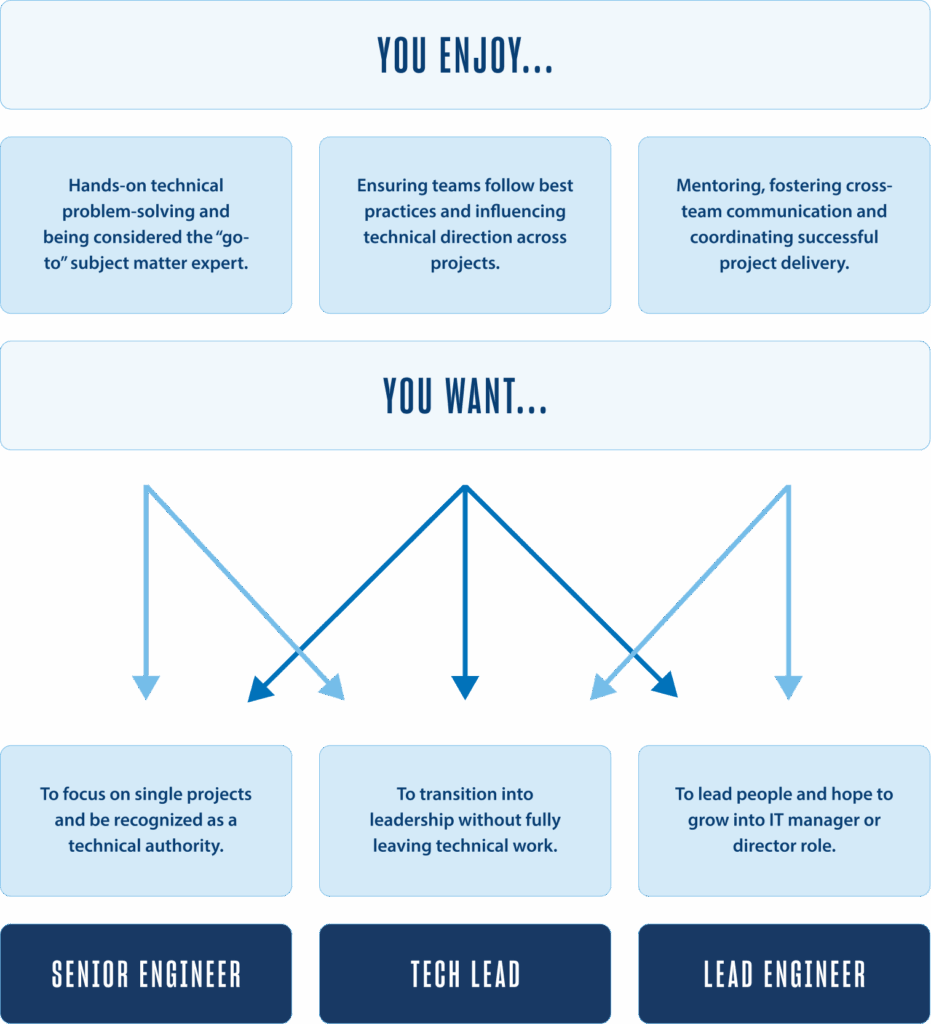
Senior workers lead complex work and often guide others. They can work across teams, prevent problems, and make decisions that affect important outcomes.
At this level, employers often expect stronger communication, planning, and risk management.
Lead or principal level
Lead and principal roles often sit above senior roles, but not always. A lead may guide a project or small group. A principal employee may influence technical or business direction across the company.
These roles usually require a wider view and a stronger record of results.
Manager and director level
Managers focus on people, goals, resources, and performance. Directors often lead multiple teams or a major business function.
A senior individual contributor can earn a similar level of respect and pay without becoming a manager. This is important for employees who enjoy expert work but do not want direct reports.
Senior employee versus senior job title
A company may give you a senior title because of your experience, market pay, or hiring needs. Another company may reserve the same title for workers with broad leadership duties.
This creates a common problem. One employer’s senior analyst may perform work similar to another employer’s lead analyst. Titles alone do not provide a reliable comparison.
Look at the full role instead:
• What decisions can you make?
• How complex are your assignments?
• Who depends on your work?
• Do you guide other employees?
• Are you accountable for business results?
• Do you influence strategy or only follow a plan?
When are you considered a senior at work? You are likely operating at that level when your responsibilities match the expected behaviors, even if your official title has not changed.
How managers decide who is senior
Most managers use several forms of evidence. Strong performance reviews help, but they are only one part of the picture.
They may consider:
• Quality and consistency of your work
• Ability to meet goals
• Ownership of complex projects
• Communication with clients and coworkers
• Judgment during problems or change
• Mentoring and knowledge sharing
• Ability to improve systems
• Support for company values
• Feedback from people who work with you
Many companies use competency frameworks. These frameworks describe the skills expected at each level. They may include technical knowledge, communication, leadership, planning, and business impact.
Ask your manager for the framework if your company has one. Then compare your current work with the next level. This turns a vague career goal into a clear development plan.
How to prove you are ready for a senior role
If you want a senior promotion, do not wait for your manager to notice every contribution. Make your impact easy to understand.
1. Track measurable results
Keep a simple record of your work. Include the problem, your action, and the result.
Examples include:
• Reduced processing time by 20 percent
• Cut customer complaints through a new training guide
• Delivered a project before the deadline
• Improved system reliability
• Helped a new employee become productive faster
Numbers help, but not every result has a perfect measure. You can also describe saved time, reduced risk, better quality, or stronger team confidence.
2. Take ownership of larger work
Volunteer for projects that involve planning, coordination, or risk. Choose work that matters to the team, not just work that looks impressive.
Before accepting, confirm the goal, deadline, decision rights, and available support. Ownership does not mean accepting impossible workloads.
3. Build influence without authority
You may need to persuade people who do not report to you. Listen to their concerns, explain the reason for change, and connect your idea to a shared goal.
This skill is useful in almost every senior role. It shows that you can lead through trust rather than job power.
4. Teach in a repeatable way
Create checklists, examples, templates, or short training sessions. Good teaching reduces confusion and helps the team work well when you are away.
Avoid doing every task for others. The goal is to build skill, not create dependence.
5. Ask for direct feedback
Use a clear question such as, “What would I need to show to perform at the senior level?”
Ask for two or three specific examples. Then agree on a time to review progress. Clear feedback is more useful than general praise.
6. Discuss promotion evidence
A promotion conversation should focus on responsibility and impact. Bring examples that show how your work already matches the next level.
You can say, “I am handling complex projects, guiding teammates, and improving our process. Which gaps should I close before a senior promotion?”

Common mistakes that delay senior status
Hard work is important, but it does not always lead to promotion. Some habits can hold you back.
Doing more work without showing impact
A busy schedule does not prove senior performance. Explain how your work helped customers, the team, or the business.
Becoming the only person who knows a task
Being indispensable can feel safe, but it can limit your growth. Document your knowledge and train others.
Avoiding visibility
You do not need to brag. Still, your manager must understand your contributions. Share brief updates that explain progress, risks, and results.
Acting like a manager before earning trust
Senior employees guide others, but they do not control every detail. Give advice, respect ownership, and avoid correcting people in public.
Refusing feedback
Defensiveness can make a skilled worker seem less ready. Listen, ask for examples, and decide what action makes sense.
Ignoring communication
Strong technical work can lose value when people cannot understand it. Practice clear updates, thoughtful questions, and concise explanations.
Assuming years guarantee promotion
Time at a company can show loyalty and knowledge. It does not automatically show growth. Aim to increase your scope, judgment, and positive influence.
Is seniority linked to age?
Seniority is not the same as age. A younger worker may become senior through fast learning, high-impact projects, and strong judgment. An older worker may remain at a mid-level role by choice or because their role has not expanded.
Age-based assumptions can create unfair decisions. Employers should assess skills, behavior, results, and responsibility rather than guessing based on appearance or age.
Experience can help you see patterns. However, openness to new ideas matters just as much. The strongest senior employees combine knowledge with curiosity.
Does a senior role always mean higher pay?
A senior role often comes with higher pay, but this is not guaranteed. Compensation depends on industry, location, company size, demand, performance, and the value of the role.
The U.S. Bureau of Labor Statistics shows that wages vary widely across occupations and regions. A job title alone cannot predict your salary.
When comparing opportunities, review the complete package:
• Base salary
• Bonus or commission
• Health and retirement benefits
• Paid time off
• Flexible work options
• Training support
• Promotion opportunities
• Scope and workload
• Job security
A senior title with poor support may be less valuable than a well-designed mid-level role with strong growth and fair pay.
A practical seniority self-check
Use this short review every few months. Give yourself an honest answer for each point.
-
Can I complete complex work without close supervision?
-
Do I understand how my work affects wider goals?
-
Do others trust me with difficult problems?
-
Can I explain my decisions with clear reasons?
-
Do I prevent problems instead of only reacting to them?
-
Have I helped others improve?
-
Can I influence people without formal authority?
-
Do I communicate risks early?
-
Can I show clear results from my work?
-
Do I understand what my company expects at the next level?
If you answer yes to most questions, you may already be working at a senior level. If several answers are no, that is useful information. Choose one skill to improve first.
Frequently Asked Questions About When Are You Considered a Senior at Work
When are you considered a senior at work by years of experience?
Many people reach a senior level after five to eight years of relevant experience. The timeline varies because employers value responsibility, results, and judgment more than years alone.
Can you be senior without managing people?
Yes. Many companies offer senior individual contributor roles. These employees lead through expertise, project ownership, mentoring, and influence rather than direct reports.
Is a senior title higher than a lead title?
Not always. Some companies place lead above senior, while others use lead for project guidance and senior for career level. Compare responsibilities and decision-making power instead of relying only on titles.
What skills are needed for a senior position?
Senior workers usually need strong job skills, independent judgment, communication, planning, problem-solving, and teamwork. They also need to manage risk and help others succeed.
Can you ask for a senior promotion?
Yes. Prepare examples of complex work, measurable results, leadership, and team impact. Ask your manager what specific evidence is needed and set a date to review your progress.
Does age determine whether you are senior at work?
No. Age should not determine seniority. Employers should focus on relevant experience, performance, skills, responsibility, and the value you bring to the role.
Why have I worked for years but not received a senior title?
Your role may not yet include enough complexity, ownership, or business impact. It may also reflect limited promotion opportunities, unclear standards, or a company that uses different titles.
Conclusion
When are you considered a senior at work? You are usually considered senior when you can manage complex work, make sound decisions, work independently, guide others, and create results that reach beyond your own task list.
Years of experience can help, but they do not decide your level alone. Focus on measurable impact, wider responsibility, clear communication, and steady support for your team. Review your company’s career framework, ask for direct feedback, and build a record of senior-level work.
Your next step is simple: choose one complex problem, improve it, and document the result. Then use that evidence in your next career conversation. Explore more workplace guides, and share your own experience with senior career growth in the comments.

Michael Reynolds is a senior contributor at RetirementGazette.com, where he focuses on helping readers navigate the journey toward a secure and fulfilling retirement. With over a decade of experience in personal finance, retirement planning, and lifestyle writing, Michael combines practical strategies with easy-to-understand guidance tailored for both pre-retirees and those already enjoying their golden years.