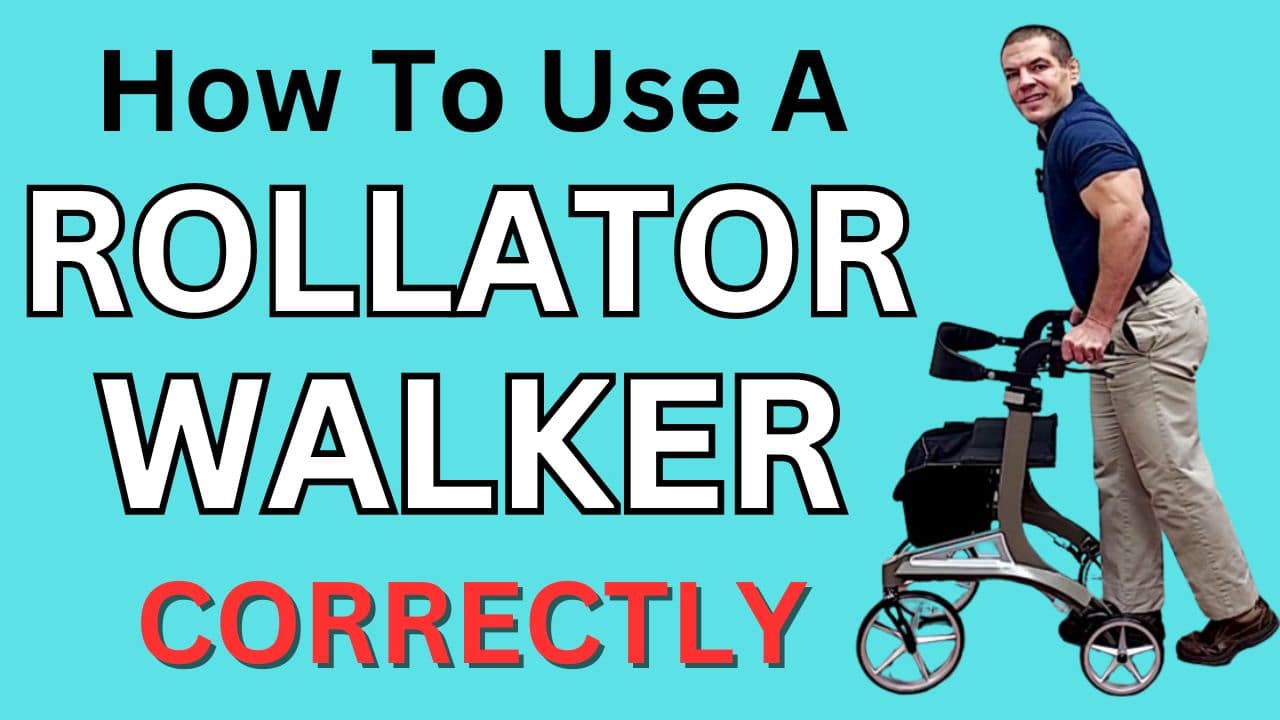
Use the rollator with brakes set, handle height correct, push gently, and take small steps.
I have spent years helping people choose and use mobility aids, and I will walk you through how to use a rollator walker safely with clear, step-by-step guidance. This article explains proper fit, braking, posture, maneuvering over common obstacles, maintenance, and real-life tips so you can feel confident and steady every time you use a rollator. Read on to learn practical, evidence-informed advice drawn from clinical practice and hands-on experience.

Understanding rollator walkers: what they are and why safety matters
A rollator walker is a wheeled walking aid with a frame, seat, and hand brakes. It helps with balance, lowers fall risk, and supports longer walks. Learning how to use a rollator walker safely reduces accidents and improves independence.
Key parts of a rollator
- Frame — supports the user and connects parts.
- Handles — grip points with brake levers.
- Brakes — usually hand-controlled, sometimes loop or push-to-lock.
- Wheels — two or four wheels depending on model.
- Seat and backrest — for resting during outings.
- Basket or bag — holds small belongings.
Types and choices
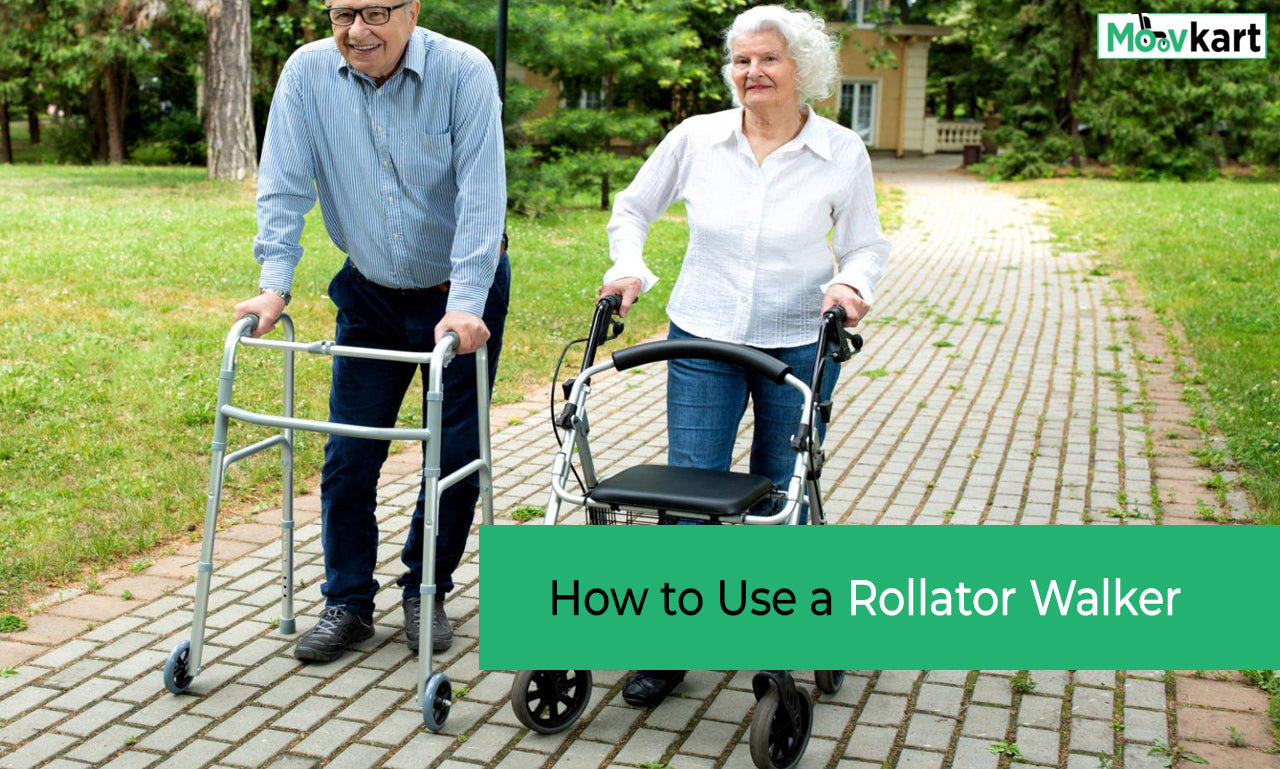
- Two-wheel rollators — light, good indoors.
- Four-wheel rollators — stable, better outdoors.
- Heavy-duty rollators — higher weight capacity.
- Transport rollators — foldable and compact.
Why safety matters
- Falls can lead to injury and loss of confidence.
- Using a rollator correctly reduces strain and improves mobility.
- A safe setup extends the lifespan of your rollator.
Preparing to use a rollator walker safely
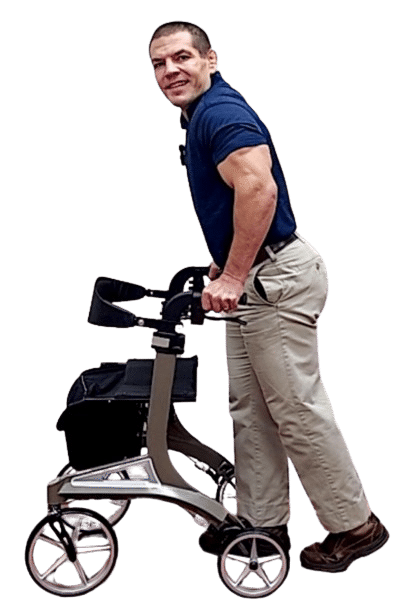
Fit and setup matter more than most people expect. A correct fit makes walking fluid and reduces risk.
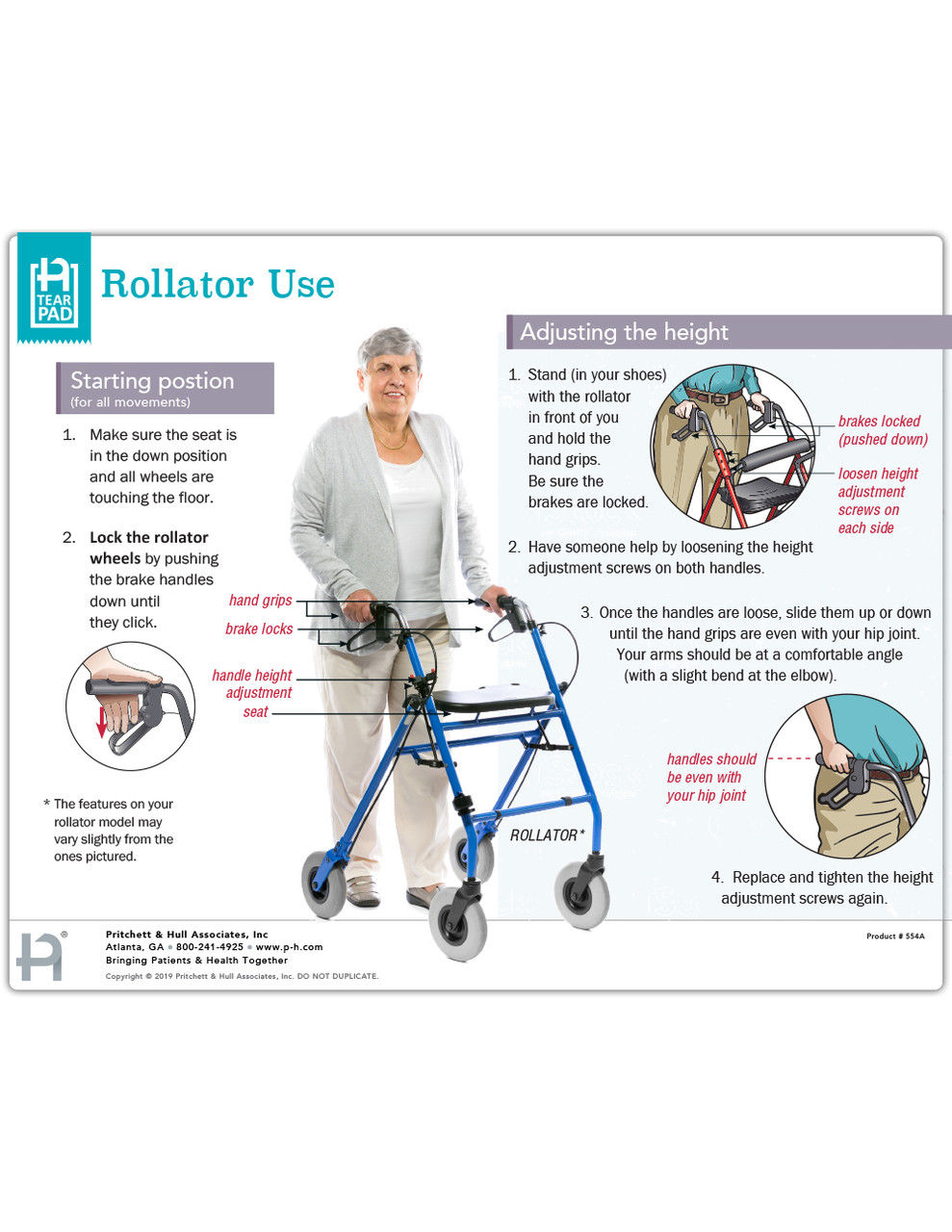
Set handle height
- Stand straight with arms relaxed.
- Set handles so your elbows bend about 20 to 30 degrees when you hold them.
- If the handles are too low or high, you will lean and increase fall risk.
Check brakes before each use
- Squeeze brake levers to ensure they engage.
- Test the locks while holding the handles.
- Learn whether your model has loop brakes or push-down locks.
Adjust seat and accessories
- Ensure the seat locks firmly if folded.
- Secure any bags or baskets. Keep weight centered and low.
Footwear and clothing
- Wear sturdy, closed shoes with non-slip soles.
- Avoid long skirts or trailing clothing that can catch wheels.
Quick safety checklist
- Handles set correctly.
- Brakes working.
- Wheels free of debris.
- Seat folded or locked as intended.

Step-by-step: how to use a rollator walker safely
Follow a consistent routine. Practicing these steps will make movement feel natural.
- Position the rollator
- Place it slightly in front of you so you can push comfortably.
- Stand upright
- Keep shoulders relaxed and look forward.
- Grip both handles
- Hold both handles firmly before moving.
- Release the brakes gently
- Squeeze and release the brakes to allow movement.
- Push, don’t pull
- Move the rollator a short step ahead, then step forward to it.
- Take small steps
- Walk slowly and keep feet under your hips for balance.
- Use brakes when stopping
- Squeeze and hold brakes when standing still.
- To sit
- Lock brakes, back up until you feel the seat, and sit slowly keeping hands on handles.
Practice indoors first. Repeat these steps until they feel automatic. Learning how to use a rollator walker safely means practicing in low-risk spaces before tackling busy or uneven areas.
Navigating common situations while using a rollator walker safely
Different challenges require small adjustments. Here are clear tips for common scenarios.
Doors and narrow spaces
- Approach doors at a slight angle.
- Use brakes to hold position while opening heavy doors.
- Move through narrow areas slowly and sideways if needed.
Curbs and thresholds
- Avoid steep curbs when possible.
- If you must, approach straight on, stop, and lift the front wheels up using body weight, then pull forward.
- Consider a ramp or assistance for higher curbs.
Ramps and hills
- Face uphill and take short steps.
- When going downhill, keep the rollator slightly in front and use brakes to control speed.
- If the slope is steep, ask for help.
Stairs
- Never use a rollator on stairs alone.
- Fold it and carry it, or get help from another person or a caregiver.
- Some staircases have stairlifts or ramps—use them when available.
Uneven ground and gravel
- Walk slowly and keep weight centered.
- Take smaller steps and use your free hand to steady if needed.
Turning and tight corners
- Step slowly and pivot the rollator by guiding it with light pressure.
- Take the turn in a wide arc to prevent tipping.
Common question: Can I use a rollator in the rain?
You can, but go slower. Wet surfaces reduce traction, so use the brakes gently and avoid slippery slopes.
Common question: Is it safe to carry items on a rollator?
Yes, but keep items in the basket to prevent shifting weight. Heavy bags on handles can tip the rollator.

Maintenance and safety checks for long-term safety
Regular checks keep your rollator safe and reliable. Set a simple routine to follow.
Daily quick checks
- Inspect tires and wheels for debris or flat spots.
- Squeeze brakes to confirm they work.
- Ensure handles aren’t loose.
Monthly deeper checks
- Tighten bolts and screws.
- Lubricate moving parts as recommended.
- Inspect the frame for cracks or bends.
Cleaning and storage
- Wipe down after use, especially if exposed to dirt or moisture.
- Store folded in a dry place.
- Avoid leaving outdoors where weather can cause rust.
When to get professional help
- If brakes fail or wheels wobble.
- If you notice cracks in the frame.
- After a fall or collision, have a qualified technician inspect the rollator.
Common mistakes and how to avoid them
Awareness prevents accidents. Here are frequent errors and how to fix them.
Common mistakes
- Handles set too high or too low — correct handle height is essential.
- Leaning on the rollator instead of using it for balance — stand upright.
- Carrying heavy bags on handles — use the basket.
- Skipping brake checks — test brakes every time.
- Using a rollator on stairs — fold and carry or use proper aids.
How to avoid them
- Follow the setup checklist.
- Practice walking in safe places.
- Join a class or work with a therapist for training.

Personal experience and practical tips
I’ve helped many people adapt to rollators. A few real-world tips I learned make a big difference.
What worked for my clients
- Marking the correct handle height with tape. This saved time and kept posture consistent.
- Teaching a three-step routine: set brakes, adjust posture, push. It reduced falls.
- Reinforcing the “push, don’t pull” habit. Pulling often caused imbalance.
Mistakes I’ve seen
- People using the seat like a permanent chair in public spaces. Always lock the brakes before sitting.
- Overloading the basket with heavy items. It caused tipping in one case.
Tip for caregivers
- Walk slightly behind and to the side of the person when first practicing. Offer verbal cues and steady hands if needed.
Benefits and limitations of using a rollator walker safely
Knowing strengths and limits helps set realistic expectations.
Key benefits
- Improved balance and stability.
- Greater walking distance and confidence.
- A built-in seat for safe rest breaks.
Limitations
- Not suitable for stairs.
- Wheels may struggle on very soft or rough terrain.
- Requires some hand strength to use brakes.
Choosing the right aid
- Consider environment, strength, and daily needs.
- Test models to find the best fit for your lifestyle.

Frequently Asked Questions of How to use a rollator walker safely
What is the correct handle height for a rollator?
Handles should be set so your elbows bend about 20 to 30 degrees when you hold them. This keeps your shoulders relaxed and improves balance.
How do I stop safely with a rollator?
Squeeze and hold the brakes firmly before you stop. If your model has a lock, engage it before sitting.
Can I use a rollator on uneven ground?
Yes, but move slowly and take small steps. Avoid very loose or soft surfaces and consider assistance if the terrain is challenging.
How often should I check my rollator for safety?
Do a quick check each day and a deeper inspection monthly. Check brakes, wheels, and frame condition.
Is it safe to sit on the rollator seat?
Yes, if the brakes are engaged and the rollator is on level ground. Always face the seat and back up slowly until you feel it.
Do I need special training to use a rollator?
Training helps but is not always required. A short session with a therapist or trainer can improve safety and confidence.
What should I avoid carrying on my rollator?
Avoid heavy bags hung on the handles. Use the basket and keep weight low and centered to prevent tipping.
Conclusion
Using a rollator can restore mobility and confidence when you learn how to use a rollator walker safely. Start with the right fit, practice the step-by-step routine, check brakes often, and adapt your technique for different surfaces. Small habits—like testing brakes and keeping steps short—make a big difference. Try the tips here, practice in safe spaces, and ask a therapist for a quick check if you feel unsure. Share your experiences below, subscribe for more mobility tips, or leave a comment with questions.

Michael Reynolds is a senior contributor at RetirementGazette.com, where he focuses on helping readers navigate the journey toward a secure and fulfilling retirement. With over a decade of experience in personal finance, retirement planning, and lifestyle writing, Michael combines practical strategies with easy-to-understand guidance tailored for both pre-retirees and those already enjoying their golden years.