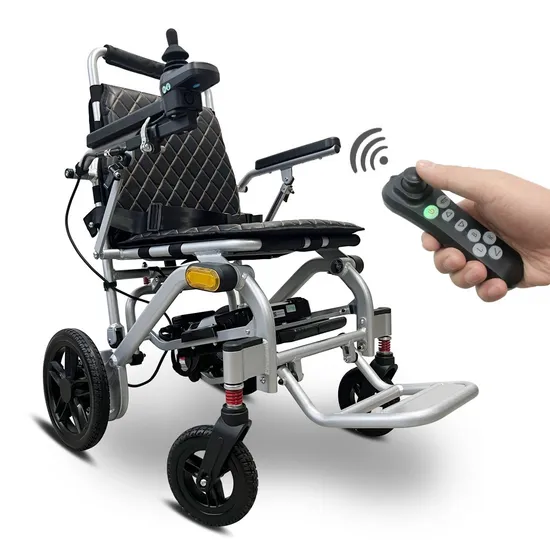
Unlock an electric wheelchair by switching off the lock, releasing the parking brake, or using the manual override.
I have worked with mobility devices for years and helped many users safely free stuck or locked electric wheelchairs. This guide explains clearly how to unlock an electric wheelchair, step by step, with safety tips, troubleshooting help, and real-world tips from hands-on experience. Read on to learn practical methods, when to call a pro, and how to avoid common mistakes.

How electric wheelchair locks work
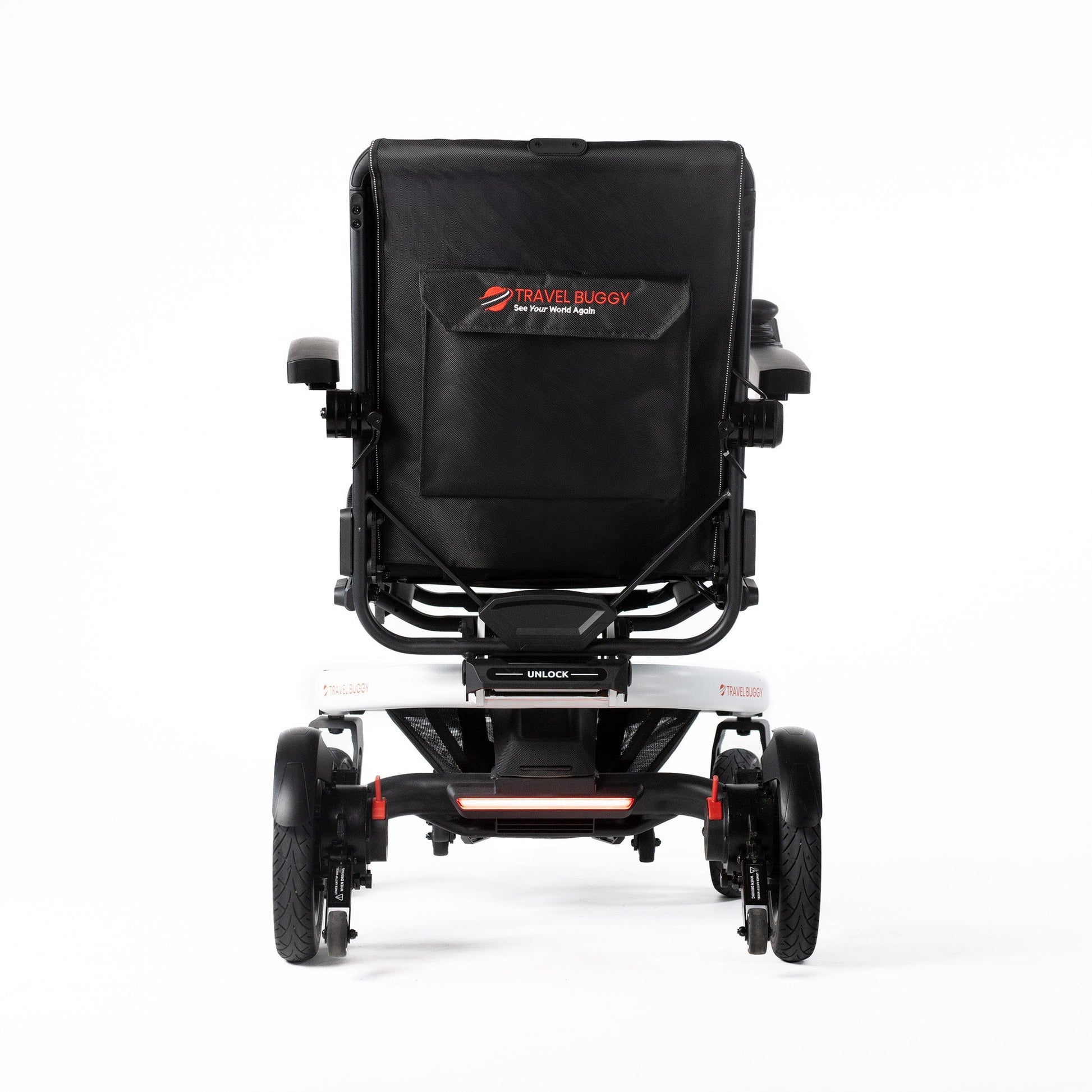
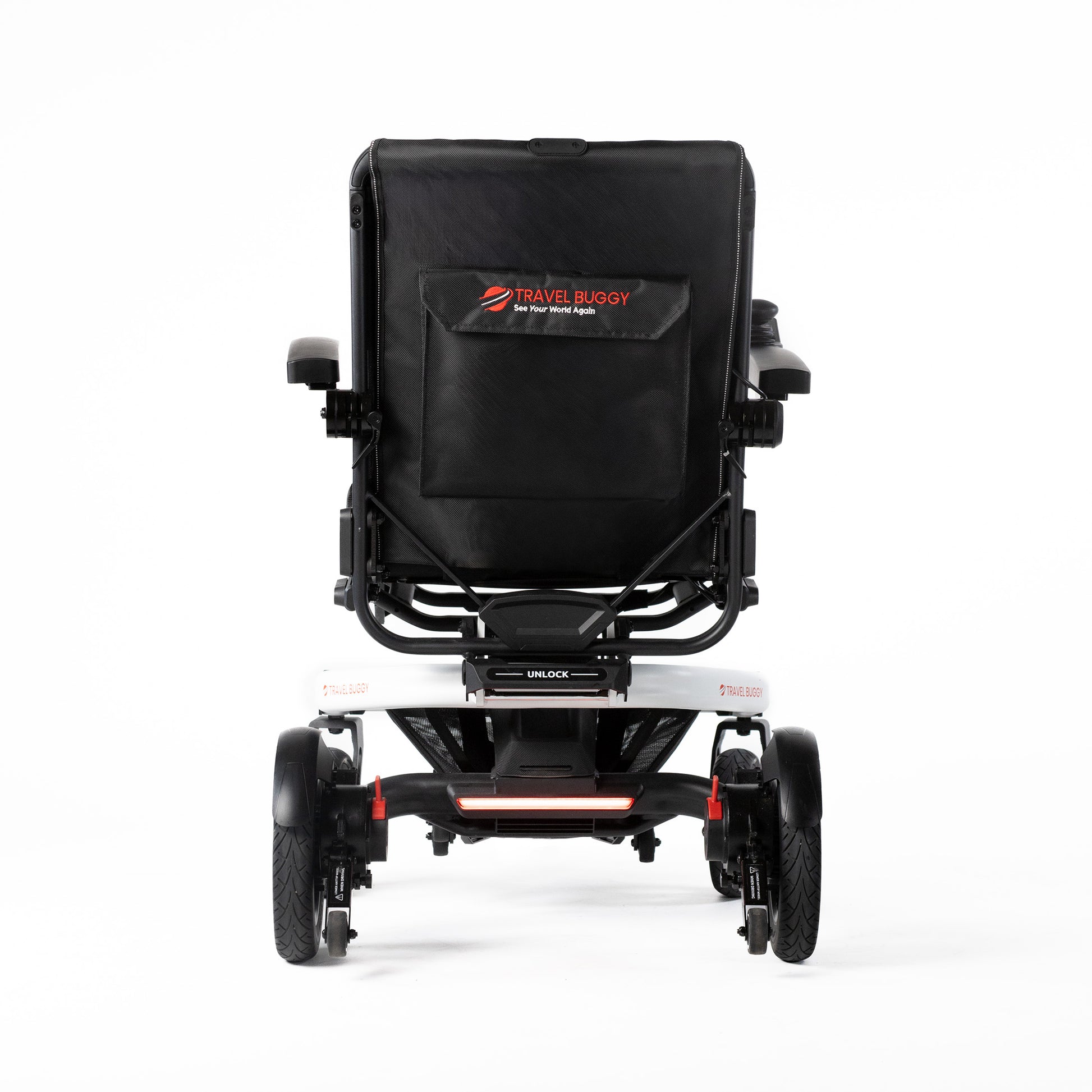
Most power chairs use one or more locking systems. A parking brake holds the wheels when the chair is stopped. An electronic controller can inhibit the motor to prevent movement when locked. Understanding these parts helps you know where to look when you need to unlock your chair.
Common lock types include mechanical brakes, electromagnetic brakes, and controller locks. Each type needs a different approach to unlock. Knowing the type on your chair makes unlocking safer and faster.
When and why you might need to unlock an electric wheelchair
You may need to unlock an electric wheelchair when the chair will not move, when the controller shows a lock symbol, or after a safety cutout. Sometimes a lock engages during transport, battery swapping, or after a fault. Unlocking is also needed when a caregiver must move the chair manually.
Always check the display or error codes first. That tells you if the lock is intentional or a sign of a deeper fault. If you see smoke, burning smell, or loose wiring, stop and get professional help.

Step-by-step: How to unlock an electric wheelchair
Follow these clear steps for how to unlock an electric wheelchair. Use short checks and stay safe.
- Check the controller and display for lock indicators. If the controller shows a lock icon or a message, follow the reset steps in the manual.
- Turn off the chair and remove the key if present. Wait 10 seconds and turn it back on to reset electronic locks.
- Release the parking brake. Locate the lever or switch near the wheel or base and move it to the disengage position.
- Use the manual override for electromagnetic brakes. Many chairs have a manual release knob or cable near the wheel hub; pull it gently to free the brake.
- Inspect the joystick and cables. A stuck joystick or a disconnected cable can make the controller think the chair is locked.
- Move the chair slowly in a safe area after unlocking. Test brakes and steering gently to ensure normal function.
If these steps do not work, avoid forcing parts. For complex faults, call a technician. The manufacturer’s guide often lists model-specific unlock steps and should be followed.

Troubleshooting common problems when unlocking
Issue: controller shows an error code. Action: note the code and consult the manual or support line. Many codes mean low battery, motor fault, or sensor error.
Issue: parking brake won’t release. Action: check for debris, corrosion, or a stuck cable. Apply a small amount of lubricant if safe, or contact a technician if the brake is jammed.
Issue: chair moves slowly after unlocking. Action: inspect battery charge and connections. Low battery or a failing motor can mimic lock behavior.
Issue: joystick does not respond. Action: check wiring at the base and joystick plug. Replace the joystick or call service if the issue is electrical.
Safety tips and precautions
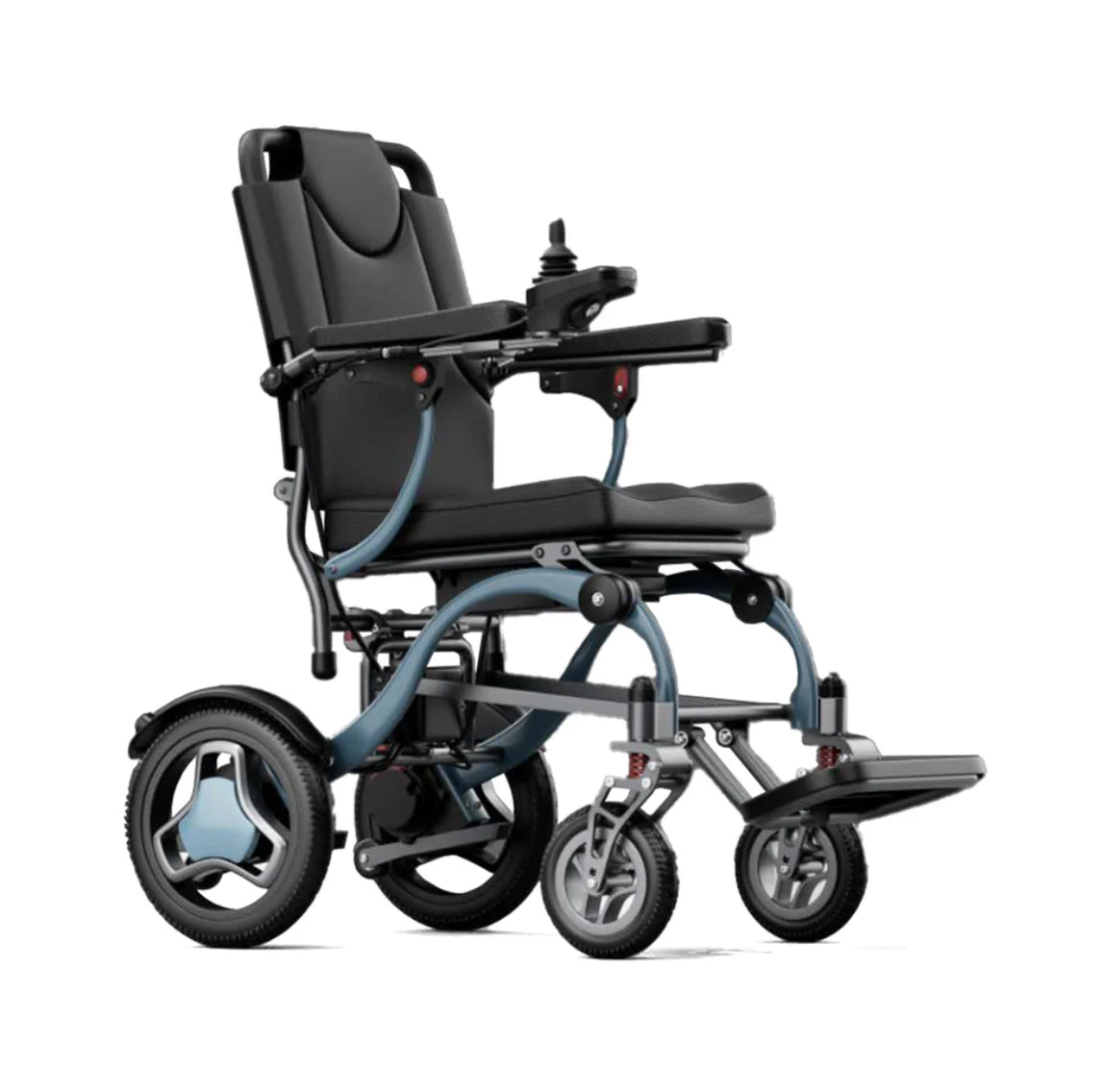
Always follow safety steps for how to unlock an electric wheelchair. Turn off the chair before touching wiring, and use gloves if parts are dirty. Never bypass electronic safety switches for long-term use, as this can cause injury.
When moving a chair manually, secure the user and lock the wheels after repositioning. If you are unsure about an override or control reset, get help from a trained technician or clinician.

Maintenance and prevention
Regular care reduces the need to learn how to unlock an electric wheelchair urgently. Check brakes, cables, and battery health every month. Keep the chair clean and store it in a dry spot to avoid corrosion.
Schedule annual service with a certified technician. Simple checks prevent many lock and controller problems. Good maintenance makes your chair more reliable and safer.
Personal experience and lessons learned
I once helped an elderly client whose chair locked after a rainstorm. The brake had rusted slightly and the controller read a fault. We gently freed the brake, dried connections, and replaced a corroded cable. Since then, I always recommend keeping chairs dry and checking for rust early.
Lesson learned: small issues become big problems fast. Regular checks and honest communication with users prevent emergencies. Never force parts; quiet fixes often avoid costly repairs.
Frequently Asked Questions
How do I know if my electric wheelchair is locked?
A locked electric wheelchair often shows a lock icon or an error code on the controller. The chair may also refuse to move or have the parking brake engaged.
Can I unlock the wheelchair myself?
You can unlock many chairs yourself by following the manual reset, releasing the parking brake, or using the manual brake release. If you see electrical faults, unusual smells, or cannot free the brake, contact a technician.
What if the manual release does not work?
If the manual release does not work, avoid forcing it. Check for debris or corrosion and contact a service provider to prevent damage or injury.
Is it safe to bypass the controller lock?
Bypassing the controller lock is not safe for long-term use and can void warranties. Temporary safe overrides may be used in emergencies, but only follow manufacturer guidelines or a technician’s advice.
How often should I service my electric wheelchair?
Service your chair at least once a year, or more often if you use it daily or in harsh conditions. Regular checks of brakes, batteries, and wiring reduce lock problems.
Conclusion
Knowing how to unlock an electric wheelchair keeps users safe and reduces stress during a lock event. Learn your chair’s lock type, follow the step-by-step checks, and maintain the chair to avoid urgent problems. If in doubt, call a professional for help and never force parts.
Take action today: read your chair manual, perform a quick safety check, and schedule a service if needed. Leave a comment with your experience or questions so others can learn from your story.

Michael Reynolds is a senior contributor at RetirementGazette.com, where he focuses on helping readers navigate the journey toward a secure and fulfilling retirement. With over a decade of experience in personal finance, retirement planning, and lifestyle writing, Michael combines practical strategies with easy-to-understand guidance tailored for both pre-retirees and those already enjoying their golden years.