
Senior care includes in-home help, adult day care, assisted living, memory care, and skilled nursing.
Choosing care for an older adult can feel like finding the right path through a busy maze. The best option depends on health needs, safety, daily tasks, personal wishes, family support, and budget. This guide explains what are the different types of senior care, how each option works, and how to choose with confidence and compassion.

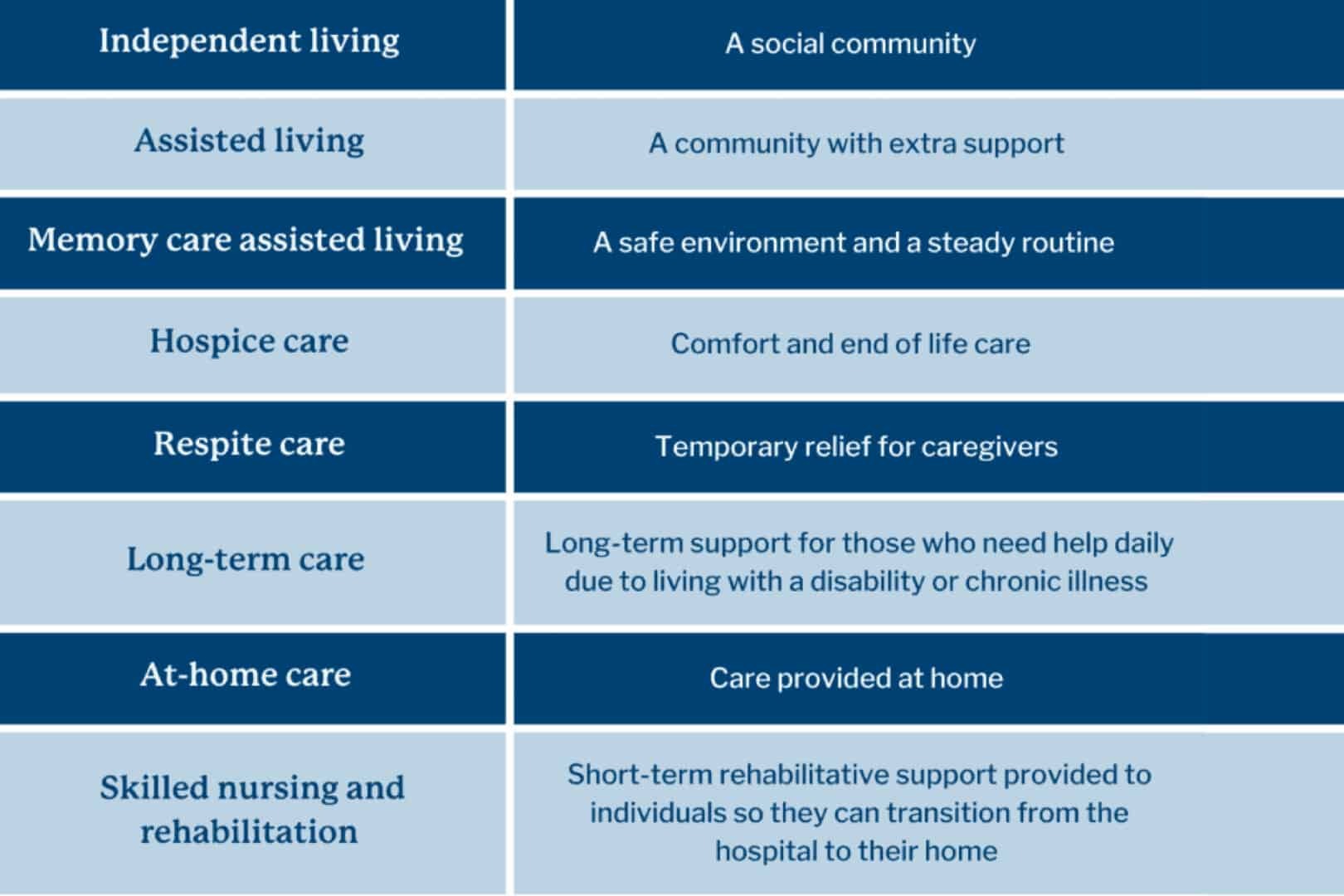
What Are the Different Types of Senior Care?
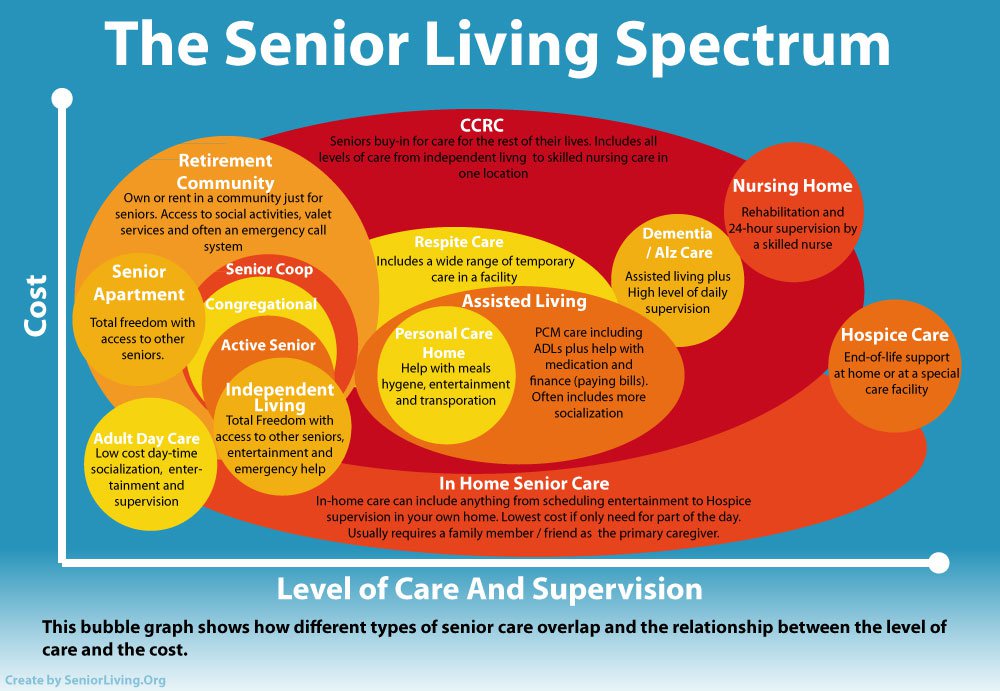
Senior care is not one single service. It includes a wide range of support, from a few hours of help at home to full-time nursing care in a medical setting.
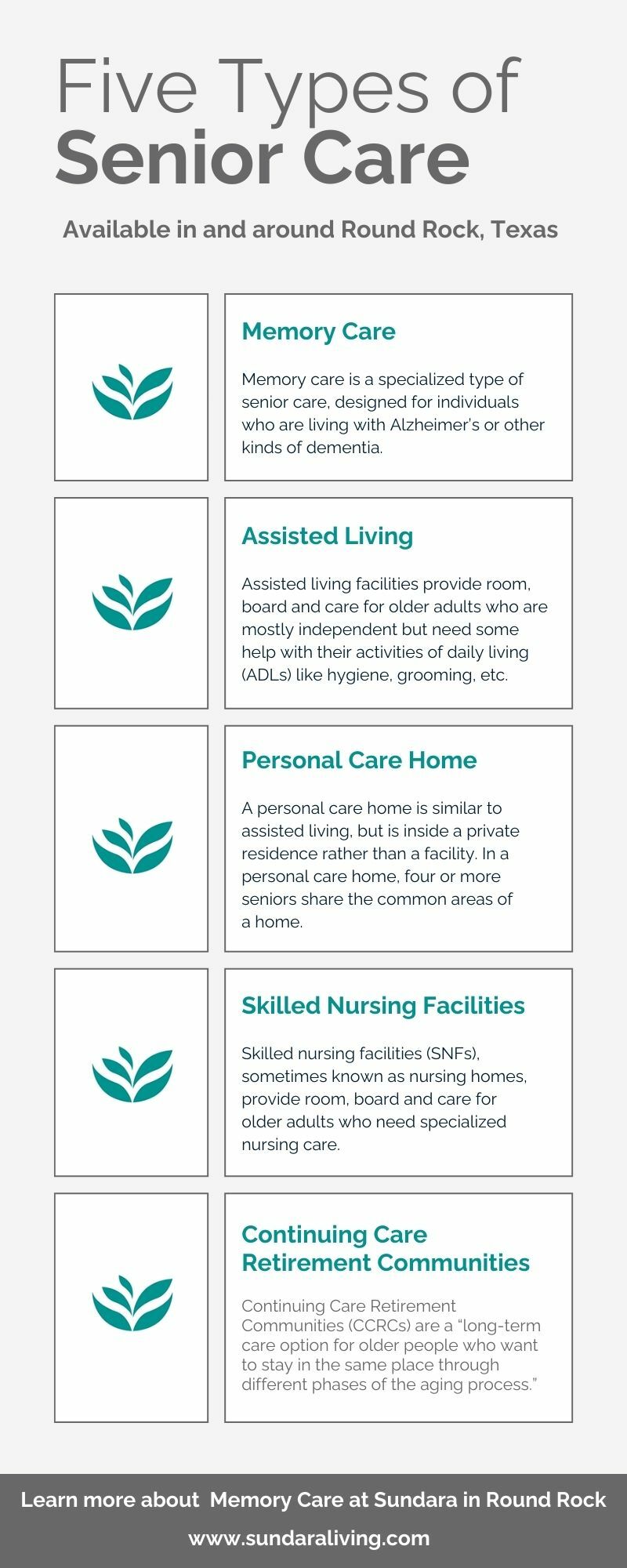
The main types of senior care include:
• In-home care for help with daily tasks or health needs
• Adult day care for daytime supervision, meals, activities, and support
• Independent living for active older adults who want fewer home chores
• Assisted living for people who need help with daily activities
• Memory care for adults living with Alzheimer’s disease or another form of dementia
• Skilled nursing care for complex medical needs and rehabilitation
• Continuing care retirement communities for changing needs over time
• Hospice and palliative care for comfort, symptom control, and quality of life
The right choice can change over time. An older adult may begin with meal delivery or a home aide, then move to assisted living if safety or health needs increase.
In-Home Senior Care
In-home care allows an older adult to remain in a familiar home while receiving support. It can range from a few weekly visits to round-the-clock care.
Nonmedical home care often helps with:
• Bathing, dressing, and grooming
• Toileting and continence care
• Cooking and meal preparation
• Light housekeeping and laundry
• Medication reminders
• Shopping and errands
• Transportation to appointments
• Companionship and social activities
Home health care is different. It usually involves licensed professionals who provide short-term medical services ordered by a doctor. These services may include nursing visits, physical therapy, occupational therapy, speech therapy, or wound care.
Benefits of in-home care
Home care can offer comfort and flexibility. Familiar rooms, neighbors, pets, and routines may help an older adult feel secure.
It may also cost less than residential care when only limited support is needed. However, the cost can rise quickly when a person needs many hours of care each day.
Limits of in-home care
Home care may not be safe when a person wanders, falls often, needs complex medical monitoring, or cannot be left alone. Families also need a backup plan for missed shifts, illness, and emergencies.
A home safety review can help. Common changes include better lighting, grab bars, nonslip mats, stair rails, and removal of loose rugs.

Adult Day Care for Older Adults
Adult day care provides care and activities during the day. Many programs operate on weekdays and allow older adults to return home at night.
Programs may offer:
• Social activities and exercise
• Meals and snacks
• Medication support
• Personal care
• Transportation
• Memory support
• Nursing checks
• Respite for family caregivers
Adult day health programs provide more medical oversight than social day programs. They may serve people with chronic illness, mobility limits, or early to moderate dementia.
This option can be helpful when a family caregiver works during the day. It also gives the older adult a chance to socialize, which may reduce loneliness and isolation.
Adult day care may not work for someone who needs overnight care or has severe behavioral symptoms. Ask about staff training, emergency plans, transportation, and the ratio of staff to participants before choosing a program.
Independent Living Communities
Independent living is designed for older adults who can manage most personal care tasks but want a simpler lifestyle.
These communities may provide:
• Private apartments or homes
• Dining rooms and meal plans
• Housekeeping
• Laundry services
• Transportation
• Fitness rooms
• Clubs and social events
• Maintenance-free living
Independent living is not usually a medical care setting. Staff may help arrange services, but residents often manage their own medications, bathing, dressing, and health decisions.
This option can reduce home upkeep and create more chances for social contact. It may suit a healthy adult who wants to downsize without giving up privacy.
Before moving, ask whether the community can support changing needs. A community may seem ideal at first but become unsuitable if the resident later needs help with transfers, memory loss, or medication management.

Assisted Living
Assisted living supports older adults who need help with daily activities but do not require constant skilled nursing care.
Residents often live in private or shared apartments. Services may include:
• Help with bathing, dressing, and grooming
• Medication management
• Meals and snacks
• Housekeeping and laundry
• Transportation
• Social activities
• Emergency response systems
• Wellness checks
Assisted living offers more support than independent living but less medical care than a nursing home. Staff may be available at all times, yet the level of supervision varies by community.
A useful way to think about assisted living is as a bridge. It supports independence while adding help where daily life has become difficult.
Who may benefit from assisted living?
Assisted living may help someone who:
• Has trouble preparing meals
• Needs help taking medicines correctly
• Has fallen or feels unsafe alone
• Needs help with bathing or dressing
• Feels isolated at home
• Can no longer manage home maintenance
It may not be suitable for a person who needs complex medical care, total assistance, or secure supervision for advanced dementia. Some communities can provide higher levels of care, but policies differ.
Questions to ask during a tour
Ask direct questions. Clear answers matter more than attractive furniture.
• What services are included in the monthly fee?
• What costs extra?
• How are care needs assessed?
• How often can the care plan change?
• Is a nurse on-site at all times?
• What happens after a fall or medical emergency?
• Can residents stay if their needs increase?
• How many staff members work on each shift?
• Are there recent inspection reports or complaints?

Memory Care
Memory care is a specialized form of senior care for people with Alzheimer’s disease, dementia, or serious memory problems.
Memory care communities often include:
• Secured entrances and exits
• Staff trained in dementia support
• Structured daily routines
• Activities that support memory and function
• Help with personal care
• Medication management
• Meals and hydration support
• Plans for wandering or difficult behavior
A calm routine can reduce confusion. Simple signs, familiar objects, good lighting, and quiet spaces may help residents move through the day with less stress.
Memory care is not a cure for dementia. It provides supervision and support as thinking, judgment, communication, and physical skills change.
What makes memory care different?
The setting is designed around safety and cognitive support. Staff may use redirection instead of arguing when a resident is confused. They may also track changes in eating, sleep, mood, walking, and behavior.
Families should ask about staff training and turnover. They should also learn how the community handles falls, wandering, aggression, sleep problems, and hospital visits.
A memory care unit should protect residents without treating them like children. Respect, choice, privacy, and dignity remain important at every stage.

Skilled Nursing Facilities and Nursing Homes
Skilled nursing care is for people who need regular nursing services or rehabilitation. It may be short term or long term.
Short-term skilled care may help after:
• A hip replacement
• A stroke
• A serious illness
• A hospital stay
• A fall or fracture
• An infection
Services may include nursing care, physical therapy, occupational therapy, speech therapy, wound care, and help with daily activities.
Long-term nursing home care supports people who have ongoing medical or physical needs. Some residents need help with feeding, transfers, breathing equipment, complex medications, or continuous monitoring.
Nursing homes provide more medical support than assisted living. They may also feel more clinical, so it is important to look for warmth, respect, clean spaces, and meaningful activity.
How to evaluate a nursing facility
When visiting, notice more than the tour guide’s presentation.
• Are residents clean, comfortable, and treated with respect?
• Do staff respond promptly to call lights?
• Does the facility smell clean?
• Are meals appealing and served safely?
• Do residents have access to outdoor areas?
• Is there a licensed nurse on each shift?
• Does the facility explain care plans clearly?
• Are family visits welcomed?
• How does the facility report changes in condition?
Government inspection records, staffing information, and quality ratings can provide useful details. They should not be the only factors, but they can help families compare facilities.

Continuing Care Retirement Communities
A continuing care retirement community, often called a CCRC, offers several levels of housing and care in one system.
A resident may begin in independent living and later move to assisted living or skilled nursing on the same campus. This can reduce the stress of relocating when health needs change.
CCRCs may include:
• Independent homes or apartments
• Assisted living units
• Memory care
• Skilled nursing
• Dining and wellness services
These communities often require an entrance fee and monthly payments. Contracts vary widely. Some include future care at a set rate, while others charge based on the level of service used.
Review the contract with a qualified financial or legal professional. Pay close attention to refund rules, fee increases, health requirements, and what happens if finances change.
A CCRC can offer stability, but it may not be the best fit for someone who wants to remain at home or has limited savings.
Hospice and Palliative Care
Palliative care focuses on comfort and quality of life at any stage of a serious illness. It can happen alongside treatment intended to slow or manage the illness.
Support may include:
• Pain and symptom control
• Emotional support
• Help with care decisions
• Family counseling
• Spiritual care
• Communication with doctors
Hospice care is intended for people who are likely near the end of life and choose comfort-focused treatment. Hospice may be provided at home, in a hospice facility, in a nursing home, or in some assisted living communities.
Hospice does not mean that care stops. It means the goals of care change. The team focuses on comfort, dignity, support, and the person’s wishes.
Families should discuss palliative care early when an illness becomes difficult to manage. Waiting until a crisis can limit choices and increase stress.
Respite Care for Family Caregivers
Respite care gives unpaid caregivers a temporary break. A family member may need time for work, travel, sleep, medical care, or personal tasks.
Respite care may take place:
• In the older adult’s home
• At an adult day program
• In an assisted living community
• In a nursing facility
• Through a family caregiver
Even a short break can help prevent exhaustion. Caregiving is demanding, and needing help does not mean a family member has failed.
Before arranging respite care, write down the person’s routines, medications, food preferences, mobility needs, emergency contacts, and communication style. A simple care notebook can make the handoff smoother.
How to Choose the Right Type of Senior Care
Choosing care starts with an honest assessment. Focus on what the older adult needs today and what may change in the next six to twelve months.
Step 1: List the care needs
Write down the tasks that cause trouble. Include bathing, dressing, walking, eating, toileting, medication use, cooking, driving, and managing money.
Also note safety concerns. Falls, wandering, missed medicines, unsafe driving, and leaving the stove on may point to a need for more support.
Step 2: Ask the older adult what matters
Care works best when the person has a voice in the plan. Ask about privacy, location, pets, food, faith, routines, and social life.
Do not assume that safety is the only goal. Quality of life matters too.
Step 3: Speak with health professionals
A primary care clinician can help identify medical needs. A social worker, occupational therapist, hospital discharge planner, or Area Agency on Aging may also offer guidance.
Ask for a functional assessment if you are unsure how much help is needed. This can clarify whether home care, assisted living, rehabilitation, or nursing care is appropriate.
Step 4: Build a realistic budget
Care costs depend on location, hours, medical needs, room type, and services. Review:
• Monthly fees
• One-time deposits
• Medication costs
• Transportation charges
• Personal care fees
• Therapy costs
• Insurance coverage
• Long-term care insurance
• Veterans benefits
• Medicaid eligibility
Medicare may cover certain short-term skilled services when eligibility rules are met. It generally does not pay for most long-term custodial care. Medicaid rules vary by state, so families should seek local advice.
Step 5: Visit and compare
Visit more than one provider when possible. Try to visit during a meal or a busy shift, not only during a scheduled tour.
Trust your observations. Do staff greet residents by name? Do residents appear engaged? Are answers clear and consistent?
Step 6: Recheck the plan
Senior care needs can change after illness, injury, or memory loss. Review the care plan after a hospital stay and whenever daily tasks become harder.
Common Mistakes Families Should Avoid
Many families make decisions during a crisis. Planning early can reduce pressure and improve choices.
Avoid these common mistakes:
• Waiting until a fall forces an urgent move
• Choosing a facility based only on appearance
• Failing to ask about extra fees
• Ignoring the older adult’s preferences
• Assuming all assisted living communities offer the same care
• Forgetting to check staff turnover
• Not reviewing contracts
• Overlooking transportation needs
• Failing to create a backup plan
• Treating dementia care like ordinary senior care
One practical lesson is to keep written notes after every call and visit. Record names, promises, prices, and follow-up dates. Memory can become unreliable when a family is tired or worried.
It also helps to name one family contact. Too many voices can confuse staff and lead to missed information.
Paying for Senior Care
The cost of senior care varies greatly across the United States. Location, care level, staffing, housing, and length of service all affect the price.
Possible payment sources include:
• Personal savings and retirement income
• Long-term care insurance
• Medicaid
• Veterans benefits
• Medicare for eligible short-term medical services
• Supplemental insurance
• Home equity
• Family contributions
• State or local assistance programs
Long-term care insurance policies may have waiting periods, daily limits, and specific requirements. Read the policy before assuming it will cover every service.
A benefits counselor or elder law attorney can help explain Medicaid planning, veterans programs, and estate concerns. Avoid anyone who promises guaranteed benefits or pressures you to transfer assets quickly.
Financial planning should protect both the older adult and the caregiver. Do not make large decisions without understanding taxes, contracts, legal duties, and future care needs.
How Senior Care Supports Families
Senior care does more than help with tasks. It can protect relationships.
When one family member provides every meal, bath, ride, and medication reminder, frustration can build. Professional support may allow family members to return to being spouses, children, siblings, or friends.
Good care also creates another set of eyes. A trained caregiver may notice a change in walking, appetite, mood, skin, or memory. Early notice can lead to faster medical attention.
Still, professional care does not replace family connection. Calls, visits, shared meals, photos, music, and familiar stories remain powerful forms of support.
Frequently Asked Questions About What Are the Different Types of Senior Care
What are the different types of senior care for someone who wants to stay home?
In-home care, home health care, meal delivery, transportation services, and adult day care can support aging at home. The best combination depends on whether the person needs help with daily tasks, medical care, supervision, or social contact.
What is the difference between assisted living and a nursing home?
Assisted living mainly helps with daily activities, meals, medication support, and housing. A nursing home provides a higher level of medical and nursing care for people with complex or ongoing health needs.
Is memory care different from assisted living?
Yes. Memory care is designed for people with dementia and usually includes secure spaces, specialized staff training, structured routines, and support for wandering or confusion. Some assisted living communities offer memory care, but the services and safety features can differ.
Does Medicare pay for senior care?
Medicare may cover certain medically necessary, short-term skilled services when eligibility requirements are met. It generally does not cover most long-term custodial care, such as ongoing help with bathing, dressing, or supervision.
When should a family consider senior care?
Consider senior care when daily tasks, safety, medication use, nutrition, or memory problems become difficult to manage. A fall, repeated hospital visit, caregiver burnout, or inability to stay alone may signal that more support is needed.
Can an older adult receive more than one type of senior care?
Yes. Someone may use home health care, in-home personal care, adult day care, and respite care at the same time. Care plans can combine services to meet medical, social, and daily living needs.
How can families compare senior care providers?
Visit providers, ask about staffing and fees, review inspection information, and speak with current residents or families when possible. Also confirm that the provider can meet both current needs and likely future needs.
Conclusion
The different types of senior care range from in-home assistance and adult day programs to assisted living, memory care, skilled nursing, hospice, and continuing care communities. Each option has benefits and limits, so the best choice depends on health, safety, preferences, family support, and finances.
Start by listing daily needs, talking with the older adult, consulting trusted professionals, and visiting care providers. Early planning gives families more choices and helps older adults keep dignity and control.
Use this guide as a starting point, explore local resources, and share your questions or experiences with a trusted caregiver support group.

Michael Reynolds is a senior contributor at RetirementGazette.com, where he focuses on helping readers navigate the journey toward a secure and fulfilling retirement. With over a decade of experience in personal finance, retirement planning, and lifestyle writing, Michael combines practical strategies with easy-to-understand guidance tailored for both pre-retirees and those already enjoying their golden years.