
Pick an electric wheelchair that matches your mobility, home, battery range, controls, and budget.
Choosing how to choose an electric wheelchair takes thought, facts, and real-world testing. I write about mobility gear daily and I have helped many users pick chairs that fit life and home. This guide breaks down options, measurements, features, costs, and tips so you can choose with confidence. Read on to learn clear steps for how to choose an electric wheelchair that fits your needs, your body, and your lifestyle.

Understand your mobility needs
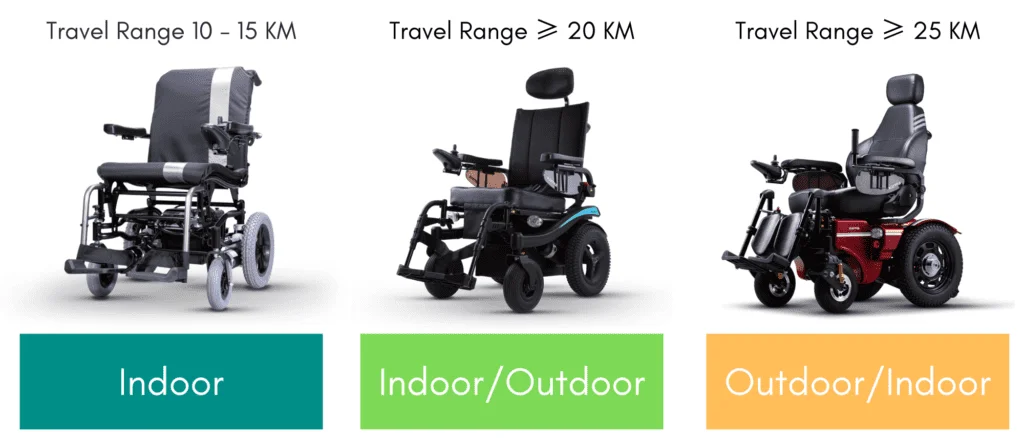
Start by listing how you move now and how you want to move. Think about where you will use the chair most. Do you need a chair for indoors only, outdoors, or both? Do you need tight turns in small rooms or long-range travel?
Important factors to note
- Daily distance you travel
- Typical surfaces you use: carpet, tile, pavement, grass
- Home layout: narrow doorways or steep ramps
- Your strength and sitting tolerance
This step guides the rest of your choices for how to choose an electric wheelchair.

Types of electric wheelchairs and which suits you
There are clear types. Each type fits a use case. Match type to your lifestyle.
Common types
- Compact and travel chairs: Light and foldable. Best for quick trips and travel.
- Mid-wheel or indoor chairs: Small turning radius. Best for homes and crowded places.
- Front-wheel drive: Good for rough outdoor terrain and uneven ground.
- Rear-wheel drive: Stable at speed and on long outdoor trips.
- Heavy-duty and all-terrain chairs: Built for rough paths, hills, and strong weight capacities.
- Pediatric and custom chairs: Built for children or unique support needs.
Choosing the right type is a key part of how to choose an electric wheelchair. In my experience, testing a chair in the real home made the choice clear. I once helped a client swap a travel chair for a mid-wheel model because the home had tight turns. That change saved frustration every day.

Key features to compare
Focus on features that matter to your life. These features affect comfort, safety, and independence.
Must-check features
- Seat width and depth: Get firm measurements from a clinician or use a tape.
- Back support and cushions: Pressure relief is vital for long sits.
- Drive range: How many miles per full charge you need.
- Top speed: Usually 3–8 mph; choose based on comfort and local rules.
- Turning radius: Smaller radius for tight indoor spaces.
- Weight capacity: Match to your body weight with margin for gear.
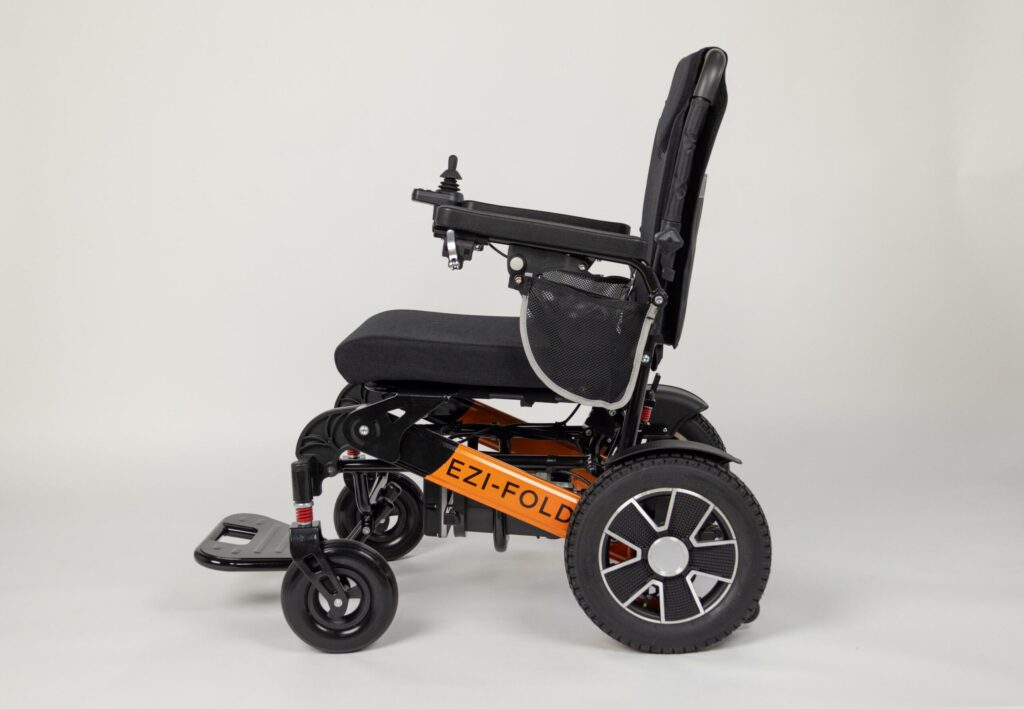
- Portability: Can it fold or disassemble for transport?
- Controls: Joystick, touchpad, or alternative controls for limited hand movement.
- Suspension and tires: Smooth ride on rough ground.
- Safety features: Anti-tip wheels, seat belts, lights, and reflectors.
These points help you answer how to choose an electric wheelchair for daily life. Test chairs when possible. I recommend at least a 15-minute test ride indoors and outdoors.

Measurement and seating fit
A wrong fit causes pain and poor posture. Measure well and involve a clinician for complex needs.
Important measurements
- Hip width while seated
- Thigh length for seat depth
- Shoulder width for back support
– Popliteal height for footplate position - Overall height for headrests and transfers
Fit tips
- Add 1 inch to hip width for comfort.
- Aim for feet flat and knees at 90 degrees.
- Use pressure-relief cushions for long use.
Correct fit is central to how to choose an electric wheelchair that keeps you safe and comfortable.

Power, battery, and range considerations
Battery life decides how far you can go. It also affects chair weight and cost.
What to check
- Amp-hour rating of batteries: Higher means longer range.
- Expected range per charge: Match daily use plus a safety buffer.
- Charging time and available chargers
- Removable batteries for travel or spare packs
- Battery warranty and replacement cost
Note that hills, user weight, and terrain reduce range. Plan for 20–30% buffer. I learned this when a hill-heavy commute cut my expected range in half. Choose a battery plan that covers real use.

Controls and accessibility options
Controls must match your abilities. Test several options.
Control choices
- Standard joystick: Most common and easy to learn.
- Alternative controls: Sip-and-puff, head controls, chin controls, or switch scanning.
- Programmable sensitivity: Helps users with tremor or low strength.
- Dual controls: Useful for caregivers who may need to steer.
Always try controls in real tasks like turning, backing up, and navigating doorways. Choosing controls is a big factor when you decide how to choose an electric wheelchair.
Terrain, home layout, and environmental fit
Think about where you spend most time. The chair must suit those places.
Questions to answer
- Are there stairs or just ramps?
- Are doorways narrow?
- Is outdoor ground uneven or paved?
- Do you need to transport the chair in a vehicle?
Make a simple home audit. Measure door width, ramp angles, and car trunk space. I once advised widening a doorway instead of buying a bulky chair. Small home mods often cost less than a specialty chair.

Accessories and comfort upgrades
Accessories boost comfort and function. Pick what you will use daily.
Useful accessories
- Cushions for pressure relief
- Elevating leg rests for swelling
- Tray tables and cup holders
- Lighting and horn kits for safety
- Transfer boards and lifts for vehicle moves
Decide which extras you need now and which can be added later. This keeps the initial purchase simpler and more affordable.
Budget, insurance, and maintenance
Price varies widely. Know your options and total cost of ownership.
Budget tips
- Note purchase price, batteries, and accessories.
- Ask about warranties and in-home service.
- Check insurance, Medicare, or local programs for coverage.
- Factor maintenance and repairs into yearly cost.
Some insurers require specific medical justification. Work with your doctor to document needs. I once helped a client with a clear mobility report that secured coverage. Proper paperwork matters.
Step-by-step guide to choosing the right chair
Follow simple steps to decide with clarity. This checklist keeps things organized.
Steps to follow
- List daily tasks and typical routes.
- Measure your body and home spaces.
- Set a budget and check coverage options.
- Narrow to 2–3 chair types that match needs.
- Test chairs in real settings for at least 15 minutes.
- Compare specs: range, weight capacity, turning radius.
- Ask about warranty, service, and spare parts.
- Choose a chair and plan follow-up fittings.
This clear process helps you learn how to choose an electric wheelchair with less stress.
Common trade-offs and limitations
No chair fits all needs. Be ready to prioritize.
Typical trade-offs
- Portability vs. range: Lighter chairs usually have less battery range.
- Indoor agility vs. outdoor comfort: Small turning radius may not handle rough ground well.
- Cost vs. features: Premium features raise price but may improve quality of life.
Be honest about priorities. I advise starting with must-haves and then adding wants. That way you buy what you truly need.
PAA-style questions (short answers)
What is the main thing to consider when choosing a power chair?
- Match the chair to your daily terrain and distance needs. Comfort and fit are next.
How far will a typical electric wheelchair go on a full charge?
- Most standard chairs go 8–20 miles per charge, depending on battery and conditions.
Can I fly with an electric wheelchair?
- Many airlines allow battery-powered chairs, but rules vary. Check battery type and airline policies in advance.
Frequently Asked Questions about How to choose an electric wheelchair
What basic measurements do I need before shopping?
Measure hip width, seat depth, and popliteal height. Also check doorway widths and car trunk space.
How important is testing the wheelchair in real life?
Very important. A short home and outdoor test shows true fit and function that specs cannot.
Can my insurance cover an electric wheelchair?
Often yes, if you have a medical need and proper documentation. Coverage rules vary by insurer and region.
How long do batteries usually last before replacement?
Batteries often last 1–3 years with regular use. Lifespan depends on charging habits and workload.
Do I need a custom wheelchair or will a standard model work?
Many people do fine with standard models. Choose custom seating if you have severe posture needs or skin risk.
Are lightweight travel chairs less durable?
They are lighter and easier to transport but may wear faster on rough terrain. Choose based on your primary use.
Conclusion
Choosing the right electric wheelchair starts with clear needs, good measurements, and real tests. Focus on fit, battery range, controls, and home compatibility. Start small: list needs, test models, and check warranties. Take action today by measuring your space and booking a test drive. If you found this guide helpful, try a local demo, ask a clinician for a fit check, or leave a comment with your questions.

Michael Reynolds is a senior contributor at RetirementGazette.com, where he focuses on helping readers navigate the journey toward a secure and fulfilling retirement. With over a decade of experience in personal finance, retirement planning, and lifestyle writing, Michael combines practical strategies with easy-to-understand guidance tailored for both pre-retirees and those already enjoying their golden years.