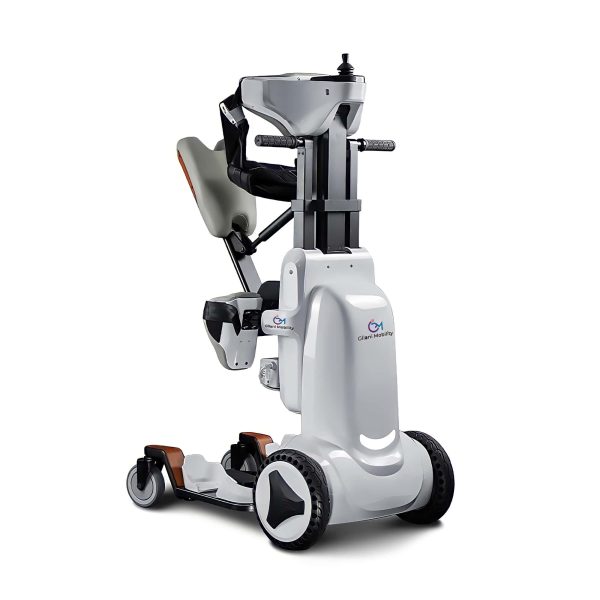
Electric wheelchairs grew from adding motors and simple controls to manual chairs over many decades.
I have researched mobility tech and worked with clinicians and users. This article explains how the electric wheelchair was developed, step by step. You will learn the history, key inventors, technical shifts, real-world impact, and what the future holds. Read on for a clear, experience-backed guide to how the electric wheelchair was developed and why it matters.
Early history: from manual chairs to powered mobility
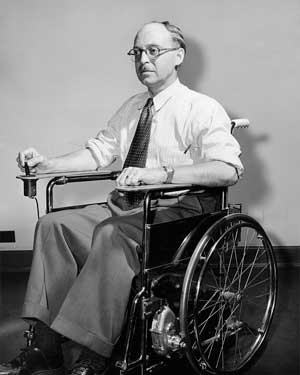
The story of how the electric wheelchair was developed begins with simple, human-powered chairs. Inventors and clinicians sought ways to help people move with less effort. Early 20th century innovations added pedals and gears to chairs. After World War II, demand rose as injured veterans needed new mobility solutions.
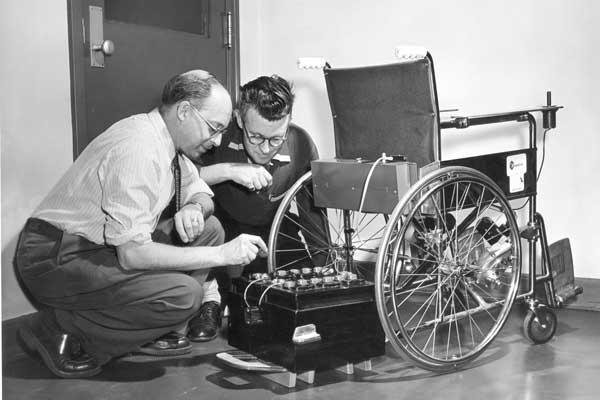
Research labs, hospitals, and engineers teamed up. They experimented with small motors and batteries. These efforts turned manual chairs into practical, powered machines. This is where the idea of an electric wheelchair first took strong shape.
Key milestones and inventors who shaped development
A few moments changed the course of development. Small companies started making commercial models in the 1950s and 1960s. Early pioneers focused on reliability and simple controls. Engineers tuned motors to be safe at low speeds for indoor use.
Medical professionals helped define user needs. They advised on seat height, stability, and control placement. These real-world tests guided designers to make chairs more comfortable and practical. Over time, standards and safety rules emerged to protect users and builders.
Technology evolution: motors, controls, and batteries
Electric motors
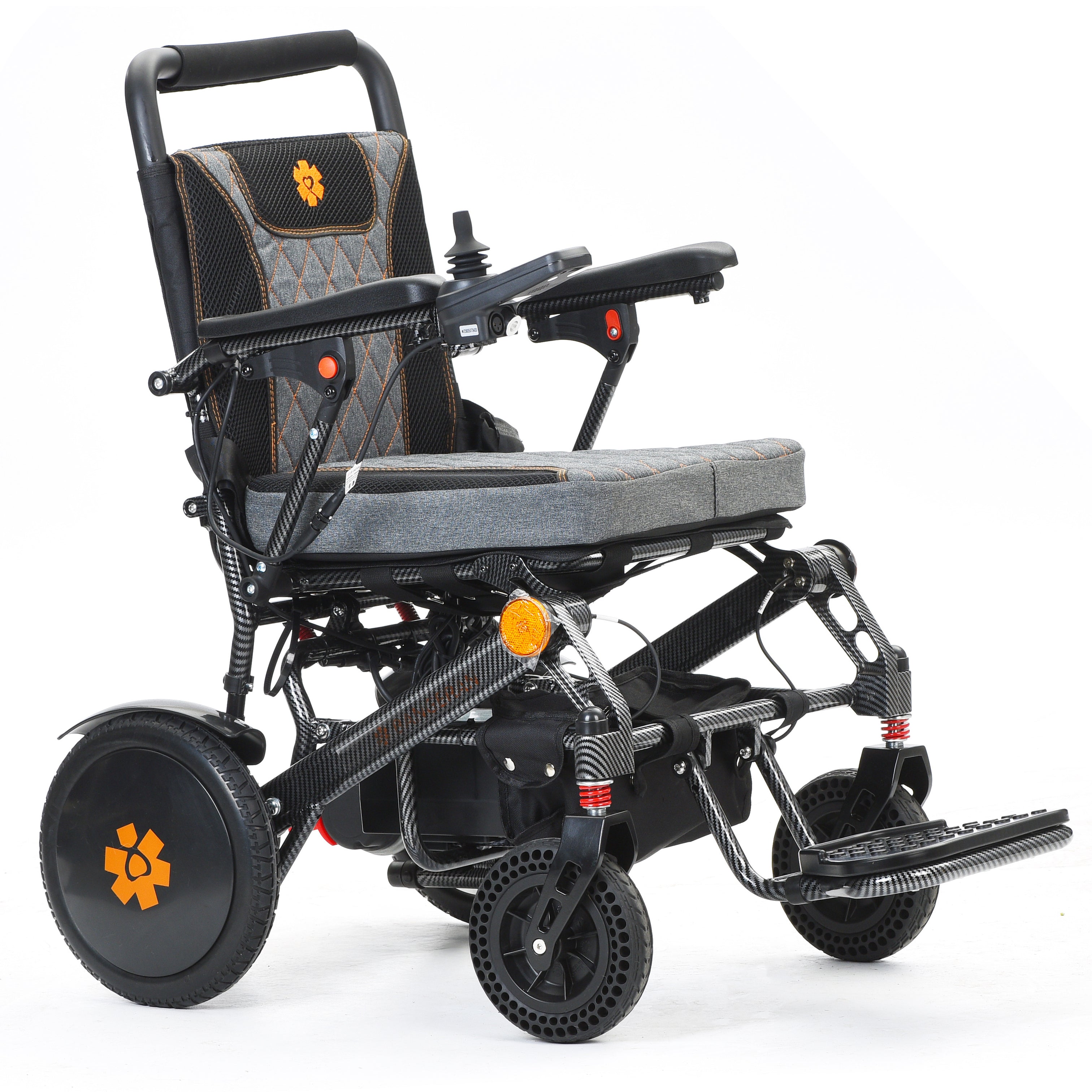
Motors got smaller and stronger as power electronics advanced. Brushed DC motors were common early on. Later, brushless motors improved efficiency and reduced maintenance.
Control systems
Simple joystick controls became the norm for individual use. Electronic controllers allowed smoother starts and stops. Safety features like anti-tippers and speed limiters were added.
Battery progress
Battery tech was a major driver in how the electric wheelchair was developed. Lead-acid batteries were common early on. The shift to sealed lead-acid improved safety and convenience. Lithium-ion batteries later expanded range and cut weight.
Materials and chassis
Frames moved from heavy steel to lighter alloys. Designers balanced strength with maneuverability. Wheel size and suspension improved for different terrains.
PAA-style questions
What powered the first electric wheelchairs?
Early models used small electric motors and lead-acid batteries. These components gave short range but allowed indoor use.
When did joysticks become common?
Joysticks became widely used in the 1960s and 1970s. They offered simple, intuitive control for many users.
Why did battery tech matter so much?
Batteries determine range, weight, and charge time. Better batteries made electric wheelchairs more usable every day.
Design, ergonomics, and accessibility impact
Design choices changed how people lived. Wider seats, tilt functions, and modular parts improved comfort. Ergonomic controls made driving easier for users with limited hand strength.
Accessibility standards pushed manufacturers to think beyond the chair. Curb cuts, ramps, and transport rules expanded mobility options. The way the electric wheelchair was developed influenced urban planning and public access policies.

Modern innovations and smart features
Recent advances reshape use and capability. Key trends include:
- Smart controls that link to phones and other devices
- Power-assist systems that augment manual pushchairs
- All-terrain drive systems for outdoor use
- Seat sensors to prevent pressure sores
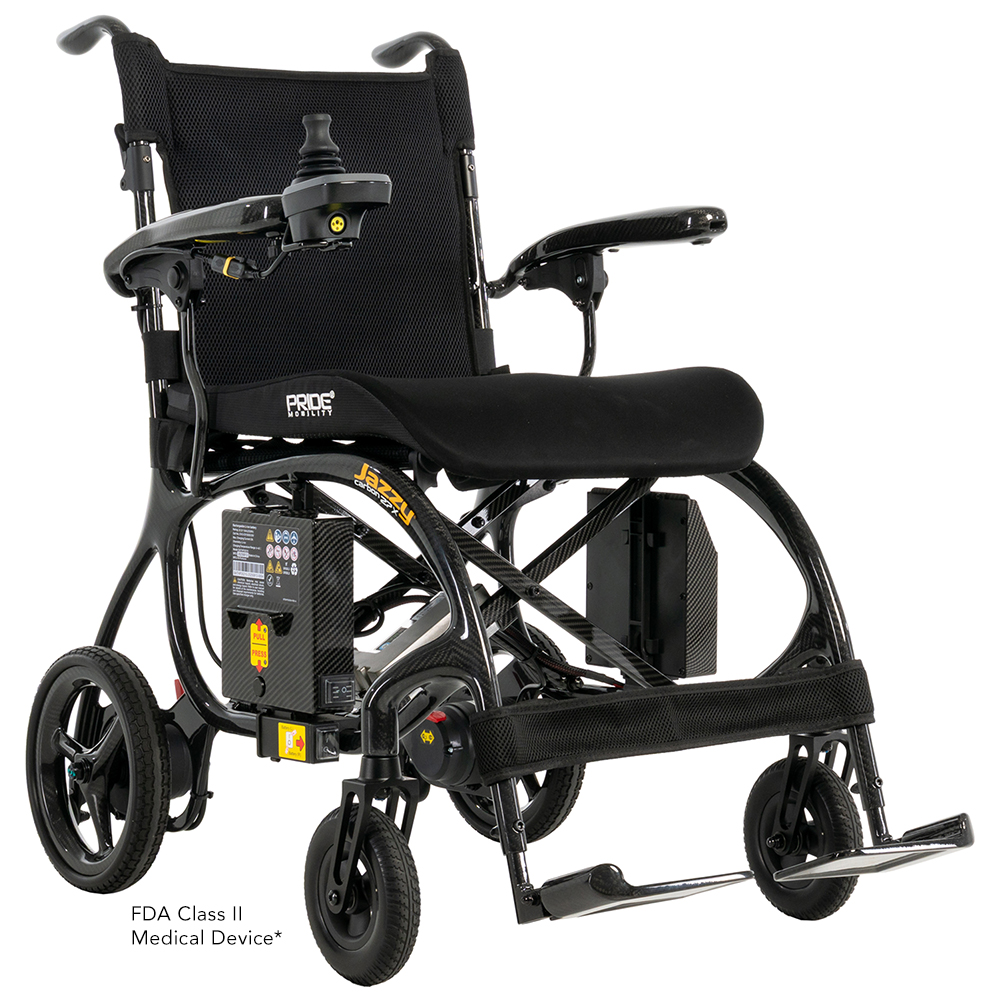
- Lightweight carbon and composite frames
Autonomous driving features and voice control are being prototyped. These add safety and independence. As computing and sensors improve, new models will be more adaptive and connected. The way the electric wheelchair was developed continues to evolve with each tech leap.

Real-world benefits and limitations
Benefits
- Greater independence in daily life and travel
- Reduced fatigue and risk of injury for caregivers
- Expanded social and work opportunities for users
Limitations
- Cost can be high, especially for advanced models
- Repairs and spare parts are sometimes limited in remote areas
- Battery life and weight remain practical concerns
Understanding both sides helps users pick the best option. I advise testing chairs on real terrain and tasks before buying.
Personal experience, tips, and lessons learned
From testing devices and talking with users, I learned what matters most. Comfort and control placement beat flashy extras for many users. Range matters less than predictable battery performance. Here are practical tips:
- Try several control types before deciding
- Check seat adjustments and pressure relief options
- Ask about service plans and part availability
- Factor transport and storage needs into your choice
Mistakes to avoid include buying solely on specs and not testing transport compatibility. My work with therapists showed that small, real-world tests reveal long-term satisfaction.
Frequently Asked Questions of How was the electric wheelchair developed
How did the electric wheelchair originate?
Electric wheelchairs began by adding motors to manual chairs in the mid-20th century. Medical needs and tech advances pushed the change.
Who helped design early electric wheelchairs?
Engineers, doctors, and users worked together to refine safety, comfort, and controls. Hospitals and labs played key roles in testing.
What technological advances mattered most?
Improvements in motors, controls, and batteries were most important. Lighter frames and better sensors also made big differences.
When did electric wheelchairs become common?
They became more common from the 1960s onward, with wider adoption in the 1970s and 1980s. Public demand and rehab care increased access.
Are modern electric wheelchairs safe for daily use?
Yes, modern models include safety features like anti-tip systems and speed control. Regular maintenance and proper training boost safety.
How has battery technology influenced development?
Better batteries increased range and cut weight, which made chairs more practical. This change helped the electric wheelchair become a daily mobility tool.
Can electric wheelchairs be customized?
Many models allow custom seating, controls, and frames. Customization improves comfort and function for specific needs.
Conclusion
The journey of how the electric wheelchair was developed shows steady, user-driven progress. Designers moved from simple motor additions to smart, safe, and adaptive systems. For anyone choosing a chair, focus on real needs, test thoroughly, and ask about service and battery life. If you found this helpful, explore specific models, talk to clinicians, or leave a comment about your experience with mobility devices.

Michael Reynolds is a senior contributor at RetirementGazette.com, where he focuses on helping readers navigate the journey toward a secure and fulfilling retirement. With over a decade of experience in personal finance, retirement planning, and lifestyle writing, Michael combines practical strategies with easy-to-understand guidance tailored for both pre-retirees and those already enjoying their golden years.