Older adults should avoid unsafe, highly processed, sugary, salty, and undercooked foods because health risks rise with age.
Knowing what foods should the elderly avoid and why can help protect the heart, kidneys, bones, blood sugar, and immune system. This guide explains the main risks, safer swaps, and practical ways to make meals both nourishing and enjoyable.
Why food choices matter more with age
Aging does not mean a person must follow a bland or strict diet. However, the body may handle food, salt, sugar, and harmful germs differently over time. Some older adults also take medicines or live with health conditions that change their nutrition needs.
Muscle loss, weaker thirst signals, dental problems, and slower digestion can all affect eating. Some people also have trouble swallowing. These changes help explain what foods should the elderly avoid and why certain meals may become unsafe or less healthy.
Food safety deserves special attention. The immune system may not fight infections as strongly in later life. A foodborne illness that causes mild symptoms in a young adult can lead to dehydration, hospitalization, or serious complications in an older person.

1. Raw or undercooked animal foods
Raw or undercooked foods can carry harmful germs such as Salmonella, Listeria, Campylobacter, and E. coli. Older adults face a higher risk of severe illness from these bacteria.
Foods to avoid or handle with great care include:
• Raw or undercooked eggs
• Rare ground beef
• Undercooked chicken or turkey
• Raw shellfish, such as oysters
• Sushi made with raw fish
• Unpasteurized milk or cheese
• Refrigerated pâté or meat spreads unless heated thoroughly
Eggs should have firm whites and yolks unless a doctor has approved another option. Meat and seafood should reach safe internal temperatures, measured with a food thermometer. Washing hands, separating raw meat, and refrigerating food promptly also reduce risk.
This is one of the clearest answers to what foods should the elderly avoid and why: uncooked animal foods may carry germs that an older immune system may struggle to control.

2. Unpasteurized milk, juice, and cheese
Pasteurization uses heat to destroy many harmful germs. Unpasteurized products may contain bacteria that cause serious infection.
Older adults should be cautious with:
• Raw milk
• Unpasteurized fruit juice
• Soft cheese made from unpasteurized milk
• Certain farm-fresh products without clear safety labels
Some soft cheeses are safe when made with pasteurized milk. Always check the label. If the label is unclear, choose a pasteurized product instead.
This does not mean every unpasteurized food will cause illness. It means the risk is avoidable, and safer choices are easy to find in most stores.

3. High sodium foods
Too much sodium can raise blood pressure and cause the body to hold extra fluid. This may worsen heart failure, kidney disease, or swelling in the legs.
Common high sodium foods include:
• Canned soups
• Processed meats, such as bacon and deli turkey
• Salted chips and crackers
• Frozen dinners
• Pickles
• Instant noodles
• Packaged sauces
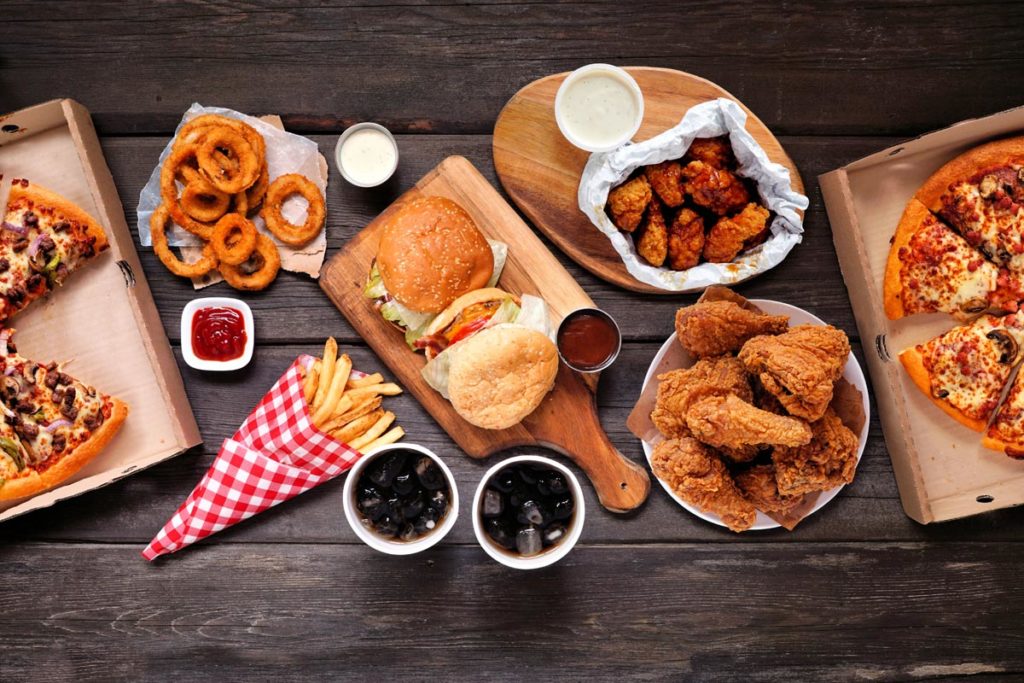
• Fast food
The American Heart Association recommends limiting sodium, especially for people with high blood pressure or heart disease. A health professional may suggest a stricter limit based on a person’s medical needs.
Try fresh herbs, garlic, lemon juice, onion, paprika, or salt-free seasoning blends. Choose foods labeled “low sodium,” and compare products because similar items can contain very different amounts.
When people ask what foods should the elderly avoid and why, salty packaged foods are often near the top of the list. The concern is not one salty meal. It is the steady buildup of sodium over many days.
4. Sugary foods and drinks
Sugar provides calories but few useful nutrients. Frequent high sugar intake may make blood sugar harder to manage and can contribute to weight gain, tooth decay, and energy swings.
Limit:
• Soda and sweet tea
• Candy
• Cakes and pastries
• Sweetened cereal
• Ice cream
• Flavored coffee drinks
• Large servings of fruit juice
Fruit juice may seem healthy, but it lacks much of the fiber found in whole fruit. Water, unsweetened tea, and plain milk are often better daily choices.
People with diabetes do not always need to remove every carbohydrate. Portion size, meal timing, medication, and the total meal pattern matter. A registered dietitian can help create a safe plan.
A small dessert can fit into many diets. The goal is balance, not fear. Replacing a daily sugary drink with water can make a meaningful difference without making meals feel restrictive.
5. Highly processed meats
Processed meats may contain high amounts of sodium, saturated fat, and preservatives. Some research has also linked frequent intake of processed meat with a higher risk of certain chronic diseases.
Examples include:
• Hot dogs
• Sausage
• Bacon
• Pepperoni
• Salami
• Ham
• Packaged lunch meat
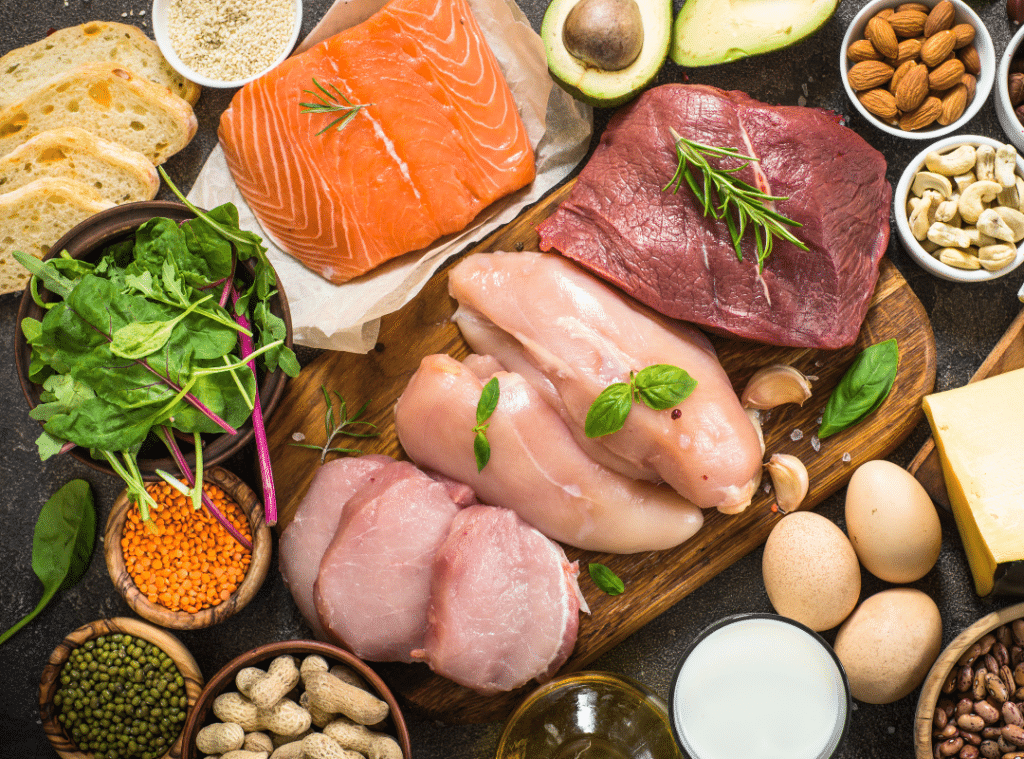
These foods do not need to disappear from every plate, but they should not be the main source of protein each day. Better choices include beans, lentils, eggs, fish, skinless chicken, tofu, and plain yogurt.
For sandwiches, try low sodium turkey, roasted chicken, tuna with little added salt, or mashed beans. Read the label and choose options with less sodium and fewer additives.
This helps answer what foods should the elderly avoid and why without creating an overly strict rule. Frequency and portion size matter, but fresh protein is usually a better daily foundation.
6. Foods high in saturated and trans fats
Saturated fat can raise LDL cholesterol, often called “bad” cholesterol. Trans fat is especially harmful and should be avoided whenever possible.
Foods that may contain high amounts include:
• Fatty cuts of beef or pork
• Chicken skin
• Butter
• Full fat processed meats
• Fried fast food
• Commercial baked goods
• Some packaged snacks
Look for “partially hydrogenated oil” on an ingredient list. In the United States, manufacturers have greatly reduced this ingredient, but checking labels remains wise.
Use olive or canola oil in small amounts. Choose nuts, seeds, avocado, fish, and beans for healthier fats and protein. These foods can support heart health while adding flavor and texture.

7. Foods that may cause choking
Swallowing can become harder with age. Stroke, dementia, Parkinson’s disease, weak teeth, dry mouth, and some medicines may also increase choking risk.
Potential choking hazards include:
• Whole grapes
• Raw carrots
• Popcorn
• Nuts
• Hard candy
• Large chunks of meat
• Sticky peanut butter
• Tough bread or chewy foods
Food texture should match the person’s swallowing ability. Grapes can be cut lengthwise. Carrots can be cooked until soft. Meat can be ground, shredded, or served with broth.
A speech-language pathologist can assess swallowing and recommend safe textures. Never force someone to eat quickly or while lying down. Sit upright, take small bites, and allow enough time to chew.
Among the most important answers to what foods should the elderly avoid and why are foods that create a choking hazard. This issue is about safety, not nutrition alone.

8. Grapefruit and certain medication interactions
Grapefruit and grapefruit juice can change how the body absorbs or breaks down some medicines. This may raise or lower drug levels in the blood.
Possible medicines affected include some drugs for:
• High cholesterol
• High blood pressure
• Irregular heart rhythm
• Anxiety
• Organ transplant care
The interaction depends on the exact medicine. Seville oranges and tangelos may also affect some drugs. Do not stop a medication or remove a healthy food without asking a pharmacist or doctor.
A pharmacist can quickly check food and medicine interactions. This is a key part of understanding what foods should the elderly avoid and why, especially when a person takes several prescriptions.
9. Alcohol and too much caffeine
Alcohol can interact with medicines, increase fall risk, disturb sleep, and worsen some liver or memory problems. It may also reduce appetite and replace nutritious calories.
Older adults may feel alcohol’s effects more strongly because the body often contains less water with age. Even a small amount may cause dizziness or poor balance in some people.
Caffeine is not always harmful. Coffee and tea can fit into a healthy diet, but too much may cause jitters, heart pounding, reflux, or poor sleep. Caffeine can also make it harder for some people to manage bladder symptoms.
Ask a health professional whether alcohol is safe with current medicines. Water, decaffeinated drinks, and herbal teas may be better choices for people with sleep, fall, or medication concerns.
10. Foods that worsen a person’s medical condition
There is no single list of foods that every older adult must avoid. The right diet depends on health history, medicines, culture, appetite, and nutrition goals.
For example:
• Kidney disease may require limits on sodium, potassium, phosphorus, or fluids.
• Diabetes may require careful carbohydrate portions.
• Heart failure may require lower sodium and fluid guidance.
• Celiac disease requires complete avoidance of gluten.
• High cholesterol may call for less saturated fat.
• Reflux may worsen with spicy, fatty, acidic, or late-night meals.
A common mistake is copying another person’s diet plan. A food that helps one person may not suit another. Personal advice from a doctor or registered dietitian is safer than internet rules.
Healthier foods to choose instead
Avoiding risky foods should not lead to under-eating. Older adults need enough protein, calories, vitamins, minerals, and fluids to preserve strength and independence.
Helpful choices include:
• Soft cooked vegetables
• Fresh or frozen fruit
• Oatmeal and other whole grains
• Beans and lentils
• Eggs
• Fish
• Skinless poultry
• Plain yogurt
• Low sodium cottage cheese
• Nut butter in thin, smooth servings
• Soups made with low sodium broth
• Water and unsweetened drinks
Protein is especially important because muscle mass can decline with age. Include a protein food at meals and snacks when possible. A simple breakfast might include oatmeal, plain yogurt, and sliced banana.
Texture matters too. A healthy food is not helpful if a person cannot chew or swallow it safely. Soft, moist, chopped, or mashed foods may work better for someone with dental or swallowing problems.
How to reduce food risks at home
Safe food habits can prevent many problems. The Centers for Disease Control and Prevention advises older adults to take extra care with food safety because foodborne infections can be more severe.
Use these steps:
-
Wash hands before preparing meals and after touching raw meat.
-
Keep raw meat away from ready-to-eat foods.
-
Cook meat, eggs, and seafood thoroughly.
-
Refrigerate leftovers within two hours.
-
Keep the refrigerator at 40°F or below.
-
Use leftovers within three to four days.
-
Reheat leftovers until steaming hot.
-
Throw away food that smells odd, looks spoiled, or has been left out too long.
Do not taste food to decide whether it is safe. Dangerous bacteria may not change the smell, color, or taste.
Small routines help. Label leftovers with the date. Store food in shallow containers. Ask for help with grocery shopping if poor vision, weakness, or memory problems make food handling difficult.
Common mistakes to avoid
Many families focus only on what foods should the elderly avoid and why, but they may overlook the danger of eating too little. Strict food rules can reduce appetite, worsen weight loss, and increase weakness.
Other mistakes include:
• Removing all fat, even when healthy fats are useful
• Giving too much juice instead of whole fruit
• Using salt substitutes without checking kidney health
• Serving dry or hard foods to someone with swallowing problems
• Ignoring a sudden loss of appetite
• Assuming thirst always signals dehydration
• Changing a diet without reviewing medicines
Food should support quality of life. Meals can include familiar flavors, family traditions, and favorite foods in safe portions. A trusted dietitian can adapt recipes without taking away the joy of eating.
Signs that a medical review is needed
Contact a health professional if an older adult has repeated choking, coughing during meals, or a wet sounding voice after swallowing. These signs may point to a swallowing disorder.
Medical advice is also important when there is:
• Unplanned weight loss
• Ongoing diarrhea or vomiting
• Severe constipation
• New swelling
• Trouble controlling blood sugar
• Frequent dizziness
• Confusion or unusual sleepiness
• Very low appetite
These symptoms may come from illness, medication effects, dehydration, or poor nutrition. Food changes alone may not solve the cause.
Seek urgent help for trouble breathing, severe allergic symptoms, chest pain, signs of stroke, or serious dehydration. When in doubt, it is safer to call a medical professional.
Frequently Asked Questions
What foods should the elderly avoid and why?
Older adults should limit raw or undercooked animal foods, unpasteurized products, high sodium foods, sugary drinks, processed meats, and choking hazards. These foods may increase the risk of infection, heart problems, blood sugar issues, or injury.
Should older adults avoid all sugar?
No. Most older adults do not need to avoid every source of sugar. They should limit added sugar and choose whole fruit more often than soda, candy, or sweet baked foods.
Is canned food bad for elderly people?
Not always. Canned beans, vegetables, fruit, and fish can be useful and affordable, but many are high in sodium or added sugar. Choose low sodium options, rinse canned foods when suitable, and check the label.
Can elderly people eat eggs?
Yes, eggs can provide useful protein and other nutrients. Eggs should be cooked safely, especially for people with a higher risk of foodborne illness.
Should older adults avoid grapefruit?
Only if grapefruit interacts with a medicine they take. A pharmacist or doctor can confirm whether grapefruit, grapefruit juice, or related citrus products are safe.
What foods help older adults maintain muscle?
Protein foods such as fish, eggs, poultry, beans, lentils, tofu, yogurt, and milk can help support muscle. Strength exercise, adequate calories, and medical guidance also matter.
What should an elderly person with swallowing problems avoid?
They may need to avoid hard, dry, sticky, or chunky foods such as popcorn, nuts, raw carrots, and large pieces of meat. A speech-language pathologist should recommend the safest food texture for that person.
Conclusion
The best answer to what foods should the elderly avoid and why is not a one-size-fits-all list. Older adults should take extra care with unsafe raw foods, unpasteurized products, high sodium meals, sugary drinks, processed meats, choking hazards, and foods that conflict with medicines or health conditions.
The goal is not to remove pleasure from eating. It is to make meals safer, more nourishing, and easier to enjoy. Review food choices with a doctor, pharmacist, or registered dietitian, especially when chronic illness or several medicines are involved. Share this guide with a family member or caregiver, and take one practical step today, such as checking food labels or replacing a sugary drink with water.

Michael Reynolds is a senior contributor at RetirementGazette.com, where he focuses on helping readers navigate the journey toward a secure and fulfilling retirement. With over a decade of experience in personal finance, retirement planning, and lifestyle writing, Michael combines practical strategies with easy-to-understand guidance tailored for both pre-retirees and those already enjoying their golden years.