
Good meals for seniors include soft, nutrient-rich foods with protein, fiber, healthy fats, and enough fluids.
Choosing good meals for seniors is about more than serving smaller portions. Older adults may have less appetite, dental concerns, slower digestion, health conditions, or trouble cooking. This guide shares practical meal ideas, nutrition tips, texture changes, and simple planning steps that make healthy eating easier and more enjoyable.
What makes a meal good for seniors?
Good meals for seniors should be nourishing, easy to chew, simple to digest, and enjoyable. A balanced meal usually includes a protein food, vegetables or fruit, a whole grain or starchy food, and a healthy fat.
Older adults often need fewer calories but more of certain nutrients. Protein, calcium, vitamin D, vitamin B12, potassium, and fiber are especially important. Needs vary, so a doctor or registered dietitian should guide anyone with diabetes, kidney disease, heart disease, swallowing problems, or major weight changes.
A useful plate looks like this:
- Half the plate: Soft vegetables or fruit
- One quarter: Protein, such as fish, eggs, beans, chicken, tofu, or yogurt
- One quarter: Whole grains or other healthy starches, such as oatmeal, brown rice, potatoes, or whole-grain pasta
- A small serving: Healthy fat, such as olive oil, avocado, nuts, or nut butter
- A drink: Water, milk, or another suitable low-sugar beverage
The best meals also match the person’s culture and habits. A bean-and-rice bowl, chicken noodle soup, vegetable curry, or baked fish dinner can all be healthy when portions and ingredients fit the person’s needs.

Key nutrients older adults need
Nutrition needs change with age. Appetite may decrease, but the body still needs high-quality fuel. Think of each meal as a small care package for the muscles, bones, brain, and immune system.
Protein for strength
Protein helps maintain muscle. Muscle loss can make walking, lifting, and daily tasks harder. Many seniors benefit from adding a protein source to each meal and snack.
Good protein choices include:
- Eggs or soft scrambled eggs
- Greek yogurt or cottage cheese
- Fish, such as salmon, tuna, or cod
- Tender chicken or turkey
- Tofu or tempeh
- Lentils, beans, and peas
- Smooth nut or seed butter
- Milk or fortified soy milk
A simple goal is to spread protein throughout the day instead of eating most of it at dinner.
Fiber for digestion
Fiber helps support regular bowel movements and may help with blood sugar and heart health. Add fiber slowly and increase fluids unless a health professional has advised fluid restriction.
Good choices include oatmeal, berries, pears, beans, lentils, cooked vegetables, whole-grain bread, and brown rice. If raw vegetables are hard to chew, cook them until soft.
Calcium and vitamin D for bones
Calcium supports bones and teeth. Vitamin D helps the body use calcium. Milk, fortified soy milk, yogurt, and cheese provide calcium. Fatty fish, egg yolks, and fortified foods may provide vitamin D.
Some people need a supplement. However, supplements can interact with medicines, so it is wise to ask a health professional before starting one.
Healthy fats for calories and flavor
Healthy fats can add calories when appetite is low. Olive oil, avocado, nut butter, ground flaxseed, and soft nuts are useful choices.
A spoonful of olive oil in soup or mashed vegetables can improve taste and nutrition. Use care with whole nuts if chewing or swallowing is difficult.
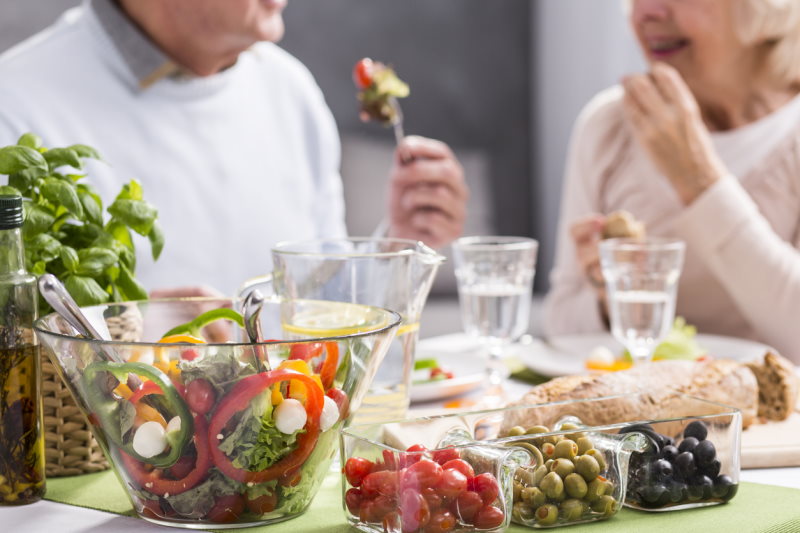
12 good meal ideas for seniors
These good meals for seniors are easy to adjust. You can change the seasoning, texture, or serving size to suit personal needs.
1. Oatmeal with fruit and yogurt
Cook oats with milk or fortified soy milk. Add mashed banana, soft berries, cinnamon, and a spoonful of yogurt or nut butter.
This meal offers fiber, protein, calcium, and steady energy. Use unsweetened ingredients when possible.
2. Vegetable and bean soup
Combine low-sodium broth with beans, carrots, celery, tomatoes, spinach, and potatoes. Cook until the vegetables are tender.
Blend part of the soup if a smoother texture is needed. Add shredded chicken or tofu for more protein.
3. Baked salmon with mashed potatoes
Serve baked salmon with mashed potatoes and soft green beans. Add lemon, herbs, and a small amount of olive oil instead of relying on excess salt.
Salmon provides protein and beneficial omega-3 fats. Check carefully for bones before serving.
4. Chicken and vegetable stew
Use tender chicken, carrots, peas, potatoes, and a light broth. Slow cooking can make the meat soft and easier to chew.
This is one of the most useful good meals for seniors because it stores well and can provide several servings.
5. Egg and vegetable scramble
Cook eggs with chopped spinach, mushrooms, or tomatoes. Serve with whole-grain toast or a soft piece of fruit.
Eggs are quick, affordable, and rich in protein. Cook them fully for food safety.
6. Turkey and avocado sandwich
Use whole-grain bread, sliced turkey, avocado, and soft tomato. Cut the sandwich into small pieces if hand strength or appetite is limited.
Choose low-sodium turkey when available. You can replace bread with a soft tortilla or serve the filling over greens.
7. Lentil curry with brown rice
Cook lentils with tomatoes, carrots, and mild spices. Serve with soft brown rice and plain yogurt.
Lentils provide plant protein and fiber. Keep the spice level gentle if the person has reflux or a sensitive stomach.
8. Tuna salad with whole-grain crackers
Mix tuna with plain yogurt or a small amount of mayonnaise. Add finely chopped celery only if it can be chewed safely.
Serve with soft crackers, toast, or a baked potato. Choose lower-mercury fish and vary seafood choices during the week.
9. Greek yogurt parfait
Layer plain Greek yogurt with soft berries, mashed banana, and ground flaxseed. Avoid hard granola if chewing is difficult.
This works well for breakfast, dessert, or a small meal. It provides protein and calcium without much cooking.
10. Tofu and vegetable stir-fry
Cook soft tofu with zucchini, mushrooms, and carrots. Serve over rice and use a small amount of low-sodium sauce.
Cut ingredients into bite-sized pieces. Steaming the vegetables first can make them softer.
11. Turkey meatballs with pasta
Make tender turkey meatballs and serve them with whole-grain pasta and tomato sauce. Add cooked vegetables on the side.
This familiar meal may appeal to seniors who prefer traditional comfort foods. Keep portions moderate and choose a sauce with less added sodium.
12. Baked potato with beans
Top a baked potato with black beans, plain yogurt, avocado, and chopped tomatoes. This meal is soft, filling, and easy to customize.
It offers protein, fiber, potassium, and healthy fats. For a lower-potassium diet, ask a dietitian whether potatoes are appropriate.
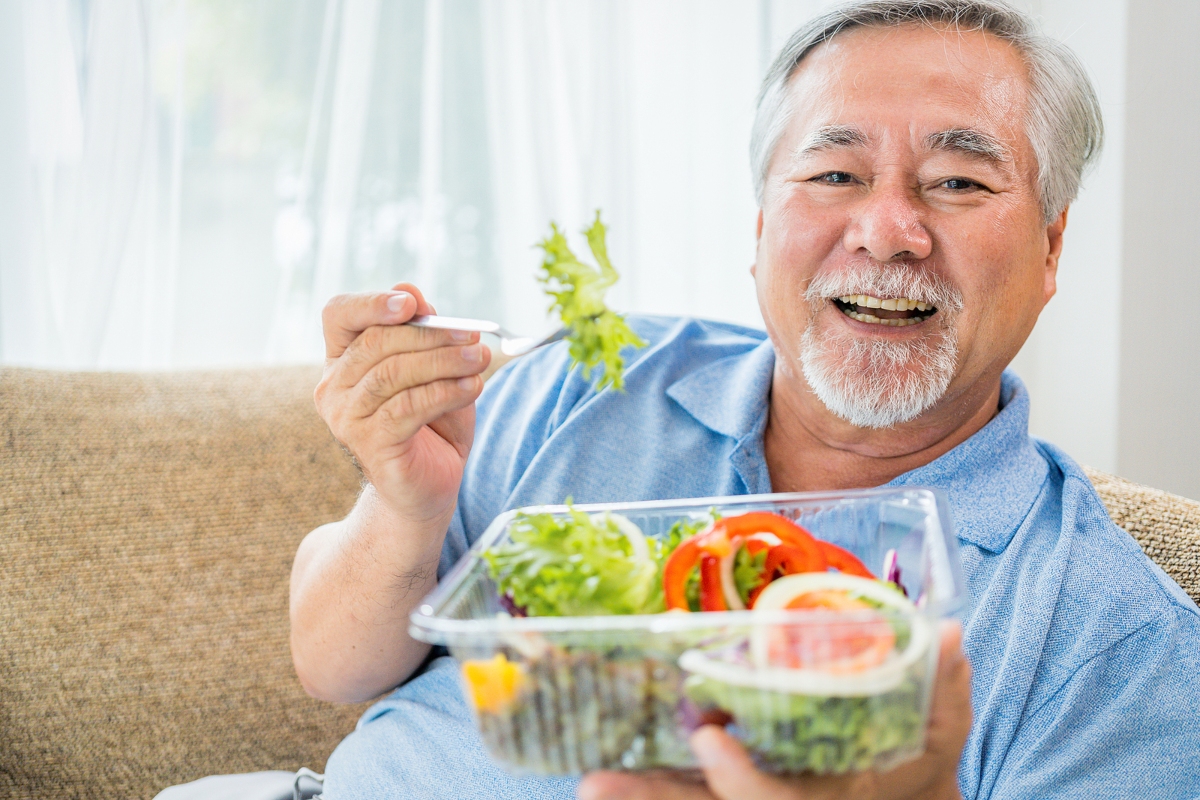
Soft foods for seniors with chewing problems
Dental pain, missing teeth, dry mouth, and ill-fitting dentures can make eating difficult. Soft meals can protect comfort and help prevent poor food intake.
Try these options:
- Creamy oatmeal
- Scrambled eggs
- Applesauce and soft pears
- Mashed sweet potatoes
- Tender fish
- Shredded chicken with gravy
- Pureed vegetable soup
- Cottage cheese
- Hummus
- Soft pasta
- Well-cooked beans
- Smoothies with yogurt and fruit
Moisture often makes food easier to manage. Add broth, gravy, yogurt, or sauce to dry foods.
Be careful with foods that can be choking hazards, including whole grapes, popcorn, hard candy, tough meat, raw carrots, and large spoonfuls of peanut butter. If a person coughs, chokes, has a wet voice, or struggles during meals, contact a health professional promptly. A speech-language pathologist may assess swallowing safety.

Good meals for seniors with a small appetite
A small appetite is common, but ongoing weight loss is not something to ignore. Illness, depression, medication side effects, pain, poor dental health, and loneliness can all reduce interest in food.
Offer smaller meals every three to four hours. A small plate may look less overwhelming than a large dinner.
Helpful high-nutrition choices include:
- Yogurt with fruit
- Cheese and whole-grain toast
- Peanut or almond butter on banana
- Egg salad on soft bread
- Milk or fortified soy milk
- Smoothies with yogurt and fruit
- Hummus with soft pita
- Soup with beans or chicken
- Avocado on toast
- Rice pudding with little added sugar
When appetite is low, add nutrition without making the serving much larger. Stir powdered milk into oatmeal, add olive oil to vegetables, or mix Greek yogurt into a smoothie.
Do not pressure someone to eat. A calm meal, pleasant music, and company may work better than repeated reminders. Food should feel like comfort, not a test.

Low-sodium and low-sugar meal ideas
Some seniors need to limit sodium because of high blood pressure, heart failure, or kidney disease. Others need to manage carbohydrates because of diabetes. The right plan depends on the person’s medical condition.
For lower-sodium meals:
- Use fresh or frozen vegetables without added sauces
- Choose no-salt-added beans and rinse canned beans
- Flavor food with lemon, garlic, herbs, and pepper
- Read labels on soups, sauces, deli meats, and frozen meals
- Limit processed meats such as bacon, sausage, and hot dogs
For steadier blood sugar:
- Pair carbohydrates with protein or healthy fat
- Choose beans, oats, fruit, and whole grains more often
- Keep sweet drinks and desserts small
- Use regular meal times
- Watch serving sizes
A common mistake is removing too many foods at once. Highly restrictive diets can lead to poor intake. A registered dietitian can create a safer plan that meets medical needs while keeping meals enjoyable.

Easy meal planning for caregivers and seniors
Meal planning can reduce stress and prevent skipped meals. Start with a short list of foods the person already likes. Then add small upgrades, such as extra vegetables or a protein source.
A simple weekly plan may include:
- Pick two breakfast choices.
- Pick three lunch choices.
- Pick three dinner choices.
- Add two easy snacks.
- Cook one or two large dishes.
- Freeze individual portions.
- Label meals with the name and date.
- Keep easy foods visible and within reach.
For example, cook a pot of lentil soup, a tray of roasted vegetables, and several chicken breasts. Use them in different meals during the week. Soup can become lunch, chicken can fill a sandwich, and vegetables can go into an egg scramble.
In my experience helping people think through practical meals, the biggest problem is often not a lack of nutrition knowledge. It is fatigue. Meals that require many pans, complex steps, or hard-to-open packages often go unused. Simple food that is ready to eat is usually more helpful than an ideal recipe that feels impossible.
Food safety tips for older adults
Foodborne illness can be more serious in older adults. Safe preparation and storage matter.
Follow these habits:
- Wash hands before cooking and eating
- Keep raw meat separate from ready-to-eat foods
- Cook eggs, poultry, seafood, and meat to safe internal temperatures
- Refrigerate leftovers within two hours
- Use leftovers within three to four days
- Reheat food until it is hot throughout
- Thaw frozen food in the refrigerator, not on the counter
- Check expiration dates and discard food with an unusual smell or appearance
People with memory loss may forget food on the stove or leave the refrigerator open. In that case, choose safer options such as prepared meals, supervised cooking, or an appliance with an automatic shutoff.
Common mistakes to avoid
Even well-meaning meal plans can miss important needs. Avoid these common problems:
- Serving mostly tea, toast, and sweets
- Forgetting protein at breakfast and lunch
- Offering large portions to someone with low appetite
- Using too much salt to improve flavor
- Ignoring dental pain or swallowing changes
- Giving supplements without checking medications
- Assuming weight loss is a normal part of aging
- Serving the same meal repeatedly
- Making food rules so strict that eating becomes stressful
One practical lesson is to ask before changing the menu. A person may reject a “healthy” meal because of its texture, smell, temperature, or unfamiliar flavor. Small changes often work better than a complete diet overhaul.
How to make meals more enjoyable
Good meals for seniors should support joy as well as health. Eating is social, cultural, and emotional. A familiar family recipe may encourage a better appetite than a plate that looks perfect but feels unfamiliar.
Try these ideas:
- Eat together when possible
- Use colorful plates and simple table settings
- Offer two healthy choices
- Serve food at a comfortable temperature
- Add familiar herbs and spices
- Play quiet music during meals
- Keep portions small and offer seconds
- Invite the senior to choose or help prepare food
- Make cultural foods with less salt and more vegetables
Hydration matters too. Offer water throughout the day. Milk, broth, and suitable fortified drinks can also provide fluids. Ask a health professional about fluid limits if the person has heart or kidney disease.
Frequently Asked Questions About What Are Good Meals for Seniors
What is the healthiest meal for an older adult?
A balanced meal with lean protein, vegetables, a whole grain or healthy starch, and a small amount of healthy fat is a strong choice. For example, baked salmon, soft vegetables, and a small serving of brown rice provide several key nutrients.
What are good meals for seniors with no appetite?
Small, nutrient-dense meals often work best. Try yogurt with fruit, scrambled eggs, soup with beans, a smoothie with Greek yogurt, or avocado toast.
What foods help seniors maintain muscle?
Protein-rich foods help support muscle, especially when eaten throughout the day. Eggs, fish, chicken, tofu, beans, milk, Greek yogurt, and cottage cheese are useful options.
What are good soft meals for seniors?
Soft meals include oatmeal, scrambled eggs, tender fish, mashed vegetables, bean soup, yogurt, cottage cheese, soft pasta, and shredded chicken with gravy. Add broth or sauce when food feels dry.
How many meals should seniors eat each day?
Many older adults do well with three small meals and one or two snacks. The best schedule depends on appetite, medications, activity, and medical needs.
Are frozen meals healthy for seniors?
Some frozen meals can be useful, especially when cooking is difficult. Choose options with vegetables and protein, and compare labels for sodium, added sugar, and serving size.
Should seniors take vitamins with their meals?
Some seniors need supplements, but not everyone does. A doctor or pharmacist should review diet, blood tests, health conditions, and medications before recommending supplements.
Conclusion
Good meals for seniors are balanced, soft when needed, rich in protein, and easy to prepare. Focus on vegetables, fruit, whole grains, beans, fish, eggs, dairy or fortified alternatives, healthy fats, and enough fluids. Adjust salt, sugar, texture, and portion size to fit the person’s health and comfort.
Start with one small change this week, such as adding protein to breakfast or preparing a soft vegetable soup. If appetite, weight, chewing, or swallowing remains a concern, seek advice from a doctor or registered dietitian. Share your favorite senior-friendly meal ideas in the comments or explore more trusted nutrition resources for older adults.

Michael Reynolds is a senior contributor at RetirementGazette.com, where he focuses on helping readers navigate the journey toward a secure and fulfilling retirement. With over a decade of experience in personal finance, retirement planning, and lifestyle writing, Michael combines practical strategies with easy-to-understand guidance tailored for both pre-retirees and those already enjoying their golden years.