
The electric wheelchair industry in the US is a multibillion-dollar market growing steadily with aging and tech trends.
I’ve spent years covering mobility tech and advising clinics and suppliers, so I know this topic well. This article dives into how big the electric wheelchair industry in the US really is, why it matters, who the main players are, how reimbursement shapes demand, and what to watch next. Read on for clear numbers, practical insights, and friendly advice you can use whether you work in healthcare, sell mobility devices, or are choosing a chair for yourself or a loved one.
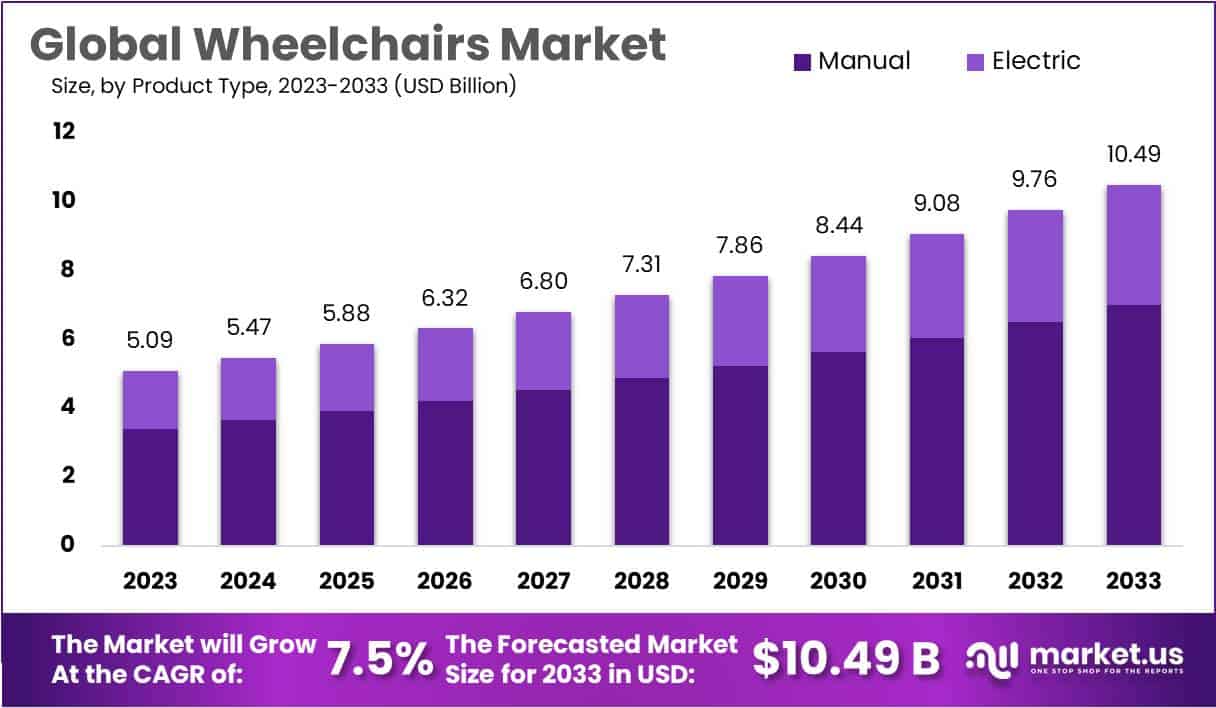
Market size and growth in the US
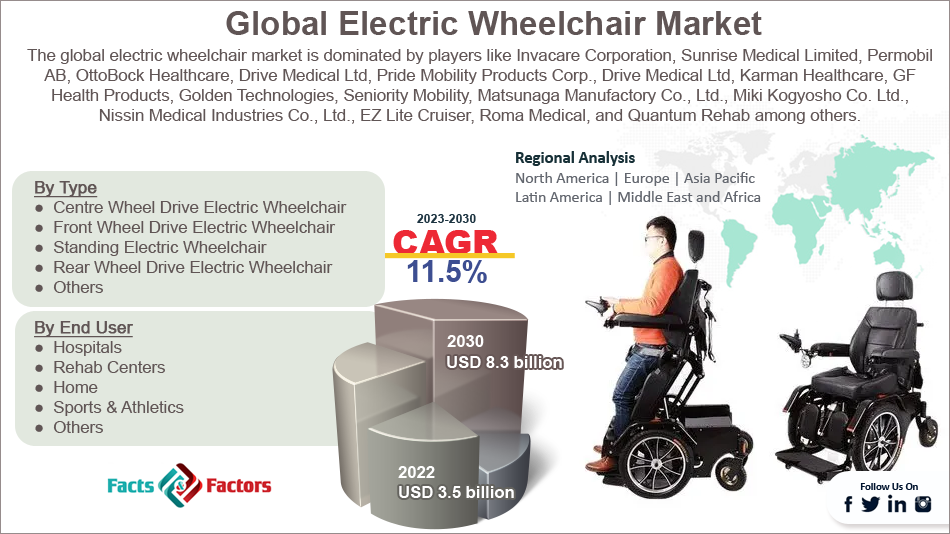
Electric wheelchairs are part of the larger mobility and durable medical equipment market. Recent industry estimates place the electric wheelchair market in the US at several billion dollars in annual revenue, with steady growth driven by aging demographics, improved technology, and expanding access to care. How big is the electric wheelchair industry in the US depends on definitions, but when counting motorized wheelchairs, power chairs, and related services, the market value sits comfortably in the low to mid single-digit billions and is expected to grow at a healthy annual rate over the next decade.
Key market signals:
- Growing senior population increases demand for mobility solutions.
- Advances in battery, motor, and seating technology raise price points and margins.
- Home care and outpatient rehab trends push purchases outside hospitals.
How big is the electric wheelchair industry in the US is shaped by replacement cycles, new customer growth, and the adoption of premium features like tilt-in-space, power elevating seats, and smart-control systems.

Market drivers and trends
Several factors drive the size and direction of the electric wheelchair market in the US.
Aging population
- The 65+ population is growing quickly. More seniors mean more need for mobility devices.
- Age-related conditions like arthritis, Parkinson’s, and stroke add demand.
Technology improvements
- Better batteries and lighter motors extend range and comfort.
- Smart controls, Bluetooth, and app integration add value and higher price tiers.
Shifting care settings
- Care moves from hospitals to homes. That increases retail and DME channel sales.
- Community-based rehab and telehealth create new sales and service opportunities.
Reimbursement and policy
- Medicare and Medicaid rules influence buying patterns and product choice.
- Coverage for power mobility can vary, affecting how big the electric wheelchair industry in the US grows regionally.
How big is the electric wheelchair industry in the US also reflects supply chain realities and tariffs that affect device cost. Manufacturers that innovate while keeping costs in check tend to expand market share.
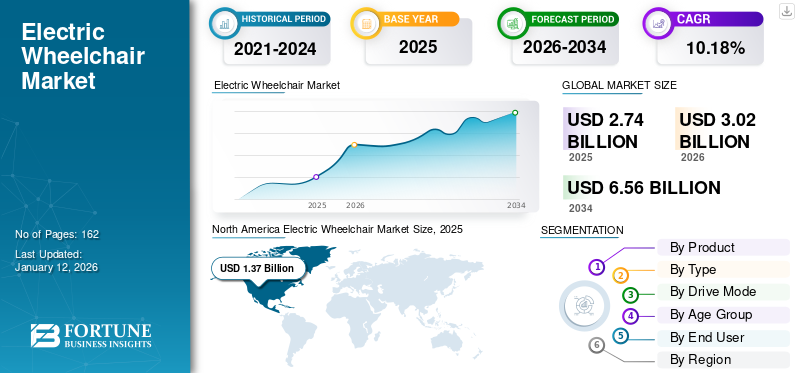
Market segmentation: product types and end users
Breaking the market down helps explain how big the electric wheelchair industry in the US really is.
By product type
- Power wheelchairs: full-featured units for long-term users.
- Scooters: sometimes grouped with electric mobility but tend to serve different needs.
- Pediatric power chairs: a smaller but important niche.
- Accessories and maintenance: batteries, cushions, service plans.
By end user
- Older adults in the community.
- People with permanent mobility impairments.
- Post-acute rehab and temporary need patients.
- Institutions: nursing homes, rehab centers, and hospitals.
Price tiers matter. Basic power chairs start at lower price points, while advanced custom chairs with seating systems and electronics can cost tens of thousands. This price spread contributes to the overall market value and helps explain how big the electric wheelchair industry in the US is.
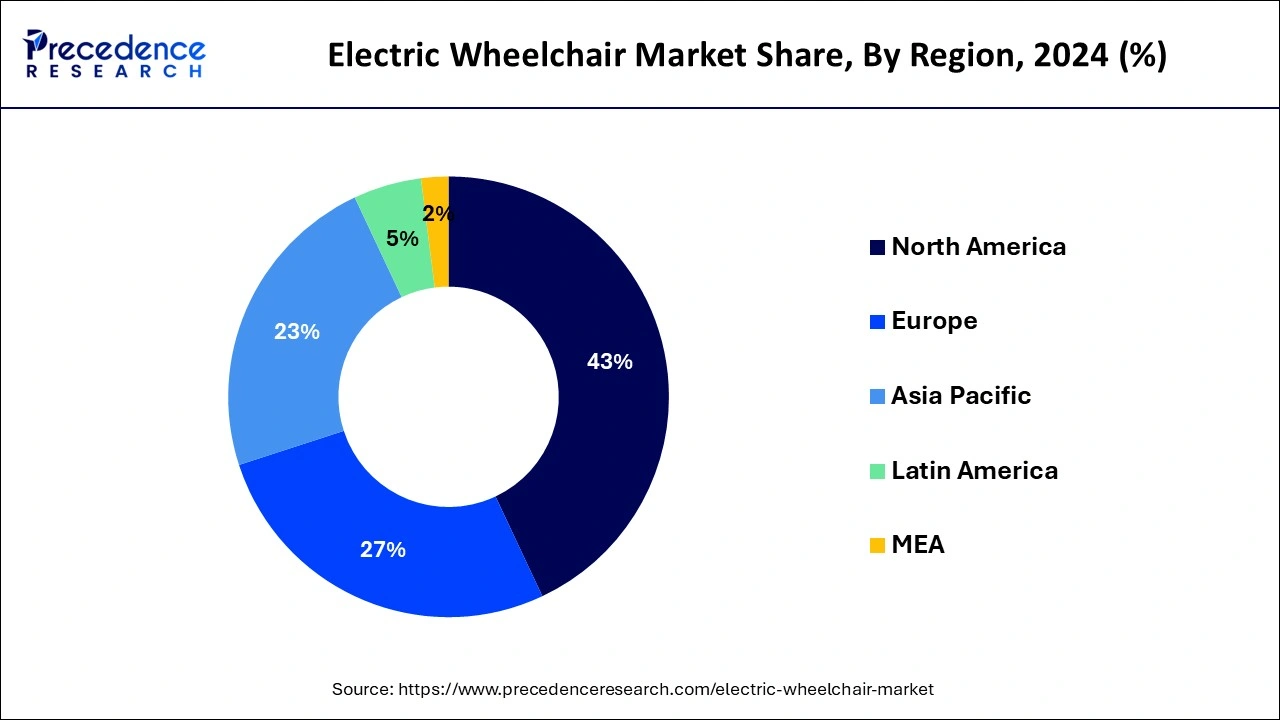
Competitive landscape and leading players
The market includes global manufacturers, specialized US firms, local dealers, and online sellers. Competition centers on product quality, warranty, service networks, and relationships with prescribers.
Major competitive factors:
- Product reliability and clinical outcomes.
- Dealer network and fast service turnaround.
- Pricing and financing options.
- Ability to navigate Medicare/insurance paperwork.
How big is the electric wheelchair industry in the US is also shaped by mergers and acquisitions. Larger firms often buy regional dealers or tech startups to expand product lines and distribution. Smaller makers compete by focusing on niche features or exceptional service.
From my experience, dealers who provide good fitting services and clear insurance support see higher customer satisfaction and repeat referrals. That often translates to stable local revenue even if national competition intensifies.
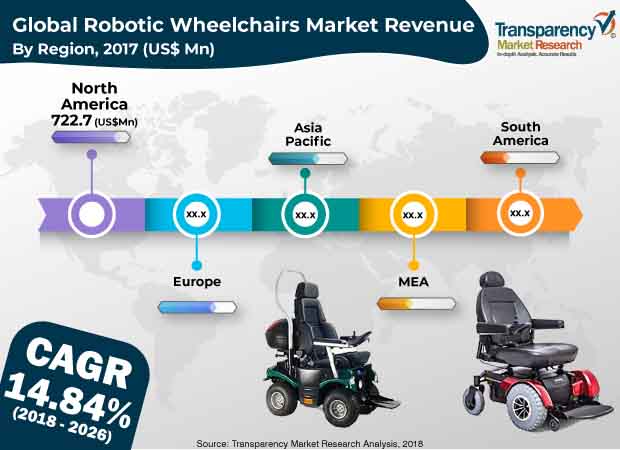
Regulatory, reimbursement, and policy environment
Policy is a major factor in market size. Medicare coverage rules, local Medicaid policies, and private insurance criteria affect purchasing decisions and timing.
Key points:
- Medicare criteria require documented medical necessity and functional limitations.
- Prior authorization and documentation burdens can delay purchases.
- Reimbursement often covers older, standardized items more easily than advanced, custom chairs.
How big is the electric wheelchair industry in the US is partly a reflection of how well companies and providers manage paperwork and meet payer rules. When rules favor access and simplify approvals, adoption rises. When rules tighten, demand shifts to out-of-pocket purchases or lower-cost alternatives.
I’ve seen clinics win more approvals when they include clear therapy notes and functional test results. Investing time in documentation can boost approval rates and customer satisfaction.
Challenges and opportunities
Challenges
- High device cost can limit access for uninsured or underinsured users.
- Complex reimbursement processes slow sales cycles.
- Fragmented aftermarket service can hurt long-term customer experience.
Opportunities
- Tech-enabled maintenance and remote monitoring can reduce downtime.
- Subscription and financing models can lower up-front barriers.
- Customization and comfort features open premium segments.
How big is the electric wheelchair industry in the US will grow faster when manufacturers and providers solve service gaps and offer flexible payment options. From working with dealers, I recommend offering transparent pricing and clear warranty plans—simple moves that increase trust and repeat business.
Future outlook and what to watch
Expect steady growth in the electric wheelchair market in the US over the next 5–10 years. Key trends to watch include:
- More connected chairs with diagnostics and safety features.
- Increased uptake of power assist add-ons for manual wheelchairs.
- Growth in direct-to-consumer sales balanced by the ongoing importance of local fitting and service.
- Policy changes that could either streamline reimbursement or complicate it further.
How big is the electric wheelchair industry in the US will be influenced by tech adoption, demographics, and how quickly the ecosystem improves access to care. My practical takeaway: if you are a provider, invest in training and service. If you are a buyer, ask about warranties, fitting services, and insurance support. Those steps will make a real difference in long-term satisfaction.
Frequently Asked Questions about How big is the electric wheelchair industry in the US
How large is the electric wheelchair market in dollar terms?
Estimates place the US electric wheelchair market in the low to mid single-digit billions annually, depending on definitions and included services. Market growth is gradual and tied to demographic and tech trends.
Who uses electric wheelchairs most in the US?
Older adults and people with permanent mobility impairments are the main users, with additional demand from post-acute patients and institutions. Pediatric users form a smaller, specialized segment.
Does Medicare pay for electric wheelchairs?
Medicare may cover power wheelchairs if medical necessity and strict documentation requirements are met. Coverage depends on functional tests, provider notes, and adherence to payer rules.
What trends will shape the market in the next five years?
Key trends include connected devices, battery and motor improvements, power-assist tech, and new financing models. These trends will expand options and price tiers.
How can providers increase success selling electric wheelchairs?
Offer thorough fittings, clear documentation for payers, fast service, and transparent pricing. Good dealer support often leads to better approvals and happier customers.
Conclusion
The electric wheelchair industry in the US is a growing, multibillion-dollar market shaped by aging demographics, technology, reimbursement rules, and service quality. Understanding how big the electric wheelchair industry in the US is requires looking beyond raw sales to factors like replacement cycles, premium features, and access to care. Takeaway: focus on good fitting, clear documentation, and after-sale support to make the most of this market—whether you sell, prescribe, or buy a chair. If this article helped, consider leaving a comment, subscribing for updates, or sharing your own experiences with electric mobility.

Michael Reynolds is a senior contributor at RetirementGazette.com, where he focuses on helping readers navigate the journey toward a secure and fulfilling retirement. With over a decade of experience in personal finance, retirement planning, and lifestyle writing, Michael combines practical strategies with easy-to-understand guidance tailored for both pre-retirees and those already enjoying their golden years.