
Most professionals reach a senior position in five to eight years, but skills and results matter more than time.
Wondering how many years to get senior position is natural, especially when you are ready for more responsibility but unsure whether you have enough experience. In most fields, the path takes about five to eight years, yet fast learners may advance sooner while others need more time. This guide explains the real factors behind promotion, the skills employers expect, and the steps that can help you move forward with confidence.
How Many Years to Get Senior Position?
For many careers, it takes five to eight years of relevant experience to reach a senior position. Some people become senior professionals after three or four years, while others may need ten years or more.
The timeline depends on more than your job title. Employers often look at your ability to work without close supervision, solve difficult problems, guide others, and create clear business value.
When asking how many years to get senior position, think of experience as a foundation, not a finish line. A person with six years of routine work may be less ready than someone with four years of challenging projects and strong results.
Common timelines look like this:
• Entry-level to mid-level: Two to four years
• Mid-level to senior level: Three to five additional years
• Total time to senior position: About five to eight years
• Faster advancement: Three to five years in high-growth fields
• Slower advancement: Eight to twelve years in highly regulated or traditional fields
These numbers are broad estimates. Every industry, company, and career path uses different standards.

What Does a Senior Position Mean?
A senior position usually means you have strong knowledge, sound judgment, and the ability to handle complex work. You are trusted to make decisions and deliver results without constant direction.
A senior employee is not simply someone who has worked for many years. Seniority usually reflects a mix of technical skill, communication, leadership, reliability, and business awareness.
Typical signs of a senior professional include:
• You solve problems before they become major issues.
• You make decisions with limited supervision.
• You explain complex topics in a simple way.
• You help less experienced coworkers improve.
• You manage projects, risks, or important clients.
• You understand how your work affects company goals.
• You take ownership when something goes wrong.
For example, a senior software engineer may design systems and review code. A senior accountant may handle complex reports and advise leaders. A senior teacher may mentor staff and improve school programs.
The title can also vary by company. One organization may call you “Senior Marketing Specialist,” while another may use “Marketing Manager” for similar work.
Factors That Affect How Many Years to Get Senior Position
The answer to how many years to get senior position changes because career growth is not the same for everyone. Several factors can speed up or slow down your progress.
Industry and Career Field
Some industries promote people quickly because demand is high. Technology, sales, digital marketing, health care, and skilled trades may offer faster advancement when workers have strong skills.
Other fields move more slowly. Law, education, government, medicine, and highly regulated industries often require specific credentials, exams, or years of supervised practice.
Company Size
Large companies often have clear job levels. You may move from associate to specialist, senior specialist, manager, and director.
Small companies may offer fewer formal titles. However, they can give you broader duties sooner. You may gain senior-level experience before receiving a senior title.
Performance and Results
Strong results often matter more than years alone. Employers want proof that you improve quality, save time, increase revenue, reduce risk, or solve important problems.
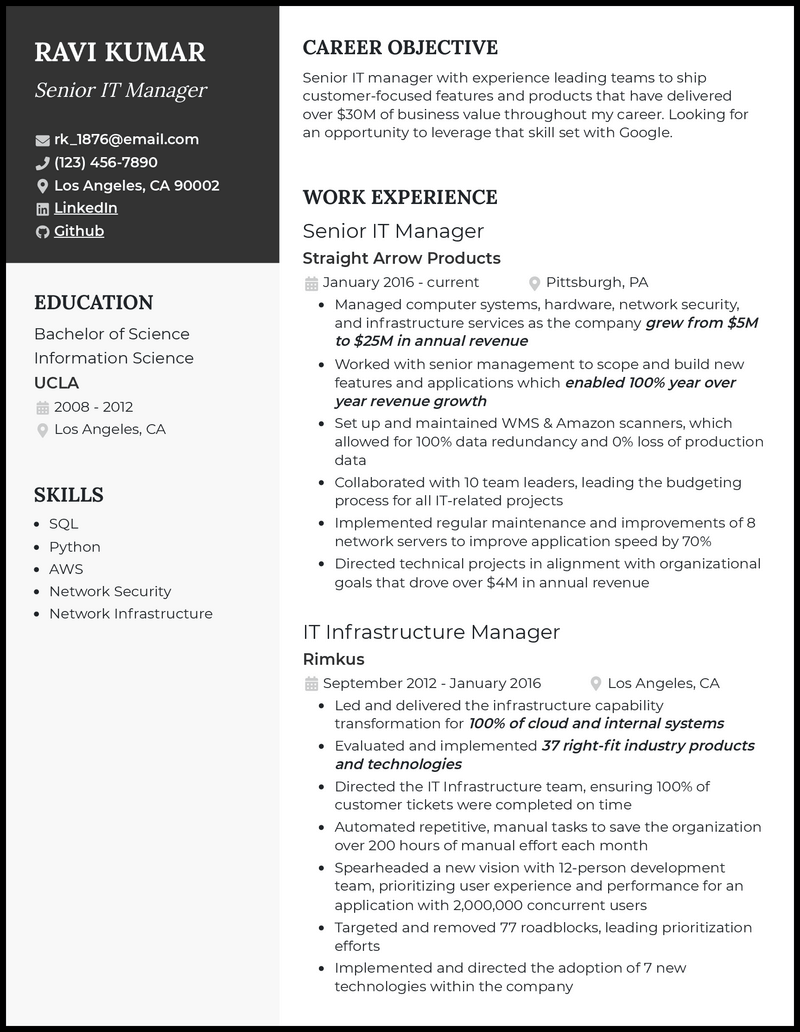
Keep a record of measurable achievements, such as:
• Increased sales by 18 percent
• Reduced processing time by 25 percent
• Managed a project that served 10,000 customers
• Trained five new employees
• Cut monthly costs by $20,000
Education and Credentials
A degree, license, certificate, or advanced training may help you qualify for senior roles. Still, credentials do not replace practical ability.
The strongest candidates combine education with real work examples. They can explain what they learned and how they used it.
Networking and Visibility
Your manager may not see every good thing you do. Sharing results in meetings, writing clear updates, and building positive work relationships can make your contributions easier to recognize.
Visibility does not mean showing off. It means making your work understandable and connecting it to business goals.
Skills Employers Expect at the Senior Level
If you want to know how many years to get senior position, study the skills behind senior promotions. These skills often matter more than your exact number of years.
Technical or Professional Skill
You should understand your field well enough to handle difficult tasks. You should also know common tools, methods, rules, and standards used in your industry.
Senior professionals do not need to know everything. They know how to find reliable answers and make good choices with the information available.
Independent Judgment
Junior employees often ask, “What should I do?” Senior employees are more likely to ask, “Here are the options. I recommend this one because…”
This change shows maturity. You can assess risk, compare choices, and explain your reasoning.
Communication
Clear communication is one of the most valuable senior-level skills. You may need to write reports, lead meetings, explain problems, or speak with customers and executives.
Good communication is not about using complex words. It is about helping people understand what matters and what should happen next.
Leadership Without a Title
You do not need direct reports to show leadership. You can lead by organizing work, supporting coworkers, setting standards, and taking responsibility.
Many companies promote people who already act like trusted leaders before they receive the formal title.
Business Awareness
Senior employees understand the wider purpose of their work. They know how time, money, quality, customers, and risk affect the organization.
This business view helps you make better choices. It also shows leaders that you are ready for greater responsibility.

How to Reach a Senior Position Faster
There is no guaranteed shortcut for how many years to get senior position. However, you can improve your chances by treating career growth as a planned process.
1. Learn What “Senior” Means in Your Company
Ask your manager or human resources team for the expectations of the next level. Request examples of senior-level behavior and results.
Useful questions include:
• What skills should I improve?
• What results would show I am ready?
• Which responsibilities do senior employees handle?
• What gaps could prevent my promotion?
2. Choose Challenging Work
Routine work builds comfort, but difficult work builds range. Volunteer for projects that involve new tools, unclear problems, larger customers, or multiple teams.
A challenging assignment can teach you more in six months than repetitive work teaches you in two years.
3. Track Your Achievements
Keep a simple career document. Add your projects, outcomes, positive feedback, certifications, and leadership examples.
Use numbers whenever possible. “Improved the process” is helpful, but “reduced errors by 30 percent” is stronger.
4. Find a Mentor
A mentor can help you understand workplace expectations and avoid common mistakes. Choose someone who has reached the level you want or who knows your industry well.
Do not expect the mentor to manage your career. Bring questions, listen carefully, and apply the advice.
5. Ask for Feedback Often
Do not wait for an annual review. Ask for feedback after major projects or important meetings.
Try this simple question: “What is one thing I did well, and what is one thing I should improve before seeking a senior role?”
6. Practice Leadership
Train new employees, lead a project meeting, document a process, or help solve team problems. These actions create evidence that you can handle broader responsibility.
7. Consider a Strategic Job Change
Sometimes your current company has limited promotion opportunities. A new employer may value your skills more clearly.
Before changing jobs, compare the full opportunity. Look at pay, learning, management quality, culture, stability, and future growth.

Common Mistakes That Delay Promotion
Many professionals focus only on how many years to get senior position and overlook the habits that slow advancement.
One common mistake is waiting for someone to notice your work. Good work matters, but leaders also need clear evidence of your impact.
Another mistake is chasing a title without building senior-level judgment. A title may increase your responsibility before you are ready to manage pressure, conflict, or complex decisions.
Other mistakes include:
• Refusing work outside your comfort zone
• Avoiding feedback
• Blaming others when projects fail
• Focusing only on technical skills
• Ignoring communication and teamwork
• Changing jobs too often without building depth
• Expecting promotion based only on loyalty
• Comparing your timeline with someone else’s
I once saw a capable professional remain stuck because they completed tasks well but never explained their results. After they began sharing project outcomes and asking for higher-level work, their manager saw a much clearer promotion case.
The lesson is simple: performance is what you do, but career progress also depends on how clearly others understand your value.
Should You Wait for a Senior Title?
You do not always need to wait for a title before acting at a senior level. You can build the skills and experience first, then use that evidence in a promotion discussion.
However, be careful. Some employers may give you extra duties without fair pay, authority, or recognition. Senior-level work should eventually lead to a title change, salary review, expanded authority, or a stronger career opportunity.
Before accepting major extra duties, discuss expectations. Ask how success will be measured and when your role will be reviewed.
A healthy conversation may sound like this:
“I am ready to lead this project and take responsibility for the outcome. Could we agree on the results expected and review my role and compensation after completion?”
This approach is professional and clear. It protects your time while showing that you are ready to grow.
How Promotion Timelines Differ by Industry
The answer to how many years to get senior position depends heavily on the career field.
Technology
Many technology professionals reach senior roles in four to eight years. Strong portfolios, system knowledge, problem-solving, and leadership can speed up progress.
Marketing
Marketing professionals may reach senior roles in five to eight years. Results such as revenue growth, lead generation, brand growth, and campaign performance are important.
Finance and Accounting
Accounting and finance careers often require five to ten years for senior roles. Certifications, industry experience, accuracy, and regulatory knowledge can affect the timeline.
Health Care
Health care roles vary widely. Some senior clinical positions require advanced degrees, licenses, or specialist training. Experience alone may not meet the legal requirements.
Education
Teachers may become senior teachers, department leaders, or administrators after several years. Certification, classroom results, leadership, and school policy all influence advancement.
Skilled Trades
In construction, electrical work, plumbing, and similar fields, senior status may depend on apprenticeships, licenses, exams, and job mastery. The process can take five to ten years or more.
These ranges are not promises. They provide context for planning your own path.

How to Prepare for a Senior Promotion Conversation
When you believe you are ready, prepare your case before speaking with your manager. A strong promotion request should focus on evidence, not emotion alone.
Create a short summary that includes:
• Your current responsibilities
• Major achievements
• Skills you have developed
• Senior-level duties you already perform
• Feedback from managers, clients, or teammates
• The role you want
• A plan to close any remaining skill gaps
Avoid saying only, “I have been here long enough.” Instead, explain how your work has grown and what results you deliver.
If your manager says you are not ready, ask for specific steps. Request a written development plan with clear targets and a review date.
A “not yet” answer can be useful when it includes details. A vague answer may signal that the company lacks a clear promotion process.
Benefits and Limits of Reaching a Senior Position
A senior position can bring higher pay, more influence, better projects, and greater job security. It can also create opportunities to mentor others and shape important decisions.
Still, senior roles often involve more pressure. You may handle difficult clients, urgent problems, larger budgets, or team conflict. The work may provide more freedom, but it may also require more accountability.
Consider both sides before pursuing the title:
• Higher earning potential
• Greater professional credibility
• More control over important work
• Stronger access to leadership opportunities
• More responsibility for results
• More complex decisions
• Greater emotional and mental pressure
A senior role is not automatically better for every person. Some professionals prefer deep specialist work, flexible schedules, or less management responsibility.
Choose a path that fits your goals, values, health, and lifestyle.
Frequently Asked Questions About How Many Years to Get Senior Position
How many years does it usually take to become senior?
Most professionals reach a senior position after five to eight years of relevant experience. The timeline can be shorter with strong results, high-demand skills, and excellent leadership.
Can I become senior in three years?
Yes, it is possible in some industries, especially technology, sales, and fast-growing companies. You will need strong evidence of independent work, complex problem-solving, and meaningful results.
Does a master’s degree speed up a senior promotion?
A master’s degree can help in fields that value advanced education, but it does not guarantee faster promotion. Practical experience, performance, and leadership often carry equal or greater weight.
Is a senior position the same as a manager?
No. A senior position usually reflects expertise and responsibility, while a manager leads people and oversees team performance. Some senior professionals manage employees, but many remain individual contributors.
What if my company will not promote me?
Ask for clear promotion requirements and a review date. If the company cannot provide a realistic path after you meet the requirements, explore internal transfers or opportunities with another employer.
Does job switching help people reach senior roles faster?
It can help when each move adds valuable skills, responsibility, or industry knowledge. Frequent moves without meaningful growth may raise concerns, so make each career change strategic.
How do I know if I am ready for a senior role?
You may be ready when you solve complex problems independently, guide others, communicate well, and consistently produce valuable results. Ask trusted leaders for honest feedback before applying.
Conclusion
For most people, how many years to get senior position means about five to eight years of focused, relevant experience. Yet the calendar is only one part of the decision. Skill, judgment, results, communication, leadership, and business awareness often matter more than age or time served.
Start by learning your company’s promotion standards. Build strong evidence, take on harder work, ask for feedback, and make your career goals clear. Review your progress every few months, and do not be afraid to seek a better opportunity when growth has stopped.
Your next step is simple: write down three senior-level skills you need, one measurable result you want to achieve, and a date to discuss your plan with your manager. Explore more career resources, and share your own promotion experience in the comments.

Michael Reynolds is a senior contributor at RetirementGazette.com, where he focuses on helping readers navigate the journey toward a secure and fulfilling retirement. With over a decade of experience in personal finance, retirement planning, and lifestyle writing, Michael combines practical strategies with easy-to-understand guidance tailored for both pre-retirees and those already enjoying their golden years.