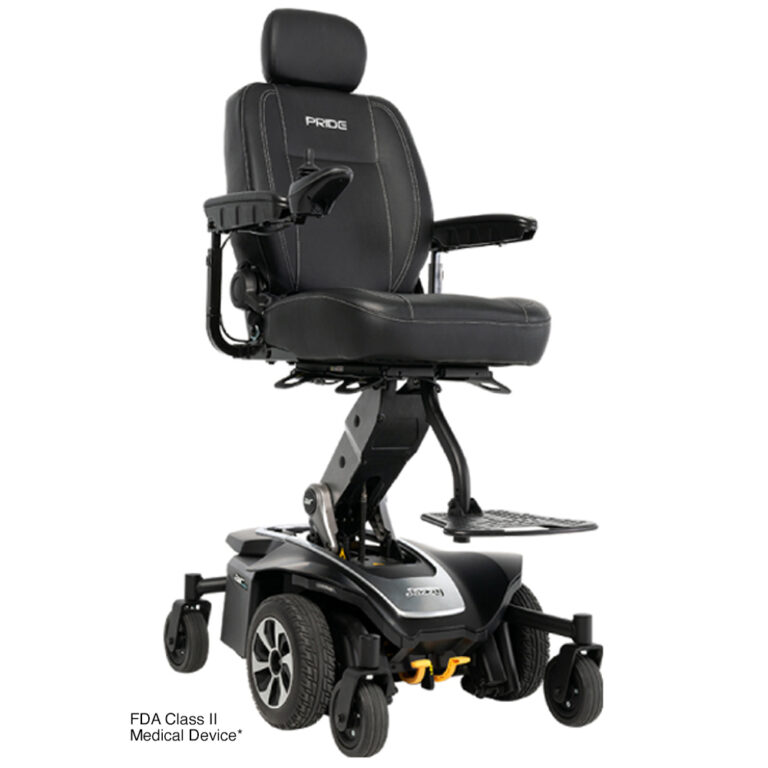
A commode is a portable toilet that helps a person use the bathroom when walking to a regular toilet is difficult or unsafe. To use one safely, place it on a level surface near the bed, lock the wheels if it has them, keep the path clear, and use the armrests for support when sitting and standing. A caregiver should provide help if the person has weak legs, poor balance, confusion, or a recent injury.
Introduction
In homes, hospitals, nursing facilities, and rehabilitation settings across the United States, a bedside commode can reduce the need to walk to the bathroom at night or after surgery. It can also help people with limited mobility, dizziness, pain, or fatigue.
A commode is useful only when it is set up correctly. A loose commode, a slippery floor, poor lighting, or an unsafe transfer can lead to a fall. The steps below apply to most standard bedside commodes and commode chairs in the U.S., but always follow the product manual and the instructions from a health care professional.
If a person cannot stand safely, do not try to move them alone. Ask a nurse, physical therapist, occupational therapist, or trained caregiver to show you the safest transfer method.

What Is a Commode?
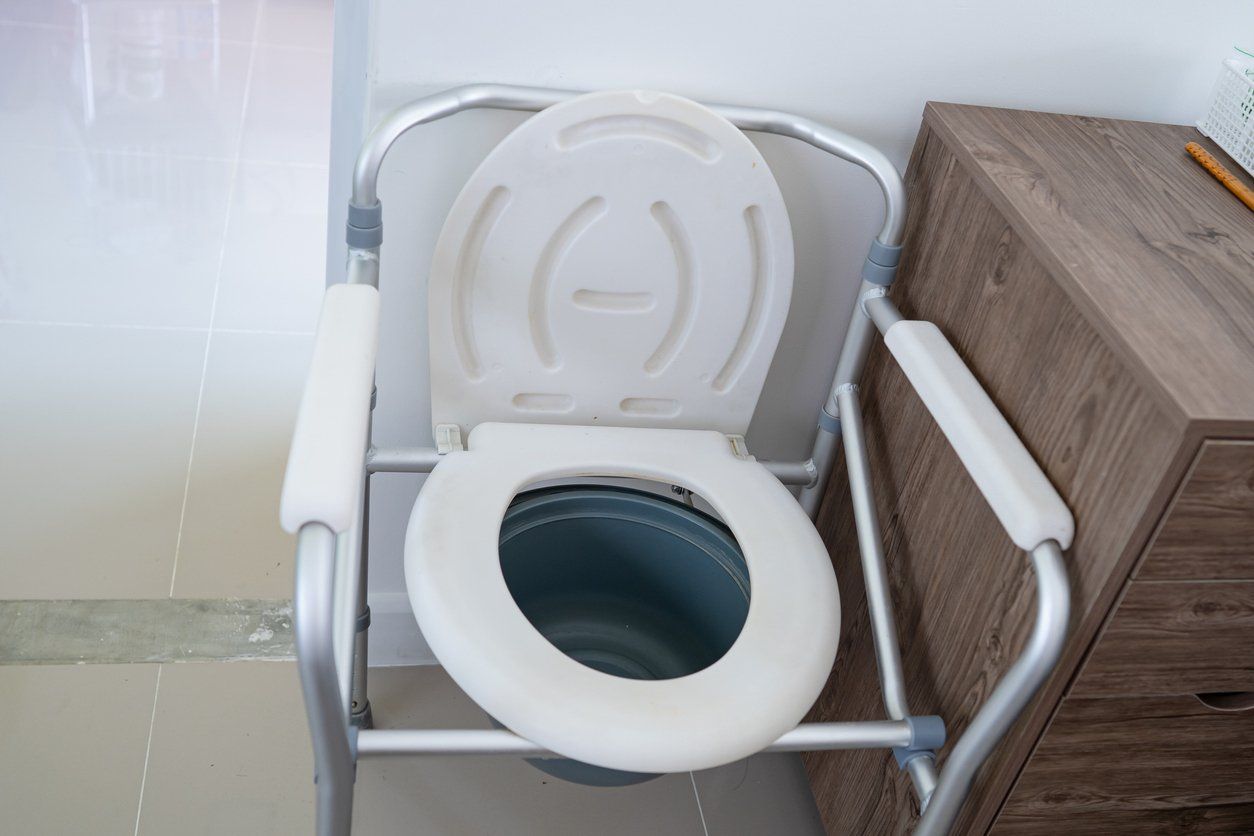
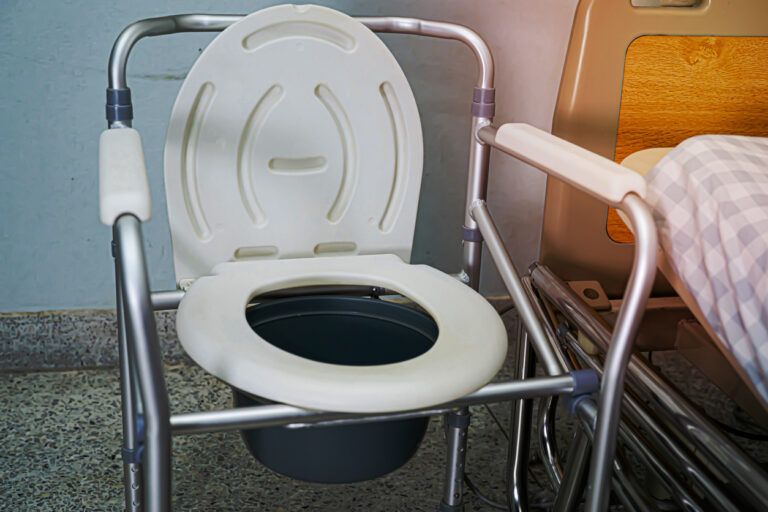
A commode is a chair with a toilet seat and a removable bucket or collection pan. Some models have four fixed legs. Others have wheels and can be used as a shower chair or placed over a regular toilet if the manufacturer allows it.
Common types include:
- Bedside commode: A portable chair used near a bed.
- Drop-arm commode: A chair with one or two arms that swing down or detach. This can help with side transfers.
- Rolling commode: A commode with wheels. It must be locked before the person sits, stands, or transfers.
- Bariatric commode: A wider, higher-capacity model designed for a larger user. Check the exact weight limit.
- 3-in-1 commode: A model that may work as a bedside commode, raised toilet seat, or toilet safety frame when used as directed.
A commode is not the same as a walker or wheelchair. It may provide support during a transfer, but it is not designed to replace a mobility aid unless a clinician or the product instructions say it can.
Parts to check
Before use, identify these parts:
- Seat and lid
- Armrests
- Leg height pins or adjustment buttons
- Rubber tips or wheels
- Wheel locks
- Removable bucket or pan
- Splash guard, if supplied
- Footrests, if the model has them
Read the manufacturer’s instructions for weight capacity, cleaning products, and approved uses. Product designs differ, and a commode that looks stable may not be safe for every person or surface.

How to Set Up a Commode Safely
Set up the commode before the person needs it. A rushed setup increases the chance of a fall.
1. Choose a safe location
Place the commode on a firm, level floor close enough that the user does not need to walk far. Keep it away from loose rugs, cords, clutter, and wet areas.
Allow enough space for the person to turn and sit. Keep the bed, commode, and any mobility aid in a position that matches the person’s stronger side when possible.
Use a night-light or other steady light. Do not rely on a phone flashlight if the person is unsteady.
2. Set the correct seat height
Adjust the legs so the user’s feet can rest flat on the floor while seated. The knees should be close to a right angle, and the hips should not sit much lower than the knees.
A seat that is too low makes standing harder. A seat that is too high may leave the feet dangling, which can reduce balance.
Press each adjustment button fully into its hole. Check that all legs are at the same height unless the product manual allows a different setup.
3. Check the weight limit and condition
Confirm that the user’s weight is within the commode’s stated capacity. Inspect the frame, seat, bucket, leg pins, rubber tips, and wheels for cracks, bending, or loose parts.
Do not use a damaged commode. Do not add cushions, boards, or homemade extensions unless a qualified professional approves them. These changes can make the seat unstable or alter its height.
4. Lock wheels before every transfer
If the commode has wheels, lock them before the user sits down or stands up. Test the chair by gently trying to move it with one hand.
Wheel locks do not make a commode safe to roll with a person seated in it unless the model is specifically designed for transport. Follow the manual for any rolling use.
5. Place the bucket or pan correctly
Secure the bucket or pan under the seat. Make sure it is fully supported and cannot slide out when the person sits.
If the commode uses a disposable liner, use the liner type recommended for that model. Do not overfill the bucket. A fuller container is heavier and more likely to spill.
How to Sit on a Commode
The safest transfer method depends on the person’s strength, balance, weight-bearing limits, and medical condition. The following method is for a person who can stand and take a few steps with control.
Before standing or walking
- Put on non-slip shoes or secure slippers. Avoid loose socks.
- Move the commode close to the bed or chair.
- Lock the commode wheels, if present.
- Move the bed or chair into a stable position.
- Place a walker or cane within reach, but do not use it to pull up.
- Ensure the path is clear and well lit.
If the person feels dizzy, weak, short of breath, or confused, pause. Have them sit or lie down and seek medical advice if the symptoms do not quickly improve.
From a bed or chair
- Help the person sit at the edge of the bed or chair.
- Let them pause before standing. This is especially helpful for people who become dizzy when they change position.
- Ask them to place both feet firmly on the floor.
- The person should push up from the bed or chair, not pull on the commode or walker.
- Once standing, allow time to gain balance.
- Turn toward the commode with small steps.
- Back up until the backs of the legs touch the commode.
- Reach back for the armrests one hand at a time.
- Bend at the hips and knees, then lower slowly into the seat.
A caregiver should stand close enough to help but should not yank, lift, or twist the person. Keep your back straight and bend your knees. Never hold the person by the neck or pull on the arms.
Using a transfer belt
A gait belt, also called a transfer belt, may help a trained caregiver guide a person during a transfer. It should fit around the waist over clothing and should not be placed over a feeding tube, wound, or painful area.
A gait belt is not a lifting device. A caregiver should receive hands-on instruction from a nurse or physical therapist before using one. Do not use it for a person who cannot bear weight unless a qualified professional gives specific instructions.
How to Stand Up and Return to Bed
Standing up can be harder than sitting down. The person should move slowly and use the armrests.
- Ask the person to scoot forward until both feet are flat on the floor.
- Have them place one foot slightly ahead of the other if that improves balance.
- They should push down on the armrests, not pull on the commode.
- Once standing, pause and check for dizziness.
- Turn with small steps toward the bed or chair.
- Back up until the backs of the legs touch the surface.
- Reach back for the bed or chair.
- Lower slowly.
- Once seated, help the person move into a comfortable position.
If the person uses a walker, they should not pull up on the walker to stand. After standing and gaining balance, they can place both hands on the walker as instructed by their physical therapist.
If the person cannot rise, do not keep pulling. Lock the commode, call for another trained helper, and follow the person’s emergency plan. If there is an injury, severe pain, or possible head impact, call 911 in the United States.

How to Use a Commode for Bowel Movements and Urination
Once seated, the person should sit fully back on the seat. Keep clothing below the knees or moved safely out of the way so it does not catch on the frame.
The user should not lean far to one side or forward. If they need help with clothing or hygiene, a caregiver should explain each step and protect the person’s privacy.
After use:
- Help the person stand only when they are ready.
- Make sure they are stable before moving the bucket or pan.
- Empty the contents into a toilet unless the product instructions or facility rules say otherwise.
- Avoid splashing.
- Clean the bucket according to the commode manual.
- Wash hands with soap and water.
Wear disposable gloves when handling body waste. Gloves do not replace handwashing. The CDC recommends washing hands after using the toilet, after changing diapers, and after contact with body fluids.
Do not flush wipes, gloves, liners, or other products unless the label says they are flushable and local plumbing guidance permits it. Many “flushable” wipes can still cause plumbing problems.
Managing spills and odors
Clean spills at once. Use the cleaning product recommended by the manufacturer. Some disinfectants can damage plastic or metal parts.
Do not mix bleach with ammonia, acids, or other cleaning products. The combination can create dangerous fumes. Keep the room ventilated while cleaning, and store disinfectants away from children and pets.
How to Clean and Maintain a Commode
Clean the bucket after each use or as soon as practical. Regular cleaning lowers odor and reduces contact with germs.
A basic cleaning routine is:
- Put on disposable gloves.
- Remove the bucket carefully.
- Empty it into the toilet.
- Rinse the bucket if the product instructions allow rinsing.
- Wash it with warm water and mild soap or use an approved disinfectant.
- Follow the product’s required contact time for disinfectant.
- Rinse when directed.
- Dry the bucket and frame before putting the bucket back.
- Remove gloves and wash your hands.
Check the commode daily for:
- Loose screws or bolts
- Cracks in the seat or frame
- Bent legs
- Missing adjustment pins
- Worn rubber tips
- Wheels that do not lock
- A bucket that does not sit securely
- Rust or sharp edges
Replace worn parts with parts approved for that model. Do not assume a universal replacement will fit safely.
A commode may need more frequent cleaning if the user has diarrhea, an infection, an open wound, or bowel or bladder leakage. Ask a clinician about special cleaning steps when infection control is a concern.
Common Problems and Safer Solutions
| Problem | Possible cause | Safer response |
|---|---|---|
| The commode moves when the user sits | Wheels are unlocked or the floor is uneven | Lock the wheels, move to a level surface, and test stability |
| The user cannot stand from the seat | Seat is too low, legs are weak, or the person is fatigued | Do not pull them up; ask a professional to assess seat height and transfer needs |
| Feet do not reach the floor | Seat is too high | Lower the seat if allowed, or ask a clinician about a different model |
| The user becomes dizzy | Position change, dehydration, medicine effect, or illness | Have the person sit or lie down; seek medical guidance if it continues or is severe |
| The bucket leaks | It is not seated correctly or is damaged | Stop use, check the fit, and replace the bucket if needed |
| The person slips during transfer | Wet floor, poor shoes, or reaching too far | Dry the floor, use non-slip footwear, improve lighting, and get transfer training |
| The commode smells strongly | Delayed cleaning or residue | Empty and clean it after each use; use only approved cleaners |
| The user needs more help than expected | Strength or balance has changed | Contact a health care professional for a new mobility assessment |
A sudden change in walking ability, alertness, bladder control, bowel control, or strength deserves medical attention. It may signal illness, a medication problem, dehydration, or another condition.
When a Commode May Not Be Safe
A standard commode may not be suitable if the person:
- Cannot sit upright without support
- Cannot bear weight when standing
- Has frequent fainting or severe dizziness
- Is confused and may try to stand without help
- Has uncontrolled movements or poor trunk control
- Exceeds the commode’s weight limit
- Has a hip, back, or leg restriction that changes transfer technique
- Needs a mechanical lift
- Cannot reliably follow safety instructions
A physical therapist or occupational therapist can assess the person and recommend the right equipment. Options may include a drop-arm commode, raised toilet seat, toilet safety frame, wheelchair-accessible bathroom setup, transfer board, or mechanical lift.
After hip or knee surgery, follow the surgeon’s specific instructions. Some people must avoid certain hip positions or limit weight on one leg. The correct commode height and transfer method may be different from the general steps in this guide.
Call 911 for a fall with possible head, neck, or spine injury; severe bleeding; chest pain; trouble breathing; sudden one-sided weakness; or loss of consciousness. Do not move the person after a serious fall unless there is immediate danger.
Choosing the Right Commode
The best commode is the one that fits the user, the room, and the transfer plan. Consider these factors:
- Seat height: The user should be able to place both feet on the floor.
- Width: The user should fit without pressing against the armrests.
- Weight capacity: Use the manufacturer’s stated limit, not an estimate.
- Arm design: Fixed arms provide support; drop arms may help with side transfers.
- Wheels: Choose wheels only when they serve a clear purpose and can lock securely.
- Bucket access: The bucket should be easy for the caregiver to remove without spilling.
- Cleaning: Smooth, durable surfaces are easier to clean.
- Room size: Measure the space around the bed and bathroom path.
- Care needs: A person who needs hands-on help may need a clinician-assessed transfer plan.
A higher-capacity or wider commode is not automatically safer. The frame must still fit the user, remain stable, and allow the feet to rest securely on the floor.
Key Takeaways
- Place the commode on a level, dry, well-lit surface.
- Lock the wheels before sitting, standing, or transferring.
- Set the seat height so both feet rest flat on the floor.
- Push from the bed or chair to stand; do not pull on the commode or walker.
- Turn with small steps and lower slowly.
- Clean the bucket after use and wash hands after handling waste.
- Get professional help if the person cannot stand, has poor balance, or has special movement restrictions.
- Call 911 for serious injury, trouble breathing, chest pain, loss of consciousness, or stroke symptoms.
Frequently Asked Questions
Can you sleep next to a bedside commode?
Yes, if the commode is stable, positioned safely, and kept clear of bedding and other obstacles. Use a night-light and keep a call button or phone within reach. A person who is at high risk of falling should ask a caregiver for help rather than walking alone at night.
Should commode wheels be locked?
Yes. Lock the wheels before the person sits down, stands up, or transfers. A locked wheel does not guarantee safety, so also check that the floor is level and the frame is in good condition.
Can a commode be used over a regular toilet?
Some 3-in-1 commodes are designed for this use. Use the commode over a toilet only when the manufacturer allows it, the bucket is removed as directed, and the frame fits securely without rocking.
How often should a commode bucket be emptied?
Empty it after each use whenever possible. Prompt emptying helps control odors, reduces spill risk, and limits contact with waste.
What should I do if someone falls while using a commode?
Do not immediately pull the person up. Check for pain, bleeding, confusion, trouble breathing, or a possible head, neck, or back injury. Call 911 for serious symptoms. If no emergency signs are present, get trained help before attempting to move the person.
Who can teach a safer commode transfer?
A physical therapist, occupational therapist, nurse, or other qualified clinician can assess the person and demonstrate the correct method. Ask for hands-on training if the person has weakness, surgery restrictions, balance problems, or a history of falls.
Conclusion
Safe commode use depends on three things: stable equipment, a clear transfer plan, and the right level of help. Set up the commode before use, lock it in place, keep both feet supported, and move slowly. When a person’s strength or balance changes, stop relying on trial and error and ask a qualified health care professional to reassess the setup.
For U.S. health information, the CDC handwashing guidance, MedlinePlus information on fall prevention, and the commode manufacturer’s instructions are useful starting points.

Michael Reynolds is a senior contributor at RetirementGazette.com, where he focuses on helping readers navigate the journey toward a secure and fulfilling retirement. With over a decade of experience in personal finance, retirement planning, and lifestyle writing, Michael combines practical strategies with easy-to-understand guidance tailored for both pre-retirees and those already enjoying their golden years.