You qualify by medical necessity, physician documentation, a face-to-face exam, and insurer approval.
I’ve helped many people and families navigate how to qualify for an electric wheelchair. This guide breaks down the rules, paperwork, tests, and practical tips you need. I write from direct experience working with clinicians, suppliers, and insurance teams. Read on to learn clear steps, sample documentation, real-world tips, and how to avoid common denials so you can get the right mobility aid faster.
Who needs an electric wheelchair?
Not everyone needs an electric wheelchair. The key is medical necessity. If walking causes danger, pain, or prevents daily tasks, an electric wheelchair may be right.
Short signs someone may need one:
- Needs long-distance mobility but cannot walk safely.
- Uses a standard wheelchair for most tasks but cannot self-propel.
- Has progressive conditions that make walking worse over time.
- Requires a device to safely perform mobility-related activities at home.
From my experience, families often seek power chairs when a cane, walker, or manual chair no longer lets someone safely complete basic tasks. Knowing why you need the device helps when preparing documentation.
Medical criteria and documentation required
Understanding what medical evidence is needed will speed approval. Insurers look for proof that an electric wheelchair is medically necessary and appropriate.
Essential documentation typically includes:
- A written order or prescription from a physician that states the specific mobility need.
- A face-to-face exam note describing functional limits and safety concerns.
- Medical records showing diagnoses, tests, and history of mobility decline.
- A mobility assessment from a physical or occupational therapist detailing daily limitations and ADL impact.
- Evidence that less complex devices were tried or are unsuitable.
Practical tip: Keep all notes focused on how mobility limits affect mobility-related activities of daily living, such as bathing, dressing, toileting, and moving safely inside the home. Clinicians who use clear, short statements make claims easier to approve.
Insurance and Medicare rules
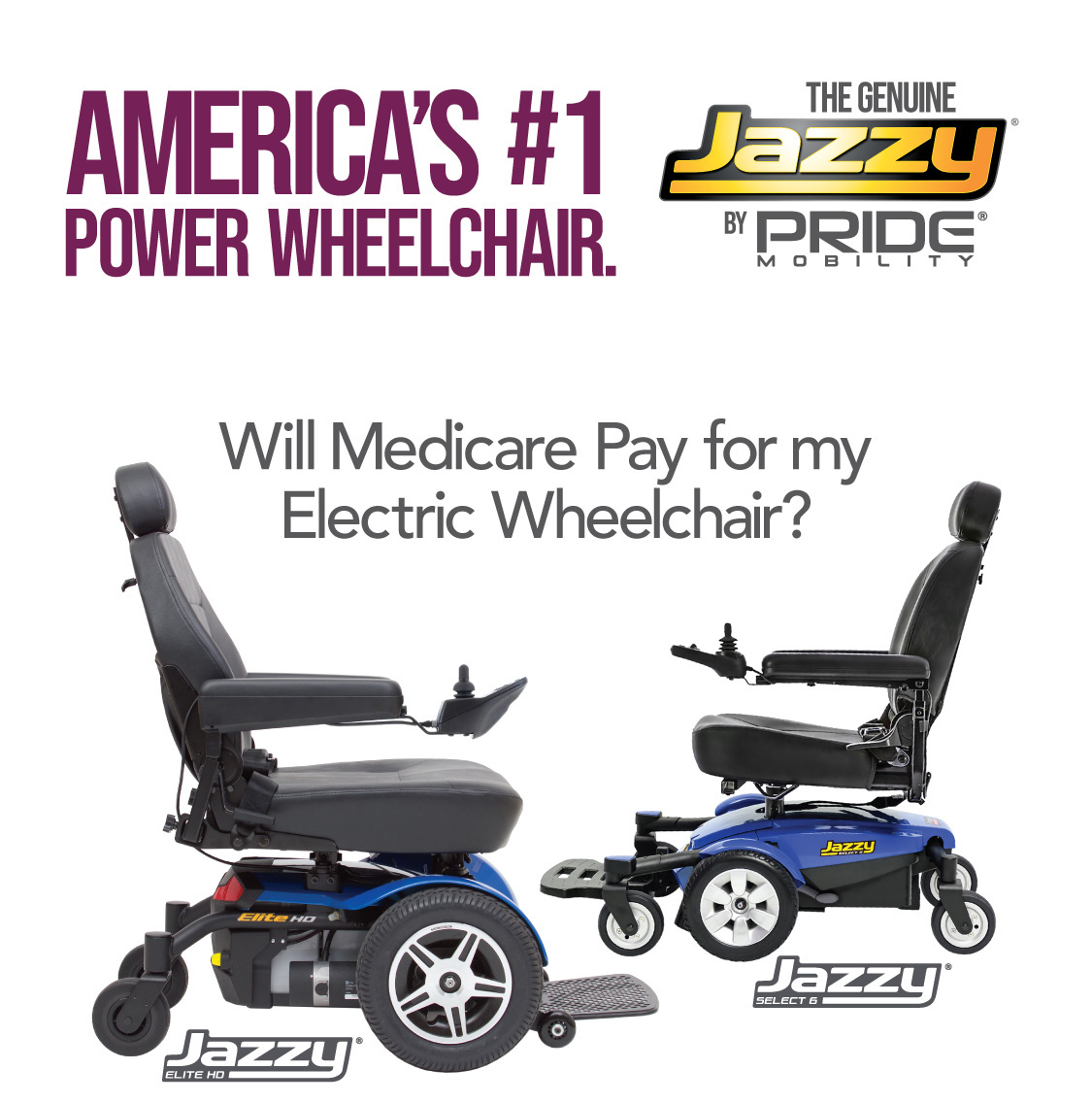
Coverage rules vary. Knowing basic Medicare and private insurance requirements is crucial when you explore how to qualify for an electric wheelchair.
Core points to know:
- Medicare and many insurers require documentation that mobility deficits significantly impair daily home activities.
- A face-to-face examination with a physician is usually required within a set period before the order. Ask your supplier about current timing rules.
- Medicare typically asks whether a manual wheelchair can meet needs before approving a powered device.
- Many insurers require the supplier to be accredited and to provide a written plan of care and trial data.
I once helped a client whose claim stalled because the supplier wasn’t in-network. Double-check your supplier’s credentials before ordering. This small step often prevents denials.
Step-by-step process to qualify
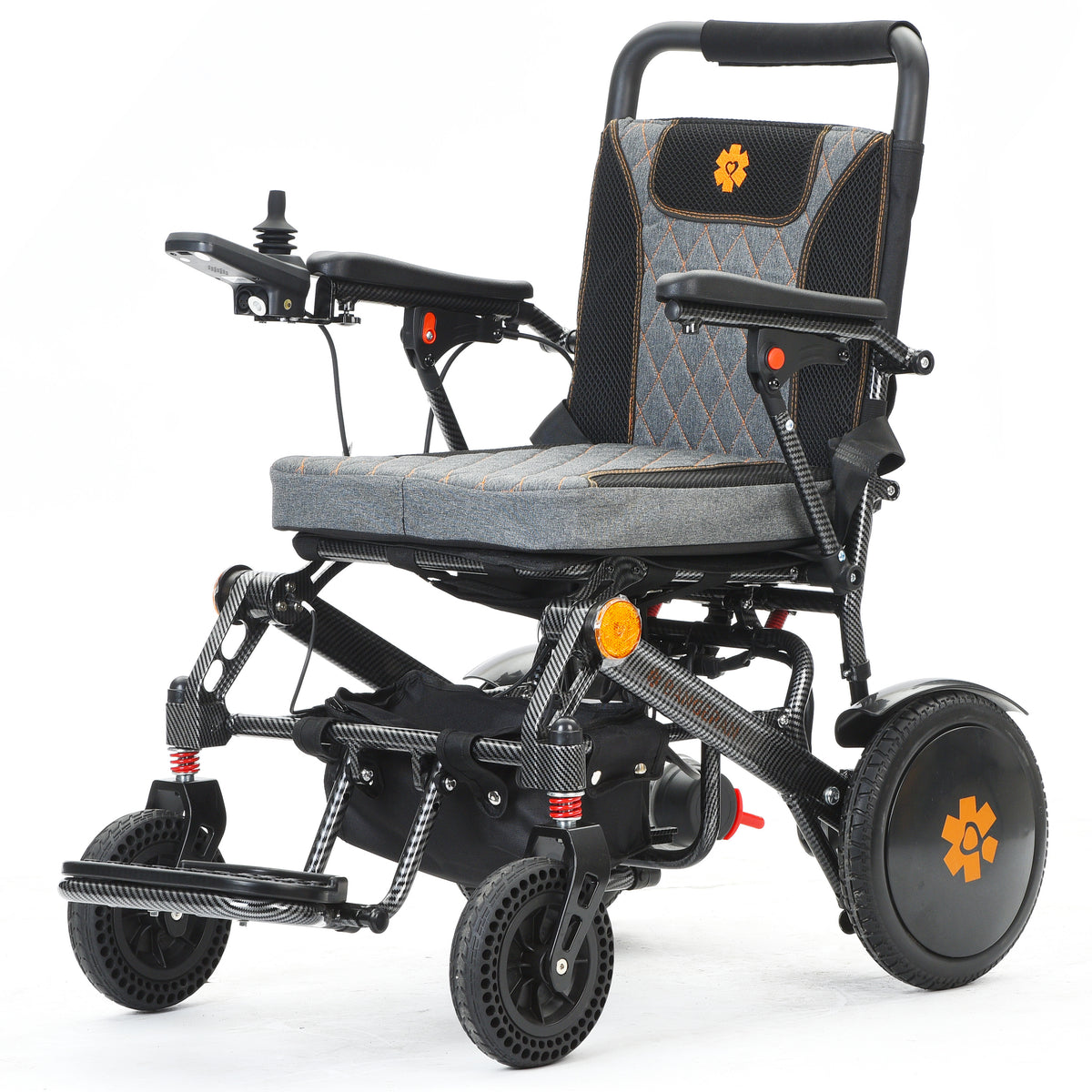
A clear process helps you track progress and gather what insurers expect. These steps explain how to qualify for an electric wheelchair from start to finish.
- Get a clinical evaluation.
- See your primary care doctor or specialist. Describe daily problems. Request a written order.
- Arrange a face-to-face exam.
- The clinician documents functional limits and safety risks. Ensure notes are specific.
- Request a mobility assessment.
- Have a PT/OT evaluate walking, transfers, distance, balance, and ADLs.
- Trial or testing.
- Some insurers ask for trial data showing a powered device’s effectiveness.
- Select a qualified supplier.
- Use an accredited supplier who handles billing and prior authorization.
- Submit prior authorization.
- The supplier files necessary paperwork with your insurer.
- Follow up and appeal if needed.
- Track timelines. If denied, request reasons and submit appeals with more documentation.
My tip: Keep copies of every form and note. A complete file reduces back-and-forth and speeds decisions.
Assessments and tests used
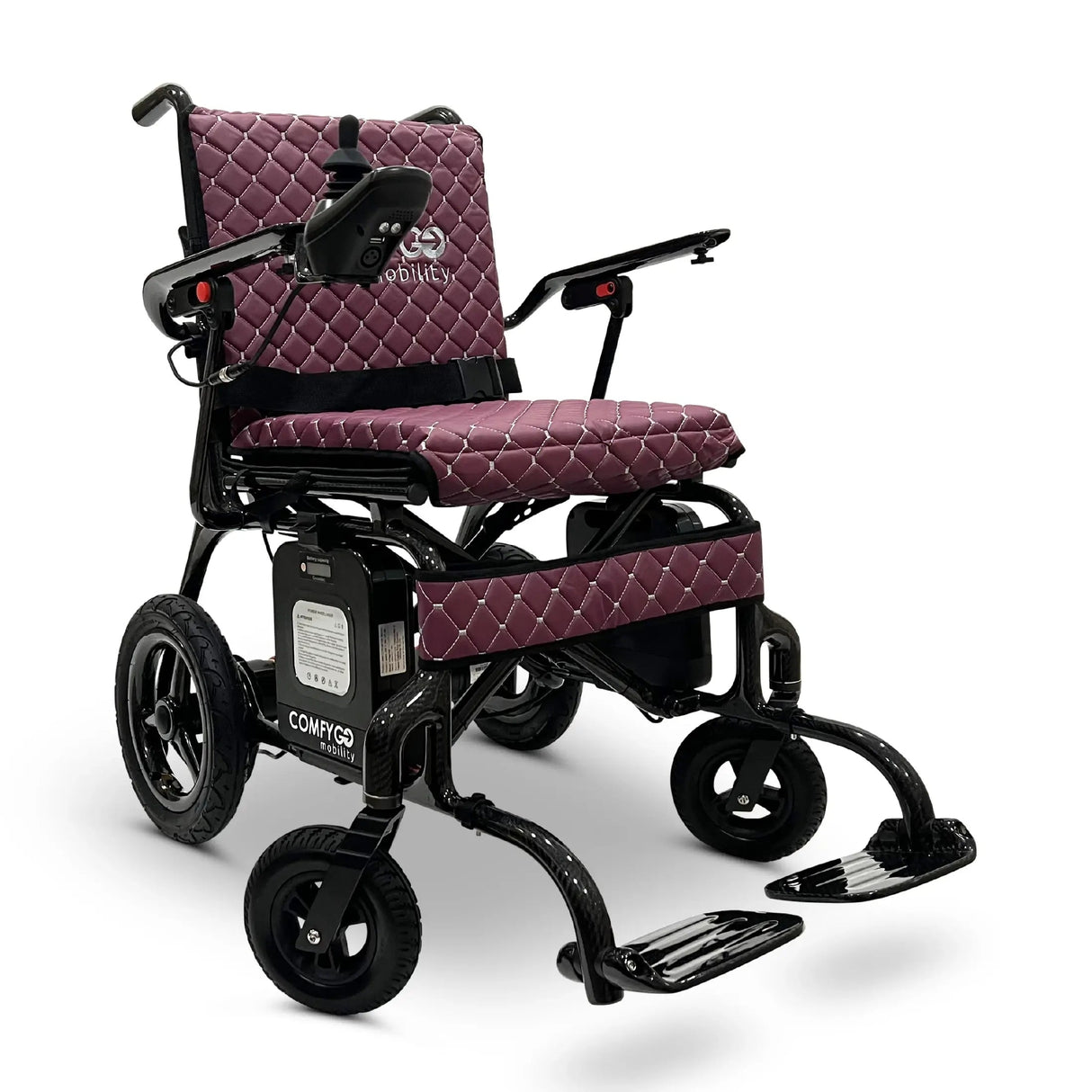
Assessments quantify need. They show how mobility loss affects function. These tests are common when determining how to qualify for an electric wheelchair.
Assessments often used:
- Timed Up and Go (TUG) to measure balance and transfer safety.
- Distance tests to show limited walking tolerance (for example, inability to walk household distances).
- Functional independence measures describing ADLs affected by mobility limits.
- Home safety assessment evaluating ramps, doors, and space for a power chair.
- Cognitive screening when cognition could affect safe use.
When I accompanied a client for a home assessment, small notes about door width and bathroom clearance made a big difference. Specifics matter.
Types of electric wheelchairs and how to match needs
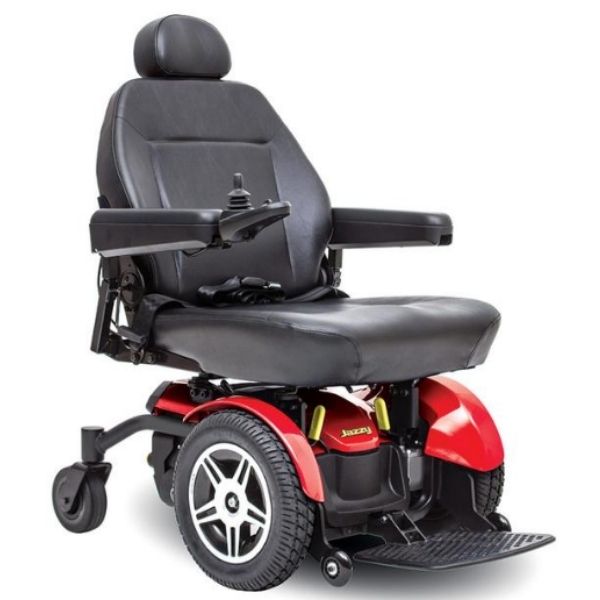
Not all electric wheelchairs are the same. Choosing the right type helps insurers see that the device fits your needs.
Common categories:
- Rear-wheel drive power chairs: Good for outdoor stability and speed.
- Mid-wheel drive power chairs: Excellent indoor maneuverability and tight turns.
- Front-wheel drive power chairs: Better on uneven outdoor terrain.
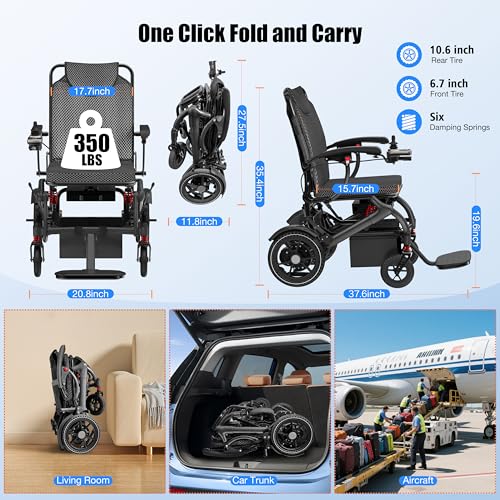
- Complex rehab power chairs: Custom-built for people with severe postural or complex needs.
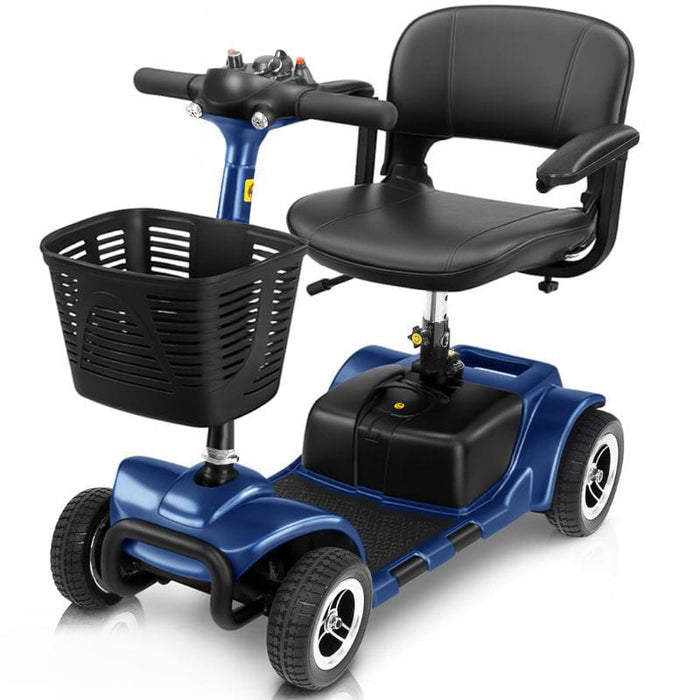
- Mobility scooters: Better for people who can transfer independently and need travel over smooth surfaces.
Match features to needs, not wants. If the main need is indoor mobility and tight turns, mid-wheel drive often makes the best medical sense for approval.
Common reasons claims get denied and how to avoid them
Denials are common but often fixable. Knowing typical reasons helps you prepare and prevent delays.
Common denial reasons and fixes:
- Lack of clear medical necessity — Ask clinicians to state specific functional limits and ADL impact.
- Missing or outdated face-to-face exam — Verify timing rules and get a current exam.
- Supplier errors or non-accreditation — Choose a supplier experienced with your insurer.
- No trial or documentation of unsuccessful alternatives — Provide notes on why a cane, walker, or manual wheelchair won’t work.
- Vague paperwork — Use short, precise statements: name the activity, distance, and safety risk.
If you get denied, request the denial reason in writing. Then target the missing element in the appeal. Specific, short statements often change decisions.
Cost, funding options, and rental vs purchase
Costs vary widely. Knowing options will help when you plan how to qualify for an electric wheelchair and pay for it.
Funding options:
- Medicare and many private insurers if criteria are met.
- Medicaid programs that cover durable medical equipment for eligible beneficiaries.
- Veterans benefits, grants, and nonprofit organizations.
- State assistive technology programs or disability services.
- Personal funds, loans, or rental plans when insurance doesn’t cover the full cost.
Choosing rental first can be smart when the need may be short-term. Renting lets you try models and proves to insurers that a power chair made daily tasks possible. I’ve seen rentals lead to successful purchase approvals when trial notes are well documented.
Personal tips and lessons learned
Here are practical tips based on real-world experience helping people qualify.
Helpful tips:
- Be specific. Tell clinicians how far you can walk, where you fall short, and what tasks you cannot complete.
- Ask your clinician to use clear phrases such as “unable to safely perform” and name the ADL affected.
- Keep a short diary for two weeks documenting incidents, distances, and fatigue. This log is strong evidence.
- Work with an experienced supplier. They know forms, codes, and appeal steps.
- Start the process early if your condition is progressive. Gathering records takes time.
I once lost a week due to a missing home assessment. Scheduling that early avoids delays. Clear notes and early planning help most.
Frequently Asked Questions of How to qualify for an electric wheelchair
What basic medical evidence do I need to qualify for an electric wheelchair?
You need a physician’s written order, a recent face-to-face exam, and documentation of functional limits. A PT/OT assessment that links mobility issues to daily activities strengthens the case.
Does Medicare cover electric wheelchairs?
Medicare may cover electric wheelchairs if they are medically necessary and other options are insufficient. Coverage requires documented functional impairment, a face-to-face exam, and a qualified supplier’s paperwork.
How long does the approval process usually take?
Approval times vary by insurer and completeness of documentation. A clear, complete submission may take a few weeks; denials and appeals can extend the timeline to months.
Can I rent an electric wheelchair while pursuing coverage?
Yes, renting is often possible and can serve as trial evidence for insurers. Keep rental reports and therapist notes to support your claim for purchase.
What can I do if my claim is denied?
Request a written denial and the reason for denial. Then gather targeted documentation and file an appeal, ideally with help from your supplier or clinician who can add clarifying notes.
Conclusion
Qualifying for an electric wheelchair is a step-by-step process. Start with a clear medical evaluation. Gather focused documentation that shows how mobility limits affect daily life. Work with a knowledgeable supplier and keep short, specific records. If you face denial, appeal with targeted evidence.
Take action today: talk to your clinician about a face-to-face exam and gather two weeks of mobility notes. Share your experience in the comments or reach out to a trusted supplier to begin the next step.

Michael Reynolds is a senior contributor at RetirementGazette.com, where he focuses on helping readers navigate the journey toward a secure and fulfilling retirement. With over a decade of experience in personal finance, retirement planning, and lifestyle writing, Michael combines practical strategies with easy-to-understand guidance tailored for both pre-retirees and those already enjoying their golden years.