Work with senior citizens by listening well, showing respect, protecting safety, and supporting their choice and independence.
Working with senior citizens is both meaningful and demanding. Older adults bring rich life stories, strong values, and different needs shaped by health, culture, family, income, and past experiences. Good support is not about taking over. It is about helping each person live with dignity and as much control as possible.
This guide explains how to work with senior citizens in home care, health care, community programs, customer service, and daily support. It combines practical methods, safety guidance, communication skills, and lessons from real care settings so you can build trust and offer thoughtful help.

Understand the Needs of Senior Citizens
Senior citizens are not one single group. A healthy 65-year-old may need very different support from a 90-year-old living with memory loss or limited mobility. Age alone does not tell you what a person can do, wants to do, or needs.
When learning how to work with senior citizens, begin with the whole person. Look beyond a diagnosis or physical limitation. Ask about the person’s goals, habits, beliefs, fears, strengths, and preferred routine.
Common needs may include:
• Help with bathing, dressing, grooming, meals, or medication reminders
• Support with walking, transfers, exercise, or transportation
• Companionship and relief from loneliness
• Clear information about health care, benefits, or community services
• Assistance with memory, hearing, vision, or speech changes
• Respect for privacy, culture, religion, gender, and personal choices
• Emotional support during grief, illness, retirement, or major life changes
A useful approach is to ask, “What would make today easier for you?” This simple question can reveal more than a long checklist. It also shows that the older adult is a partner in care, not a task to complete.

Build Trust Through Respectful Communication
Trust is the foundation of how to work with senior citizens. Without trust, even useful advice may feel like control. Speak to the person as an adult, not as a child.
Use the person’s preferred name and ask how they want to be addressed. Maintain a calm tone. Sit or stand at eye level when possible. Give the person time to answer, especially if speech, hearing, or memory changes make conversation slower.
Helpful communication habits include:
• Speak clearly at a normal volume unless the person asks you to speak louder
• Use short sentences and one idea at a time
• Face the person so they can see your mouth and facial expressions
• Reduce background noise from televisions, radios, or busy rooms
• Ask open questions, such as “How are you feeling about this plan?”
• Repeat or explain information without showing frustration
• Confirm understanding by asking the person to describe the plan in their own words
• Listen without interrupting
Avoid common forms of ageism. Do not use baby talk, pet names, or a loud voice simply because someone is older. Do not assume that hearing loss means confusion. Do not speak only to a family member when the older adult can answer for themselves.
One lesson many care workers learn early is that silence can be helpful. People may need extra time to find a word or gather their thoughts. If you rush to fill every pause, you may take away their chance to speak.

Protect Independence and Personal Choice
The best support helps an older adult do as much as possible safely. Doing every task for someone may seem kind, but it can reduce confidence and physical ability over time.
Use the “least help first” approach. Offer a reminder before physical help. Offer a steady arm before lifting. Set up clothing before dressing the person. Give choices whenever possible.
For example, instead of saying, “It is time to get dressed,” try:
“Would you like the blue shirt or the green one today?”
Instead of saying, “I will make your lunch,” try:
“Would you like soup or a sandwich? I can set up the items, and you can prepare what feels comfortable.”
When learning how to work with senior citizens, remember that independence does not mean doing everything alone. It means having a meaningful role in decisions and daily activities.
Respect informed refusal as well. An older adult may refuse a shower, meal, activity, or medical visit. First, ask why. The reason may be pain, fear, embarrassment, fatigue, depression, or a misunderstanding. Never use threats, shame, or force. Follow workplace policy and contact a supervisor or qualified professional when safety is at risk.

Create a Safe and Comfortable Environment
Falls, medication errors, burns, dehydration, and missed medical care can cause serious harm. Safety should be part of every visit, but it should not feel like an inspection that removes the person’s control.
Check the space with the older adult. Look for:
• Loose rugs, clutter, cords, and poor lighting
• Wet floors near the bathroom or kitchen
• Chairs that are too low or hard to rise from
• Missing handrails or unsafe steps
• Frequently used items placed too high or too low
• Expired food or unsafe appliances
• Problems with walking aids, glasses, hearing devices, or footwear
Encourage safe footwear and clear walking paths. Keep a phone or alert device within reach. Follow the person’s care plan for transfers and mobility. Never attempt a lift that requires training or equipment you do not have.
A safety check should also include emotional safety. The person should feel free to ask questions, express pain, and report concerns. A clean room is helpful, but a safe relationship is just as important.
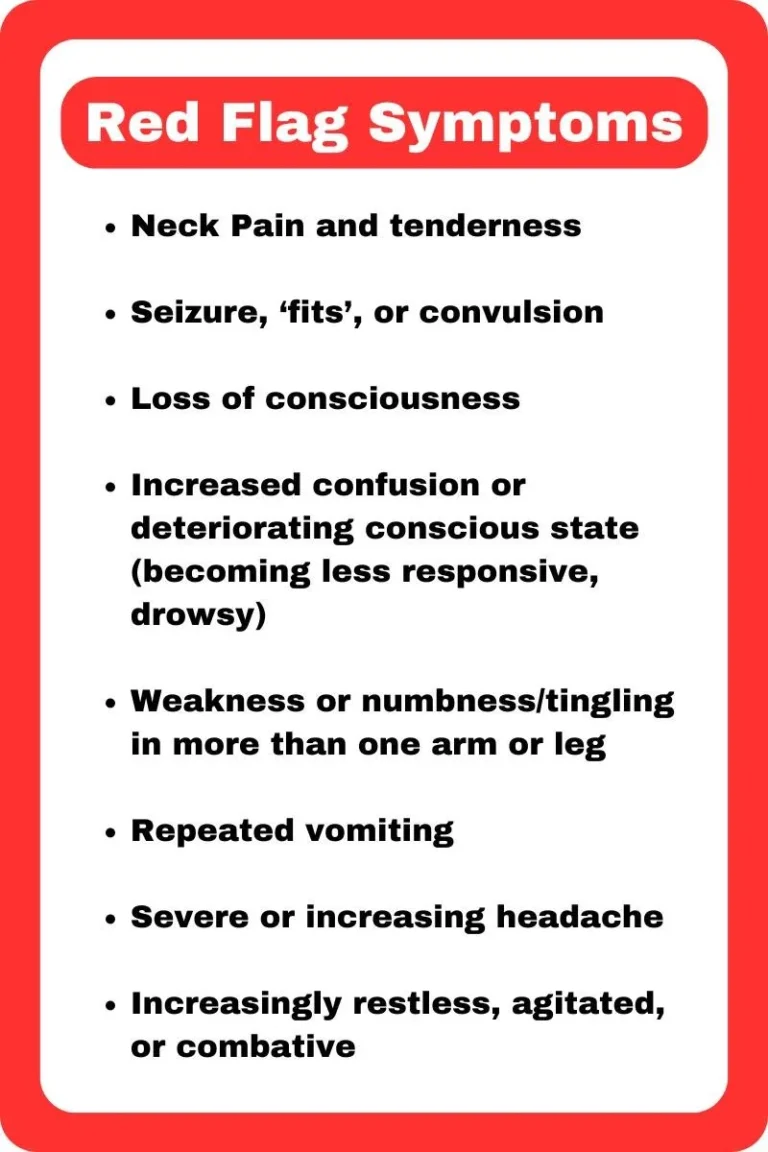
If you notice sudden confusion, chest pain, trouble breathing, weakness on one side, a serious fall, or other urgent symptoms, contact emergency services. Do not try to diagnose the problem yourself.

Support Older Adults With Dementia
Dementia can affect memory, language, judgment, mood, and daily function. It does not erase a person’s feelings or need for respect. A person with dementia may forget your name but still sense whether you are patient and kind.
Use calm, simple communication. Introduce yourself each time if needed. Give one step at a time. Rather than asking many questions, offer gentle choices.
Useful methods include:
• Keep a familiar routine
• Use clear signs, labels, clocks, and calendars
• Reduce noise and visual clutter
• Redirect unsafe actions without arguing
• Validate feelings before offering a solution
• Focus on the emotion behind repeated questions
• Praise effort instead of correcting every mistake
If someone says, “I need to go home,” arguing may increase distress. You might say, “You miss home. Tell me what you like about it,” and then offer a familiar activity or a snack.
Do not assume every behavior is caused by dementia. Pain, infection, constipation, poor sleep, medication effects, or dehydration can cause sudden changes. Report new or unusual symptoms to the appropriate health professional.
Practice Cultural Humility and Inclusion
Cultural humility means staying open, respectful, and willing to learn. It is not the same as memorizing facts about a cultural group. Every person has individual beliefs and preferences.
Ask about food, language, religious practice, family roles, modesty, touch, gender preferences, and holidays. Do not assume that a family wants the same level of involvement in care. Some older adults prefer family participation, while others value private decision-making.
Language access matters. Use a qualified interpreter when important information must be understood. Do not rely on a young child to interpret medical, financial, or private topics.
Also consider economic differences. Some senior citizens cannot afford new equipment, private transportation, home repairs, or certain foods. Offer practical choices and connect the person with social workers, senior centers, transportation programs, meal services, or benefits counselors when available.
Respectful care asks, “What matters to you?” It does not ask the person to fit a narrow idea of aging.
Set Healthy Professional Boundaries
Warmth and professionalism can exist together. Older adults may invite you to accept gifts, lend money, run private errands, or become involved in family disputes. These situations can feel personal, but clear boundaries protect everyone.
Follow your employer’s rules about:
• Gifts, tips, loans, and personal purchases
• Social media and private communication
• Transportation and driving
• Handling cash, checks, or valuables
• Medication assistance
• Personal relationships
• Confidential information
Never borrow money from a client or use a client’s bank card without approved procedures. Keep records for purchases and return receipts. Do not share private health details with neighbors, friends, or relatives who are not authorized to receive them.
If a family member asks you to hide information, change medication, or perform a task outside your role, pause and contact your supervisor. When learning how to work with senior citizens, knowing your limits is a sign of responsibility, not a lack of compassion.
Watch for Abuse, Neglect, and Exploitation
Older adults may face physical abuse, emotional abuse, sexual abuse, neglect, abandonment, or financial exploitation. Warning signs can include unexplained injuries, sudden fear around a certain person, poor hygiene, missing medication, unpaid bills, unusual withdrawals, or a rapid change in legal documents.
One sign alone may not prove abuse. Still, it deserves careful attention. Listen without judging. Do not promise secrecy if someone may be in danger. Write down facts, dates, statements, and observations according to workplace policy.
Report concerns through the required adult protective services, health care, supervisor, or emergency channels. Reporting rules vary by state and job role, so learn the laws where you work.
Financial exploitation is especially difficult because the person may feel embarrassed or afraid. Use respectful language such as, “I noticed something that concerns me. Can we talk about it?” Protect dignity while taking the concern seriously.
Coordinate With Families and Care Teams
Good senior care often involves family members, nurses, physicians, therapists, social workers, and direct care staff. Clear teamwork prevents missed details and mixed messages.
Use a shared care plan when one is available. Record changes in appetite, sleep, mood, mobility, pain, skin condition, and behavior. Report facts rather than guesses.
For example, write, “Mr. Lee ate half of breakfast and said his knee hurt when standing,” rather than, “Mr. Lee was difficult today.”
Ask who is allowed to receive information. Privacy laws protect health information, and family involvement does not automatically give everyone access to private records. When the older adult has decision-making ability, their wishes should guide communication.
Family caregivers may also feel tired, worried, or guilty. Listen with care, but do not criticize or take sides. Encourage them to use respite care and professional support when needed.
Learn the Skills Your Role Requires
The right training depends on your position. A companion, home health aide, nurse, activity leader, and social worker do not have the same duties.
Useful training topics may include:
• First aid and cardiopulmonary resuscitation
• Fall prevention and safe transfers
• Dementia care
• Infection prevention
• Nutrition and hydration
• Medication boundaries
• Mental health and suicide awareness
• Elder abuse recognition and reporting
• Disability access and communication
• Cultural competence
• Privacy and documentation
Ask for guidance before performing a task you have not been trained to do. This is especially important for lifting, wound care, medication administration, oxygen equipment, and transfers.
Reliable guidance often comes from state health departments, licensed health professionals, aging agencies, emergency services, and evidence-based gerontology programs. Standards can vary, so combine general advice with local rules and the person’s care plan.
Use Activities That Add Meaning
Activities should match the older adult’s interests, energy, ability, and culture. The goal is not to keep someone busy. The goal is to support joy, purpose, connection, movement, or memory.
Ideas include:
• Looking through family photos
• Listening to favorite music
• Gardening in containers
• Cooking a familiar recipe
• Reading newspapers or short stories
• Walking in a safe area
• Playing cards or simple games
• Attending a faith service or community event
• Writing letters or recording family stories
• Doing seated stretches approved by a professional
Offer an activity, but accept no as an answer. Some days, quiet company is the right activity. A cup of tea and a familiar song can be more valuable than a packed schedule.
When planning group activities, adapt for hearing, vision, mobility, and cognitive needs. Make instructions easy to see and hear. Avoid making anyone feel singled out.
Manage Difficult Moments With Patience
Stressful moments are part of how to work with senior citizens. A person may become angry, repeat a request, refuse care, or accuse someone of taking an item. Your first task is to stay calm.
Try this sequence:
-
Check for immediate danger.
-
Lower noise and reduce the number of people in the room.
-
Listen for the feeling behind the words.
-
Validate the concern without agreeing to something untrue.
-
Offer one simple choice.
-
Give space if the person needs it.
-
Report ongoing or sudden changes.
Avoid arguing, crowding, threatening, or using physical force unless an approved emergency procedure applies. A tense interaction often improves when you slow down. Think of your calm as an anchor: it gives the other person something steady to hold.
Also watch your own reactions. Irritation is a signal to pause, breathe, and seek support. It is not a reason to shame the older adult.
Prevent Loneliness and Support Emotional Health
Loneliness can affect mood, sleep, activity, and overall health. Social contact helps, but it must feel genuine. Ask what kind of connection the person enjoys. Some people prefer one close friend, while others enjoy a group.
Look for signs of depression, anxiety, grief, or hopelessness. These may include withdrawal, loss of interest, changes in eating or sleeping, low energy, or comments about being a burden. Do not dismiss these signs as “normal aging.”
Ask direct, caring questions when appropriate, such as, “Have you been feeling so low that life does not seem worth living?” Asking about suicidal thoughts does not create suicidal thoughts. A positive response needs immediate attention from a qualified professional or emergency service.
Do not try to act as a therapist unless that is your role. Offer listening, document concerns, and connect the person with medical or mental health support.
Care for Yourself While Helping Others
Compassion fatigue and burnout can affect anyone who works with senior citizens. Warning signs include constant exhaustion, anger, numbness, poor sleep, dread before visits, and feeling unable to care.
Protect your health with simple habits:
• Take scheduled breaks
• Eat and drink regularly
• Use safe body mechanics
• Ask for help with heavy or complex tasks
• Debrief after a difficult event
• Keep work and personal time separate
• Continue training and supervision
• Use counseling or employee support when needed
You cannot offer steady care from an empty tank. Self-care is not selfish. It helps you remain patient, alert, and safe.
Common Mistakes to Avoid
Even caring workers can make mistakes. Most are preventable when you slow down and remain curious.
Avoid these errors:
• Assuming all older adults are frail or confused
• Speaking to family instead of the older adult
• Rushing personal care
• Making decisions without consent
• Using childish language
• Ignoring pain because the person has dementia
• Promising more than you can provide
• Sharing private information
• Treating a care plan as permanent when needs have changed
• Failing to report safety concerns
A strong worker repairs mistakes. Apologize plainly, explain what you will do differently, and follow through. Trust can grow after an honest correction.
Frequently Asked Questions About How to Work With Senior Citizens
What is the most important skill when working with senior citizens?
Listening is one of the most important skills. It helps you understand the person’s needs, preferences, fears, and goals before you offer support.
How should I communicate with an older adult who has hearing loss?
Face the person, reduce background noise, speak clearly, and use written information when helpful. Do not shout, and ask which communication method works best for them.
How can I help a senior citizen stay independent?
Offer the least help needed and allow the person to make choices. Set up tools, remove hazards, and provide support without taking over tasks they can safely do.
What should I do if an older adult refuses care?
Ask why they refuse and listen without arguing. Offer choices, try again later when appropriate, and report serious safety concerns according to the care plan and workplace rules.
How do I work with a senior citizen who has dementia?
Use simple words, familiar routines, calm redirection, and emotional validation. Check for pain, illness, dehydration, or medication changes if confusion suddenly worsens.
What are signs that a senior citizen may be experiencing abuse?
Possible signs include unexplained injuries, fear, poor hygiene, missing medication, sudden financial changes, or unusual behavior. Record facts and report concerns through the proper local or workplace channel.
Can I accept gifts from a senior citizen?
Gift rules vary by employer and role, so check your policy before accepting anything. Never accept money, loans, expensive gifts, or access to financial accounts without clear approved guidance.
Conclusion
Learning how to work with senior citizens starts with respect, patience, safety, and genuine listening. Treat each older adult as a whole person with a history, voice, and right to make choices. Support independence, communicate clearly, protect privacy, notice health changes, and ask for professional help when a need exceeds your role.
Small actions matter. A calm greeting, a safe walkway, a favorite song, or an extra minute to listen can change someone’s day. Use these practices in your work, continue your training, and explore trusted local aging resources to become an even stronger source of support.

Michael Reynolds is a senior contributor at RetirementGazette.com, where he focuses on helping readers navigate the journey toward a secure and fulfilling retirement. With over a decade of experience in personal finance, retirement planning, and lifestyle writing, Michael combines practical strategies with easy-to-understand guidance tailored for both pre-retirees and those already enjoying their golden years.