Seniors can get free groceries through SNAP, food banks, senior food boxes, meal programs, and local community groups.
Finding enough food on a fixed income can feel stressful, but help is available in nearly every U.S. community. This guide explains how can seniors get free groceries, who may qualify, how to apply, and what to do when an application feels confusing or slow.
How Can Seniors Get Free Groceries Through Government Programs?
The best starting point for how can seniors get free groceries is to check federal and state food assistance programs. Some programs provide grocery funds, while others offer food boxes, home delivery, or prepared meals.
Supplemental Nutrition Assistance Program
The Supplemental Nutrition Assistance Program, known as SNAP, helps eligible households buy food. Benefits are placed on an Electronic Benefits Transfer card, which works much like a debit card at approved stores and farmers markets.
SNAP rules vary by state. Eligibility often depends on income, household size, assets, medical costs, rent, and utility bills. Adults age 60 or older may receive special consideration for medical expenses and may have simpler reporting rules.
SNAP benefits can usually pay for:
• Fresh fruits and vegetables
• Meat, poultry, and fish
• Dairy products
• Bread, cereal, and other pantry foods
• Seeds and plants that grow food
SNAP generally does not cover alcohol, vitamins, medicine, hot prepared meals, or household products. A senior who has high medical or housing costs should report those costs because they may affect eligibility.
To apply, contact the state SNAP office through the official state government website or call the national hunger hotline at 211 for local guidance. A caseworker can explain the documents needed and whether an interview is required.
Commodity Supplemental Food Program
The Commodity Supplemental Food Program, or CSFP, provides monthly food packages to many low-income adults age 60 and older. Packages may include shelf-stable foods such as canned vegetables, fruit, cereal, pasta, rice, beans, peanut butter, and meat.
CSFP is not offered in every county. Local food banks, senior centers, and state agencies often manage enrollment and distribution. Supplies may be limited, so it helps to ask about waiting lists and pickup schedules.
Emergency Food Assistance Program
The Emergency Food Assistance Program, often called TEFAP, helps food banks and pantries serve people with low incomes. Seniors may receive free groceries without completing a long federal application.
The rules differ by location. Some sites ask for basic income information, while others only ask for a household size and address. Call before visiting so you know what identification, if any, you should bring.
Medicaid and Medicare-related help
Medicaid can connect seniors with case managers and community programs that address food insecurity. Some Medicare Advantage plans may also offer grocery allowances or healthy food benefits for members with certain health conditions.
These benefits are not part of every Medicare plan. Do not assume that Original Medicare includes grocery money. Review the plan’s official Evidence of Coverage or call the member services number on the insurance card.

How Can Seniors Get Free Groceries From Food Banks and Pantries?
For many seniors, the quickest answer to how can seniors get free groceries is a local food pantry. Food banks supply groceries to community organizations, churches, schools, and senior centers.
Food pantries may offer:
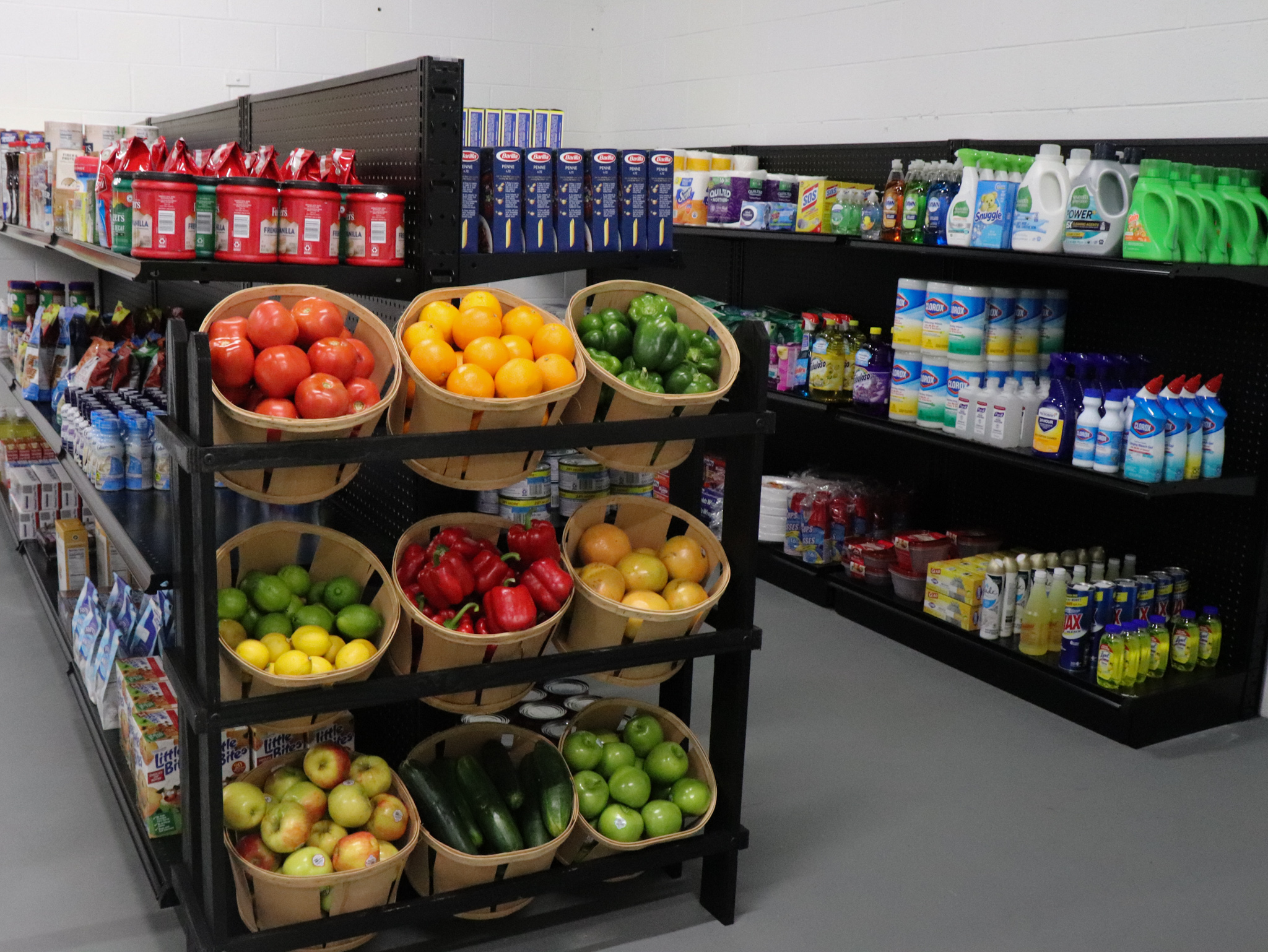
• Canned and boxed foods
• Fresh produce
• Frozen meat
• Bread and baked goods
• Baby or household items when available
• Special food for people with diabetes or other needs
Some pantries allow walk-ins. Others require an appointment or proof of residence. Many use a simple intake form rather than a detailed financial review.
Use these steps to find help:
- Call 211 and ask for senior food assistance near you.
- Search for a food bank through the Feeding America food bank locator.
- Contact your county or city office on aging.
- Ask a senior center, library, church, or community clinic for referrals.
- Call the pantry before traveling to confirm hours and current supplies.
A useful tip is to ask whether the pantry offers a senior-only distribution day. These events may have shorter lines, easier parking, and foods chosen for older adults.
What to bring to a food pantry
Requirements vary, but you may want to bring:
• A photo ID
• Proof of address
• A SNAP or Medicaid card
• Income information
• Reusable bags or a small cart
• A medication or dietary needs list
Do not avoid a pantry because you lack one document. Call first and ask what alternatives are accepted. Many organizations try to reduce barriers for older adults.

Senior Food Boxes and Grocery Delivery Programs
Another important part of how can seniors get free groceries is learning about food delivery services. These programs help people who cannot drive, stand in line, or carry heavy bags.
Home-delivered senior meals
Meals on Wheels programs deliver prepared meals to eligible older adults. Many programs serve people who are homebound, unable to cook, or at risk of poor nutrition.
These meals are not always completely free. Some programs use a sliding scale, accept voluntary donations, or receive government funding. No eligible senior should be turned away only because they cannot pay, but local rules differ.
Call the local Area Agency on Aging to ask about:
• Home-delivered meals
• Congregate meals at senior centers
• Wellness checks
• Grocery delivery
• Transportation to food sites
• Nutrition counseling
Senior grocery delivery
Some food banks and community groups deliver grocery boxes to older adults. Delivery may be available for people who are homebound, have mobility limits, or live far from a food distribution site.
When calling, explain the exact need. Say whether you need food for one person, have a medical diet, lack transportation, or cannot lift a full box. Clear details help staff match you with the right service.
Local volunteer programs
Faith groups, community centers, and volunteer networks may bring groceries to seniors. These services can be informal, so availability may change from week to week.
Ask whether the program has a waitlist, delivery fee, service area, or income rule. Never share your Social Security number, bank password, or full banking information with an unknown caller.
How Can Seniors Get Free Groceries With SNAP and Other Benefits?
Applying for help can seem harder than it is. The process becomes easier when you prepare documents and ask for an application assistant.
Documents that may help
Gather as many of these items as possible:
• Government-issued identification
• Social Security numbers for household members applying
• Proof of income, such as Social Security or pension statements
• Bank or asset information if requested by the state
• Rent or mortgage records
• Utility bills
• Medical bills and prescription expenses
• Proof of disability or long-term care costs
Not every state asks for every document. An agency should tell you what is required.
Medical expenses may matter
Seniors often overlook medical costs when applying for SNAP. Depending on state rules, allowable expenses may include prescriptions, health insurance premiums, dental care, hearing aids, eyeglasses, transportation to medical visits, and medical equipment.
Keep receipts and statements. Even small monthly costs can add up and may affect a household’s benefit calculation.
Ask for help with the application
A trusted family member, social worker, legal aid office, or senior center may help complete forms. You can also ask the SNAP office for an authorized representative.
An authorized representative may submit documents or speak with the agency for you. Only choose someone you trust, and never sign a blank form.
Watch for application delays
If an agency does not respond, call and ask for the application status. Write down the date, the staff member’s name, and what the person tells you.
If benefits are denied, read the notice carefully. It should explain the reason and tell you how to request a fair hearing or appeal. Legal aid may provide free help.
How Can Seniors Get Free Groceries From Community Resources?
Government programs are helpful, but community resources can fill gaps. This is especially useful when benefits have not started or a senior needs food before the next payment.
Check with:
• Area Agencies on Aging
• Senior centers
• Local churches and synagogues
• Community action agencies
• Public libraries
• Hospitals and health clinics
• Veterans service offices
• Tribal organizations
• Housing authorities
• Local schools and community colleges
Some groups provide grocery gift cards, farmers market vouchers, holiday food baskets, or emergency food boxes. Others offer transportation to stores or food sites.
Farmers markets may accept SNAP and sometimes offer produce matching programs. These programs can increase the value of SNAP dollars for fruits and vegetables, but rules and funding differ by location.
Veterans should contact a county veterans service officer. Some veterans may qualify for food assistance, transportation, or referrals through veteran-focused programs.

How Can Seniors Get Free Groceries Without Losing Dignity?
Asking for food help is not a personal failure. Food prices, rent, medicine, and utility bills can rise faster than a fixed income. Many seniors need help for the first time after a spouse dies, a medical event occurs, or housing costs increase.
Use these practical tips:
• Call before visiting so you know what to expect.
• Ask about senior pickup times and home delivery.
• Bring a cart or request lighter bags.
• Explain allergies, diabetes, kidney disease, or other dietary needs.
• Check expiration dates and damaged packaging.
• Store canned food in a cool, dry place.
• Freeze meat and bread soon after receiving them.
• Keep a list of helpful agencies and renewal dates.
A common mistake is waiting until the kitchen is empty. Contact assistance programs when food is running low, not after there is nothing left.
Another mistake is accepting every food item without checking health needs. A senior with high blood pressure may need to limit foods high in sodium. A doctor, dietitian, or food pantry nutrition worker can suggest better choices.
How Can Seniors Get Free Groceries Safely?
Most food assistance programs are legitimate, but scams do exist. A real agency will not demand gift cards, cryptocurrency, or a payment to apply for SNAP.
Protect yourself by following these rules:
• Use official government websites when applying online.
• Type web addresses yourself instead of clicking unknown links.
• Do not share your EBT PIN.
• Cover the keypad when entering your PIN.
• Change the PIN if the card is lost or used without permission.
• Call the number on the back of the EBT card to report fraud.
• Be cautious of callers promising guaranteed benefits for a fee.
Food boxes should also be handled safely. Do not eat cans that are swollen, leaking, badly rusted, or deeply dented near the seam. Refrigerate or freeze perishable food as soon as possible.
Some food pantries may not have enough cold storage. Ask how long refrigerated items have been out and use your best judgment. When in doubt, choose shelf-stable food or contact the pantry for guidance.

A Simple Action Plan for Getting Free Groceries
If you are asking how can seniors get free groceries, use this short plan today:
- Call 211 and ask for food help for adults age 60 and older.
- Contact your local Area Agency on Aging.
- Apply for SNAP through your state’s official benefits office.
- Ask about CSFP senior food boxes.
- Find the closest food bank or pantry.
- Ask about home delivery if driving or walking is difficult.
- Gather income, rent, medical, and utility records.
- Mark renewal dates on a calendar.
- Keep a list of every agency you contact.
- Ask a trusted person to join the call if forms feel confusing.
A family member can also help by making phone calls, driving to a pantry, or organizing paperwork. However, the senior should remain involved in decisions and protect private information.
In my experience helping people sort through community resources, the biggest improvement often comes from making one call early. Many people expect a single program to solve everything, but combining SNAP, a food pantry, and meal delivery may work better.
Frequently Asked Questions About How Can Seniors Get Free Groceries
Can seniors get free groceries if they receive Social Security?
Yes. Receiving Social Security does not automatically disqualify someone from SNAP or local food programs. The agency usually counts Social Security as income, but rent, medical costs, utilities, and household size may affect eligibility.
What is the easiest way for a senior to find free food nearby?
Call 211, contact the local Area Agency on Aging, or search for a nearby food bank. A senior center or public library may also know about food boxes, delivery programs, and community meals.
Do seniors have to be completely out of money to get free groceries?
No. Most programs use income and household rules rather than requiring a person to have no money at all. A senior with rent, medical bills, or a modest fixed income may still qualify.
Can homebound seniors receive free groceries?
Many communities offer grocery delivery, senior food boxes, or home-delivered meals. Availability depends on location, health needs, transportation limits, and program funding.
Can Medicare pay for groceries?
Original Medicare usually does not pay for ordinary groceries. Some Medicare Advantage plans may offer healthy food benefits to eligible members, so seniors should check their specific plan documents.
What if a senior is denied SNAP?
Read the denial notice and check the appeal deadline. The senior can request a fair hearing and may receive free help from legal aid, a senior center, or a benefits counselor.
Are food pantry groceries really free?
Most food pantries provide groceries at no cost, though some may request basic information or a voluntary contribution. Call ahead to learn about local rules, hours, and eligibility.
Conclusion
Seniors can find free groceries through SNAP, CSFP food boxes, food banks, pantries, senior centers, meal delivery programs, and local agencies. The best first steps are to call 211, contact the Area Agency on Aging, and apply through the official state SNAP office.
Keep records, report medical and housing costs, and ask for delivery when travel is hard. Help is available, and asking for it can protect both health and peace of mind. Share this guide with a senior, caregiver, or neighbor who may need food support today.

Michael Reynolds is a senior contributor at RetirementGazette.com, where he focuses on helping readers navigate the journey toward a secure and fulfilling retirement. With over a decade of experience in personal finance, retirement planning, and lifestyle writing, Michael combines practical strategies with easy-to-understand guidance tailored for both pre-retirees and those already enjoying their golden years.