
Seniors usually qualify for Medicaid based on age, income, assets, residency, and medical or long-term care needs.
Understanding how do seniors qualify for Medicaid can feel difficult because each state sets its own income rules, asset limits, and application process. The rules also change depending on whether a person needs help with doctor visits, nursing home care, home care, or Medicare costs.
This guide explains the main Medicaid eligibility rules in plain language. It also covers income, assets, spousal protections, spend-down rules, common mistakes, and steps families can take to apply with more confidence.

What Is Medicaid for Seniors?
Medicaid is a joint federal and state health program. It helps eligible people pay for health care and long-term services. Medicare and Medicaid are different programs, but many seniors qualify for both.
Medicare often covers hospital care, doctor visits, and some short-term skilled care. It usually does not cover long-term custodial care for an extended period. Medicaid may help pay for nursing home care, home and community-based services, personal care, and Medicare cost sharing.
When people ask, “how do seniors qualify for Medicaid,” they are often asking about one of these types of help:
• Full Medicaid coverage for health care
• Medicaid help with Medicare premiums, deductibles, and coinsurance
• Nursing home Medicaid
• Home care or community-based Medicaid services
• Medicaid through a medically needy or spend-down program
Each path has different rules. A senior may qualify for one type of Medicaid but not another.
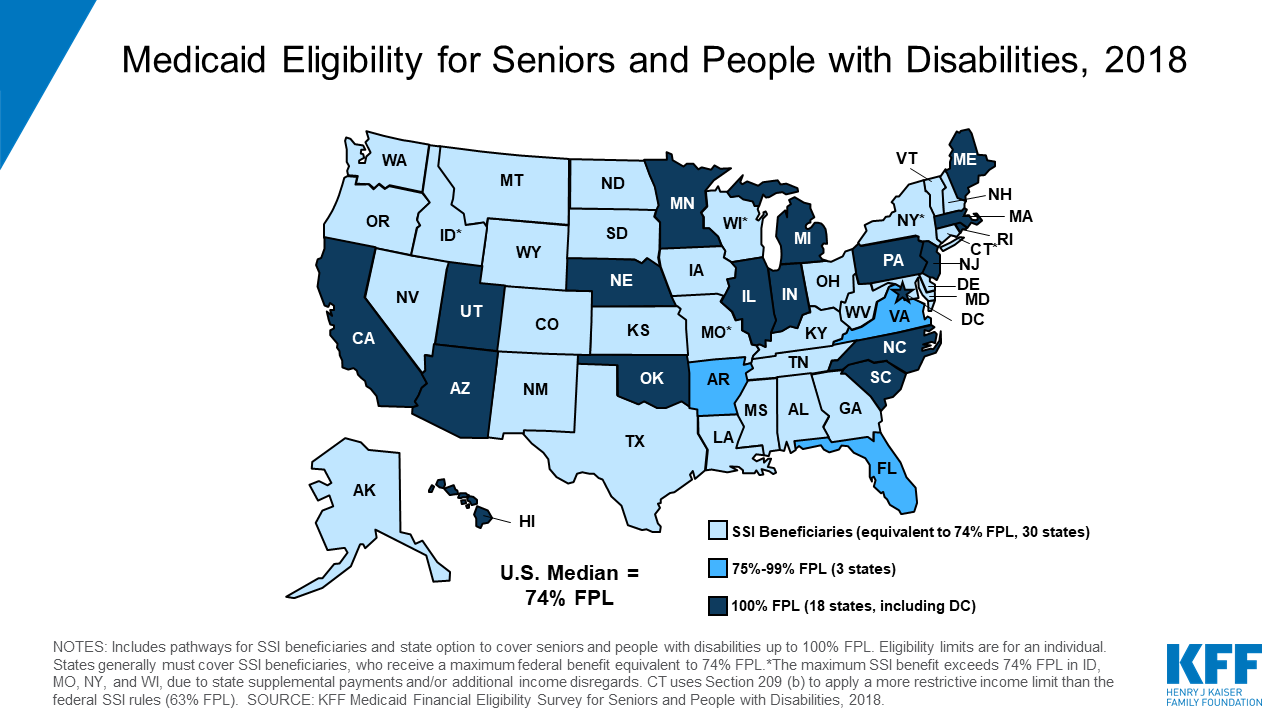
Basic Medicaid Eligibility Requirements for Seniors
Most seniors must meet several basic requirements before the state approves Medicaid. These rules apply in some form across the country, but the details vary by state.
Age or disability
A person who is 65 or older may apply through the aged category. Younger adults may qualify through a disability category or another Medicaid group.
A disability finding from the Social Security Administration may help, but it is not always required for a senior who qualifies based on age.
State residency
The applicant must live in the state where they apply. The person must also meet U.S. citizenship or qualified immigration rules.
A senior who recently moved should apply in the new state and report the change. Medicaid eligibility does not automatically transfer from one state to another.
Financial eligibility
States review income and countable assets. The state may look at:
• Social Security benefits
• Pension payments
• Wages
• Interest and dividends
• Annuity payments
• Bank accounts
• Investments
• Real estate other than an exempt home
Financial rules are often the main reason an application is approved or denied.
Functional or medical need
Regular Medicaid may not require a high level of medical need. Long-term care Medicaid usually does. The state may assess whether the senior needs help with bathing, dressing, eating, moving, toileting, or other daily tasks.
This assessment is often called a level-of-care review. It helps determine whether the person needs nursing home care or a similar level of support at home.

How Income Affects Medicaid Eligibility
Income is money a person receives on a regular basis. For seniors, common sources include Social Security, pensions, and required retirement withdrawals.
The state may use gross income or a special Medicaid calculation. This means the income shown on a tax return may not match the income used for Medicaid. Rules also differ between regular Medicaid, Medicare Savings Programs, and long-term care Medicaid.
For nursing home Medicaid, the senior usually must contribute most of their monthly income toward the cost of care. The person can normally keep a small personal needs allowance. The exact amount depends on state law.
A senior may have income above the standard limit and still qualify through a medically needy program. In that case, the person may need to spend down medical bills until income falls within the program’s allowed level.
Example of an income review
Imagine a senior receives:
• $1,800 per month in Social Security
• $600 per month from a pension
• $300 per month from an annuity
The state may count most or all of this income. However, the person may also receive deductions or allowances. A spouse living at home may qualify for a protected share of income.
This is why a simple income limit chart does not always answer how do seniors qualify for Medicaid. The state must review the person’s full situation.

How Assets Affect Medicaid Eligibility
Assets are things a person owns. Medicaid may call them resources. Countable assets often include:
• Checking and savings accounts
• Certificates of deposit
• Stocks and bonds
• Mutual funds
• Cash value in some life insurance policies
• Vacation homes
• Investment property
• Nonessential vehicles
Some assets may not count. Common examples can include:
• One primary home, if the senior or certain family members live there
• One vehicle used for transportation
• Personal belongings and household goods
• Burial plots
• Certain prepaid funeral arrangements
• Some income-producing property
The rules are not identical in every state. A home may be exempt during eligibility, but the state may later seek repayment from the estate. This process is known as Medicaid estate recovery.
Why asset transfers can cause problems
Giving money to a child, selling property for less than its value, or moving funds into another person’s account may look harmless. For long-term care Medicaid, these actions can create a penalty period.
Federal law generally requires states to review certain asset transfers made during the five years before a long-term care application. This period is often called the five-year look-back period.
The safest approach is to keep clear records and speak with a qualified elder law attorney before making large gifts or transfers. Do not hide assets. A missing account or unexplained transfer can delay an application.
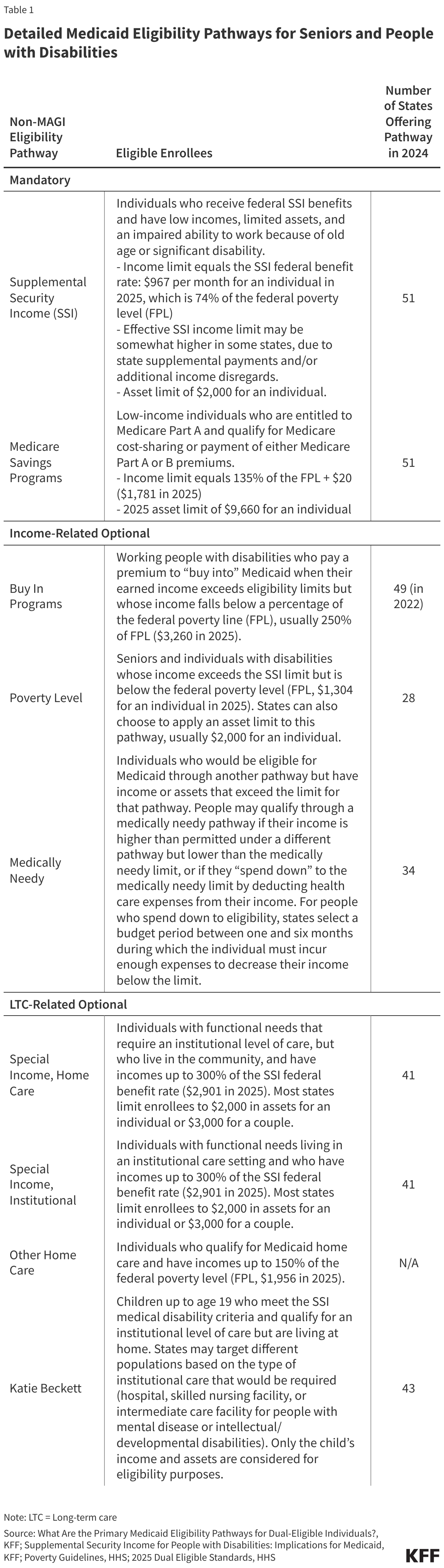
Medicaid Rules for Nursing Home and Home Care
Many searches for how do seniors qualify for Medicaid involve long-term care. Medicaid is the largest public payer for nursing home care in the United States, but approval requires more than financial eligibility.
The senior may need to show that their health condition meets the state’s level-of-care standard. A nurse, doctor, or state assessor may review medical records and daily care needs.
Medicaid may cover:
• Nursing facility care
• Personal care services
• Home health support
• Adult day health services
• Transportation in some programs
• Community-based waiver services
Home and community-based services can have waiting lists. Some programs also have enrollment caps. A senior may meet the financial rules but still wait for a service slot.
Nursing home Medicaid income rules
After approval, the senior usually pays nearly all monthly income to the nursing home. The person may keep allowed deductions, such as:
• A personal needs allowance
• A community spouse allowance
• Certain health insurance premiums
• An allowance for dependent family members
The nursing home and state Medicaid office calculate the payment. Families should not guess the amount or stop paying bills without clear guidance.

Medicaid and Medicare: How They Work Together
Medicare is health insurance for most people age 65 and older. Medicaid is based mainly on financial need and, for some services, functional need.
A person enrolled in both programs is often called a dual-eligible beneficiary. Medicaid may help with:
• Medicare Part B premiums
• Medicare deductibles
• Medicare coinsurance
• Prescription drug costs through related assistance
• Services Medicare does not cover
Medicare usually pays first for covered medical care. Medicaid may pay after Medicare or cover approved services that Medicare excludes.
Medicare Savings Programs
A senior with limited income and assets may qualify for a Medicare Savings Program even without full Medicaid. These programs include:
• Qualified Medicare Beneficiary
• Specified Low-Income Medicare Beneficiary
• Qualifying Individual
• Qualified Disabled and Working Individual
Each program has its own limits. A senior who does not qualify for full Medicaid should still ask about these programs.
This is an important part of how do seniors qualify for Medicaid because Medicare beneficiaries often qualify for partial help before they qualify for full coverage.

What Is a Medicaid Spend-Down?
A spend-down program may help a person whose income or medical expenses are too high for standard Medicaid. The senior must show enough approved medical expenses to reduce countable income to the state’s required level.
Approved expenses may include:
• Doctor bills
• Prescription costs
• Health insurance premiums
• Hospital bills
• Dental care
• Medical equipment
• Transportation for medical visits
Rules differ by state. A person should keep receipts, invoices, insurance statements, and proof of payment.
A spend-down is not permission to give money away. It means using funds for legitimate medical expenses or other allowed needs. Large purchases made only to qualify can create questions or penalties.

Medicaid Rules for Married Seniors
Married couples often have extra protections. The spouse who remains at home may be called the community spouse. The spouse receiving care may be called the institutionalized spouse.
Federal spousal impoverishment rules may allow the community spouse to keep:
• A protected amount of income
• A protected share of countable resources
• The primary home in many cases
• A vehicle and personal belongings
The exact figures change over time and vary by state. The couple should ask the Medicaid office for the current minimum and maximum resource allowance.
Do not assume that a married senior must spend every dollar before applying. Spousal protections exist to prevent the spouse at home from becoming financially helpless.
Special rules for unmarried couples and family caregivers
An unmarried partner may not receive the same protections as a legal spouse. A caregiver child may receive protection in limited situations, such as when the child lived in the home and provided care that delayed nursing home placement.
These exceptions are technical. Families should gather proof, such as residency records, medical statements, and evidence of care.
How to Apply for Medicaid as a Senior
The application process is easier when documents are ready. The state may request several months of financial records.
Step 1: Identify the type of Medicaid needed
Decide whether the senior seeks:
• Full health coverage
• Help with Medicare costs
• Nursing home coverage
• Home care services
• A medically needy program
The correct program determines which rules apply.
Step 2: Gather documents
Useful documents may include:
• Social Security award letters
• Pension statements
• Bank statements
• Retirement account records
• Insurance policies
• Property deeds
• Vehicle titles
• Tax records
• Medical records
• Nursing home assessments
• Proof of identity and residency
• Marriage, divorce, or death certificates
Step 3: Apply through the state
Applications may be available online, by phone, by mail, or in person. The senior can also ask a local benefits counselor, hospital social worker, or Area Agency on Aging for help.
Submit every requested document by the deadline. Keep copies of the application and proof that documents were sent.
Step 4: Complete the interview and medical review
The state may schedule a financial interview or request more information. Long-term care applicants may also need a medical assessment.
Answer each question honestly. If a question is unclear, ask the caseworker to explain it.
Step 5: Review the decision
If Medicaid denies the application, the notice should explain why. The senior usually has appeal rights and a deadline. Read the notice carefully and request a fair hearing if the decision seems wrong.
Common Mistakes That Delay Medicaid Approval
Many Medicaid delays come from paperwork problems rather than true ineligibility.
Avoid these mistakes:
• Sending incomplete bank statements
• Forgetting a small account or old retirement plan
• Giving money away before applying
• Adding a child to a bank account without understanding the effect
• Selling property below fair market value
• Assuming Medicare will pay for long-term custodial care
• Ignoring a Medicaid request for more documents
• Applying in the wrong state
• Failing to report a spouse’s income
• Waiting until nursing home funds are almost gone
A useful lesson from real family cases is simple: start early. Medicaid planning is much easier before a health crisis forces a rushed nursing home move.
Another practical lesson is to keep one folder for all financial and medical records. Clear records act like a map for the caseworker. They also make it easier to correct an error.
Does a Senior Need an Elder Law Attorney?
Not every senior needs an attorney. A simple application with low income, few assets, and no transfers may be manageable with help from the state office or a benefits counselor.
Professional advice may be useful when the senior:
• Owns a home or rental property
• Has significant savings
• Made gifts during the past five years
• Is married and entering a nursing home
• Owns a business
• Has a trust or annuity
• Received an inheritance
• Has a family caregiver living in the home
• Faces an application denial
A certified Medicaid planner may help with benefits questions. An elder law attorney can explain legal strategies and risks. Ask about fees before signing an agreement, and confirm that the professional understands the laws of the senior’s state.
No professional can guarantee Medicaid approval. State agencies make the final decision.
Important Medicaid Limits and Planning Concerns
Medicaid is valuable, but it has limits. Approval may not mean every doctor, facility, or service is covered. Some programs have provider networks, service caps, or waiting lists.
Estate recovery is another concern. After a Medicaid recipient dies, the state may seek repayment for certain benefits, especially long-term care services. The claim may involve the person’s probate estate, and exceptions may apply for a surviving spouse, a minor child, or a blind or disabled child.
Rules about homes, trusts, annuities, and transfers are complex. A strategy that works in one state may fail in another. Always confirm current rules with the state Medicaid agency or a qualified professional.
Frequently Asked Questions About How Do Seniors Qualify for Medicaid
How do seniors qualify for Medicaid if they receive Social Security?
Social Security usually counts as income for Medicaid. A senior may still qualify if income and assets remain within the state’s rules or if a medically needy program applies.
Can a senior qualify for Medicaid while owning a home?
Often, yes. A primary home may be exempt when the senior lives there or intends to return home. However, home equity limits and estate recovery rules may apply.
How much money can a senior have and still qualify for Medicaid?
There is no single national amount. Limits depend on the state, the Medicaid category, household status, and whether the senior needs long-term care.
Can Medicaid cover nursing home care?
Yes. Medicaid may cover approved nursing home care when the senior meets financial and medical eligibility rules. The senior usually contributes most monthly income toward care.
Does Medicaid look back five years?
The five-year look-back rule generally applies to transfers made before an application for long-term care Medicaid. It can lead to a penalty if assets were given away or sold for less than fair value.
Can a married senior qualify for Medicaid without leaving the spouse broke?
Yes. Spousal protection rules may allow the spouse living at home to retain certain income and assets. The exact amount depends on state and federal limits.
What happens if Medicaid denies a senior’s application?
The denial notice should explain the reason and appeal deadline. The senior can submit missing evidence, correct errors, or request a fair hearing.
Conclusion
Learning how do seniors qualify for Medicaid starts with four questions: Where does the senior live? What income do they receive? What assets do they own? What type of care do they need?
Eligibility is not based on age alone. State rules, medical needs, marital status, asset transfers, and the type of Medicaid program all matter. Start gathering records early, avoid unplanned transfers, and ask for help when the case involves a home, spouse, trust, or nursing home.
Check the current rules with your state Medicaid agency, a local benefits counselor, or a qualified elder law professional. Taking that first step can help protect savings, reduce stress, and connect a senior with the care they need.

Michael Reynolds is a senior contributor at RetirementGazette.com, where he focuses on helping readers navigate the journey toward a secure and fulfilling retirement. With over a decade of experience in personal finance, retirement planning, and lifestyle writing, Michael combines practical strategies with easy-to-understand guidance tailored for both pre-retirees and those already enjoying their golden years.