Our elders insist we eat nutritious food because it fuels growth, protects health, and supports a longer, stronger life.
The question “why do our elders insist we take nutritious food” has a simple answer, but its roots go deep. Their advice comes from lived experience, cultural wisdom, and basic nutrition science. This guide explains how healthy food supports the body, why poor eating habits cause problems, and how to make nutritious choices without giving up taste or joy.

Why Do Our Elders Insist We Take Nutritious Food?
The main reason elders insist on nutritious food is that food gives the body the tools it needs to work well. Every cell needs energy and nutrients to grow, repair itself, and stay active.
Nutritious food includes fruits, vegetables, whole grains, beans, nuts, seeds, eggs, fish, lean meat, and dairy or fortified alternatives. These foods provide vitamins, minerals, protein, healthy fats, fiber, and water.
When people ask why do our elders insist we take nutritious food, the answer often comes down to prevention. A balanced diet can help support a healthy weight, steady energy, strong bones, good digestion, and a healthy immune system.
Our elders may not use terms such as “micronutrients” or “blood glucose.” Still, many of them understand the results of poor eating from experience. They have seen how regular meals and simple foods can help a person feel stronger.

Nutritious Food Supports Growth and Development
Children and teenagers need good food because their bodies and brains are still developing. Protein helps build muscles and tissues. Calcium and vitamin D support bones and teeth. Iron helps carry oxygen through the blood.
This is one reason why do our elders insist we take nutritious food during childhood. They know that skipping meals or eating mostly highly processed foods can leave a child tired, distracted, or less able to perform well.
A child does not need a perfect diet at every meal. The goal is balance across the day. A useful plate may include:
• Half vegetables and fruit
• One quarter protein, such as beans, eggs, fish, chicken, or tofu
• One quarter whole grains, such as brown rice, oats, or whole wheat bread
• Water or another low-sugar drink
Good nutrition also supports learning. The brain needs energy, iron, iodine, healthy fats, and other nutrients to function. Food cannot solve every learning problem, but regular balanced meals can help children stay focused and alert.

Nutritious Food Gives Us Steady Energy
Food is the body’s fuel. However, not all fuel works in the same way. Sugary drinks, candy, and refined snacks may give quick energy, but that energy can fade fast.
Whole grains, beans, vegetables, fruit, and protein digest more slowly. They can help provide steadier energy throughout the day. Fiber also supports digestion and may help people feel full for longer.
This explains why do our elders insist we take nutritious food instead of living on snacks. They want us to have the strength to study, work, exercise, and care for our families.
A simple breakfast can make a difference. Try oatmeal with fruit and nuts, eggs with whole grain toast, or plain yogurt with berries. These meals combine carbohydrates, protein, and healthy fats.
I have noticed that many people mistake tiredness for laziness. In daily life, poor sleep may be the cause, but food can also play a role. Long gaps between meals and low-protein snacks often make afternoon tiredness worse.

Healthy Food Helps Protect the Body
Nutritious food does not make a person immune to illness. Still, it helps the body maintain its normal defenses. Vitamins, minerals, protein, and antioxidants all support important body functions.
Fruits and vegetables contain fiber and plant compounds. Beans and whole grains support gut health. Fish, nuts, seeds, and plant oils provide healthy fats. Together, these foods form a strong base for long-term health.
This is another answer to why do our elders insist we take nutritious food. They often want us to avoid health problems before they begin. A healthy diet may help lower the risk of heart disease, Type 2 diabetes, high blood pressure, and some forms of poor bone health.
Diet is only one part of health. Physical activity, sleep, stress control, genetics, medical care, and living conditions also matter. It would be misleading to say that food alone prevents every disease.
The Dietary Guidelines for Americans encourage people to choose nutrient-dense foods and limit added sugars, excess sodium, and unhealthy saturated fats. These guidelines support the same basic lesson many elders have shared for years: eat more real, varied foods and fewer highly processed foods.
Nutritious Food Supports Strong Bones and Muscles
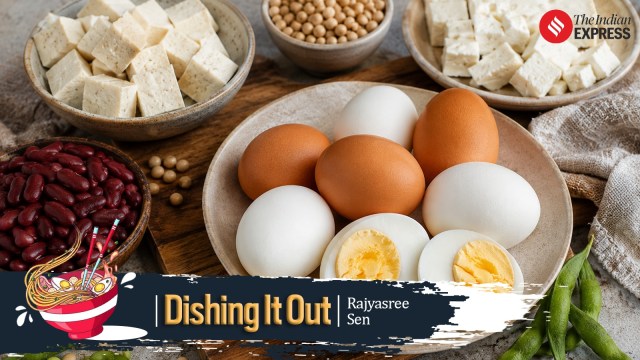
Strong bones need more than calcium. They also depend on vitamin D, protein, phosphorus, magnesium, and regular movement. Dairy products, fortified plant milks, leafy greens, beans, tofu, and fish can help provide these nutrients.
Protein is important at every age. It supports muscles, skin, blood, hormones, and tissue repair. Older adults may need extra care with protein because muscle loss can affect balance, strength, and independence.
When considering why do our elders insist we take nutritious food, remember that they are thinking about the future. Good eating habits can help us stay active and capable as we age.
A practical daily pattern may include:
-
Add a protein food to each main meal.
-
Eat a fruit or vegetable with most meals.
-
Choose water more often than sugary drinks.
-
Include calcium-rich foods regularly.
-
Pair healthy eating with walking or another safe activity.
One common mistake is focusing only on weight. A person can be thin and still lack iron, protein, fiber, or other nutrients. Health depends on food quality, not only body size.
Nutritious Food Supports the Mind and Mood
The brain needs a steady supply of energy. Meals with whole grains, protein, fruit, vegetables, and healthy fats can support normal brain function.
Some nutrients deserve special attention. Iron helps carry oxygen. Vitamin B12 supports blood and nerve cells. Omega-3 fats help form cell membranes. Folate supports cell growth and blood production.
Food is not a replacement for mental health care. Depression, anxiety, trauma, and other conditions need proper support. Still, regular meals may help reduce the physical stress that comes from hunger and unstable energy.
This is why do our elders insist we take nutritious food when we are busy or upset. They may understand that an empty stomach can make a hard day feel even harder.
A gentle habit is to prepare simple foods before you become very hungry. Keep fruit, nuts, boiled eggs, hummus, or whole grain crackers nearby. Planning reduces the chance of relying on fast food when energy is low.

Elders Teach Prevention Through Everyday Habits
Many elders grew up in times when food was limited or waste was discouraged. They learned to value beans, rice, vegetables, soups, eggs, and seasonal produce. These foods are often affordable and highly nourishing.
Their advice may also reflect family traditions. In many cultures, elders show love through food. They may serve a warm meal because feeding someone means caring for them.
The question why do our elders insist we take nutritious food is not only about science. It is also about responsibility, family, and the wish to see younger people live well.
Still, traditional advice should be balanced with current medical knowledge. Some old ideas are helpful, while others may be too strict or unsupported. For example, avoiding every carbohydrate is not necessary for most people. Whole grains, beans, fruit, and starchy vegetables can fit into a healthy diet.
A lesson I often share is to keep the useful part of elder advice and update the method. Eat nourishing food, but allow variety, culture, budget, allergies, and personal health needs to guide your choices.

How to Eat Nutritious Food Every Day
Healthy eating does not require expensive products or complex recipes. Small changes can improve the quality of your meals.
Try these practical steps:
• Add one vegetable to lunch and dinner.
• Replace some white bread or white rice with whole grain choices.
• Choose beans or lentils several times each week.
• Keep fruit visible and ready to eat.
• Drink water during the day.
• Use herbs, garlic, lemon, and spices instead of relying only on salt.
• Read food labels and compare added sugar and sodium.
• Cook extra portions for the next day.
A budget-friendly meal might include lentil soup, brown rice, frozen vegetables, and plain yogurt. Another option is a bean burrito with vegetables and salsa. Frozen and canned produce can be healthy choices, especially when canned foods are low in sodium or rinsed before use.
Do not try to change everything at once. Pick one habit and repeat it for a week. Then add another. This approach is more realistic than following a strict plan for a few days and quitting.
Common Mistakes to Avoid
One mistake is treating nutritious food as boring food. Herbs, spices, roasting, grilling, and fresh sauces can add flavor without excessive salt, sugar, or fat.
Another mistake is skipping meals to “save calories.” This can lead to intense hunger and overeating later. A regular meal pattern works better for many people.
Some people also trust health claims without checking the facts. Words such as “natural,” “detox,” and “immune boosting” do not automatically mean a product is healthy. Look at the full ingredient list and nutrition facts.
It is also important not to copy another person’s diet without thought. A person with kidney disease, diabetes, food allergies, digestive problems, or a history of disordered eating may need specific advice.
If you take medication or have a medical condition, ask a doctor or registered dietitian before making major diet changes. Personalized care is safer than following general advice online.
How Much Nutritious Food Do We Need?
There is no single perfect menu for every person. Age, sex, activity level, culture, health status, pregnancy, budget, and food access all affect nutrition needs.
A balanced eating pattern usually includes:
• A variety of colorful vegetables and fruits
• Protein foods from plants or animals
• Whole grains and other high-fiber carbohydrates
• Healthy fats from foods such as nuts, seeds, avocado, and fish
• Enough water
Portion needs also differ. A growing teenager, an active adult, and an older person may need different amounts. Hunger and fullness signals can help, but medical conditions may require more specific guidance.
The best diet is one that is nourishing, affordable, enjoyable, and possible to follow. A perfect plan that you cannot maintain is less useful than a simple plan you can practice every day.
Frequently Asked Questions About Why Do Our Elders Insist We Take Nutritious Food
Why do our elders insist we take nutritious food every day?
Our elders understand that regular nutritious meals support energy, growth, immunity, digestion, and long-term health. They also want us to prevent problems linked with poor eating habits.
What is considered nutritious food?
Nutritious food provides useful nutrients such as protein, fiber, vitamins, minerals, and healthy fats. Examples include vegetables, fruit, beans, whole grains, nuts, seeds, eggs, fish, lean meat, and dairy or fortified alternatives.
Can nutritious food improve energy levels?
Yes, balanced meals can provide steadier energy than foods high in added sugar. Combining fiber-rich carbohydrates with protein and healthy fats may help you stay full and focused longer.
Do I need to stop eating snacks and sweets?
No. Most people can enjoy sweets and snacks in small amounts while still eating a healthy diet. The main goal is to make nutritious foods the regular foundation of your meals.
Why do elders connect nutritious food with strength?
Food supplies protein and other nutrients needed for muscles, bones, blood, and tissue repair. This is why do our elders insist we take nutritious food when they want us to remain active and strong.
Is healthy eating expensive?
It can be affordable when you use beans, lentils, oats, eggs, frozen vegetables, seasonal produce, and canned fish. Planning meals and cooking at home can also reduce waste and cost.
Conclusion
Our elders insist we take nutritious food because they understand a simple truth: the body depends on the food we eat. Nutritious meals support growth, energy, strong bones, healthy muscles, brain function, digestion, and disease prevention.
Their advice is supported by modern nutrition science, but it should not create fear or guilt. Start with small steps, choose a variety of foods, and adapt your meals to your health needs, culture, and budget.
Try adding one nourishing food to your next meal today. Share this guide with someone who still asks why do our elders insist we take nutritious food, and leave a comment about the healthiest lesson your family taught you.

Michael Reynolds is a senior contributor at RetirementGazette.com, where he focuses on helping readers navigate the journey toward a secure and fulfilling retirement. With over a decade of experience in personal finance, retirement planning, and lifestyle writing, Michael combines practical strategies with easy-to-understand guidance tailored for both pre-retirees and those already enjoying their golden years.