Most seniors apply through a Medicare Advantage plan that offers a grocery or healthy food allowance.
The phrase “Medicare food allowance” can be confusing. Original Medicare usually does not pay for groceries, but some Medicare Advantage plans offer food benefits through a grocery card, meal delivery, or healthy food allowance. This guide explains who may qualify, how to apply, what documents to prepare, and how to avoid common scams and costly mistakes.
What Is the Medicare Food Allowance?
A Medicare food allowance is a benefit that may help eligible members pay for approved healthy foods. It may come as a monthly or quarterly allowance on a benefits card. Some plans also provide grocery delivery, prepared meals, or nutrition support.
This benefit is not part of every Medicare plan. It is usually offered by certain Medicare Advantage plans, also called Medicare Part C plans. The amount, food list, renewal rules, and eligibility requirements can vary by plan and location.
Many people call this benefit a “Medicare grocery card” or “Medicare healthy food card.” These terms often describe the same type of plan benefit, but the exact rules depend on the insurance company.
Common eligible items may include:
• Fresh fruits and vegetables
• Milk, cheese, and other approved dairy products
• Meat, poultry, and seafood
• Eggs
• Whole grains
• Canned foods with low sodium
• Diabetic-friendly foods
• Nutritional shakes
• Seeds and plants that produce food
Some plans may not cover:
• Alcohol
• Tobacco
• Candy and soda
• Pet food
• Hot prepared foods
• Vitamins or medicine, unless the plan lists them as eligible
• Household items, such as paper towels and cleaning products
A Medicare food allowance is not the same as SNAP. SNAP is a federal nutrition program run by state agencies. It is also not the same as Medicaid, Meals on Wheels, or a food bank program.
Who May Qualify for a Medicare Food Allowance?
You may qualify for a Medicare food allowance if you enroll in a Medicare Advantage plan that includes this benefit. However, simply having Medicare does not guarantee eligibility.
Some plans offer food benefits to all members. Other plans limit the benefit to people who meet special health or financial rules. These rules may include having certain chronic conditions, receiving Medicaid, or living in a qualifying service area.
A food allowance may be connected to a Special Supplemental Benefits for the Chronically Ill, often called SSBCI. Under this type of benefit, the plan may require proof that a member has a qualifying chronic condition.
Examples may include:
• Diabetes
• Heart disease
• Chronic obstructive pulmonary disease
• Chronic kidney disease
• Serious mental health conditions
• Certain types of cancer
• Chronic heart failure
The plan may also consider whether the benefit is expected to improve or maintain your health. Each plan sets its own process. A qualifying condition does not automatically mean that every plan must provide a food allowance.
You may have a better chance of finding a Medicare food allowance if you:
• Are enrolled in Medicare Part A and Part B
• Live in the plan’s service area
• Choose a Medicare Advantage plan with a food benefit
• Meet the plan’s health or financial requirements
• Have Medicaid or qualify for a Medicare Savings Program
• Enroll during an allowed enrollment period
A Medicare Supplement plan, also called Medigap, generally does not provide a grocery allowance. Original Medicare also does not normally provide money for routine groceries.

How to Apply for a Medicare Food Allowance
The application process depends on the plan. There is no single federal Medicare food allowance application for every senior.
Use these steps to apply safely.
1. Check your current Medicare plan
Look at your plan documents, member handbook, or Evidence of Coverage. Search for terms such as:
• Healthy food benefit
• Grocery allowance
• Food card
• Nutrition benefit
• Meal delivery
• Over-the-counter and healthy foods benefit
You can also call the customer service number on your Medicare Advantage member card. Ask whether your plan offers a Medicare food allowance and whether you qualify.
Ask these questions:
• How much is the allowance?
• Is it monthly, quarterly, or yearly?
• Do unused funds roll over?
• Which stores accept the card?
• Can I order food online?
• Which foods are covered?
• Do I need a doctor to confirm a health condition?
• When will the benefit begin?
• How do I replace a lost card?
Write down the representative’s name, the date, and any reference number. This small habit can help if you need to correct a mistake later.
2. Compare Medicare Advantage plans
If your current plan does not offer a Medicare food allowance, compare other Medicare Advantage plans during an allowed enrollment period.
You can use the plan comparison tool on Medicare.gov. Enter your ZIP code, medications, doctors, and preferred pharmacies. Then review each plan’s benefits and costs.
Do not choose a plan only because it offers a food allowance. Also compare:
• Monthly premiums
• Annual medical deductible
• Primary care and specialist copays
• Prescription drug costs
• Hospital costs
• Provider networks
• Maximum out-of-pocket limit
• Dental, vision, and hearing benefits
• Transportation benefits
• Prior authorization rules
A plan with a $50 monthly food benefit may not be a good value if your doctor is out of network or your medication costs rise sharply.
3. Confirm that you can enroll
You may be able to change plans during certain enrollment periods.
Common options include:
• The Medicare Annual Enrollment Period, from October 15 through December 7
• The Medicare Advantage Open Enrollment Period, from January 1 through March 31, if you are already in a Medicare Advantage plan
• Your Initial Enrollment Period when you first become eligible for Medicare
• A Special Enrollment Period after certain life events
Examples of qualifying events may include moving, losing Medicaid, losing employer coverage, or entering a nursing home. The exact rules can vary.
Do not cancel your current plan before confirming your new plan’s effective date. A gap in coverage can create serious problems.
4. Apply through the insurance company
You can apply for a Medicare Advantage plan through:
• The plan’s official website
• The plan’s customer service department
• Medicare.gov
• A licensed insurance agent
• Your local State Health Insurance Assistance Program, known as SHIP
After enrollment, contact the plan again to activate the Medicare food allowance. Some plans send a card automatically. Others require you to complete a health survey, provide medical information, or register through a benefits portal.
5. Activate and use the benefit
When the card arrives, follow the activation instructions. You may need to create a personal identification number or register your card online.
Before shopping, confirm that the store accepts the card. Some cards work only at selected retailers or through approved online stores. Others may work at pharmacies, supermarkets, or farmers markets.
Keep your receipts. They can help you track spending and resolve a denied transaction.

What Documents May Be Needed?
Most Medicare food allowance applications do not require a large stack of documents. However, the plan may ask for information during enrollment or eligibility review.
Prepare the following:
• Medicare card
• Social Security number or Medicare number
• Date of birth
• Current address
• List of doctors and prescriptions
• Medicaid card, if you have Medicaid
• Proof of a qualifying health condition, if required
• Proof of income, if the plan uses financial eligibility rules
A plan may ask your doctor to confirm a chronic condition. Do not send medical records to an unknown person who contacts you by phone or email. Use the plan’s official contact information.
A trusted caregiver may help with the process. You can ask the plan about an authorized representative or Medicare representative form. Never share your Medicare number with an unverified caller.

How Much Does the Medicare Food Allowance Pay?
The amount depends on the plan. Some plans offer a small monthly benefit. Others provide a larger quarterly amount. Some provide food support only after a member meets certain health or financial conditions.
There is no standard Medicare food allowance amount for all seniors. Advertisements that promise the same large amount to everyone are often misleading.
Read the plan’s benefit rules carefully. Check:
• The dollar amount
• The benefit period
• The expiration date
• Approved food categories
• Participating stores
• Online ordering rules
• Delivery charges
• Whether unused money carries over
For example, a plan may place $75 on a card every three months. The balance may expire at the end of the quarter. Another plan may add money each month but allow only approved healthy foods.
The allowance may also be part of a larger over-the-counter benefit. In that case, buying toothpaste or pain medicine may reduce the amount available for groceries.
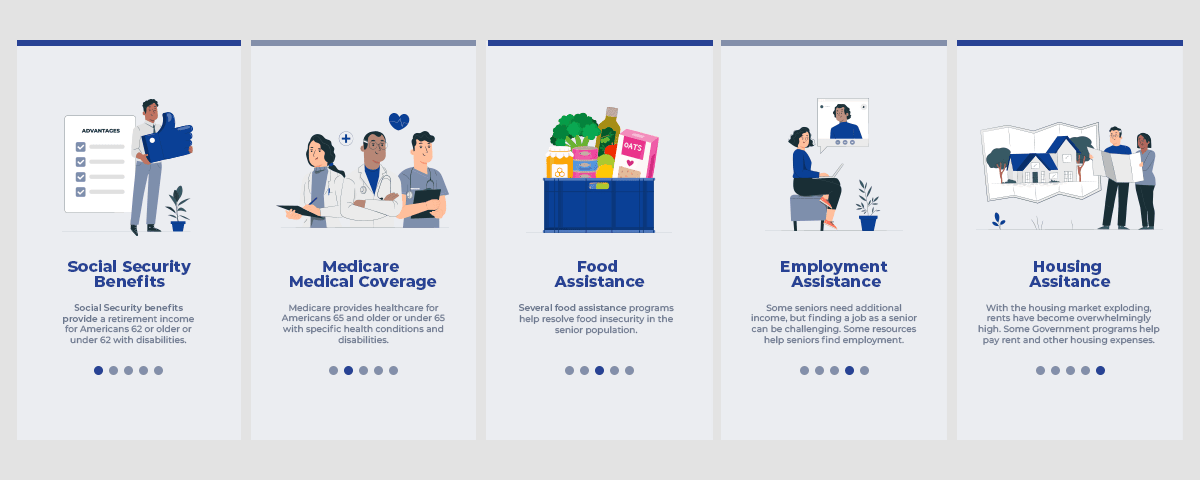
Medicare Food Allowance Compared With SNAP and Other Programs
A Medicare food allowance is only one possible source of food help. Many seniors benefit from using more than one program.
SNAP
SNAP helps eligible households buy food. Applications go through the state or local SNAP agency, not through Medicare. Income, household size, assets, and state rules can affect eligibility.
A senior may qualify for both SNAP and a Medicare Advantage food benefit. One program usually does not replace the other.
Medicaid
Medicaid is a state and federal health program for people who meet income and other requirements. Some Medicare Advantage plans offer stronger food benefits to members who also have Medicaid.
You may have Medicare and Medicaid at the same time. This is often called dual eligibility.
Medicare Savings Programs
Medicare Savings Programs may help pay Medicare premiums and other costs. They do not usually provide grocery money, but lowering medical bills may leave more money for food.
Meals on Wheels
Meals on Wheels and similar local programs may deliver meals to older adults who have trouble shopping or cooking. Eligibility rules differ by community.
Food banks and senior meal sites
Local food banks, senior centers, and community meal programs may provide free groceries or meals. Area Agencies on Aging can help you find nearby support.
To find other options, contact:
• Your local Area Agency on Aging
• Your state Medicaid office
• Your state SNAP office
• 211
• A local SHIP counselor

Common Mistakes to Avoid
Applying for a Medicare food allowance can feel simple, but small errors can cause delays or disappointment.
Believing every Medicare member gets grocery money
Original Medicare does not normally pay for groceries. A food benefit usually comes from a private Medicare Advantage plan.
Trusting social media advertisements
Some ads use phrases such as “new Medicare grocery benefit” or “free food money for everyone.” These claims may hide important limits or lead to deceptive sales calls.
Use Medicare.gov or the phone number on your plan card. Never click an unfamiliar link just to claim a benefit.
Choosing a plan for the food benefit alone
A grocery allowance is helpful, but health coverage comes first. Check doctors, hospitals, prescriptions, copays, and the annual out-of-pocket limit.
Missing enrollment deadlines
You cannot always join or change a Medicare Advantage plan whenever you want. Confirm your enrollment period before making a change.
Forgetting the benefit expiration date
Some funds expire each month or quarter. Check your balance and use the allowance before the deadline if the plan allows it.
Assuming all groceries qualify
A card may decline items that seem like food. Read the approved item list before shopping.
Giving out private information
Medicare representatives do not need your bank password. Do not give your Medicare number, Social Security number, or payment details to an unverified caller.
One practical lesson is worth repeating: call the plan directly before acting on any offer. This simple check can prevent a great deal of stress.

Tips for Using a Medicare Grocery Card
Once you receive the benefit, treat it like a small household budget.
Start by making a list of foods that are both covered and useful. Choose items that can stretch across several meals.
Good choices may include:
• Oats and whole grain pasta
• Brown rice
• Beans and lentils
• Eggs
• Frozen vegetables
• Canned tuna or chicken
• Low-sodium soups
• Fresh apples, bananas, and oranges
• Plain yogurt
• Peanut butter, if covered
Frozen food can be a smart choice. It lasts longer and may reduce waste. Canned foods can also help, but compare labels for sodium and added sugar.
Ask the store cashier to process eligible items separately if the card does not cover your full cart. This can make it easier to see which item caused a declined payment.
If your card fails:
-
Check the balance.
-
Confirm that the store participates.
-
Check whether the item is approved.
-
Make sure the card is activated.
-
Call the plan’s benefit administrator.
-
Keep the receipt and transaction details.
Do not throw away the card if it stops working. The plan may need to reset it or send a replacement.

How Caregivers Can Help Seniors Apply
Caregivers can make the process easier, especially when a senior has limited vision, memory problems, or difficulty using a computer.
Start by helping the senior gather plan documents. Then call the insurance company together. The member should give permission before the representative shares private information.
A caregiver can also help with:
• Comparing plan networks
• Reviewing prescription costs
• Activating the food card
• Checking the balance
• Planning healthy meals
• Saving receipts
• Reporting suspected fraud
If you manage Medicare tasks regularly, ask about formal authorization. This can prevent repeated problems when speaking with the plan.
Keep a simple folder with the plan name, member number, customer service number, enrollment date, and benefit rules. Clear records are like a map when a question comes up later.
How to Find Reliable Help
You do not have to apply alone. Free and trustworthy help is available.
Medicare.gov can help you compare Medicare Advantage plans and review plan information. You can also call 1-800-MEDICARE for general Medicare questions.
SHIP provides free, unbiased Medicare counseling in every state. SHIP counselors do not sell insurance. They can help you compare plans, understand enrollment periods, and review costs.
Area Agencies on Aging can connect seniors with food programs, transportation, meal delivery, and caregiver support.
Before working with an insurance agent, ask whether the person is licensed in your state. A good agent should explain both benefits and limits. Be cautious if anyone pressures you to enroll immediately.
For accuracy, review the plan’s current Evidence of Coverage. Benefits may change from year to year, so an old brochure or online post may no longer be correct.
Frequently Asked Questions About How to Apply for Medicare Food Allowance for Seniors
Does Original Medicare offer a food allowance?
Original Medicare generally does not pay for routine groceries or provide a standard Medicare food allowance. Some Medicare Advantage plans may offer grocery cards, healthy food benefits, or meal support.
How do I apply for a Medicare food allowance?
First, ask your Medicare Advantage plan whether it offers a food benefit. If it does not, compare available Medicare Advantage plans during an eligible enrollment period and confirm all costs before switching.
Can seniors with Medicare and Medicaid get a food allowance?
Some Medicare Advantage plans provide food benefits to members who have both Medicare and Medicaid. You must meet the plan’s rules, and Medicaid may also connect you with SNAP or other food programs.
How much is the Medicare food allowance?
There is no single standard amount. The benefit may vary by plan, location, health status, and benefit period, so check the plan’s current documents or call member services.
Can I use the Medicare grocery card at any store?
Not always. Many cards work only at participating stores or approved online retailers, and they may cover only certain food products.
Does unused food allowance money roll over?
Some plans allow unused funds to roll over, while others make the money expire at the end of the month or quarter. Check your plan rules before assuming the balance will remain available.
Is the Medicare food allowance the same as SNAP?
No. A Medicare food allowance is usually a private Medicare Advantage benefit. SNAP is a government food assistance program administered by state agencies, and an eligible person may qualify for both.
Can someone help me apply for the benefit?
Yes. A caregiver, authorized representative, licensed agent, or SHIP counselor may help. The plan may require your written permission before sharing private information.
Conclusion
A Medicare food allowance can help with healthy groceries, but it is not a standard benefit for everyone with Medicare. In most cases, you must choose a Medicare Advantage plan that offers the benefit and meet its specific rules.
Start by checking your current plan, comparing official plan details, and confirming the food allowance amount, approved stores, expiration rules, and total health care costs. Also explore SNAP, Medicaid, senior meal programs, and local food support if you need more help.
Use trusted resources, protect your Medicare number, and never rush into a plan because of an advertisement. For more guidance, contact Medicare, SHIP, or your local Area Agency on Aging, and share your questions or experience with others who may need support.

Michael Reynolds is a senior contributor at RetirementGazette.com, where he focuses on helping readers navigate the journey toward a secure and fulfilling retirement. With over a decade of experience in personal finance, retirement planning, and lifestyle writing, Michael combines practical strategies with easy-to-understand guidance tailored for both pre-retirees and those already enjoying their golden years.