
Ask about age rules, show a valid ID, confirm the terms, and use the discount before you pay.
Learning how to use senior citizen discount can make daily costs easier to manage. The process is usually simple, but each store, restaurant, hotel, or service may set its own age limit and rules. This guide explains how to find senior discounts, prove eligibility, avoid common mistakes, and get the best value without feeling uncomfortable or rushed.
What Is a Senior Citizen Discount?
A senior citizen discount is a lower price offered to older adults by a business or organization. It may apply to food, clothing, travel, entertainment, health services, public transportation, museum tickets, and many other products or services.
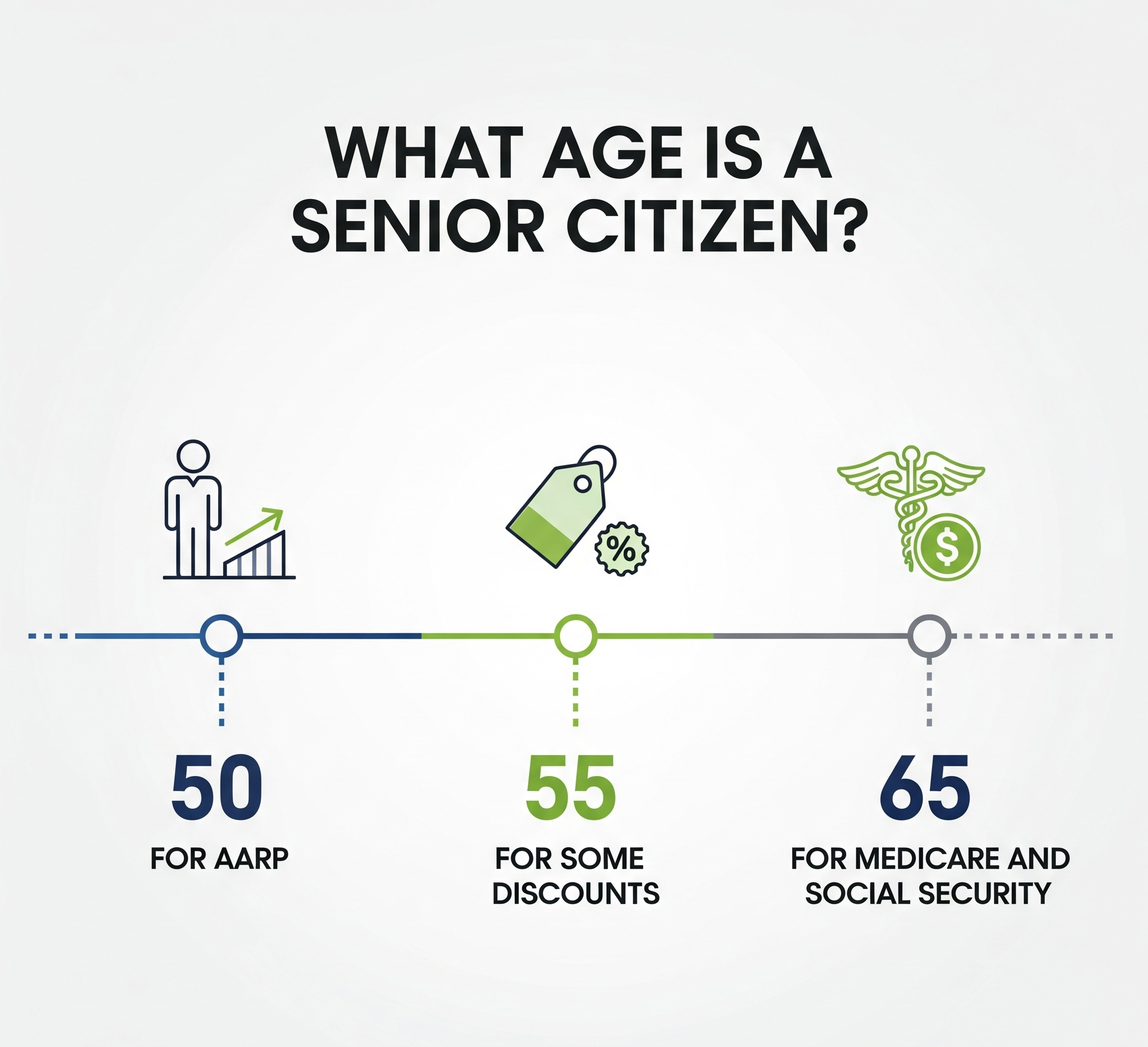
There is no single nationwide rule for senior discounts in the United States. Some businesses begin discounts at age 50, while others require customers to be 55, 60, or 65. The business decides the age limit, discount amount, eligible products, and proof it will accept.
A senior discount may be offered in several ways:
• A percentage off the regular price, such as 10% or 15%
• A fixed amount off, such as $5 off a ticket
• A lower daily or monthly membership fee
• A special menu or reduced meal price
• Free or reduced admission during certain hours
• A lower fare for buses, trains, or other public services
Knowing how to use senior citizen discount starts with understanding that the offer is not automatic. You must often ask for it before the transaction is complete.
How to Use Senior Citizen Discount Step by Step
The best way to use a senior citizen discount is to prepare before you shop or book a service. A few simple steps can help you avoid missed savings.
1. Check the age requirement
Look for the business’s age rule before you visit. You can check its website, call the customer service desk, or ask an employee.
For example, a movie theater may offer a senior ticket to people age 60 and older. A restaurant may set the age at 55. A transit agency may require proof that you are 65 or older.
Do not assume that one business uses the same age rule as another. Confirm the exact requirement.
2. Ask before paying
Ask about the discount before the cashier scans your items or the server closes your bill. A simple question works well:
“Do you offer a senior citizen discount?”
You can also ask, “What is the age requirement, and what identification do you accept?” This gives you clear information and prevents confusion at checkout.
3. Show acceptable identification
Many businesses accept a government-issued photo ID. This may include:
• A driver’s license
• A state identification card
• A passport
• A military identification card
• A senior transit card
• A membership card from an approved organization
Some businesses may not ask for ID every time. Still, carrying one can make the process quick and easy.
4. Check what the offer includes
Some senior discounts apply only to regular-price items. They may not apply to sale items, gift cards, alcohol, delivery fees, taxes, or special events.
Ask whether the discount can be combined with another promotion. In many cases, the cashier must apply the better deal rather than both discounts.
5. Review the receipt
Look at your receipt before leaving. Check that the discount appears and that the amount is correct.
If the discount is missing, politely ask the employee to review the transaction. It is much easier to correct an error while you are still at the business.

How to Find Senior Citizen Discounts
Finding discounts takes a little research, but the savings can add up over time. Start with places you already visit.
Search the business website
Many companies list age-based discounts under pages called “deals,” “special offers,” “tickets,” or “membership benefits.” The details may appear in small print, so check the terms carefully.
Search phrases such as:
• Senior discount plus the business name
• Senior rates near me
• Senior citizen discount restaurants
• Senior travel discounts
• Senior admission price
Businesses may change offers without notice. A web page can also be out of date, so calling ahead is wise for expensive purchases.
Call before you go
A short phone call can save time. Ask four basic questions:
• What age qualifies?
• How much is the discount?
• Do I need identification?
• Are there limits on days, times, or products?
This is especially useful for hotels, airlines, amusement parks, tours, and medical services.
Ask local groups
Libraries, community centers, senior centers, and local aging agencies often know about area discounts. They may also share information about reduced transportation, recreation programs, tax help, and utility assistance.
Local offers can be better than national offers because they are designed for nearby residents.
Check membership programs
Some organizations offer discounts through membership. These may include savings on travel, insurance, restaurants, technology, and entertainment.
Before joining, compare the membership fee with the savings you expect to receive. A discount is only useful when the total benefit is greater than the cost of joining.

Where You Can Use a Senior Citizen Discount
Senior citizen discounts appear in many parts of everyday life. The rules and savings vary, so always confirm the details.
Restaurants and grocery stores
Restaurants may offer a senior menu, a smaller portion at a lower price, or a percentage discount. Some offers are available only during lunch or on certain weekdays.
Grocery stores may provide a senior shopping day once or twice each month. These events may have limits, such as a minimum purchase or selected store locations.
Ask whether the offer applies before or after sales tax. Also check whether it covers pharmacy items, alcohol, delivery, or online orders.
Travel and hotels
Travel providers may offer lower fares, special rates, or flexible packages for older adults. These offers may be limited to certain routes, dates, or booking methods.
When booking a hotel, compare the senior rate with the regular price. A public sale may cost less than the senior rate. The best deal is the final price, not the name of the discount.
For air travel, senior fares are less common than they once were. Some airlines offer them on select routes, while others do not. Check the airline’s current terms before booking.
Public transportation
Many cities and states offer reduced fares for older riders. You may need a special card or application.
The discount may apply to:
• Local buses
• Subways and light rail
• Regional trains
• Paratransit services
• Ferry routes
Bring the required identification and learn whether the reduced fare works during all hours. Some systems restrict discounted fares during peak travel times.
Entertainment and recreation
Movie theaters, museums, zoos, parks, concerts, and community pools may offer senior prices. Some locations provide the discount every day, while others offer it only during slower hours.
Ask about online ticket rules. A venue may require you to select a senior ticket category and show ID at the entrance.
Retail stores and services
Clothing stores, pharmacies, salons, auto services, and home improvement businesses sometimes offer age-based savings. These offers may be local rather than nationwide.
Some stores promote discounts only through email, loyalty programs, or special shopping days. Sign up only if you understand how your information will be used.

How to Use Senior Citizen Discount Online
Online shopping can make senior discounts less visible. The offer may not appear until checkout or may require a verification step.
Use these steps:
-
Visit the company’s official website.
-
Search for “senior,” “age-based offer,” or “special rates.”
-
Read the eligibility rules and expiration date.
-
Create an account only if you are comfortable doing so.
-
Apply the discount code or choose the senior rate.
-
Check the final total before submitting payment.
-
Keep the confirmation email and terms.
Some websites ask customers to verify age through a third-party service. Be careful with personal information. Use the official business website, check for secure payment pages, and avoid sending a photo of your ID through an unknown email address.
If an online discount is unclear, call customer service. Ask whether the discount can be applied by phone or at a physical location.

What Identification Do You Need?
The identification needed depends on the business. A current government-issued photo ID is usually the safest choice.
Your identification should normally show:
• Your name
• Your photograph
• Your date of birth
• An expiration date, when applicable
A membership card may prove that you belong to a discount program, but it may not prove your age. Some businesses accept it, while others require a government ID.
Never alter an ID or provide false information. The business can refuse the discount if you do not meet its rules. If you have privacy concerns, ask what information the business needs and whether an alternative form of proof is available.

How Much Money Can You Save?
The value of a senior discount depends on the price, frequency of use, and restrictions. A 10% discount on a $20 meal saves $2. Used several times each month, that amount can become meaningful.
For example, imagine a person spends:
• $80 per month on eligible meals
• $40 per month on entertainment
• $100 per month on local travel
If each category offers a 10% discount, the total monthly savings could be $22 before taxes and fees. The yearly savings could reach $264 if the offers remain available and the person uses them regularly.
This example is only an estimate. Some businesses calculate the discount before tax, and others exclude fees or selected products. Always compare the final price.
The strongest savings often come from recurring costs, such as transportation, memberships, prescriptions, and regular meals. Small savings can act like drops of water filling a bucket.

Common Mistakes to Avoid
Learning how to use senior citizen discount also means knowing what can go wrong. These mistakes are common and easy to prevent.
Assuming every business offers one
There is no law that requires every private business to provide a senior discount. A business may offer a discount in one city but not another.
Check the current policy instead of relying on an old advertisement or a friend’s experience.
Waiting until after payment
Many cashiers cannot add a discount after the transaction is complete. Ask before payment, even if you think the answer may be no.
Ignoring restrictions
A discount may apply only on weekdays, during certain hours, or to regular-price items. Read the details so the final price does not surprise you.
Using an expired card
An expired driver’s license or membership card may not be accepted. Keep your identification current and replace damaged cards.
Paying for a program without comparing value
A membership program may sound attractive, but the fee can reduce your savings. Estimate your likely use before joining.
Confusing senior discounts with government benefits
A senior citizen discount is a business offer. It is different from Social Security, Medicare, Medicaid, Supplemental Security Income, and other public programs.
Government benefits have separate eligibility rules. A discount card does not replace health coverage or financial assistance.

Personal Lessons for Using Senior Discounts
One lesson I have seen repeatedly is that polite questions work better than assumptions. People sometimes feel embarrassed to ask, but employees hear the question every day. A calm “Could you tell me if you offer a senior rate?” is enough.
Another useful lesson is to compare the final price. I have seen shoppers choose a senior discount without noticing that a regular sale price was lower. Ask the employee to compare both offers when the rules allow it.
It also helps to keep a small note in your wallet or phone with useful details. Record the age rules, discount days, and membership numbers for places you visit often.
Most important, do not buy something just because it is discounted. The best senior discount is one that lowers the cost of something you already need or enjoy.
Tips for Getting the Best Senior Discount
Use these practical habits to improve your savings:
• Ask every time, because policies can change.
• Compare the senior price with sale prices and coupons.
• Shop during discount hours when possible.
• Sign up for free loyalty programs if the privacy terms are acceptable.
• Carry a valid photo ID.
• Check whether the discount applies to online purchases.
• Look for reduced prices on recurring services.
• Confirm whether taxes, fees, and delivery charges are excluded.
• Save receipts for expensive purchases.
• Avoid sharing sensitive personal data with unverified websites.
• Be patient with staff who need to check the policy.
• Use discounts for planned spending instead of impulse purchases.
A simple savings list can help. Write down the business, age requirement, discount amount, and restrictions. Update it when a business changes its offer.
Are Senior Discounts Available in Every State?
Senior discounts are available in many states, but the offers are not uniform. Some are provided by private businesses, while others come from state agencies, cities, transit systems, libraries, parks, or community programs.
Age limits and proof requirements may differ by location. A transit discount in one state may require age 65, while another system may begin at age 60.
State and local governments may also provide programs that are not technically senior discounts. These can include property tax relief, reduced utility costs, meal services, transportation support, and recreation benefits.
For accurate information, check official state or local government pages and contact community aging services. Rules can change, so use current information.
How to Use Senior Citizen Discount Safely
Most discounts are easy to use, but safety matters when you apply online or join a membership program.
Follow these precautions:
• Use official business websites.
• Avoid clicking unknown discount links in emails or text messages.
• Do not send full identity documents to unverified contacts.
• Read automatic renewal terms before joining a program.
• Check your bank or credit card statement after payment.
• Use strong passwords for discount accounts.
• Ask why a business needs personal information.
• Keep paper receipts and digital confirmations.
A real offer should explain the age requirement, discount amount, and terms. Be cautious if a website promises unusually large savings but asks for payment or sensitive information before showing basic details.
Frequently Asked Questions About How to Use Senior Citizen Discount
What age qualifies for a senior citizen discount?
There is no universal age requirement. A business may set the minimum age at 50, 55, 60, or 65, so ask about the policy before paying.
Do I need an ID to get a senior discount?
Many businesses accept a driver’s license, state ID, passport, or other approved document. Some may not ask every time, but carrying valid identification is a good idea.
Can I use a senior discount with a coupon?
It depends on the business policy. Some stores allow only one offer, while others let you combine a senior discount with a coupon or loyalty reward.
Can I use a senior citizen discount online?
Some businesses offer senior rates online, while others require phone or in-person purchases. Check the website terms or call customer service before completing the order.
Are senior discounts required by law?
Private businesses generally are not required to offer senior discounts. They create their own age limits, prices, and restrictions.
Is a senior discount better than a sale price?
Not always. Compare the final prices because a sale, coupon, or membership offer may provide greater savings than the senior rate.
Can a caregiver use a senior discount for someone else?
Usually, the eligible senior must be the person receiving the product or service. Rules vary, so ask the business whether a caregiver or family member can make the purchase.
Conclusion
Using a senior citizen discount is usually as simple as checking the age rule, asking before payment, showing valid identification, and reviewing the final price. Discounts may help with meals, travel, transportation, entertainment, shopping, and regular services, but each business sets its own terms.
Make the habit part of your normal routine. Ask politely, compare offers, protect your personal information, and use discounts for purchases you already planned to make. Start by checking three places you visit often, then keep a short list of their current rules. Share your best local savings tips in the comments or explore more resources for smart senior budgeting.

Michael Reynolds is a senior contributor at RetirementGazette.com, where he focuses on helping readers navigate the journey toward a secure and fulfilling retirement. With over a decade of experience in personal finance, retirement planning, and lifestyle writing, Michael combines practical strategies with easy-to-understand guidance tailored for both pre-retirees and those already enjoying their golden years.