
Most electric wheelchairs range from about 22 to 30 inches wide at the seat.
I’ve helped clients pick and fit electric wheelchairs for homes and vans for years. This guide explains how wide is an electric wheelchair, what affects width, how to measure for doors and vehicles, and practical tips to choose the right size. Read on to make a confident, user-focused decision about electric wheelchair width.

What determines how wide is an electric wheelchair?
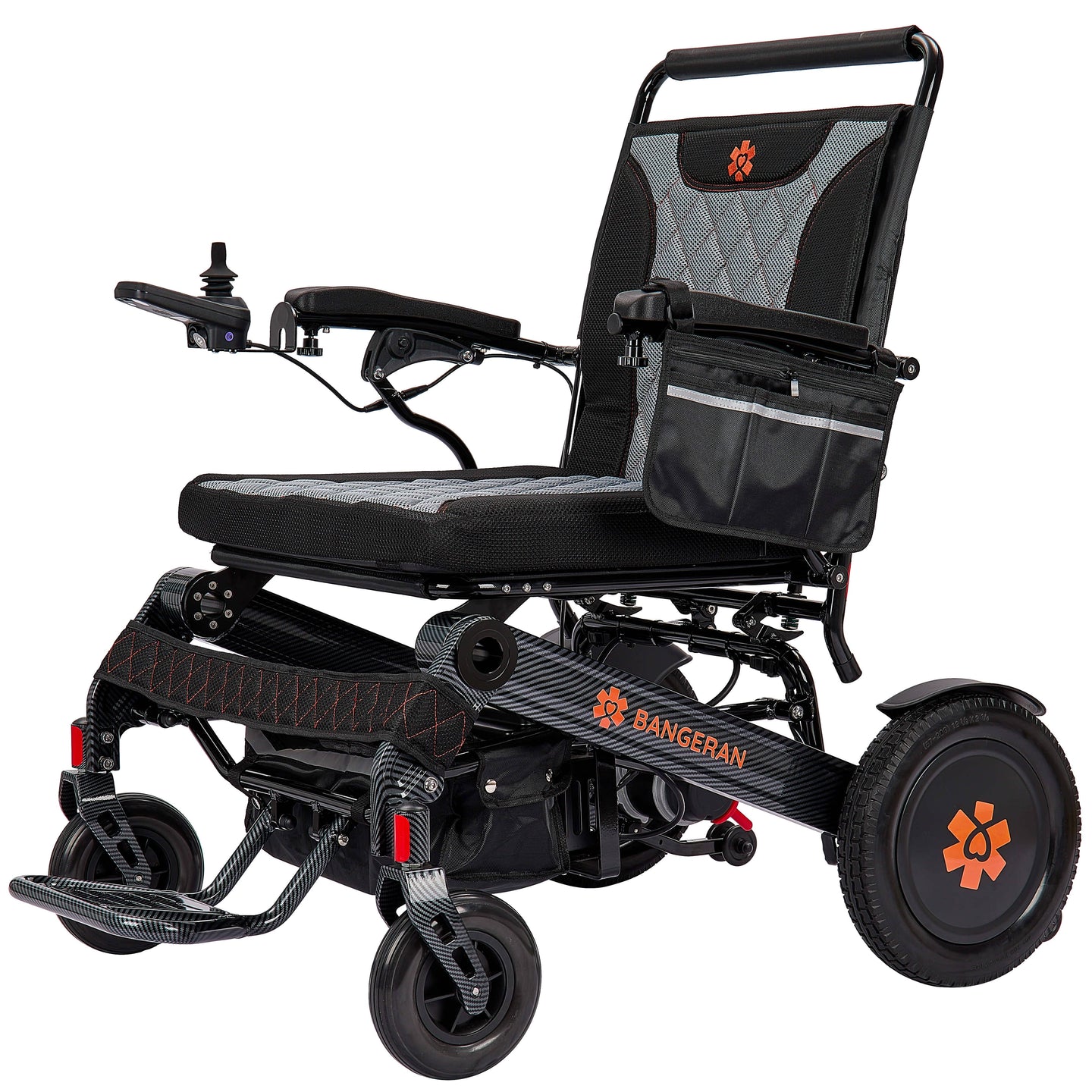
Several parts add to the overall width of an electric wheelchair. Knowing each part helps you plan for doorways, vehicles, and tight spaces.
-
Seat width
The seat width is the core measurement. Common seat widths are 16, 18, 20, and 22 inches. Larger seats increase the frame width. -
Armrests and armrest style
Fixed armrests add width. Removable or swing-away armrests save space. -
Wheels and tires
Rear drive wheels, casters, and wider tires affect total width. Powerchair wheels are often wider than manual wheelchair wheels. -
Footrests and leg rests
Footplate position and angle can change how close you can get to furniture or car seats. -
Motor housings and chassis design
Some electric wheelchairs have wrap-around housings or wider base frames for stability. -
Added accessories
Joystick guards, baskets, or oxygen holders can extend width beyond the chassis.
How wide is an electric wheelchair depends on all these parts working together. Small changes to one component can change clearance needs by several inches.

Typical widths and ranges for electric wheelchairs
Understanding common ranges makes planning easier. Below are typical widths you’ll find on the market.
-
Narrow/compact electric wheelchairs
Seat width: 16–18 inches. Total width: about 22–24 inches. Best for tight homes and narrow doorways. -
Standard electric wheelchairs
Seat width: 18–20 inches. Total width: about 24–27 inches. This is the most common size for daily use. -
Wide/comfort electric wheelchairs
Seat width: 20–22+ inches. Total width: 27–32 inches or more. Designed for larger users or extra padding. -
Heavy-duty or bariatric electric wheelchairs
Seat width: 24–30 inches. Total width: 30–40 inches depending on frame and wheel size.
When asking how wide is an electric wheelchair, remember the total width is the critical figure for door and vehicle fit. Always check the manufacturer’s specifications for both seat and overall width.

How to measure for doors, hallways, and vehicles
Measure carefully to avoid surprises when you move around. Follow simple steps for accurate results.
-
Measure your wheelchair first
Measure the total width across the widest points. Include wheels, armrests, and accessories. -
Measure doorways and hallways
Measure interior door clearances from trim to trim. Note that door frames with casings reduce usable width. -
Allow clearance for comfortable passage
Add at least 2 inches of clearance on each side for confident turning. For tight turns, allow 4–6 inches. -
Check vehicle entry points
Measure the vehicle doorway and interior. Many vans need ramps or lifts sized for the overall wheelchair width plus clearance. -
Consider turning radius
A wheelchair’s turning radius affects whether it can navigate tight corners and bathrooms.
If you wonder how wide is an electric wheelchair for van access, compare the wheelchair’s overall width with the van’s platform width and turning space.

Choosing the right width: user needs and home layout
Picking the right width is a balance between comfort and accessibility. Use these steps to choose well.
-
Assess body size and pressure needs
A seat that is too narrow causes pressure sores. A seat that is too wide reduces trunk support. -
Map your home and common routes
Measure main doors, bathroom entrances, and kitchen paths. Note furniture and tight corners. -
Test drive in real spaces
Whenever possible, try the wheelchair at home or in a showroom setup. Feeling how it maneuvers is key. -
Prioritize removability and adjustability
Removable armrests and swing-away footrests help with transfers and tighter fits.
Personal note: I once recommended a standard-width chair to a client with an older home. After measuring and testing, we chose a compact version. That small change allowed easier bathroom access and improved safety. Learn from testing first, not guessing.

Modifications and accessories that affect width
Small changes can change how wide is an electric wheelchair in practice. Keep these in mind.
-
Swapable armrests
Removing or swapping wide armrests immediately narrows the chair. -
Wheel and tire upgrades
Narrower tires or different rims can shave inches off the total width. -
Foldable or swing-away footrests
These reduce length more than width, but they help fit into vehicles and tight spaces. -
Cushions and padding
Thicker cushions increase seat width. Choose pressure-relief cushions that fit the frame. -
Aftermarket guards and carriers
Oxygen tanks, bags, and cup holders add bulk. Place them to avoid increasing width on the wheel side.
Before modifying, check manufacturer guidelines and weight limits. Some mods can void warranties or affect stability.
Costs and trade-offs: what wider vs. narrower means
Width impacts cost, function, and convenience. Think through the trade-offs.
-
Comfort vs. maneuverability
Wider chairs are often more comfortable but harder to navigate in tight spaces. -
Transport costs
Wider wheelchairs may need larger vehicles, ramps, or lifts. This raises transport costs. -
Stability and support
Wider bases can offer more lateral stability. Narrow chairs may tip easier on uneven ground. -
Insurance and funding
Some insurers approve narrow or standard wheelchairs more often than custom wide or bariatric models. Approval depends on documented needs.
Make a list of priorities: comfort, home fit, transport, and budget. This list will guide the choice of width.

Safety and accessibility standards to consider
Follow standards and best practices to stay safe and legal.
-
ADA doorway guidance
Standard accessible doorways are at least 32 inches clear. This influences how wide is an electric wheelchair for public access. -
Turning space recommendations
A 5-foot turning circle is ideal in many spaces. Smaller spaces may require planning or alternative routes. -
Vehicle lift and ramp capacities
Lifts and ramps list weight and width limits. Match them with your wheelchair’s overall width and weight. -
Professional fitting and assessment
A certified therapist or mobility specialist can assess seat width, posture, and safe transfers.
Following standards keeps you mobile and reduces risk of damage or injury.

Maintenance tips that relate to width and fit
Regular checks help keep the wheelchair within safe dimensions and functioning well.
-
Inspect wheels and tires monthly
Uneven wear can change how the chair tracks and its effective width. -
Check armrest and footrest mounts
Loose mounts may shift and increase width unpredictably. -
Test folding or removable parts
Ensure parts lock securely after adjustment or removal. -
Keep a measurement log
Record the chair’s overall width after major changes or repairs. This helps when planning trips or vehicle use.
Simple upkeep prevents surprises and keeps your intended clearance accurate.

Frequently Asked Questions
How wide is an electric wheelchair for door clearance?
Most electric wheelchairs fall between 22 and 30 inches in overall width. For safe passage, allow at least 2 inches of clearance on each side of the doorway.
Can I fit a wide electric wheelchair through a standard home door?
It depends. Standard interior doors often clear 28–32 inches. If your wheelchair is closer to 30 inches wide, measure carefully and consider swing-away armrests or a narrower model.
Are there compact electric wheelchairs for narrow spaces?
Yes. Compact or transit-style electric wheelchairs can be around 22–24 inches wide. They trade some comfort options for better maneuverability.
Will modifying armrests affect my warranty?
Possibly. Some manufacturers limit warranty coverage for unauthorized modifications. Always check the warranty and consult a specialist before altering components.
How do I measure my wheelchair for my van lift?
Measure the maximum overall width across the widest points, including wheels and accessories. Compare that to the platform width and add recommended clearance for safe loading.
Does seat width equal overall width?
No. Seat width is the internal seating dimension. Overall width includes armrests, wheels, and attachments and is larger than seat width.
Conclusion
Choosing the right answer to how wide is an electric wheelchair matters for comfort, safety, and independence. Measure your home and vehicle, consider seat needs and mobility goals, and test a chair whenever you can. Small changes like removable armrests or narrower tires often solve clearance issues without sacrificing comfort.
Take action: measure your doorways and wheelchair now, and talk to a mobility specialist for a trial fit. Share your questions or experiences in the comments, or subscribe for more practical mobility guides.

Michael Reynolds is a senior contributor at RetirementGazette.com, where he focuses on helping readers navigate the journey toward a secure and fulfilling retirement. With over a decade of experience in personal finance, retirement planning, and lifestyle writing, Michael combines practical strategies with easy-to-understand guidance tailored for both pre-retirees and those already enjoying their golden years.