
Most people do not qualify for Medicare because they are too young, lack required U.S. status, or do not meet disability rules.
Understanding why would someone not qualify for Medicare can prevent costly mistakes and missed deadlines. Medicare eligibility depends on age, disability, citizenship or lawful residency, work history, and certain medical conditions. This guide explains each rule in plain language, including what to do if you cannot get Medicare right away.
Why would someone not qualify for Medicare?
The most common reason someone does not qualify for Medicare is that they do not meet the basic eligibility rules. Medicare is mainly a federal health insurance program for people age 65 and older. It also covers some younger people with qualifying disabilities, end stage renal disease, or amyotrophic lateral sclerosis.
Someone may not qualify for Medicare because they:
- Are under age 65 and do not have a qualifying disability or medical condition
- Are not a U.S. citizen or eligible lawful resident
- Have not lived in the United States long enough
- Do not meet the rules for Medicare based on end stage renal disease
- Confuse Medicare eligibility with eligibility for free Part A
- Have not completed the required enrollment process
It is important to separate two ideas: qualifying for Medicare and qualifying for premium-free Medicare Part A. A person may qualify for Medicare but still need to pay a monthly Part A premium.
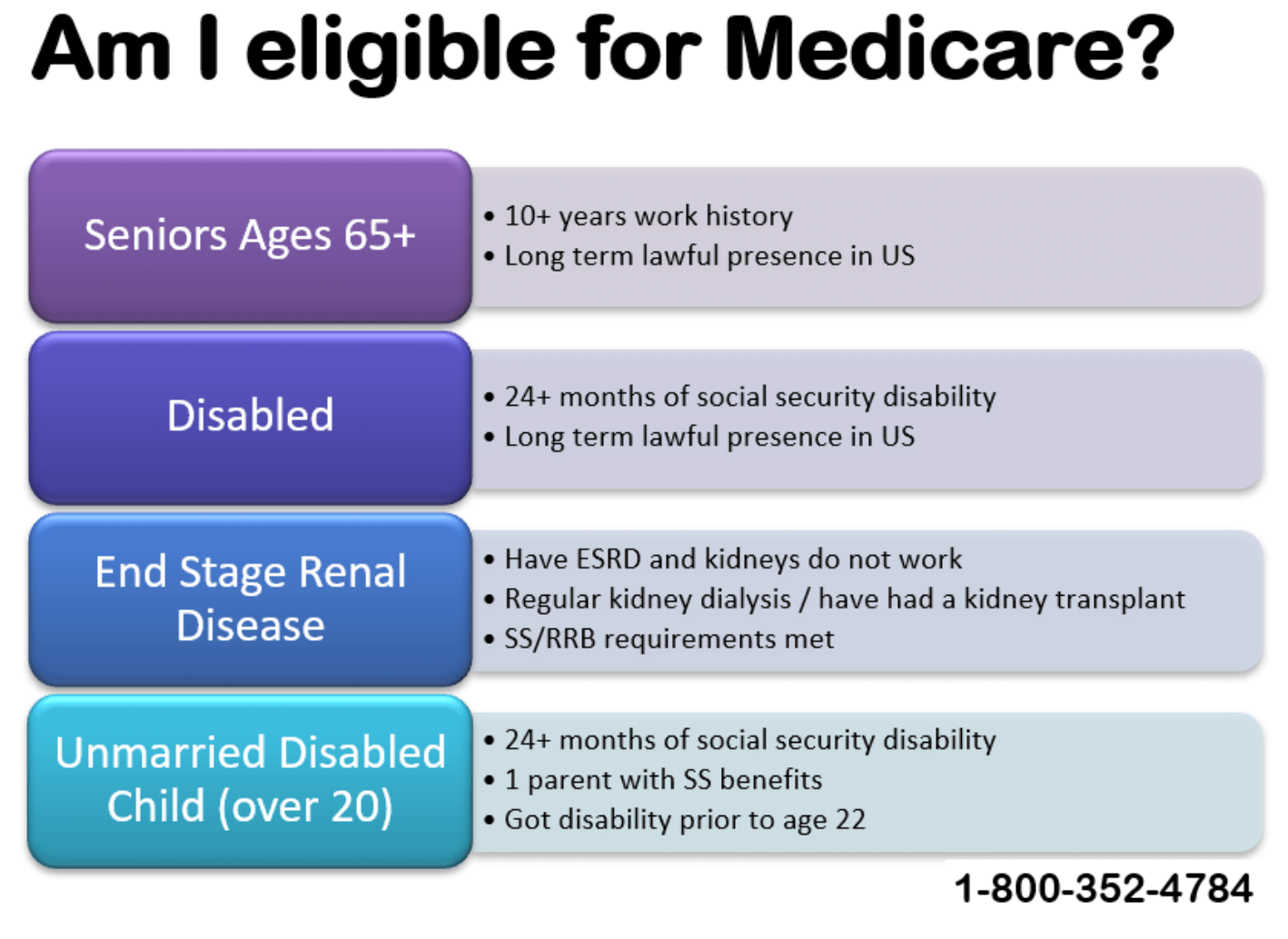
Age is a major Medicare eligibility rule
Most people become eligible for Medicare at age 65. Turning 65 does not always mean coverage starts automatically, though. Enrollment may depend on whether the person already receives Social Security benefits.
People who start Social Security retirement benefits before age 65 are often enrolled in Medicare automatically when they reach 65. Those who do not receive Social Security may need to sign up through the Social Security Administration.
A person under 65 usually will not qualify for Medicare based on age alone. This is one of the clearest answers to why would someone not qualify for Medicare.
When can someone under 65 qualify?
A person under 65 may qualify if they receive Social Security Disability Insurance for at least 24 months. The waiting period has an important exception for people with ALS. Medicare coverage for ALS can begin when disability benefits start.
People with end stage renal disease may also qualify. Eligibility can depend on dialysis, a kidney transplant, work history, or a family member’s work record.
Citizenship and residency rules can prevent eligibility
Medicare has citizenship and residency requirements. In general, a person must be a U.S. citizen or a lawfully admitted noncitizen who has lived in the United States continuously for at least five years before applying.
A lawful permanent resident may qualify after meeting the five year residency rule. However, having a visa, work permit, or temporary status does not always meet Medicare’s requirements.
This is another reason why would someone not qualify for Medicare. A person may be 65 or older but still need to wait until the residency requirement is met.
What if a person lives outside the United States?
Living abroad can make Medicare less useful, but it does not always erase eligibility. A U.S. citizen living in another country may still qualify based on age and other rules.
Medicare generally does not pay for routine medical care outside the United States. There are limited exceptions, such as certain emergencies near the U.S. border. Anyone living overseas should check both eligibility and coverage limits before making a decision.

Not having enough work credits can affect Part A
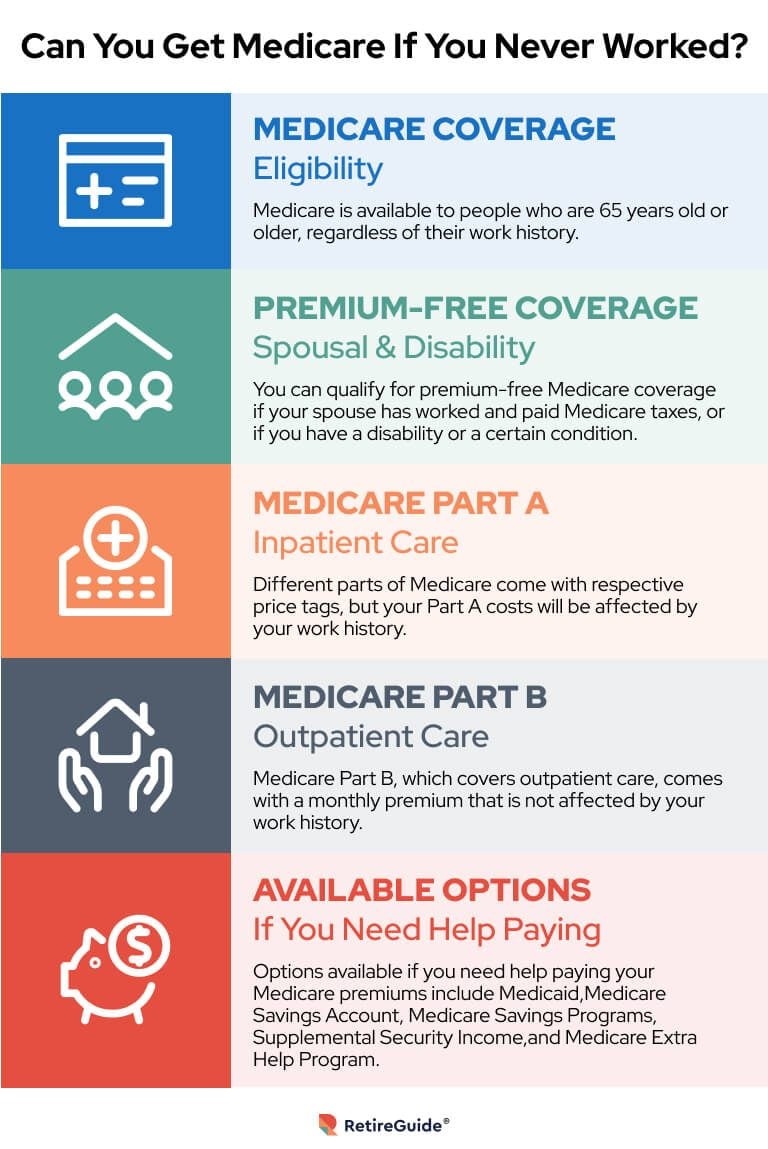
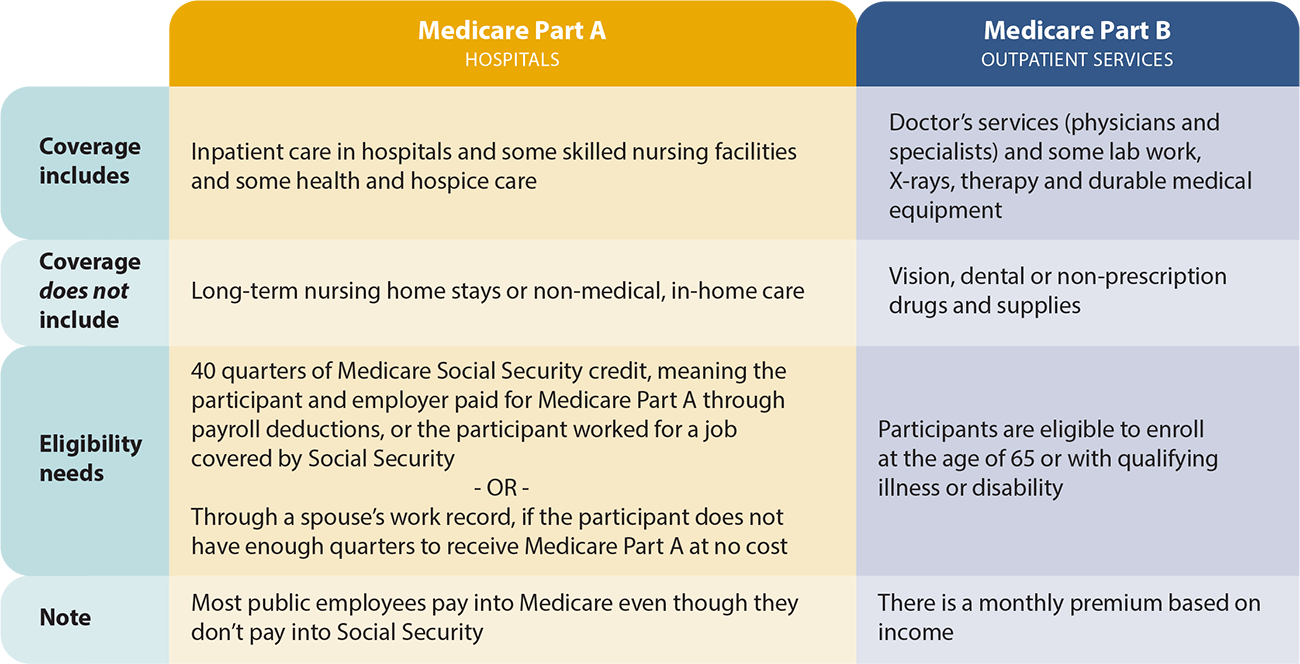
Many people qualify for premium-free Part A because they or a spouse paid Medicare taxes while working. In most cases, a person needs about 40 quarters of Medicare covered work, which is roughly 10 years.
If someone has fewer than 40 work credits, that person may not qualify for free Part A. However, this does not always mean the person cannot get Medicare at all.
A person may be able to buy Part A by paying a monthly premium. The amount can depend on the person’s number of work credits and other factors. Part B also has a monthly premium for most enrollees.
This difference matters because people often say they do not qualify for Medicare when they really mean they do not qualify for premium-free Part A.
Can a spouse’s work record help?
Yes. A person may qualify for premium-free Part A through a current or former spouse’s work record. Eligibility can depend on the length of the marriage, the person’s age, and whether the spouse receives or is eligible for Social Security benefits.
Divorced spouses may also qualify through a former spouse’s record if certain conditions are met. Widows and widowers may have additional options. The Social Security Administration can review an individual work history and family record.
Disability rules are another common barrier
People under 65 cannot usually get Medicare simply because they have a health problem. The condition must meet strict disability rules set by Social Security or fit a specific Medicare category.
For Social Security Disability Insurance, the condition generally must prevent substantial work and be expected to last at least one year or result in death. The person must also have enough recent work credits in many cases.
A doctor’s diagnosis alone does not guarantee Medicare eligibility. Medical records, work history, benefit approval, and waiting periods all matter.
Qualifying medical conditions
Certain conditions have special rules:
- ALS may allow Medicare coverage to begin without the usual 24 month disability waiting period.
- End stage renal disease may qualify a person for Medicare if the person needs regular dialysis or a kidney transplant.
- Other disabilities may lead to Medicare after 24 months of receiving qualifying disability benefits.
A person can have a serious illness and still not qualify for Medicare if the condition does not meet the federal disability test. This is a difficult outcome, but it reflects how Medicare eligibility differs from general medical need.
Some people mistake other insurance rules for Medicare ineligibility
Employer coverage does not usually prevent someone from qualifying for Medicare. However, it can affect when the person should enroll and whether Medicare or the employer plan pays first.
For example, a person who works past age 65 may be able to delay Part B without a late enrollment penalty if covered by an active employer group health plan. Coverage from a small employer may follow different coordination rules.
COBRA, retiree coverage, and individual Marketplace coverage are not always treated like active employer coverage. Delaying Medicare based on the wrong type of insurance can cause gaps or penalties.
This confusion often leads people to ask why would someone not qualify for Medicare when the real issue is enrollment timing or coordination of benefits.
Medicare is different from Medicaid
Medicare is mainly based on age, disability, or certain medical conditions. Medicaid is based largely on income and financial resources, although rules vary by state.
A person may qualify for Medicaid but not Medicare. Another person may qualify for both programs, known as dual eligibility. Medicaid may help pay Medicare premiums and other costs for people who meet state requirements.

What happens if someone does not qualify for Medicare?
If a person does not qualify for Medicare, other health coverage may be available. The best option depends on age, income, employment, health status, and immigration status.
Possible alternatives include:
- Health insurance through an employer or spouse
- Marketplace coverage through HealthCare.gov or a state exchange
- Medicaid
- The Children’s Health Insurance Program for eligible children
- Coverage through the Department of Veterans Affairs
- TRICARE for eligible military families
- Community health centers and charity care programs
- A private health plan purchased directly from an insurer
Marketplace plans may offer financial help based on household income. Medicaid may provide low cost or free coverage for eligible people. A licensed insurance professional or benefits counselor can help compare choices.
Do not wait until a medical crisis to explore coverage. Health insurance applications, appeals, and special enrollment periods can take time.
What to do if you think you were denied Medicare
A denial is not always the final answer. First, read the notice carefully and identify the exact reason for the decision. The problem may involve missing documents, incorrect work records, residency information, or a misunderstood disability rule.
Use this process:
- Check your age, citizenship, residency, and work history.
- Confirm whether you are applying for Medicare or premium-free Part A.
- Gather proof, such as tax records, immigration documents, marriage records, and medical files.
- Contact Social Security for questions about age, disability, work credits, and enrollment.
- Contact Medicare for questions about coverage and plan choices.
- Ask about reconsideration or appeal rights before the deadline.
- Speak with a State Health Insurance Assistance Program counselor for free, unbiased guidance.
One practical lesson is to keep every letter and date in one folder. People often lose appeal rights because they set a notice aside and forget the deadline.
How much can Medicare cost if Part A is not free?
People who qualify for Medicare but lack enough work credits may buy Part A. The premium changes over time and can vary based on work history. Part B normally has a monthly premium, and higher income can lead to an income-related adjustment.
Medicare also has deductibles, coinsurance, and cost sharing. Original Medicare does not cover every expense. Many people consider a Medigap policy, Medicare Advantage plan, or Part D prescription drug plan.
A person should compare total yearly costs, not just the monthly premium. A plan with a low premium may have higher deductibles, copayments, or network limits.
Because Medicare costs and income thresholds change, check current figures through official Medicare materials before enrolling. Online articles can become outdated after annual policy updates.
Common mistakes that can delay Medicare coverage
Even when a person qualifies, mistakes can cause delays or penalties. The most common problems are simple but costly.
Watch for these errors:
- Assuming Medicare starts automatically without checking Social Security enrollment
- Delaying Part B because of COBRA or retiree coverage
- Failing to prove lawful residency
- Assuming a serious diagnosis guarantees Medicare
- Confusing Medicare with Medicaid
- Ignoring a denial letter
- Missing an enrollment or appeal deadline
- Buying a plan without checking doctors, hospitals, drugs, and total costs
A useful habit is to start reviewing eligibility three months before turning 65. This gives you time to correct work records, compare coverage, and avoid rushed decisions.
Frequently Asked Questions About Why Would Someone Not Qualify for Medicare
Can someone be too young to qualify for Medicare?
Yes. Most people under 65 do not qualify based on age alone. They may qualify earlier after receiving qualifying disability benefits for 24 months, or through ALS or end stage renal disease rules.
Can a noncitizen qualify for Medicare?
Yes, some noncitizens can qualify. A lawful permanent resident generally must meet the five year continuous residency requirement, along with the other Medicare rules.
Does not having 40 work quarters mean a person cannot get Medicare?
No. It may mean the person cannot receive premium-free Part A. In some cases, the person can buy Part A and enroll in Part B by paying the required premiums.
Can a person with a serious illness get Medicare before age 65?
Sometimes, but a diagnosis alone is not enough. The person must meet federal disability rules or qualify through ALS or end stage renal disease provisions.
Can someone qualify for Medicare but not get free Medicare?
Yes. Medicare eligibility and premium-free Part A are separate issues. A person may qualify for Medicare but need to pay for Part A, Part B, or both.
What should someone do after a Medicare denial?
Review the denial notice and find the reason and deadline. Gather supporting documents, contact Social Security or Medicare, and ask about reconsideration or appeal rights.
Conclusion
The answer to why would someone not qualify for Medicare usually involves age, disability status, citizenship or residency, work credits, or an enrollment problem. A person may also qualify for Medicare but not for premium-free Part A, which is an important distinction.
Start by checking the official eligibility rules and reviewing your work and residency records. If the answer is unclear, contact Social Security, Medicare, or a free State Health Insurance Assistance Program counselor before making a coverage decision. Explore your options early, compare costs carefully, and share your questions or experience with Medicare in the comments.

Michael Reynolds is a senior contributor at RetirementGazette.com, where he focuses on helping readers navigate the journey toward a secure and fulfilling retirement. With over a decade of experience in personal finance, retirement planning, and lifestyle writing, Michael combines practical strategies with easy-to-understand guidance tailored for both pre-retirees and those already enjoying their golden years.