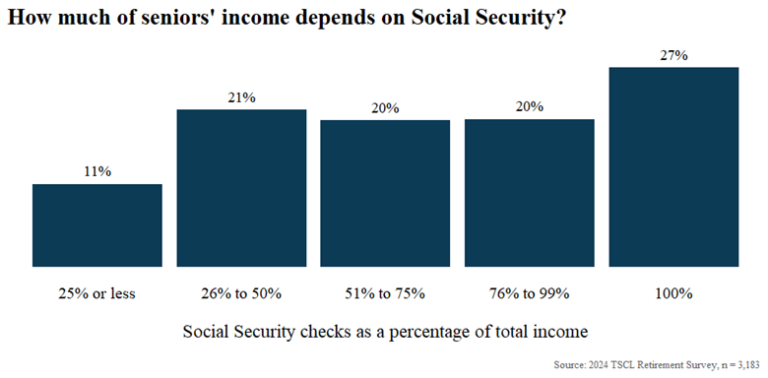
Free services for seniors include health care, food, transportation, housing help, legal aid, and social support.
Knowing what free services are available for seniors can make daily life safer, healthier, and less costly. Many programs are funded by federal, state, or local agencies, but they may have age, income, health, or location rules. This guide explains where to look, what to expect, and how to avoid common mistakes when applying.
What free services are available for seniors?
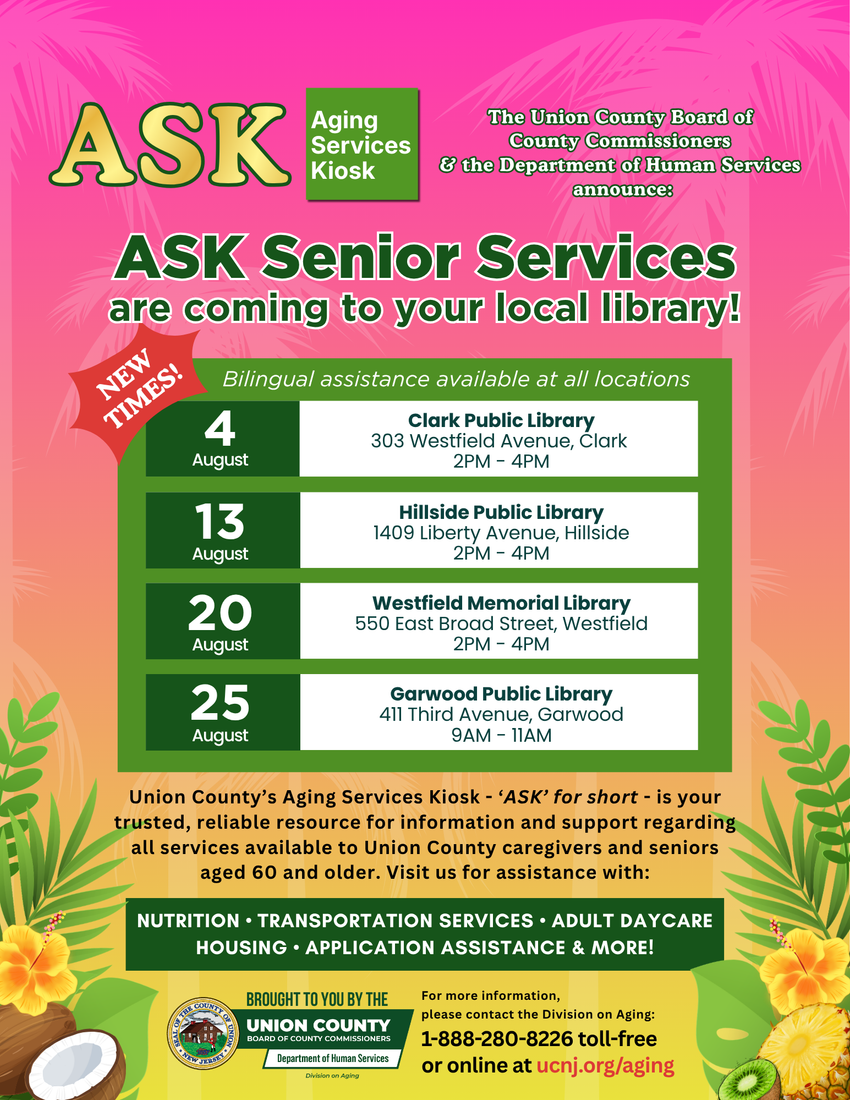
The best free services for seniors depend on where they live, their income, age, health needs, and military or disability status. Some programs are open to most older adults, while others serve people with limited income or urgent needs.
Here are the main types of free senior services to explore:
• Health screenings and wellness checks through local clinics and senior centers
• Medicare counseling and help with medical bills
• Free or low-cost prescription assistance
• Home-delivered meals and group meals
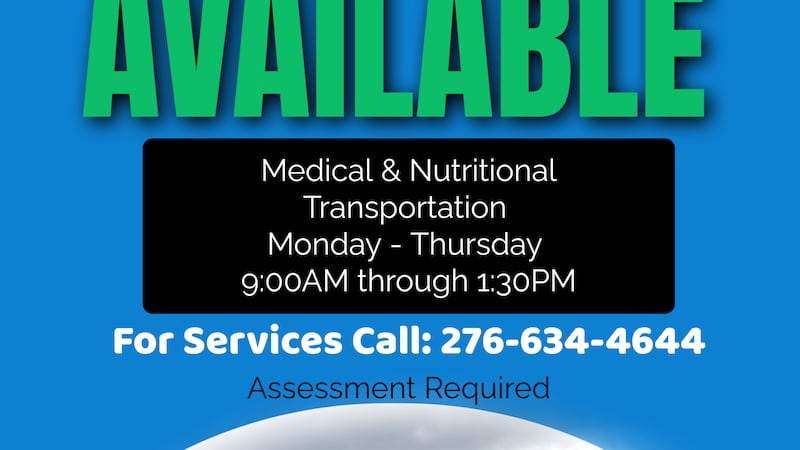
• Rides to medical visits, grocery stores, or community centers
• Help with rent, utilities, food, and home repairs
• Legal advice and help with benefits
• Tax preparation
• Friendly phone calls, support groups, and social activities
• Adult education, fitness classes, and computer training
A service may be fully free, or it may use a sliding fee scale. Always ask about the total cost before signing up.

Free health care services for seniors
Health care is one of the most important answers to what free services are available for seniors. Medicare covers many health services, but it does not cover every bill. Free programs can help fill gaps.
Medicare preventive services
Many preventive services cost nothing when a qualified provider accepts Medicare assignment. These may include:
• Welcome to Medicare visits
• Yearly wellness visits
• Flu, pneumonia, and COVID-19 vaccines
• Cancer screenings
• Diabetes screenings
• Depression screenings
• Bone density tests for eligible patients
• Cardiovascular disease screenings
Medicare rules can change, and eligibility may depend on age, risk, and the type of service. Ask the doctor’s office to confirm coverage before the appointment.
Medicare Savings Programs
Medicare Savings Programs help certain people with limited income pay Medicare costs. Depending on the program, help may cover Part A or Part B premiums, deductibles, coinsurance, and copayments.
Applications are handled by each state’s Medicaid office. A person can qualify for Medicare Savings help even if they do not think of themselves as “poor,” so it is worth applying.
Medicaid and dual eligibility
Some seniors qualify for both Medicare and Medicaid. This is called being dual eligible. Medicaid may help with costs that Medicare does not fully cover, such as long-term care, transportation, or certain home-based services.
Income and asset rules vary by state. A benefits counselor can explain the rules without requiring you to guess.
Free health insurance counseling
The State Health Insurance Assistance Program provides free, unbiased Medicare counseling. Counselors can help compare plans, check bills, review enrollment choices, and look for programs that lower prescription costs.
This is one of the most useful answers to what free services are available for seniors because the guidance is usually personal and free of charge.

Free food and nutrition services for seniors
Food support can protect health while reducing pressure on a fixed budget. Many older adults qualify for help but do not apply because they feel embarrassed. These programs exist to support independence, not to judge anyone.
Supplemental Nutrition Assistance Program
SNAP helps eligible households buy food. Benefits are placed on an electronic card and can be used at approved stores and many farmers markets.
Eligibility depends on income, household size, expenses, and state rules. Medical expenses may count for some older adults, so keep records of prescription, insurance, and medical costs.
Meals at senior centers
Local senior centers often offer free or low-cost group meals. These meals may also provide a chance to meet friends, join activities, and learn about other services.
The program may ask for a voluntary donation, but eligible seniors should not be turned away because they cannot pay.
Home-delivered meals
Home-delivered meal programs bring food to seniors who have trouble shopping or cooking. Some programs serve people who are homebound, recovering from illness, or unable to prepare safe meals.
Meals may be available through the local Area Agency on Aging. Delivery schedules and eligibility rules differ by community.
Commodity Supplemental Food Program
This program provides nutritious food packages to some low-income adults age 60 and older. Packages may include grains, canned foods, fruits, vegetables, and other basic items.
Availability is not the same in every county. A food bank, senior center, or Area Agency on Aging can explain local options.
When families ask what free services are available for seniors, I often suggest starting with food support. A steady meal can act like the first strong link in a chain of care.

Free transportation services for seniors
Transportation can be a hidden barrier. A person may have health coverage and food benefits but still miss care because they cannot get to the doctor.
Free senior transportation may include:
• Rides to medical appointments
• Transportation to pharmacies and grocery stores
• Shared vans operated by senior centers
• Public transit discounts or fare waivers
• Nonemergency medical transportation through Medicaid
• Volunteer driver programs
• Paratransit for people with qualifying disabilities
Rules often require advance booking. Some programs serve only a specific area or provide rides at certain times. Call before the appointment, and ask whether a caregiver may ride along.
For many people, transportation is the practical answer to what free services are available for seniors. A free ride is not just a ride. It may help someone keep a doctor’s visit, pick up medicine, or remain safely at home.

Free housing, utility, and home repair help
Housing costs can take up most of a senior’s monthly income. Several programs may help with rent, heating, cooling, weather repairs, and safety changes.
Housing assistance
Older adults may qualify for:
• Public housing
• Housing Choice Vouchers
• Section 202 supportive housing
• Local rent relief programs
• Property tax relief or tax freezes
• Emergency shelter or eviction prevention
Waiting lists can be long. Apply early, keep copies of every form, and update your phone number if it changes.
Utility assistance
The Low Income Home Energy Assistance Program may help with heating and cooling bills. Some states also offer emergency shutoff protection or discounts on phone and internet service.
Utility programs often open during set periods. A shutoff notice may allow an application to receive faster attention, but do not wait until the last day.
Free home repairs and safety changes
Local programs may provide repairs such as:
• Grab bars and handrails
• Ramps
• Better lighting
• Weather sealing
• Furnace or water heater repairs
• Roof repairs
• Accessibility changes
These services can reduce falls and help seniors remain at home. A doctor, physical therapist, or social worker may know which local program fits the need.
Housing help is a major part of what free services are available for seniors, but free does not always mean immediate. Some programs have limited funding and approval lists.
Free legal, tax, and benefits assistance
Legal and financial problems can grow quickly when a person lives on a fixed income. Free advice may prevent a costly mistake.
Legal aid for seniors
Legal aid offices and senior legal programs may help with:
• Eviction and unsafe housing
• Consumer fraud
• Debt collection
• Public benefits
• Guardianship concerns
• Health care directives
• Powers of attorney
• Elder abuse
Not every office handles every case. Be careful with anyone who pressures you to sign papers or pay large fees at the first meeting.
Free tax preparation
The Tax Counseling for the Elderly program offers free tax help for many older adults. Volunteer Income Tax Assistance sites may also help people with low or moderate income.
Bring income forms, Social Security statements, property records, medical expense records, and identification. Ask whether the volunteer can handle your type of return before sharing private documents.
Benefits counseling
A benefits counselor can screen for programs that help with:
• Medicare premiums
• Prescription costs
• Food
• Housing
• Utilities
• Transportation
• Long-term care
This is often the fastest way to learn what free services are available for seniors in a particular county. One application may lead to several referrals.

Free social, educational, and wellness programs
Good health includes more than doctor visits. Social contact, movement, and mental activity can improve daily life and reduce isolation.
Senior centers may offer free or low-cost:
• Exercise classes
• Art and music programs
• Computer lessons
• Card games and clubs
• Support groups
• Health talks
• Dancing and cultural events
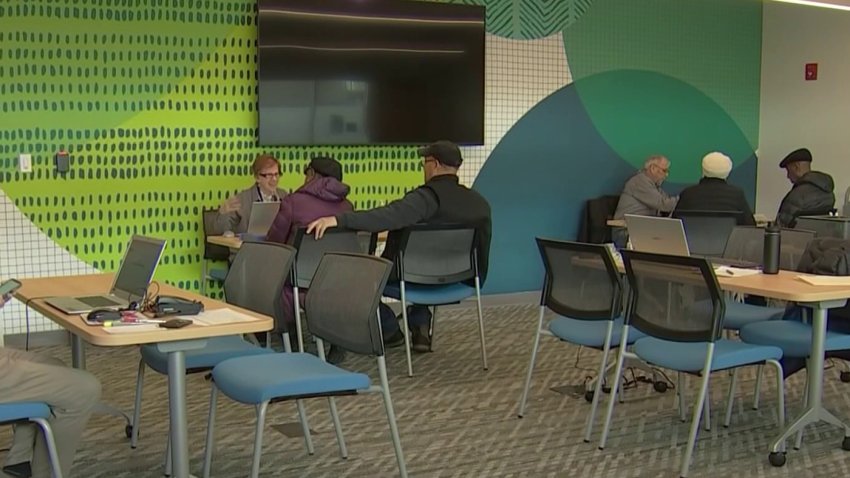
Public libraries may provide book clubs, technology help, language classes, and internet access. Some colleges also offer free lectures or reduced-cost classes for older adults.
The evidence on social connection is clear: ongoing isolation is linked with poorer mental and physical health. A weekly class may seem small, but it can give structure and friendship to an otherwise quiet week.
These programs are another important part of what free services are available for seniors. They support purpose, confidence, and connection.
Free caregiver and in-home support services
Some seniors need help with daily tasks but do not yet need a nursing home. Local aging agencies may offer support at home or connect families with trained providers.
Possible services include:
• Personal care referrals
• Homemaker assistance
• Respite for unpaid caregivers
• Adult day programs
• Fall prevention visits
• Care planning
• Support groups
• Dementia education
• Meal preparation support
Availability can be limited, and some programs use income or functional needs tests. Ask whether there is a waiting list and whether your name can be added to more than one program.
Caregivers should also ask about respite. Even a few hours away can help prevent exhaustion. A tired caregiver is like a phone with one percent battery: still working, but at risk of shutting down.

How to find free services for seniors near you
The most reliable starting point is the Eldercare Locator. It connects older adults and caregivers with local Area Agencies on Aging and community programs.
You can also try these steps:
-
Call 211 for local food, housing, utility, and transportation referrals.
-
Contact your county or state aging office.
-
Visit a public library or senior center.
-
Ask a Medicare counselor for health coverage help.
-
Speak with a hospital social worker after a major illness or hospital stay.
-
Contact the local Medicaid office for medical and transportation benefits.
-
Ask a trusted doctor or pharmacist about prescription assistance.
-
Check the official website of your city, county, or state.
When searching online, use your city and state with phrases such as “free services for seniors,” “senior transportation,” or “Area Agency on Aging.”
Keep a simple folder with applications, approval letters, case numbers, and contact names. One lesson families often learn too late is that organization matters. A folder can save hours when an agency asks for the same information again.
How to apply and avoid common problems
Applying for benefits can feel like walking through a maze. These tips make the path easier:
• Make a list of monthly income, assets, rent, utilities, medical costs, and debts.
• Gather identification, Social Security records, Medicare cards, and proof of address.
• Apply through an official government or nonprofit office.
• Ask for a receipt or confirmation number.
• Write down the name of every person you speak with.
• Ask for an interpreter or disability accommodation if needed.
• Appeal a denial when you believe the decision is wrong.
• Never pay someone just to complete a public benefits application unless you fully understand the service.
Scammers often promise guaranteed benefits or ask for gift cards, bank passwords, or Medicare numbers. Government agencies do not demand payment by gift card or threaten arrest for refusing to pay immediately.
Another common mistake is assuming that one denial ends the process. Rules may be complex, documents may be missing, or a different program may fit better. Ask for the reason in writing and request a referral.
Limitations to keep in mind
Free senior services are valuable, but they are not unlimited. Funding, staffing, county borders, and waiting lists affect access.
Some services also have rules related to:
• Age
• Income
• Assets
• Disability
• Citizenship or immigration status
• Homebound status
• Medical need
• County or state residence
A service described as free may still involve a donation request, transportation limit, copayment, or supply shortage. Confirm the details with the agency that provides the service.
Program information can change. The most accurate answer to what free services are available for seniors comes from a current local office, not an old social media post or an unverified advertisement.
Frequently Asked Questions About What Free Services Are Available for Seniors
What is the best place to find free services for seniors?
The Eldercare Locator and local Area Agencies on Aging are strong starting points. Calling 211 can also connect seniors with nearby food, housing, utility, and transportation programs.
Does Medicare provide free services for seniors?
Medicare covers many preventive services at no cost when eligibility and provider rules are met. It may also cover other care, but deductibles, premiums, coinsurance, and noncovered services can still apply.
Can seniors get free food?
Some seniors may qualify for SNAP, home-delivered meals, group meals, or food packages. Eligibility and availability depend on income, location, age, and physical needs.
Are rides to medical appointments free for seniors?
Some Medicaid plans, local aging agencies, senior centers, and volunteer groups provide free rides. Most require advance scheduling and may limit rides to certain locations or types of appointments.
Can seniors get free help with Medicare decisions?
Yes. State Health Insurance Assistance Program counselors provide free, unbiased help with Medicare plans, bills, enrollment, and cost-saving programs.
Are free home repairs available for older adults?
Some communities offer free safety repairs, accessibility changes, weatherization, or emergency home repairs. Programs often have income limits, waiting lists, or requirements related to home ownership.
Can seniors get free legal or tax help?
Many older adults can receive free legal help through legal aid or senior legal programs. Free tax preparation may be available through programs designed for older adults and people with limited or moderate income.
Conclusion
Free services for seniors can help with health care, food, transportation, housing, utilities, legal needs, taxes, home support, and social connection. The right program depends on personal needs, income, location, and eligibility rules.
Start with one call to 211, an Area Agency on Aging, or a Medicare counselor. Keep your documents together, watch for scams, and ask for referrals when one program cannot help. Share this guide with a senior, caregiver, or neighbor who may need support, and explore local resources today.

Michael Reynolds is a senior contributor at RetirementGazette.com, where he focuses on helping readers navigate the journey toward a secure and fulfilling retirement. With over a decade of experience in personal finance, retirement planning, and lifestyle writing, Michael combines practical strategies with easy-to-understand guidance tailored for both pre-retirees and those already enjoying their golden years.