
A senior discount is usually 5% to 20%, but the amount and starting age vary by business.
Knowing how much is a senior discount can help you lower the cost of meals, travel, groceries, entertainment, and everyday services. The key is that there is no single nationwide rate. Each company sets its own rules, age limit, eligible days, and proof requirements, so a little planning can lead to real savings.

How Much Is a Senior Discount?
Most senior discounts range from 5% to 20% off the regular price. Some businesses offer a fixed amount, such as $5 off, while others provide special low prices instead of a percentage discount.
The most common discount amounts are:
• 5% off for select services or memberships
• 10% off at restaurants, stores, and attractions
• 15% off for travel, events, or special programs
• 20% off during senior shopping hours or promotional days
• A fixed discount, such as $2 off admission or $10 off a service
For example, a 10% senior discount on a $50 purchase saves $5. On a $200 hotel stay, the same discount saves $20.
However, the advertised discount may not apply to every product or service. Taxes, delivery fees, alcohol, gift cards, sale items, and special packages are often excluded.

What Age Qualifies for a Senior Discount?
There is no universal age for senior discounts in the United States. Many businesses begin their programs at age 55, while others require customers to be 60, 62, or 65.
Common age requirements include:
• Age 50 for some membership groups and community programs
• Age 55 for many restaurants, stores, and local attractions
• Age 60 for some public transportation and food programs
• Age 62 for certain travel and hotel offers
• Age 65 for many government, health, and museum programs
A business may also use the term “senior” for marketing purposes without following a legal standard. This means one store may offer a discount at 55, while another may wait until 65.
Always check the exact policy before making a purchase. A quick call or visit to the company website can prevent an awkward moment at checkout.
Typical Senior Discount Amounts by Category
The answer to how much is a senior discount depends heavily on the type of business. Some industries offer regular discounts, while others provide savings only on certain days or through special memberships.
Restaurants and Fast Food
Restaurant senior discounts often range from 5% to 15%. Some restaurants offer a smaller menu, free drinks, reduced portions, or special early dining prices instead of a percentage discount.
Examples may include:
• 10% off the total bill
• A free beverage with a meal
• A senior menu with lower prices
• Early-bird dinner specials
• A free dessert or side item
Policies can differ by location, even within the same chain. A franchise owner may choose whether to offer a senior discount, so it is wise to ask before ordering.
Grocery Stores
Grocery store discounts often provide 5% to 10% off on a specific day each month or week. These offers may apply only to shoppers who meet a certain age and join the store’s loyalty program.
Common limits include:
• The discount applies only to regular-priced items
• Alcohol, tobacco, prescriptions, and gift cards are excluded
• The shopper must use a store loyalty card
• The offer may not combine with digital coupons
A grocery discount can be useful, but compare the final price with other stores. A sale at a competing store may still be cheaper than a senior discount.
Retail Stores
Retail senior discounts often range from 10% to 20%. Clothing stores, craft shops, home goods stores, and local businesses may offer these savings on specific days.
Some stores require:
• A government-issued photo ID
• A store membership
• Enrollment in a loyalty program
• Shopping during special senior hours
Ask whether the discount applies before or after coupons. The order can change your final savings.
Travel and Hotels
Travel discounts vary widely. Some hotel chains offer lower rates to older adults, while others provide discounts through membership programs.
Possible travel savings include:
• 5% to 15% off hotel rooms
• Reduced train or bus fares
• Lower admission prices at attractions
• Special cruise or tour rates
• Discounted rental car rates
Travel offers often have blackout dates, limited room types, or advance booking rules. Read the conditions carefully before paying.
Entertainment and Attractions
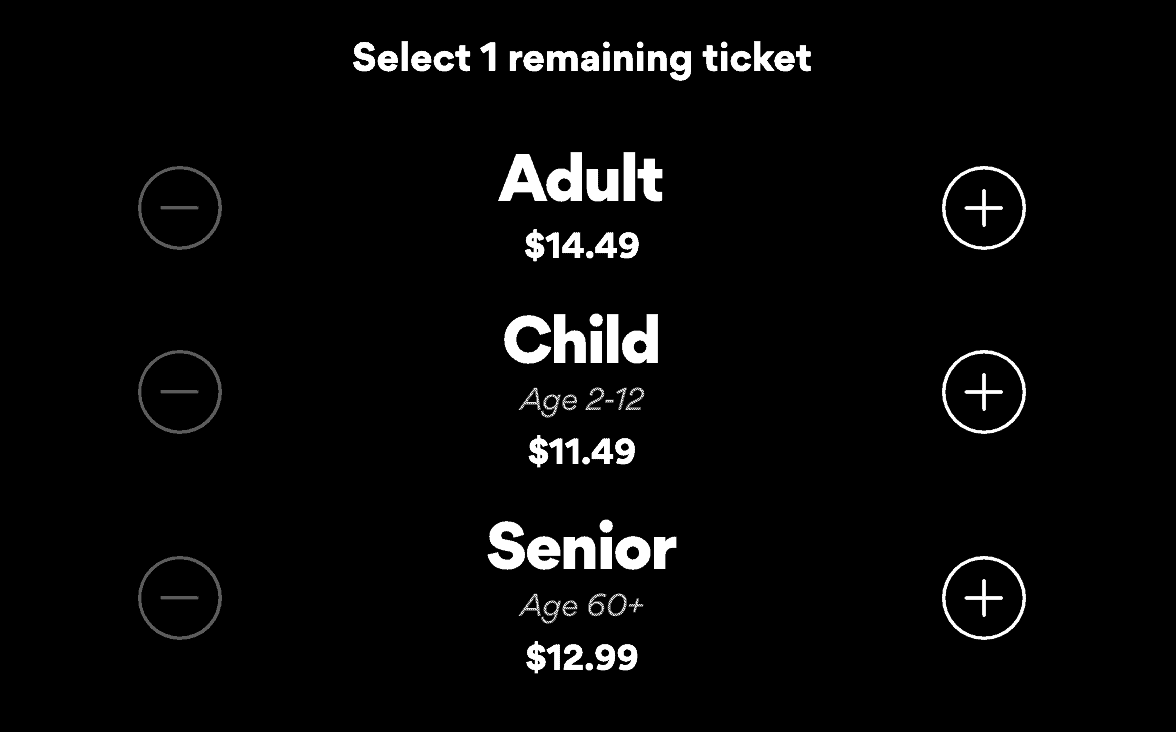
Museums, movie theaters, zoos, parks, and theaters often offer senior admission prices. The savings may range from $1 to $10 per ticket or about 10% to 25%.
Some attractions offer free admission on certain days for all visitors. In that case, the senior rate may not be the best deal.

Are Senior Discounts Available Everywhere?
No. Senior discounts are optional in most private businesses. A company can offer a discount, change the age requirement, limit the offer to certain locations, or stop the program.
Public agencies and nonprofit organizations may have more consistent programs. Examples include local transit systems, community centers, libraries, museums, and senior nutrition programs. Even these programs can vary by state, county, or city.
This is why how much is a senior discount cannot be answered with one fixed number. The amount depends on the provider, location, product, date, and eligibility rules.
Before you rely on a discount, check:
• The minimum qualifying age
• The discount percentage or fixed amount
• Whether the offer applies every day
• Whether membership is required
• What identification is accepted
• Which products or services are excluded
• Whether the discount can be combined with other offers

How to Ask for a Senior Discount
Asking is usually simple and polite. You do not need a long explanation.
Try saying:
“Do you offer a senior discount?”
“Is there a discount for customers age 55 or older?”
“Can this discount be combined with the sale price?”
“Which identification do you need?”
Ask before the transaction is completed. Some cashiers cannot apply a discount after a payment has been processed.
You may also ask at the customer service desk, check the store’s website, or look at the loyalty program terms. For travel, call the provider before booking because online booking systems may not show every age-based rate.
A practical lesson is to avoid assuming that every employee knows the policy. A manager or customer service representative may have more current information, especially when rules have recently changed.

What Proof Do You Need for a Senior Discount?
Many businesses accept a driver’s license or state identification card. These documents show your date of birth and are usually enough.
Other accepted forms of proof may include:
• A passport
• A government identification card
• A membership card from an approved senior organization
• A transit discount card
• A Medicare card, when the business specifically accepts it
A Medicare card does not automatically qualify someone for a private senior discount. Medicare eligibility and business age requirements are separate matters.
Do not share more personal information than necessary. In most cases, the cashier only needs to confirm your age. Businesses should not need your Social Security number to provide a basic discount.

How Much Can You Save With Senior Discounts?
The savings can add up when you use discounts for regular expenses. Consider a person who spends $400 each month on eligible purchases and receives an average discount of 10%. That could mean about $40 in monthly savings, or $480 per year.
Here is a simple example:
-
A $60 restaurant bill receives 10% off, saving $6.
-
A $120 museum and attraction visit receives $15 off.
-
A $500 hotel stay receives 10% off, saving $50.
-
A $80 clothing purchase receives 15% off, saving $12.
The total savings in this example is $83. Results will vary, but the example shows why small discounts can matter over time.
The best savings often come from combining a senior discount with smart shopping habits. Compare prices, use free loyalty programs, and check for coupons when the rules allow it.

Senior Discounts Versus AARP and Other Memberships
A senior discount is usually offered directly by a business based on age. A membership discount requires joining an organization or program.
Some membership programs charge an annual fee. Before joining, compare the membership cost with your expected savings.
For example, if a membership costs $16 per year and saves you $10 on a hotel booking, you may recover the fee quickly. If you rarely use the benefits, the membership may not be worthwhile.
Consider these factors:
• Annual membership cost
• Travel and hotel benefits
• Restaurant and retail offers
• Insurance or service benefits
• Expiration and renewal rules
• Whether the discount is better than a direct senior rate
Membership programs can offer valuable benefits, but they are not automatically better than a free senior discount. Always compare the final price.

Common Limits of Senior Discounts
Senior discounts can reduce costs, but they are not always the cheapest option. Businesses may place several limits on the offer.
Common restrictions include:
• The discount applies only to full-price items
• The offer is valid only on certain weekdays
• The deal excludes holidays and peak travel dates
• The discount does not apply to groups
• The offer cannot be combined with coupons
• A loyalty account is required
• The discount is available only at participating locations
• The business sets a maximum discount amount
For instance, 10% off a regular $100 price may save $10. But a sale price of $85 could be better, even without the senior discount.
Treat the discount as one tool, not a guarantee of the lowest price.
How to Find More Senior Discounts
Finding discounts takes a little research, but it can become a useful routine.
Use these methods:
-
Check the company’s official website before visiting.
-
Ask at the ticket counter, register, or customer service desk.
-
Search the business name with “senior discount” and your city.
-
Contact local libraries, community centers, and transit agencies.
-
Review hotel, airline, train, and bus fare rules.
-
Join free loyalty programs when they offer extra savings.
-
Keep a valid photo ID with you.
-
Compare the senior rate with sale prices and coupons.
Local businesses are often overlooked. Independent restaurants, pharmacies, theaters, and repair shops may offer discounts even when they do not advertise them online.
Government Programs Are Different From Senior Discounts
Some programs help older adults with food, housing, health care, energy bills, or transportation. These programs are not the same as a store discount.
Eligibility may depend on:
• Age
• Income
• Household size
• Disability status
• Location
• Citizenship or immigration rules
Examples include property tax relief, utility assistance, reduced public transit fares, and food support programs. The application process may require documents and income information.
If everyday costs are difficult to manage, contact your local aging services office or 211 service. A regular 10% discount can help, but public benefits may offer much greater support.
Mistakes to Avoid When Using Senior Discounts
The most common mistake is assuming that all locations follow the same policy. Chain stores often allow local managers or franchise owners to set different rules.
Other mistakes include:
• Waiting until after payment to ask
• Forgetting your identification
• Assuming the discount applies to sale items
• Paying for a membership without checking the value
• Booking travel without reading restrictions
• Sharing sensitive information unnecessarily
• Choosing a higher price simply because it includes a discount
A good habit is to ask for the final price before completing the transaction. This makes it easier to compare options and catch errors.
Frequently Asked Questions About How Much Is a Senior Discount
How much is a senior discount at most stores?
Most store senior discounts are between 5% and 15%. Some retailers offer 20% on a special senior shopping day, while others provide no discount at all.
What age is considered senior for discounts?
Many businesses use age 55 as the starting point, but some require customers to be 60, 62, or 65. Always check the individual company’s policy.
Can I use a senior discount with a coupon?
Sometimes. Each business sets its own rules, and many do not allow senior discounts to combine with coupons, clearance prices, or other promotions.
Do I need an ID to receive a senior discount?
You may need a driver’s license, state ID, passport, or approved membership card. Some businesses may accept your word, but carrying photo identification is the safest choice.
Is a senior discount better than a sale price?
Not always. A sale price may be lower than the price after a senior discount, so compare the final cost rather than focusing only on the discount percentage.
Does Medicare qualify me for a senior discount?
Not automatically. Medicare eligibility and private business discount rules are separate, so the company may still require a specific age or another form of proof.
Can restaurants refuse to offer a senior discount?
Yes. Most private restaurants choose whether to offer a senior discount and can set their own age limits, restrictions, and participating locations.
Conclusion
So, how much is a senior discount? In the United States, it is commonly 5% to 20%, but the exact amount depends on the business, location, age requirement, and purchase rules. Some offers provide a fixed dollar amount or a special senior price instead.
Ask before paying, carry a valid ID, and compare the discounted price with sales and coupons. A small saving may seem like a drop in the bucket, but regular discounts can add up to hundreds of dollars each year. Check local businesses and public programs, and share your favorite senior discount tips in the comments.

Michael Reynolds is a senior contributor at RetirementGazette.com, where he focuses on helping readers navigate the journey toward a secure and fulfilling retirement. With over a decade of experience in personal finance, retirement planning, and lifestyle writing, Michael combines practical strategies with easy-to-understand guidance tailored for both pre-retirees and those already enjoying their golden years.