The best way to find senior discounts is to ask, check official websites, and compare age rules before you pay.
Learning how to find senior discounts can lower the cost of food, travel, health care, entertainment, and everyday services. The tricky part is that discounts are often local, seasonal, or not advertised clearly. This guide explains where to look, what to ask, how to prove eligibility, and how to avoid offers that are not truly good deals.

What Are Senior Discounts?
Senior discounts are reduced prices offered to older adults by businesses, agencies, and membership programs. The discount may be a percentage off, a free upgrade, a lower admission fee, or a special price during certain hours.
There is no single age rule for every offer. Some discounts begin at age 50, while others require customers to be 55, 60, 62, or 65. The business sets its own policy, so always check the details before making a purchase.
Common senior discount categories include:
• Restaurants and grocery stores
• Public transportation and travel
• Hotels and rental cars
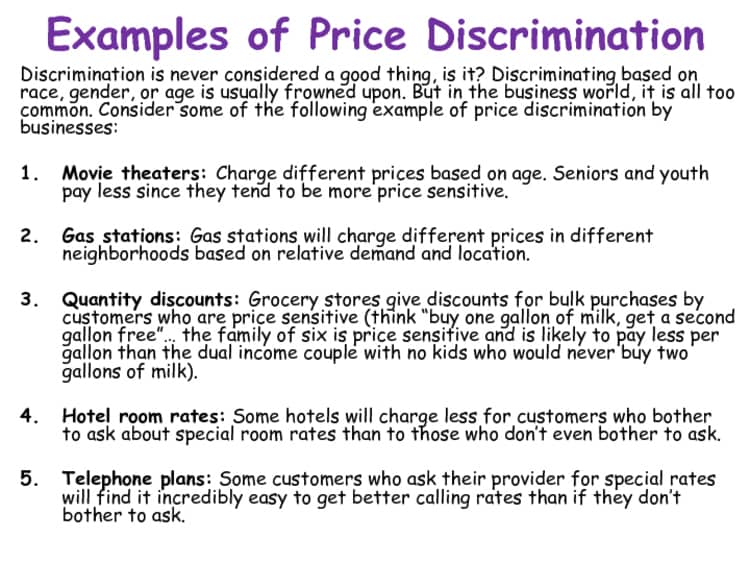
• Movie theaters and museums
• National parks and recreation centers
• Clothing and retail stores
• Cell phone and internet plans
• Tax preparation and financial services
• Health, fitness, and wellness programs
A senior discount is not always the lowest price. A store sale, coupon, loyalty reward, or membership offer may save more. Treat every discount like a tool in a toolbox. Compare it with other options before using it.
How to Find Senior Discounts Step by Step
The most reliable way to learn how to find senior discounts is to use a simple search process. You do not need special technology or a large membership fee. A few careful questions can uncover many offers.
1. Ask Before You Pay
Many businesses do not advertise senior discounts at the register. Ask politely before the transaction is complete.
You can say:
“Do you offer a senior discount?”
“Is there a discounted price for adults over 60?”
“Do I need to show identification?”
“Can I combine this with a sale or coupon?”
Ask at restaurants, pharmacies, theaters, hotels, museums, and local attractions. Employees may know about discounts that are not posted online.
2. Check the Business Website
Look for pages named:
• Discounts
• Special offers
• Membership benefits
• Tickets and admission
• Accessibility and visitor information
• Terms and conditions
Search the business name with phrases such as “senior discount,” “older adult discount,” or “senior rate.” Check the date of the information because offers can change.
3. Call the Location Directly
A national chain may have different rules at each location. A local manager may also offer a discount that does not appear on the company website.
Calling can save time. Ask about the age requirement, discount amount, eligible days, proof of age, and whether the offer applies to online purchases.
4. Search Local Government and Community Pages
Cities, counties, libraries, and community centers often provide lower prices for older adults. These discounts may apply to recreation classes, swimming pools, fitness centers, public events, and transportation.
Local aging agencies can also help residents find meal programs, transportation assistance, energy support, and other services. In the United States, the Eldercare Locator can help people connect with local aging resources.
5. Check Membership Organizations
Some groups provide access to discounts for travel, insurance, shopping, restaurants, and entertainment. Before joining, compare the membership fee with the savings you expect to receive.
A useful rule is simple: if the membership costs $20 and you save only $10, it is not a bargain yet. Review the benefits and use the ones you would need anyway.

Where to Find the Best Senior Discounts
Senior discounts appear in many parts of daily life. The biggest savings often come from services you already use, not from buying something new.
Restaurants and Grocery Stores
Restaurants may offer senior menus, early dining prices, smaller portions, or discounts on specific days. Some grocery stores hold senior shopping days, but these policies vary widely by location.
Before shopping, check:
• The minimum age
• The discount percentage
• The day and time
• Whether the discount covers sale items
• Whether alcohol, prescriptions, or gift cards are excluded
A discount on an expensive meal may be less useful than a lower-priced menu item. Compare the full bill, not just the discount percentage.
Travel and Transportation
Travel discounts may be available through airlines, trains, buses, and local transit systems. Some offers apply only to certain routes or require advance booking.
Amtrak provides some age-based discounts on select routes, while local transit systems may offer reduced fares for older adults. Airlines often have limited senior fares, so compare the final price with regular online fares before booking.
Hotels may also offer senior rates. Check the cancellation policy, resort fees, parking charges, and taxes. A lower room rate may not be the best deal if extra fees are high.
Entertainment and Attractions
Movie theaters, museums, zoos, aquariums, concerts, and sporting venues may offer reduced prices. Some attractions provide senior admission only at the ticket window, while others require online selection of a senior ticket.
National parks offer the America the Beautiful Senior Pass for eligible older adults. The pass can provide access to many federal recreation sites, and lifetime or annual options may be available. Confirm current prices and eligibility through the official National Park Service before buying.
Retail and Clothing Stores
Retail discounts are often limited to one day each week or to certain departments. Some stores offer senior savings only through a loyalty program.
Ask whether the discount applies to:
• Clearance items
• Shoes and clothing
• Home goods
• Online purchases
• Sale prices
• Gift cards
Keep in mind that a store coupon may provide more savings than a senior discount. A quick comparison at checkout can prevent a missed opportunity.
Health, Fitness, and Wellness
Gyms, community pools, yoga studios, and fitness centers may offer older adult rates. Medicare Advantage plans sometimes include fitness benefits, but coverage depends on the plan and location.
Pharmacies may offer prescription savings programs, but discount cards are not always the best choice. Compare the cash price, insurance price, pharmacy program, and available assistance programs. A pharmacist can often explain the options.
Technology and Cell Phone Plans
Some wireless companies offer plans for customers above a certain age. These plans may include lower prices, simpler features, or extra support.
Review the complete plan before switching. Check data limits, activation fees, taxes, device payments, hotspot use, and international service. A cheaper plan may not be cheaper if it does not meet your needs.

How to Search Online for Senior Discounts
Online searches can make it easier to find senior discounts, but not every result is accurate. Use specific search terms and confirm information on the official business website.
Try searches such as:
• “senior discounts near me”
• “senior restaurant discounts in [city]”
• “senior travel discounts”
• “senior museum admission”
• “senior grocery discount day”
• “senior discount age requirement”
• “older adult discounts [business name]”
Add the current year when searching for time-sensitive offers. For example, search for “senior train discounts 2026” when you need current information.
Look for an official source, recent update date, and clear terms. Be careful with websites that ask for payment or personal information before showing a basic discount list.
A trustworthy offer should explain:
• Who qualifies
• How much the customer saves
• When the offer applies
• What identification is accepted
• Whether the offer can be used online
• Any exclusions or expiration dates

What Proof Do You Need for a Senior Discount?
Businesses may ask for proof of age. A government-issued photo ID is usually the simplest option. A driver’s license, state identification card, passport, or other accepted document may work.
Some programs use a membership card instead. Travel passes, museum memberships, and organization cards may show eligibility without revealing more information than necessary.
Avoid sharing sensitive information unless it is required by a trusted organization. A business should not need your Social Security number to provide a basic age-based discount.
Before leaving home, check whether the business accepts:
• Driver’s licenses
• State identification cards
• Passports
• Membership cards
• Digital proof in an approved app
• Medicare or benefit cards, when specifically required
Do not assume Medicare eligibility proves that you qualify for every senior offer. Age rules and program rules are separate.

How to Compare Senior Discounts With Other Deals
Knowing how to find senior discounts is useful, but knowing when to use them is even more important. A discount can look attractive while still costing more than another available option.
Use this comparison method:
-
Write down the regular price.
-
Apply the senior discount.
-
Check for coupons, sales, loyalty rewards, and promotional codes.
-
Add taxes, service charges, delivery fees, and membership costs.
-
Compare the final price.
For example, imagine a $100 hotel room with a 10% senior discount. The discounted room costs $90 before taxes and fees. If a public promotion lowers the room to $80, the senior rate is not the better choice.
Some businesses allow discounts to be combined, but many do not. Ask before assuming that you can stack offers.

Common Mistakes to Avoid
Finding senior discounts is easier when you know what can go wrong. These mistakes are common, but they are also easy to prevent.
Assuming Every Business Uses the Same Age
One restaurant may start its discount at 55. Another may require customers to be 60 or 65. Always ask for the exact age rule.
Trusting an Old Discount List
Online lists can remain active long after a promotion ends. Treat third-party lists as starting points, not final proof. Confirm the offer with the business.
Paying for a Membership Too Quickly
A membership may promise many discounts, but unused benefits have no value. Estimate your likely savings before paying.
Forgetting Extra Fees
Travel, hotel, ticket, and service discounts may not include taxes or fees. Look at the final checkout total.
Sharing Too Much Personal Information
Use caution with unfamiliar discount websites. Do not provide financial details or sensitive identity information simply to view an offer.
Failing to Ask About Restrictions
A discount may apply only on weekdays, during early hours, at certain locations, or to specific products. Ask about limits before you plan around the offer.
Choosing a Discount Instead of a Better Product
A lower price does not make a poor-quality service a good purchase. Consider reliability, safety, return policies, and customer support too.
From practical experience, the most useful habit is to keep a small note on your phone with the discounts you use often. Include the age rule, location, and renewal date. This prevents repeated searching and makes shopping less stressful.
How to Organize Senior Discounts
A simple system can help you remember available offers without carrying a large stack of cards.
Create a note with these headings:
• Business name
• Type of discount
• Required age
• Proof needed
• Discount day or time
• Expiration date
• Phone number or official webpage
You can also save official discount pages in your browser. If you prefer paper, keep a small card in your wallet with the most useful information.
Review your list every few months. Businesses change prices, policies, and age requirements. Remove offers that no longer work and add new discounts from places you visit regularly.
Family members can help with online searches, but the account holder should review terms before sharing payment or personal information. This is especially important for travel, insurance, and health-related programs.
Benefits and Limits of Senior Discounts
Senior discounts can make a real difference for people living on a fixed income. Small savings on meals, transportation, entertainment, and services can add up over a year.
They may also make community activities more affordable. Lower admission prices can help older adults stay active, visit friends, attend cultural events, and maintain social connections.
However, these discounts have limits:
• They are not available at every business.
• The savings may be small.
• Rules can vary by location.
• Some offers are limited to certain days.
• A discount may not apply to online orders.
• Membership programs may charge fees.
• Discounts can change without notice.
For larger expenses, look beyond age-based savings. Utility assistance, prescription support, transportation programs, tax credits, and food benefits may provide more help than a small retail discount.
The Federal Trade Commission advises consumers to be cautious with offers that promise unusually large savings or demand urgent payment. Reliable programs explain their terms clearly and do not pressure you to act immediately.
Frequently Asked Questions About How to Find Senior Discounts
What age is considered a senior for discounts?
There is no universal senior discount age. Many offers begin at 50, 55, 60, 62, or 65, depending on the business or program. Always confirm the exact requirement before buying.
How can I ask for a senior discount without feeling uncomfortable?
Ask in a friendly and direct way before payment. You can say, “Do you offer a senior rate?” Employees hear this question often, and asking may reveal an offer that is not posted.
Do I need an ID to receive a senior discount?
Many businesses accept a driver’s license or state ID as proof of age. Some programs require a membership card or another approved document, so check the policy before visiting.
Are senior discounts available online?
Some are available online, but others work only in person or at the ticket counter. Look for a senior option during checkout, and contact customer service if the pricing is unclear.
Can I combine a senior discount with a coupon?
Sometimes, but many businesses allow only one promotion per purchase. Ask about the store’s stacking policy and compare the final prices before choosing an offer.
Are senior discount websites safe?
Some are helpful, but others may contain outdated information or request unnecessary personal data. Use discount websites for ideas, then verify each offer through the official business or government website.
What is the best way to find local senior discounts?
Search for senior discounts with your city or ZIP code, check local community centers, and call businesses you visit often. Libraries, transit agencies, parks, and recreation departments are good places to start.
Conclusion
Learning how to find senior discounts does not require complicated research. Ask before paying, check official websites, call local businesses, carry suitable proof of age, and compare the final price with other deals.
The best savings usually come from services you already use. Start with one category, such as restaurants, transportation, or entertainment, and build a simple list of reliable offers. Then review it every few months so outdated deals do not waste your time.
Use these steps today to find senior discounts in your area, and share your most useful savings tip with a friend or family member.

Michael Reynolds is a senior contributor at RetirementGazette.com, where he focuses on helping readers navigate the journey toward a secure and fulfilling retirement. With over a decade of experience in personal finance, retirement planning, and lifestyle writing, Michael combines practical strategies with easy-to-understand guidance tailored for both pre-retirees and those already enjoying their golden years.