To apply for free groceries as a senior on Medicare, check Medicare Advantage benefits, SNAP, Medicaid, and local food programs.
Medicare alone does not usually provide free groceries. However, many seniors can get food help through a Medicare Advantage grocery benefit, SNAP, Medicaid, food boxes, farmers market vouchers, or meal delivery programs. This guide explains how to apply for free groceries for seniors on Medicare, what documents to prepare, and where to get help if an application feels hard.

Does Medicare Pay for Free Groceries?
Original Medicare, also called Medicare Part A and Part B, generally does not pay for groceries or regular food shopping. Medicare mainly covers medical care, hospital services, doctor visits, preventive care, and certain medical equipment.
The main exception is Medicare Advantage, or Medicare Part C. Some Medicare Advantage plans offer grocery cards or healthy food benefits to members who meet certain rules.
These benefits may be listed under names such as:
- Grocery allowance
- Healthy food benefit
- Fresh food benefit
- Over-the-counter and grocery benefit
- Special Supplemental Benefits for the Chronically Ill
- Food and produce allowance
Not every Medicare Advantage plan offers these benefits. The amount, eligible foods, stores, and approval rules can differ by plan and by county.
A grocery benefit may require that you have one or more qualifying health conditions. Some plans also require low income, enrollment in a special needs plan, or participation in a care program. Do not assume that having Medicare automatically means you qualify.
How to Apply for Free Groceries for Seniors on Medicare Through Medicare Advantage
If you want to learn how to apply for free groceries for seniors on Medicare, start by checking your current Medicare Advantage plan. The fastest way is to call the member services number on the back of your insurance card.
Ask these questions:
- Does my plan offer a grocery or healthy food allowance?
- Do I qualify for the benefit?
- How much is available each month or quarter?
- Which foods and stores are approved?
- Do I need a doctor to confirm a health condition?
- Is the benefit loaded onto a card or sent as a voucher?
- Does the balance expire?
- Can I use it for online grocery orders or delivery?
- What should I do if my card does not work?
You can also review your plan’s Evidence of Coverage. This document explains covered benefits, limits, approved retailers, and eligibility rules.
Follow these steps:
- Call your plan’s member services department.
- Confirm that your plan includes a grocery benefit.
- Ask whether you must complete a health or care assessment.
- Submit any requested documents.
- Wait for approval or benefit activation.
- Use the grocery card only for approved products and stores.
- Check your balance and expiration date before shopping.
Some plans send a prepaid card. Others use a mobile app, store voucher, or mail order system. The process can feel like using a library card: it works only for approved items and within the program’s limits.
What Foods Are Covered by a Medicare Grocery Benefit?
Each plan sets its own rules. In general, approved grocery items may include foods that support a healthy diet.
Common eligible items can include:
- Fresh fruits and vegetables
- Frozen fruits and vegetables
- Whole grains
- Milk and other dairy products
- Eggs
- Beans and lentils
- Meat, fish, and poultry
- Low-sugar or low-sodium foods
- Nutrition drinks approved by the plan
Many plans do not cover:
- Alcohol
- Tobacco
- Vitamins and general supplements
- Hot prepared foods
- Household supplies
- Pet food
- Cosmetics
- Restaurant meals
- Candy or other restricted items
Some plans provide a product list or barcode system. Save your receipt until you know the purchase was approved. If the card declines, ask the cashier to remove restricted items and try again.
A common mistake is assuming every food in a grocery store qualifies. Always read the plan rules before shopping, especially when buying prepared meals, bakery items, or health products.
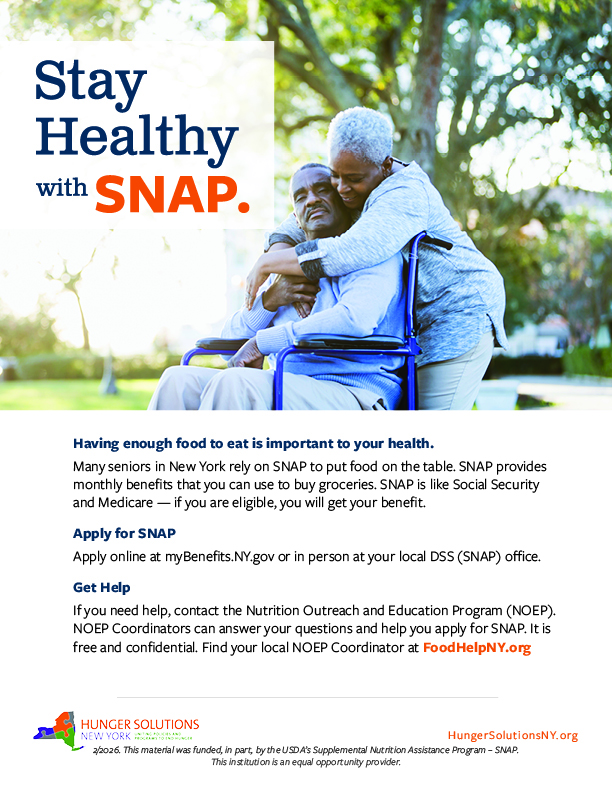
How to Apply for SNAP as a Senior on Medicare
The Supplemental Nutrition Assistance Program, known as SNAP, helps people with limited income buy food. SNAP is separate from Medicare, but many seniors with Medicare can apply.
SNAP rules depend on your state. Eligibility often considers:
- Household income
- Household size
- Bank accounts and other resources
- Housing costs
- Utility expenses
- Medical expenses
- Age or disability
- Immigration or citizenship rules
Adults age 60 or older may receive special treatment under some state SNAP rules. Certain medical and housing expenses may help lower the income used in the eligibility test.
To apply:
- Find your state SNAP agency.
- Apply online, by phone, by mail, or in person.
- Provide information about income, rent, utilities, and medical costs.
- Complete an interview if required.
- Submit proof of the information you reported.
- Wait for a written eligibility decision.
Documents may include:
- Medicare card
- Social Security award letter
- Pension statement
- Pay stubs
- Bank statements
- Rent or mortgage records
- Utility bills
- Medical bills and prescription receipts
- Proof of identity and address
If you pay for Medicare Part B, Part D, supplemental insurance, prescriptions, dental care, glasses, or medical equipment, report those costs. They may matter in the SNAP calculation.
SNAP benefits are usually placed on an Electronic Benefit Transfer card. The card works at approved grocery stores and some farmers markets. Benefits cannot usually be used for alcohol, tobacco, vitamins, or nonfood items.
Can Medicare and Medicaid Help With Grocery Costs?
Medicaid is a state and federal health program for people with limited income. It is different from Medicare, but some people qualify for both programs. These individuals are often called dual eligible beneficiaries.
Medicaid may connect you with food support through:
- Home-delivered meals
- Nutrition counseling
- Case management
- Community health programs
- Waiver services
- Food boxes
- Transportation to meal sites
Medicaid does not always provide a grocery card. Benefits vary widely by state and by program. Ask your Medicaid office whether it offers nutrition support or can refer you to a local food program.
You may also qualify for the Medicare Savings Programs. These programs can help pay Medicare premiums and, in some cases, other Medicare-related costs. Saving money on health premiums can leave more of your monthly income available for groceries.
Contact your state Medicaid agency or a trained benefits counselor. The State Health Insurance Assistance Program can also provide free Medicare guidance.
Other Free Grocery Programs for Seniors
If you do not qualify for a Medicare grocery allowance, other programs may help. These programs are often based on age, income, location, disability, or household need.
Commodity Supplemental Food Program
The Commodity Supplemental Food Program provides healthy food packages to some low-income adults age 60 and older. Availability depends on your state and local agencies.
Packages may include:
- Canned fruits and vegetables
- Whole grains
- Peanut butter
- Cereal
- Shelf-stable milk
- Cheese
- Pasta or rice
Apply through your state agriculture agency, local food bank, or senior services office.
Senior Farmers’ Market Nutrition Program
This program may offer coupons or electronic benefits for eligible seniors to buy fresh produce, herbs, and other approved foods from farmers markets or farm stands.
Rules vary by location. Ask your Area Agency on Aging when applications open because funds may be limited.
Meals on Wheels
Meals on Wheels and similar programs deliver meals to older adults who have difficulty shopping or preparing food. Some programs use sliding-scale fees, while others offer free meals based on income and need.
Call your local Area Agency on Aging to ask about delivery, meal sites, and eligibility.
Local food banks and pantries
Food banks may offer free groceries, senior boxes, produce, or home delivery. Many do not require you to be enrolled in Medicare.
When calling, ask:
- Do you have food boxes for seniors?
- Is delivery available?
- What identification is needed?
- Do I need proof of income?
- What days and times are distribution?
- Can someone pick up food for me?
211 and senior service agencies
Dial 211 in many parts of the United States to find local food, housing, utility, and transportation resources. You can also contact your Area Agency on Aging through the national Eldercare Locator service.
Documents to Prepare Before You Apply
Having your paperwork ready can make the application much easier. Keep copies in a folder or envelope, and do not mail your only original documents.
Prepare:
- Government-issued identification
- Medicare card
- Social Security number, if requested
- Proof of address
- Social Security or Supplemental Security Income letters
- Pension or retirement income records
- Recent bank statements
- Rent or mortgage information
- Utility bills
- Medical bills
- Prescription receipts
- Insurance premium statements
- Names and birth dates of household members
Some programs may not ask for every document. Only provide information through a verified agency or official plan representative.
If you cannot print papers, ask whether the agency accepts photographs or electronic uploads. A trusted family member, caregiver, social worker, or benefits counselor may help you organize the documents.
How to Apply for Free Groceries for Seniors on Medicare by Phone
Many older adults prefer applying by phone. This is a good option if you do not use the internet or have trouble completing online forms.
Before calling, write down:
- Your Medicare Advantage plan name
- Your member identification number
- Your monthly income
- Your rent or mortgage amount
- Your utility costs
- Your medical expenses
- Questions about food eligibility
Ask the representative to explain each step in plain language. Take notes that include the representative’s name, the date, and any confirmation number.
If the person you speak with is unclear, politely ask for a supervisor or a written explanation. You have the right to understand the program before sharing private information.
Never give your Medicare number, Social Security number, bank details, or card password to an unexpected caller. Call the number printed on your insurance card or a verified government website instead.
How to Apply Online for Grocery Assistance
Online applications can be convenient, but use care. Start from your state’s official government website, your health plan’s official website, or a recognized senior services agency.
A typical online application asks for:
- Personal information
- Household details
- Income
- Housing costs
- Medical expenses
- Citizenship or immigration information, when required
- Documents for verification
Save your confirmation number after submitting the form. Take a screenshot or print the confirmation page if possible.
Check your email and mailbox for follow-up requests. An application may be delayed if the agency needs proof of income, identity, or expenses.
Avoid websites that promise guaranteed Medicare grocery money. Medicare grocery scams often request an upfront fee, bank information, or a Medicare number. Legitimate programs do not require you to pay someone to apply for a public benefit.
Mistakes to Avoid When Applying
Understanding how to apply for free groceries for seniors on Medicare is only part of the process. Avoiding common errors can help prevent delays or denials.
Assuming Original Medicare includes groceries
Original Medicare generally does not offer a standard grocery allowance. Check Medicare Advantage, SNAP, Medicaid, and local programs instead.
Not reporting medical expenses
Prescription costs, insurance premiums, and other medical expenses may affect SNAP eligibility. Keep receipts and report these costs when asked.
Missing an interview
Some programs require a phone or in-person interview. Missing it can delay your case or lead to a denial.
Applying only once
Rules and plan benefits can change. If your situation changes or you receive a new Medicare Advantage plan, check again.
Paying for help
Free assistance is available through benefits counselors, senior agencies, and community organizations. Be cautious if someone asks for money to submit a basic application.
Ignoring renewal notices
Food benefits often require renewal. Read letters from your plan or state agency and respond by the deadline.
Throwing away denial letters
A denial letter should explain the reason and appeal deadline. Keep it, review it, and ask for help if you believe the decision is wrong.
From helping people sort through benefit forms, one lesson stands out: small details matter. A missing utility bill or an unreported prescription cost can change the result, so keep a simple monthly expense list.
How to Appeal a Denied Grocery Benefit
You may appeal if your Medicare Advantage plan denies a covered grocery benefit or refuses to approve a service you believe is included in your plan.
First, read the denial notice. It should explain the decision and tell you how long you have to appeal.
Then:
- Call the plan and ask for the appeal instructions.
- Request the benefit rule in writing.
- Gather medical records or documents that support your request.
- Ask your doctor to provide a statement when a health condition is part of the eligibility rule.
- Submit the appeal before the deadline.
- Keep copies of every form and letter.
- Write down confirmation numbers and delivery dates.
For SNAP, follow the appeal instructions from your state agency. A legal aid office, social worker, or benefits counselor may help you understand the process.
An appeal does not guarantee approval. Still, a clear request with complete documents gives you a stronger chance of receiving a proper review.
How Much Can Seniors Receive for Groceries?
The amount varies widely. A Medicare Advantage grocery allowance may be a set amount each month, quarter, or benefit period. Some plans offer only a modest allowance, while others provide more support for members who meet special eligibility rules.
SNAP benefits also vary. The amount depends on household size, income, deductions, and state rules. Benefit limits can change each year.
Local food programs may provide a box of groceries, several meals each week, or coupons for fresh produce. These programs may have waiting lists or limited funding.
Treat every benefit as extra support, not as a guaranteed replacement for your full food budget. Ask whether unused funds roll over, expire, or disappear at the end of a month or quarter.
Where Seniors Can Get Free Help Applying
You do not have to complete the process alone. Free or low-cost help may be available through:
- State Health Insurance Assistance Programs
- Area Agencies on Aging
- Senior centers
- Medicaid offices
- Local food banks
- Community action agencies
- Legal aid offices
- Hospital social workers
- Tribal or Native community services
- Trusted family caregivers
A counselor can help compare Medicare Advantage plans, check SNAP rules, complete forms, and understand an appeal. The counselor should explain the options without pressuring you to buy insurance.
When asking for help, say exactly what you need: “I am a Medicare beneficiary and need help finding food assistance.” This helps the agency direct you to the right program.
Frequently Asked Questions About How to Apply for Free Groceries for Seniors on Medicare
Can seniors on Medicare get free groceries?
Yes, some seniors on Medicare can receive grocery help through Medicare Advantage, SNAP, Medicaid-related services, food banks, or senior nutrition programs. Original Medicare by itself usually does not pay for ordinary groceries.
Does every Medicare Advantage plan offer a grocery card?
No. Grocery benefits are optional and vary by plan, location, and eligibility status. Call the member services number on your insurance card to confirm your benefits.
Can I get SNAP and Medicare at the same time?
Yes, many people receive both programs. SNAP eligibility depends on income, household details, expenses, and state rules, so you must apply through your state SNAP agency.
What documents do I need to apply for grocery assistance?
You may need proof of identity, address, income, housing costs, medical expenses, and Medicare enrollment. The exact list depends on the program and your state.
Can I get free groceries if I am over 60 but do not have Medicare?
Yes. Several programs use age and financial need rather than Medicare status. Check SNAP, senior food boxes, farmers market programs, food banks, and local meal services.
Are Medicare grocery benefits the same as food stamps?
No. A Medicare grocery benefit comes from certain Medicare Advantage plans, while SNAP is a government food assistance program. They have different rules, cards, approved items, and application processes.
What should I do if my grocery card does not work?
Check the card balance, expiration date, approved store list, and eligible food rules. If the problem continues, call the member services number or card administrator listed in your plan materials.
Can someone apply for me?
A trusted caregiver or authorized representative may be able to help. The program may require written permission, identity checks, or a representative form before sharing private information.
Conclusion
Learning how to apply for free groceries for seniors on Medicare starts with checking your Medicare Advantage plan, but that is only one path. SNAP, Medicaid-connected services, senior food boxes, farmers market programs, food banks, and meal delivery may also help.
Gather your income, housing, medical, and insurance records before applying. Use official phone numbers and government agencies, watch for deadlines, and ask a senior benefits counselor for free help when needed.
Take the first step today by calling your Medicare plan, state SNAP office, or local Area Agency on Aging. Exploring more than one program can help you build a safer and more reliable food budget.

Michael Reynolds is a senior contributor at RetirementGazette.com, where he focuses on helping readers navigate the journey toward a secure and fulfilling retirement. With over a decade of experience in personal finance, retirement planning, and lifestyle writing, Michael combines practical strategies with easy-to-understand guidance tailored for both pre-retirees and those already enjoying their golden years.