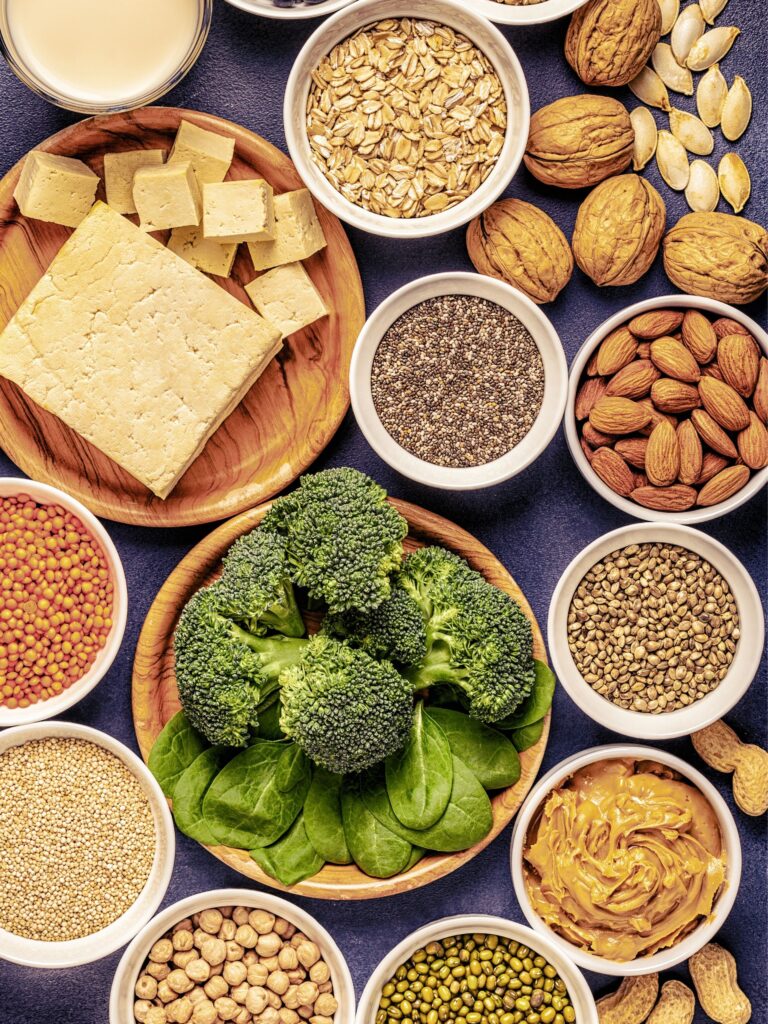
Seniors can get more protein by eating protein-rich foods at each meal and choosing simple, nutrient-dense snacks.
Knowing how can seniors get more protein is important for healthy aging, muscle strength, balance, and recovery. The best plan is not about eating huge portions. It is about spreading protein through the day with foods that are easy to chew, digest, afford, and prepare. This guide offers practical tips based on nutrition research and real-life meal challenges faced by older adults and caregivers.
Why Protein Matters as We Age
Protein helps the body build and repair muscle, skin, bones, blood, and other tissues. It also supports the immune system and helps the body recover after illness, injury, or surgery.
As people age, they may lose muscle more easily. This process is called age-related muscle loss, or sarcopenia. Less muscle can make it harder to climb stairs, carry groceries, rise from a chair, or stay steady while walking.
Protein works best when paired with regular movement. Simple strength exercises, such as chair stands or light resistance-band exercises, can help the body use protein to maintain muscle. Older adults should ask a health professional before starting a new exercise plan.
Research-based nutrition guidance often suggests that older adults may need more protein per pound of body weight than younger adults. Appetite, activity level, health status, and existing muscle loss all affect individual needs.
Benefits of enough protein
Eating enough protein may help seniors:
• Maintain muscle strength and physical function
• Support healing after surgery or an injury
• Stay fuller between meals
• Support immune health
• Reduce the risk of weakness linked to poor nutrition
• Preserve independence with daily tasks
Protein is only one part of healthy aging. Seniors also need enough calories, fluids, fiber, vitamins, minerals, and healthy fats.

How Much Protein Do Seniors Need?
A common minimum recommendation for healthy adults is 0.8 grams of protein per kilogram of body weight each day. However, many experts suggest that healthy older adults may benefit from about 1.0 to 1.2 grams per kilogram daily, especially when they are active or at risk of muscle loss.
For example, a 150-pound adult weighs about 68 kilograms. A daily range of 68 to 82 grams of protein may be suitable for some healthy older adults. This is only a general example, not a personal prescription.
People with kidney disease, certain liver conditions, or other medical concerns may need a different amount. Anyone with a chronic illness should ask a doctor or registered dietitian before making a major change in protein intake.
Spread protein across the day
Many people eat very little protein at breakfast and lunch, then eat most of it at dinner. A better approach is to include a moderate protein source at every meal.
A simple daily pattern may look like this:
• Breakfast: 20 to 25 grams
• Lunch: 20 to 30 grams
• Dinner: 25 to 30 grams
• Snacks: 5 to 15 grams as needed
This approach can make it easier for the body to use protein throughout the day. It may also feel more comfortable than eating one large serving at night.

Best Protein Foods for Seniors
The best protein foods for seniors are nutritious, familiar, and easy to eat. Soft foods can be especially helpful for people with dental problems, dry mouth, or trouble swallowing.
Dairy foods
Milk, Greek yogurt, cottage cheese, and cheese can add protein with little preparation.
• One cup of milk provides about 8 grams of protein.
• Greek yogurt often provides 15 to 20 grams per serving.
• Cottage cheese may provide about 12 to 15 grams per half cup.
• One ounce of cheese usually provides about 6 to 7 grams.
Choose low-sugar yogurt when possible. Seniors who cannot tolerate lactose may try lactose-free milk or yogurt.
Eggs
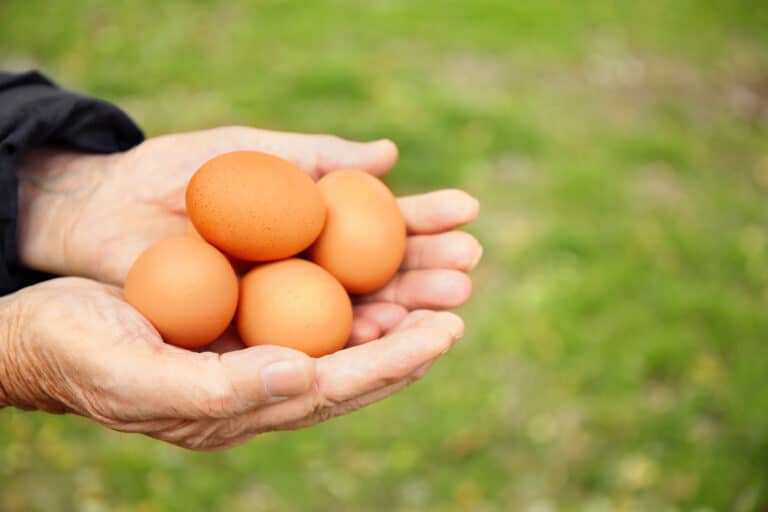
Eggs are soft, affordable, and easy to prepare. One large egg contains about 6 grams of protein.
Try scrambled eggs with cheese, a soft omelet with vegetables, or a chopped hard-boiled egg mixed into tuna or potato salad. Eggs can also make breakfast more filling without much cooking time.
Fish and seafood
Salmon, tuna, sardines, trout, shrimp, and other seafood provide protein. Fatty fish also provide omega-3 fats, which support heart health as part of an overall healthy diet.
Canned fish can be a useful choice for seniors because it is affordable and needs little preparation. Choose lower-sodium versions when available, especially if a health professional has advised limiting salt.
Chicken and turkey
Tender chicken or turkey can be added to soup, rice, pasta, casseroles, or sandwiches. Ground poultry may be easier to chew than a dry chicken breast.
To keep poultry moist, serve it with broth, gravy, tomato sauce, or yogurt-based dressing. Avoid relying on fried or heavily processed poultry products every day.
Beans, lentils, and peas
Beans, lentils, and peas provide protein and fiber. Fiber supports digestion and may help with blood sugar and heart health.
Good options include:
• Lentil soup
• Black beans with rice
• Hummus with soft pita or vegetables
• Mashed beans on toast
• Split-pea soup
Canned beans are convenient. Rinsing them can remove some of the added sodium.
Tofu and soy foods
Tofu, tempeh, edamame, and fortified soy milk are useful plant protein choices. Soft tofu works well in stir-fries, soups, and blended dishes.
Soy milk often provides protein similar to cow’s milk. Check the label and choose an unsweetened, fortified variety when possible.
Nuts, seeds, and nut butter
Peanut butter, almond butter, sunflower seed butter, chia seeds, and ground flaxseed can add protein and healthy fats. They are useful in oatmeal, smoothies, yogurt, and toast.
Whole nuts may be hard to chew or unsafe for some people with swallowing problems. Nut butter or finely ground nuts may be a better choice.
How Can Seniors Get More Protein at Breakfast?
Breakfast is often the hardest meal for protein. Toast, cereal, and fruit may be convenient, but they may not provide enough protein alone.
To improve breakfast, add one protein food to the usual meal. Small changes can make a big difference.
Try these ideas:
• Add Greek yogurt to fruit or cereal.
• Make oatmeal with milk instead of water.
• Stir powdered milk into oatmeal, mashed potatoes, or soup.
• Serve an egg with whole-grain toast.
• Add peanut butter to toast or a banana.
• Blend milk, yogurt, fruit, and nut butter into a smoothie.
• Choose cottage cheese with peaches or berries.
A smoothie can help when chewing is difficult or appetite is low. However, drinking calories too quickly may reduce hunger for meals, so portion size still matters.

How Can Seniors Get More Protein at Lunch and Dinner?
Lunch and dinner can provide steady protein when meals include a clear main source. A useful plate may contain a protein food, vegetables or fruit, and a grain or starchy food.
Easy meal combinations include:
• Tuna salad with whole-grain crackers and soup
• Chicken added to vegetable soup
• Lentils with rice and cooked vegetables
• Baked fish with mashed potatoes
• Bean and cheese quesadillas
• Turkey meatballs with pasta and tomato sauce
• Tofu with soft vegetables and rice
• Cottage cheese with a baked potato
Do not overlook leftovers. Extra chicken, fish, beans, or eggs can turn into a quick lunch the next day. Preparing two portions at once can reduce cooking effort and food waste.
For seniors who live alone, frozen meals can be useful. Choose options with a reasonable amount of protein and lower sodium. Add a side of yogurt, milk, beans, or cottage cheese if the meal is low in protein.

High-Protein Snacks That Are Easy to Eat
Snacks can help seniors who feel full quickly or cannot eat large meals. A protein snack between meals may also help fill nutrition gaps.
Good choices include:
• Greek yogurt
• Cottage cheese with fruit
• A glass of milk
• A cheese stick
• Hummus with soft pita
• Peanut butter on toast
• A boiled egg
• A small tuna pouch with crackers
• A smoothie
• Roasted or mashed beans
• Edamame
• A protein-fortified nutrition drink
Keep easy snacks where they can be seen. A yogurt placed at the front of the refrigerator is more likely to be eaten than one hidden behind other foods.
Caregivers can prepare small snack boxes with cheese, crackers, fruit, and a boiled egg. Labeling containers with the date may also make food safer and easier to manage.

How Can Seniors Get More Protein With a Small Appetite?
A poor appetite may result from illness, medication side effects, depression, loneliness, changes in taste, or difficulty chewing. Losing weight without trying is not a normal part of aging and should be discussed with a health professional.
When appetite is small, focus on nutrient-rich foods rather than large portions. Add protein to foods the person already enjoys.
Useful ideas include:
• Add cheese to eggs, vegetables, soup, or potatoes.
• Mix powdered milk into oatmeal or casseroles.
• Add Greek yogurt to smoothies.
• Spread nut butter on toast or fruit.
• Stir mashed beans into sauces or soups.
• Use an egg to enrich fried rice or noodles.
• Add shredded chicken to mac and cheese.
Several small meals may work better than three large meals. A calm setting and pleasant company can also make eating easier.
A common mistake is offering only low-calorie foods such as plain tea, broth, or dry toast. These foods may be easy to consume but do not provide much protein or energy.

Protein Drinks and Supplements: Are They Needed?
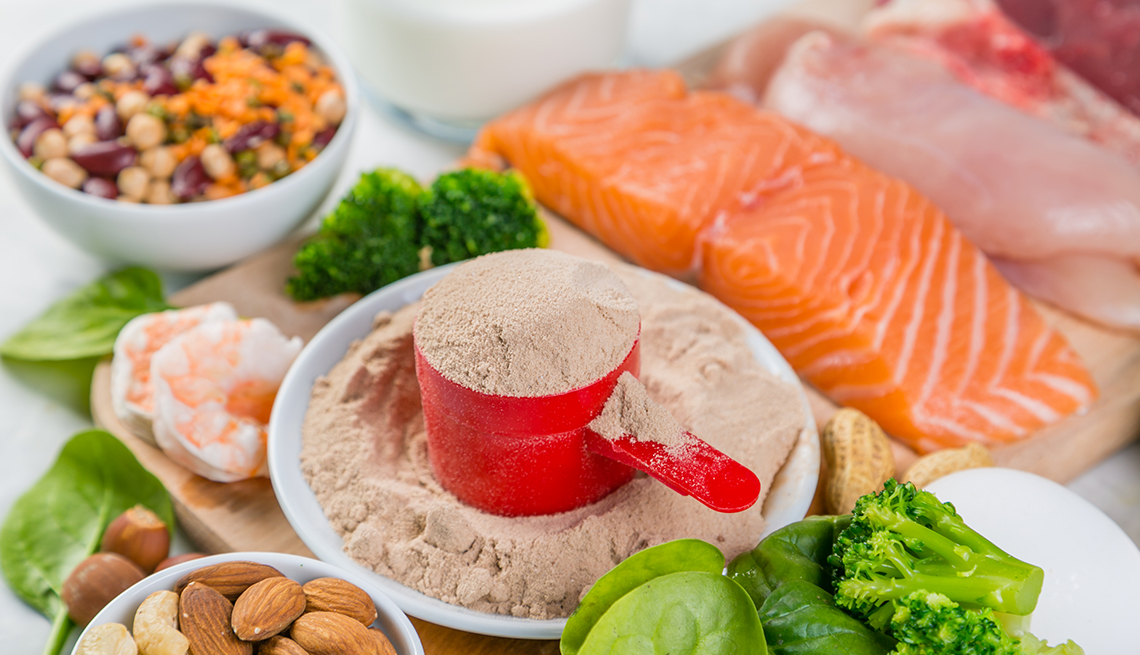
Protein drinks can help when food intake is low, chewing is difficult, or recovery needs are higher. They are not always necessary for a healthy senior who eats balanced meals.
Before using a supplement, check the nutrition label. Look at the protein amount, calories, sugar, sodium, and serving size. Some products are designed as complete nutrition drinks, while others provide mostly protein.
A supplement should support meals, not replace every meal unless a doctor or dietitian recommends it. Drinking too many can cause fullness, constipation, diarrhea, or unwanted weight gain.
People with kidney disease, diabetes, food allergies, or swallowing problems need individualized advice. A registered dietitian can help choose a safe product and serving size.
Safety Tips for Increasing Protein
Learning how can seniors get more protein also means understanding safety. More protein is not automatically better for everyone.
Keep these points in mind:
• Increase protein gradually if the current diet is low in protein.
• Drink enough fluid unless a doctor has limited fluids.
• Choose a mix of animal and plant protein foods.
• Limit highly processed meats, such as bacon, sausage, and deli meat.
• Select lower-sodium foods when possible.
• Follow medical advice for kidney, liver, heart, or swallowing conditions.
• Use safe food temperatures and refrigeration practices.
• Ask for help if chewing or swallowing causes coughing or choking.
If swallowing is difficult, do not simply add thicker or stickier foods without professional guidance. A speech-language pathologist or medical team can recommend the right food texture.
A Simple One-Day High-Protein Meal Plan
This sample plan shows how can seniors get more protein without making meals complicated. Portions should be adjusted for appetite, medical needs, and personal preferences.
Breakfast
• Oatmeal made with milk
• One boiled or scrambled egg
• Soft fruit
Morning snack
• Greek yogurt with berries
Lunch
• Chicken and vegetable soup
• Whole-grain toast with cheese
Afternoon snack
• Peanut butter on a banana or soft crackers
Dinner
• Baked salmon or tofu
• Mashed sweet potato
• Cooked green beans
Evening snack
• Cottage cheese with peaches or a small glass of milk
This plan provides protein at regular intervals. It also includes fiber, fluids, vitamins, and healthy fats. A dietitian can modify it for diabetes, low-sodium needs, food allergies, or kidney disease.
Practical Lessons for Seniors and Caregivers
One of the most useful lessons in improving protein intake is to make the healthy choice the easy choice. Complicated recipes often fail when a person is tired, alone, or recovering from illness.
Prepare basic foods in advance:
-
Cook eggs, chicken, fish, or beans in small batches.
-
Divide yogurt, cottage cheese, or soup into ready-to-eat portions.
-
Keep milk, cheese, and protein snacks at eye level.
-
Add one protein food to each meal.
-
Track food intake for a few days if appetite or weight is a concern.
Another lesson is to respect food preferences. A senior who dislikes plain yogurt may enjoy it blended with fruit. Someone who does not like meat may prefer eggs, beans, tofu, or cheese. The best protein plan is one that a person will actually eat.
Frequently Asked Questions About How Can Seniors Get More Protein
How can seniors get more protein if they do not eat meat?
Seniors can choose eggs, milk, Greek yogurt, cottage cheese, beans, lentils, tofu, tempeh, nuts, seeds, and fortified soy milk. Combining these foods across the day can provide plenty of protein without meat.
What is the easiest protein food for seniors?
Greek yogurt, eggs, cottage cheese, milk, smoothies, and soft beans are easy options for many seniors. The best choice depends on chewing ability, digestion, allergies, budget, and medical needs.
Should seniors drink protein shakes every day?
Not every senior needs a protein shake. A shake may help when appetite is poor or meals do not provide enough protein, but people with kidney disease or other medical conditions should ask a health professional first.
How can seniors get more protein with dental problems?
Soft foods such as scrambled eggs, yogurt, cottage cheese, tofu, flaky fish, mashed beans, and smoothies can help. Avoid tough meats and hard nuts unless a dental or medical professional says they are safe.
Can too much protein harm older adults?
Too much protein may be unsuitable for people with certain kidney or liver conditions. Seniors should discuss their protein goal with a doctor or registered dietitian when they have chronic disease.
How much protein should a senior eat at one meal?
Many older adults may benefit from roughly 20 to 30 grams of protein at a meal, but needs vary. Body size, activity, appetite, health status, and total daily intake all matter.
Conclusion
How can seniors get more protein? Start with small, steady changes: add protein to breakfast, include it at lunch and dinner, keep easy snacks nearby, and choose soft foods when chewing is difficult. Eggs, dairy, fish, poultry, beans, lentils, tofu, and nut butters can all support a balanced eating plan.
Protein needs are personal, especially for seniors with kidney disease, swallowing problems, diabetes, or recent illness. Try one new protein habit this week, then speak with a health professional if weight loss, poor appetite, or weakness continues. Share these ideas with a caregiver or loved one and explore more trusted healthy-aging resources for continued support.

Michael Reynolds is a senior contributor at RetirementGazette.com, where he focuses on helping readers navigate the journey toward a secure and fulfilling retirement. With over a decade of experience in personal finance, retirement planning, and lifestyle writing, Michael combines practical strategies with easy-to-understand guidance tailored for both pre-retirees and those already enjoying their golden years.