Caregivers need support because daily care can cause stress, fatigue, isolation, and health problems without help.
Understanding why do caregivers need support starts with seeing caregiving as more than a kind act. It is a demanding role that can include medical tasks, personal care, emotional support, household work, and tough decisions. This guide explains the real pressures caregivers face and offers practical ways families, employers, and communities can help.

Why do caregivers need support?
Caregivers need support because they often give time, energy, and attention without enough rest or help. Many care for an aging parent, a spouse, a child with special needs, or a loved one with a serious illness. Some caregivers also work full-time and raise children.
The role can change from day to day. A caregiver may prepare meals in the morning, manage medicine at noon, drive to an appointment, and help with bathing at night. This constant mental load can feel like carrying a backpack that grows heavier each week.
The answer to why do caregivers need support is not simply “because caregiving is hard.” Support protects the caregiver’s health and helps the loved one receive safer, kinder, and more steady care.
Caregiving support may include:
• Help with personal care, meals, cleaning, or transportation
• Emotional support from friends, family, or a counselor
• Respite care that gives the caregiver time away
• Clear medical guidance from health professionals
• Financial, legal, and workplace assistance
• Support groups with people who understand the role
Research on family caregiving has linked high care demands with stress, depression symptoms, poor sleep, and physical health concerns. These risks do not mean every caregiver will become ill. They do show why caregivers need support before a crisis begins.
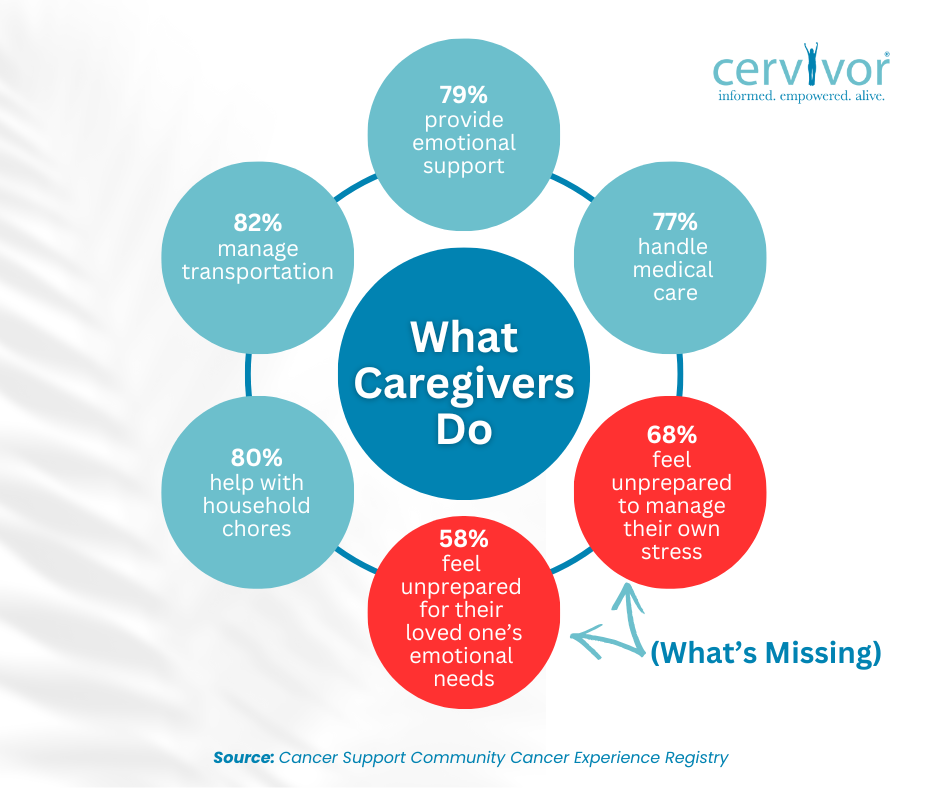
The physical impact of caregiving
Caregiving can place direct strain on the body. Lifting a person, helping with transfers, pushing a wheelchair, or standing for long periods may lead to back, shoulder, and joint pain.
Sleep is another major concern. A loved one may wake often, wander at night, or need help using the bathroom. Even when the caregiver sleeps, worry can keep the mind alert. Poor sleep can affect memory, mood, reaction time, and immune health.
Caregivers may also skip basic health habits. They may delay a doctor visit, eat whatever is quick, or avoid exercise because there is no free time. Over time, these small choices can add up.
Warning signs that a caregiver needs more physical support include:
• Ongoing pain or frequent headaches
• Extreme tiredness that does not improve with sleep
• Missed meals or rapid weight changes
• Frequent illness
• Trouble lifting or moving safely
• Dizziness, weakness, or shortness of breath
A useful lesson is simple: never treat physical pain as proof of devotion. Safe transfer training, assistive equipment, and another person’s help can protect both people.

The emotional and mental health burden
Caregivers often feel several emotions at once. They may feel love, anger, guilt, grief, fear, and relief within the same day. These mixed feelings do not make someone uncaring. They show that the role is intense.
Caregivers may grieve the changes in a loved one’s memory, independence, or personality. A spouse may feel that a relationship has changed. An adult child may mourn the loss of the parent they once knew as strong and capable.
Guilt is also common. Caregivers may think they should do more, feel bad about needing a break, or compare themselves with an unrealistic image of the “perfect caregiver.” This can push them to hide their needs.
Why do caregivers need support from a mental health perspective? They need a safe place to speak honestly, process loss, and learn coping skills. A counselor, support group, faith leader, or trusted friend can help reduce the feeling of carrying everything alone.
Caregivers should seek prompt professional help if they experience:
• Persistent sadness or hopelessness
• Panic or severe anxiety
• Anger that feels difficult to control
• Loss of interest in most activities
• Thoughts of self-harm or harming someone else
In an emergency, call 911. In the United States, call or text 988 for immediate mental health crisis support.

Social isolation and caregiver loneliness
Caregiving can shrink a person’s social world. Appointments, medication schedules, and personal care tasks may make it hard to attend family events or meet friends. Some caregivers stop accepting invitations because explaining the situation feels tiring.
Loneliness can grow even when another person is always nearby. A caregiver may spend all day with a loved one but have no one with whom to share their own fears. This is one reason why caregivers need support that includes human connection, not only practical services.
Small steps can help:
• Schedule one regular phone call each week
• Invite a trusted person to visit for a short time
• Join an online or local caregiver group
• Tell friends exactly what kind of help would matter
• Keep one personal activity on the calendar
A friend may say, “Let me know if you need anything,” and mean it kindly. Still, a clear request works better. Try, “Could you stay with Dad from 2 to 4 p.m. on Saturday?” Specific requests are easier to accept and complete.

How caregiver support helps the person receiving care
Support does not only benefit the caregiver. It can improve the quality and safety of care for the loved one.
A rested caregiver is more likely to notice changes in symptoms, follow treatment instructions, and communicate clearly with doctors. Rest can also reduce rushed decisions and prevent unsafe lifting or medication mistakes.
Support may help a loved one remain at home longer, when home care is safe and appropriate. It can also make family relationships stronger because one person no longer carries every task.
The benefits may include:
• Better medication and appointment management
• Fewer preventable accidents
• More patient communication
• Greater emotional stability at home
• More consistent meals and personal care
• Earlier recognition of health changes
Support has limits. It cannot cure dementia, remove every financial worry, or guarantee that home care will always remain possible. Some conditions require skilled nursing, residential care, or emergency treatment. Honest planning is safer than trying to prove that one family member can do everything.

Types of support caregivers may need
Caregiver support should match the real problem. A person who needs three hours of sleep does not need only encouraging words. A person facing medical confusion may need clear instruction from a nurse or doctor.
Practical support
Practical help reduces the number of daily tasks. Family members can prepare meals, shop for groceries, provide transportation, or handle laundry.
Respite care
Respite care gives caregivers a planned break. It may come from a family member, home care worker, adult day program, or short-term residential service. Even a few hours can help a caregiver rest, attend an appointment, or reconnect with life outside caregiving.
Emotional support
Counseling and support groups can reduce loneliness and help caregivers manage guilt, grief, and stress. Some groups meet in person, while others use phone or video calls.
Medical and care training
Caregivers may need training in:
• Safe transfers and fall prevention
• Wound care and medical equipment
• Dementia communication
• Medication organization
• Nutrition and swallowing safety
• Recognizing urgent symptoms
Never guess about a medical task. Ask the care team for written instructions and a demonstration.
Financial and legal support
Costs may include transportation, home repairs, medical supplies, unpaid time off, and professional care. A social worker, benefits counselor, or elder law attorney may explain programs and planning options.

How families can support a caregiver
Families often want to help but do not know where to begin. The best approach is to share responsibility, not merely offer sympathy.
Start with a care meeting. List every task, estimate the time required, and assign duties based on ability and availability. Include backup plans for illness, travel, or emergencies.
Helpful family actions include:
- Take ownership of a task from start to finish.
- Visit at a set time each week.
- Pay for a service when direct help is not possible.
- Attend medical appointments and take notes.
- Give the caregiver permission to rest without guilt.
- Ask what would make this week easier.
Avoid saying, “You are so strong,” when the caregiver clearly needs help. Praise can sound like pressure if it suggests they must keep coping alone. A better response is, “You should not have to manage this by yourself. What task can I take?”
In my experience observing caregiving situations, one common mistake is waiting for the main caregiver to ask. Exhaustion can make it hard to plan or speak up. Offers work best when they are specific, reliable, and repeated.

Building a realistic caregiver support plan
A written plan can turn vague concern into useful action. It does not need to be perfect. It only needs to show who will do what and when.
Include these details:
• The loved one’s health needs and daily routine
• Medication and appointment information
• Emergency contacts
• Preferred hospitals and doctors
• Tasks that require training
• Family members and their available times
• Paid services and community resources
• A backup caregiver
• Important financial and legal documents
Review the plan after a hospital visit, diagnosis, fall, or major change in behavior. Needs can change quickly, especially with dementia, cancer, stroke recovery, or serious disability.
Caregivers should also make a personal care plan. Set a small goal, such as eating breakfast, walking for ten minutes, or sleeping while another adult stays with the loved one. Small steps are more realistic than a complete lifestyle overhaul.

Support at work and in the community
Many caregivers balance care with a job. This can lead to missed shifts, reduced hours, lost income, or concern about job security. Employers may help through flexible schedules, remote work, paid leave, employee assistance programs, or caregiver resource groups.
A caregiver can prepare before speaking with a manager:
• Explain the work issue without sharing private medical details
• Suggest a clear schedule or temporary adjustment
• Ask about leave and benefits
• Put agreed changes in writing
• Review the plan after a set period
Community support can come from local aging agencies, disability organizations, disease-specific groups, senior centers, transportation programs, meal services, and faith communities. In the United States, Area Agencies on Aging can help people find local services. Benefits and eligibility vary by state and program, so confirm details directly.
Why do caregivers need support from a workplace and community view? Caregiving affects more than one household. When useful services exist, people may be able to keep working, avoid preventable health problems, and provide care more safely.
Mistakes caregivers should avoid
Caregiving does not require perfection. It requires safe choices and honest limits. Several common mistakes can make the role harder.
• Trying to do every task alone: Shared care is more sustainable.
• Waiting for a crisis: Ask for respite before exhaustion becomes severe.
• Ignoring personal health: Keep medical visits and take symptoms seriously.
• Using unclear medication systems: Keep an updated list and follow professional instructions.
• Refusing all paid help: Even occasional help may protect the care plan.
• Hiding financial stress: Early advice may reveal benefits or lower-cost services.
• Making promises without discussing capacity: Be honest about what you can safely do.
Another mistake is confusing support with control. The caregiver should respect the loved one’s preferences and independence whenever possible. Good care includes the person receiving care in decisions, rather than taking over every part of life.
When to seek professional caregiver support
Professional help may be needed when care becomes unsafe, symptoms change, or the caregiver cannot recover with ordinary rest. A primary care clinician can screen for depression, anxiety, sleep problems, and physical strain.
Ask the care team about a social worker, occupational therapist, home health professional, or palliative care specialist. Palliative care can support comfort and quality of life during serious illness. It is not limited to the final days of life.
Seek urgent help for signs such as:
• Trouble breathing or chest pain
• A serious fall or head injury
• Sudden confusion or weakness
• Medication overdose or a dangerous error
• Threats of self-harm or harm to others
• Abuse, neglect, or immediate danger at home
The exact services available depend on location, income, diagnosis, insurance, and safety needs. This is why a local professional assessment matters. General advice can guide the first step, but it cannot replace individualized medical or legal advice.
Frequently Asked Questions
Why do caregivers need support if they love the person they care for?
Love does not remove physical work, stress, sleep loss, or financial pressure. Support helps caregivers protect their own health while offering safer and more consistent care.
What is the most helpful support for a family caregiver?
The best support solves a specific problem, such as respite time, transportation, meals, or help with personal care. Ask the caregiver what task causes the most stress, then offer reliable help with that task.
How does caregiver support prevent burnout?
Support reduces the caregiver’s workload and creates time for sleep, medical care, social contact, and recovery. It may also provide counseling and skills that make difficult care tasks easier to manage.
Where can caregivers find help?
Caregivers can ask a doctor, hospital social worker, local aging agency, disease-specific organization, or community center for referrals. Online support groups and employee assistance programs may also provide education and emotional support.
How often should a caregiver take a break?
There is no single schedule for everyone, but breaks should be planned before the caregiver feels completely exhausted. Short daily pauses and longer periods of respite each week can support recovery when the loved one’s care remains safe.
What if the caregiver feels guilty about asking for help?
Needing help does not mean the caregiver has failed. Care is a shared responsibility, and asking early can prevent a crisis that affects both the caregiver and the loved one.
Conclusion
Caregivers need support because caregiving can affect the body, mind, relationships, finances, and work life. Practical help, respite care, emotional support, medical training, and clear planning can make the role safer and more sustainable.
Do not wait for exhaustion to become an emergency. Choose one task to share, contact a local resource, or schedule a conversation with the care team this week. If this guide helped, explore trusted caregiver resources and share it with someone who may be carrying too much alone.

Michael Reynolds is a senior contributor at RetirementGazette.com, where he focuses on helping readers navigate the journey toward a secure and fulfilling retirement. With over a decade of experience in personal finance, retirement planning, and lifestyle writing, Michael combines practical strategies with easy-to-understand guidance tailored for both pre-retirees and those already enjoying their golden years.