At 65, you may qualify for discounts on dining, travel, shopping, entertainment, health care, and public services.
Knowing what senior discounts are available at 65 can help you lower daily costs without giving up the activities you enjoy. However, age rules vary widely, and some offers begin at 55, 60, or 62 rather than 65. This guide explains where to look, how to ask, and how to avoid common mistakes.

What senior discounts are available at 65?
Turning 65 does not automatically unlock one nationwide senior discount program. Instead, businesses and public agencies set their own age rules, offer amounts, and terms.
The most common senior discounts at 65 include:
• Restaurant discounts on meals, drinks, or early-bird menus
• Retail discounts on clothing, groceries, home goods, and pharmacy items
• Travel discounts on trains, buses, hotels, rental cars, and cruises
• Entertainment discounts for movies, museums, parks, and local events
• Health and wellness savings on prescriptions, dental care, vision care, and fitness memberships
• Government and community benefits, such as property tax relief or reduced transit fares
• Membership discounts through organizations such as AARP, which allows adults age 18 and older to join
The key point is simple: ask before you pay. A senior discount may not appear on a menu or website, and some offers apply only on certain days.

Restaurant and food discounts at 65
Restaurants are one of the easiest places to find age-based savings. Many national chains, local diners, and family restaurants offer senior menus or reduced portions.
Common restaurant offers include:
• A 5% to 15% discount on the total bill
• A lower-priced senior menu
• Smaller portions at a reduced price
• Free drinks or side dishes
• Early-bird dinner specials
• Discounted breakfast or lunch meals
There is no standard rule for restaurant discounts. One location may offer a discount at age 55, while another may require you to be 60 or 65. Franchise owners may also set different policies from the parent company.
When asking, use a simple question: “Do you offer a senior discount for guests age 65 or older?” Ask before ordering because some restaurants cannot apply the discount after the transaction is complete.
A senior menu is not always the best deal. Compare the portion size, price, and discount. A regular meal with a daily special may cost less than a senior meal.

Retail and grocery discounts
Retail discounts can help with clothing, shoes, household goods, electronics, and personal care items. Some stores offer a set discount for older adults, while others run special senior shopping days.
You may find savings at:
• Clothing and department stores
• Thrift shops and resale stores
• Craft and hobby stores
• Hardware stores
• Furniture stores
• Pharmacies
• Grocery stores
• Optical shops
Senior shopping days often have restrictions. The discount may apply only during certain hours or exclude sale items, gift cards, prescriptions, alcohol, and tobacco.
Grocery discounts deserve extra attention because they can affect your weekly budget. Some stores offer a senior day, but the discount may be smaller than the savings from using a store loyalty card or digital coupon. Check both options before assuming the age discount is the best deal.
A useful habit is to ask the cashier or customer service desk about the store’s current policy. Promotions can change often, especially at independently owned stores.

Travel discounts for people age 65 and older
Travel discounts can create some of the biggest savings, especially on long trips. Airlines do not always offer public senior fares, but trains, buses, hotels, cruises, and travel clubs may provide age-based offers.
Potential travel savings include:
• Reduced fares on local or regional public transportation
• Discounts on rail or bus tickets
• Lower hotel rates
• Reduced admission to airport lounges
• Cruise promotions
• Rental car discounts
• Savings on travel insurance through membership groups
For example, Amtrak has offered senior fares on some routes, but eligibility, routes, and restrictions can change. Some transit systems also provide reduced fares at age 65, while others begin at 60 or require a local senior ID card.
Hotels may list senior rates under names such as “senior,” “mature traveler,” or “AARP member.” These rates may not always be the lowest available rate. Compare the senior price with advance-purchase, AAA, military, government, and loyalty program rates.
Before booking, check:
-
The minimum age
-
Whether proof of age is required
-
Blackout dates
-
Cancellation rules
-
Whether the discount applies to every traveler
-
Whether taxes and resort fees are included
A lower room rate can lose its value if it comes with strict cancellation terms. Read the conditions before paying.

Entertainment and attraction discounts
Many entertainment venues offer senior pricing at age 65. These discounts can make regular outings more affordable and may apply to both admission and memberships.
Look for reduced prices at:
• Movie theaters
• Museums
• Zoos and aquariums
• National and state parks
• Botanical gardens
• Concerts and theaters
• Local festivals
• Bowling centers
• Golf courses
• Community recreation centers
Movie theaters often offer senior tickets, but the starting age varies. Some theaters begin at 55 or 60. Matinee pricing may be cheaper than the senior price, so compare both.
National parks are another area where age matters. The America the Beautiful Senior Pass is available to U.S. citizens and permanent residents at age 62 or older. A lifetime pass costs more than an annual pass, but it may provide better value for someone who visits national recreation sites often.
Many museums also have “senior” rates, but some offer free admission on certain days. If you plan to visit several attractions, a local city pass or museum membership may save more than paying separate senior prices.

Health care and wellness savings at 65
Age 65 is important for Medicare eligibility, but Medicare is not a senior discount card. It is federal health insurance with its own enrollment periods, premiums, deductibles, and coverage rules.
Most people can first enroll in Medicare around age 65. However, your enrollment timing may depend on your work history, Social Security status, disability benefits, and employer health coverage.
Possible health-related savings include:
• Medicare coverage for eligible medical services
• Prescription savings through Medicare Part D or Medicare Advantage plans
• Free or low-cost preventive services under certain Medicare plans
• Senior fitness programs
• Discounted gym memberships
• Lower prices for hearing, vision, or dental services
• Pharmacy savings clubs
• Reduced rates at local wellness centers
Some Medicare Advantage plans include fitness benefits, but benefits differ by plan and location. Do not assume that every gym, dental office, or prescription is covered.
For prescription drugs, compare your plan’s drug list, known as a formulary, with the medicines you take. A pharmacy discount card may appear helpful, but it cannot always be combined with Medicare coverage. Ask the pharmacist which price is lower before you pay.
The best health savings often come from combining several steps:
-
Review your Medicare plan each year.
-
Compare prescription prices at more than one pharmacy.
-
Ask about generic alternatives.
-
Check whether preventive services are covered.
-
Use approved assistance programs if your income is limited.
Medicare and Medicaid rules can be complex. For personalized help, contact your State Health Insurance Assistance Program, often called SHIP. These programs provide free, unbiased Medicare counseling.

Public transportation and community discounts
Many cities and counties offer reduced fares for older adults. The qualifying age may be 60, 62, or 65, and the application process often differs by location.
You may find senior rates for:
• City buses
• Subway and light rail systems
• Paratransit services
• Community shuttles
• Parking permits
• Public pools
• Recreation classes
• Libraries and learning programs
Some transit systems issue a senior photo ID card. Others accept a government-issued photo ID that shows your date of birth.
Do not wait until you board the bus to ask about eligibility. Visit the transit agency’s website or customer service office first. You may need to submit an application, provide proof of address, or bring a recent photo.
Local community centers can also be a valuable source of savings. They may offer low-cost meals, exercise classes, computer lessons, tax help, and social activities. These benefits may not be advertised as “senior discounts,” but they can reduce monthly expenses just as effectively.

Tax breaks and financial benefits at 65
Tax benefits are not always called senior discounts, but they may have a larger effect on your budget.
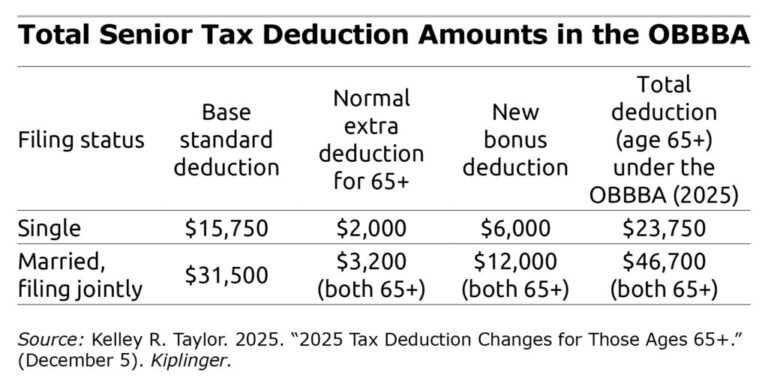
At the federal level, taxpayers age 65 or older may qualify for a higher standard deduction. The exact amount changes by tax year and filing status. If both spouses are 65 or older, the additional deduction may be larger.
Some states also offer:
• Property tax exemptions
• Property tax freezes
• Property tax deferrals
• Renters’ tax credits
• Income tax deductions for older adults
• Sales tax relief on specific goods
• Reduced vehicle registration fees
• Utility assistance programs
Eligibility often depends on income, home ownership, disability, marital status, and location. Reaching age 65 alone may not be enough.
If you own a home, contact your county assessor or local tax office. If you rent, check your state’s housing or revenue department. Apply early because some programs have annual deadlines.
Tax rules can change. Use current government forms or speak with a qualified tax professional before claiming a benefit.
Discounts through AARP and other membership groups
AARP membership is available to adults age 18 and older, so you do not need to wait until 65. Members may receive offers on travel, restaurants, insurance, entertainment, technology, and other services.
Other organizations may offer discounts through:
• AAA
• Credit unions
• Veterans’ groups
• Labor unions
• Alumni associations
• Professional associations
• Medicare-related organizations
• Local senior centers
Membership fees can reduce the value of a discount. Before joining, estimate your likely savings. For example, if a membership costs $20 per year and saves you $40 on a hotel stay, it may be worthwhile. If you rarely use the offers, the fee may not make sense.
Also check whether a business offers the same price to nonmembers through a public promotion. Membership should add value, not simply create another card in your wallet.
How to find senior discounts near you
Searching for what senior discounts are available at 65 works best when you use local and direct methods. Discount policies can differ by city, store, and franchise location.
Try these steps:
-
Search the business name with the words “senior discount” and your city.
-
Check the official website for age rules and exclusions.
-
Call before visiting if the information is unclear.
-
Ask at the customer service desk.
-
Carry a government-issued photo ID.
-
Check local senior centers and libraries.
-
Review your city and county government websites.
-
Compare the senior price with regular sales and membership rates.
-
Write down expiration dates and blackout periods.
-
Recheck offers every few months.
A phone call can save time. It can also prevent an awkward moment at the register when a discount is no longer available.
One practical lesson is to avoid relying on old lists found online. A discount page may remain searchable long after a company ends the offer. Treat unofficial lists as leads, not proof.
What proof of age may be required?
Businesses may accept several forms of identification, including:
• A driver’s license
• A state identification card
• A passport
• A passport card
• A Medicare card, when appropriate
• A membership card
• A local senior transit card
Most businesses do not need to see sensitive information beyond your name and birth date. Never share your Social Security number to receive a normal retail or restaurant discount.
If an employee cannot confirm the offer, stay polite. Policies may be location-specific, and the employee may need to ask a manager. You can also request the terms in writing or check the company’s official website.
Common mistakes to avoid
Understanding what senior discounts are available at 65 is only half the process. Using them wisely matters just as much.
Avoid these mistakes:
• Assuming every business offers a discount at 65
• Waiting until after payment to ask
• Believing an online list without checking the date
• Choosing a senior price without comparing other promotions
• Paying for a membership that you will not use
• Forgetting that discounts may not cover taxes or fees
• Sharing unnecessary personal information
• Assuming Medicare covers every health service
• Missing tax or transit application deadlines
• Buying more than you need just to earn a discount
A discount is useful only when it lowers the final cost. A 10% reduction on an item you do not need is still money spent.
How to maximize your savings at 65
The strongest savings strategy combines discounts with careful comparison. Think of each offer as one tool in a toolbox, not the whole toolbox.
Use this simple routine:
• Ask about age-based pricing before ordering or booking.
• Compare the senior rate with coupons, loyalty pricing, and seasonal sales.
• Use free government and community programs first.
• Track recurring savings, such as prescriptions, transit, and utilities.
• Review insurance and Medicare choices during the proper enrollment period.
• Keep a note on your phone with businesses that offer reliable discounts.
• Confirm the policy before major purchases or travel.
A small restaurant discount may save a few dollars. A lower transit fare, tax benefit, or prescription cost may save hundreds over a year. Focus first on expenses you pay often.
For example, saving $5 each week on groceries equals about $260 per year. Saving $15 each month on a fitness membership adds another $180. Small savings can work like drops filling a bucket.
Frequently Asked Questions About What Senior Discounts Are Available at 65
Do all seniors receive discounts when they turn 65?
No. There is no universal U.S. law that requires private businesses to offer discounts at age 65. Each business, transit agency, attraction, or government program sets its own eligibility rules.
What is the most common senior discount at age 65?
Restaurant, retail, entertainment, public transit, and travel discounts are among the most common. The exact age requirement may be lower or higher than 65, so confirm the policy before buying.
Can I get Medicare discounts at age 65?
Medicare is health insurance, not a general discount program. Eligible adults may receive coverage for approved services, but premiums, deductibles, networks, and covered items depend on the plan.
Do airlines offer senior discounts at 65?
Some airlines may provide senior fares or special assistance, but many do not publish broad age-based discounts. Always compare the airline’s senior fare with standard sales, advance-purchase fares, and membership offers.
Do national parks offer a senior pass at age 65?
Yes. U.S. citizens and permanent residents can generally buy the America the Beautiful Senior Pass starting at age 62. It may provide admission benefits at many federal recreation sites, subject to current rules.
What identification do I need for a senior discount?
A driver’s license, state ID, or passport usually works because it shows your date of birth. Some programs require a special membership or local senior card.
Are senior discounts based on income?
Some business discounts are based only on age. Government benefits, property tax relief, utility assistance, and health programs often consider income as well as age.
Is it better to use a senior discount or a coupon?
It depends on the final price. A coupon, loyalty reward, or seasonal sale may save more than the senior discount, so compare the options before checking out.
Conclusion
Knowing what senior discounts are available at 65 can help you spend less on food, travel, entertainment, health care, transportation, and taxes. Still, eligibility varies by business and location, so ask early, carry proof of age, and compare every offer with regular sales.
Start with the expenses you pay most often, such as prescriptions, groceries, transit, and utilities. Then check local government programs, community centers, national parks, and membership groups. Keep a simple list of useful discounts, verify policies regularly, and share your best finds with friends or family.

Michael Reynolds is a senior contributor at RetirementGazette.com, where he focuses on helping readers navigate the journey toward a secure and fulfilling retirement. With over a decade of experience in personal finance, retirement planning, and lifestyle writing, Michael combines practical strategies with easy-to-understand guidance tailored for both pre-retirees and those already enjoying their golden years.