About 12% of SNAP recipients are seniors age 60 or older, or roughly one in eight participants.
The answer depends on how “senior” is defined and whether we count people or households. The latest detailed federal data show that older adults make up about 12% of SNAP participants, while roughly 19% of SNAP households include at least one senior. This guide explains the numbers, why they differ, and what they mean for older adults who need food help.
What percentage of SNAP recipients are seniors?
About 12% of SNAP recipients are seniors age 60 or older, based on recent national USDA data. In simple terms, that means about one out of every eight people receiving SNAP is an older adult.
The exact percentage can change by year. It may also look different when researchers count households instead of individual recipients. A household with one senior and two younger adults counts as one household, but all three people count as SNAP participants.
The most useful figures are:
• About 12% of SNAP participants are age 60 or older.
• About 19% of SNAP households include at least one senior.
• Older adults are a smaller share of participants than children and working-age adults.
• Senior SNAP participation is higher in some states and communities than in the national average.
These figures use age 60 as the senior cutoff, which is common in SNAP research. Some reports use age 65 instead. That small change can lower the percentage because people ages 60 through 64 are no longer included.

Why the percentage changes by report
People often see different answers to the question, “What percentage of SNAP recipients are seniors?” This usually happens because reports measure different things.
Participants versus households
A SNAP participant is one person who receives benefits. A SNAP household is a group of people who buy and prepare food together.
For example, imagine a SNAP household with:
• One 72-year-old grandmother
• One 40-year-old adult
• One child
The household includes a senior. However, only one of the three participants is a senior. That is why the senior household percentage is higher than the senior participant percentage.
Age 60 versus age 65
Many federal nutrition programs consider adults age 60 or older to be older adults. Other programs use age 65 because it is a common retirement or Medicare milestone.
This matters when comparing studies. A report that counts people age 60 and older will usually show a higher senior share than a report that counts only people age 65 and older.
Different years
SNAP enrollment changes with the economy, benefit rules, and public health events. Participation rose during the COVID-19 period and later shifted as emergency allotments ended.
For accurate comparisons, check:
• The year of the report
• The age used to define “senior”
• Whether the data count people or households
• Whether the data cover all participants or only a specific group
This is one reason the best answer is “about 12%,” rather than one permanent number.

What the latest data show
USDA SNAP profile reports provide a useful national picture. In the latest detailed participant data commonly used for this topic, older adults age 60 and above represent about 12% of SNAP participants.
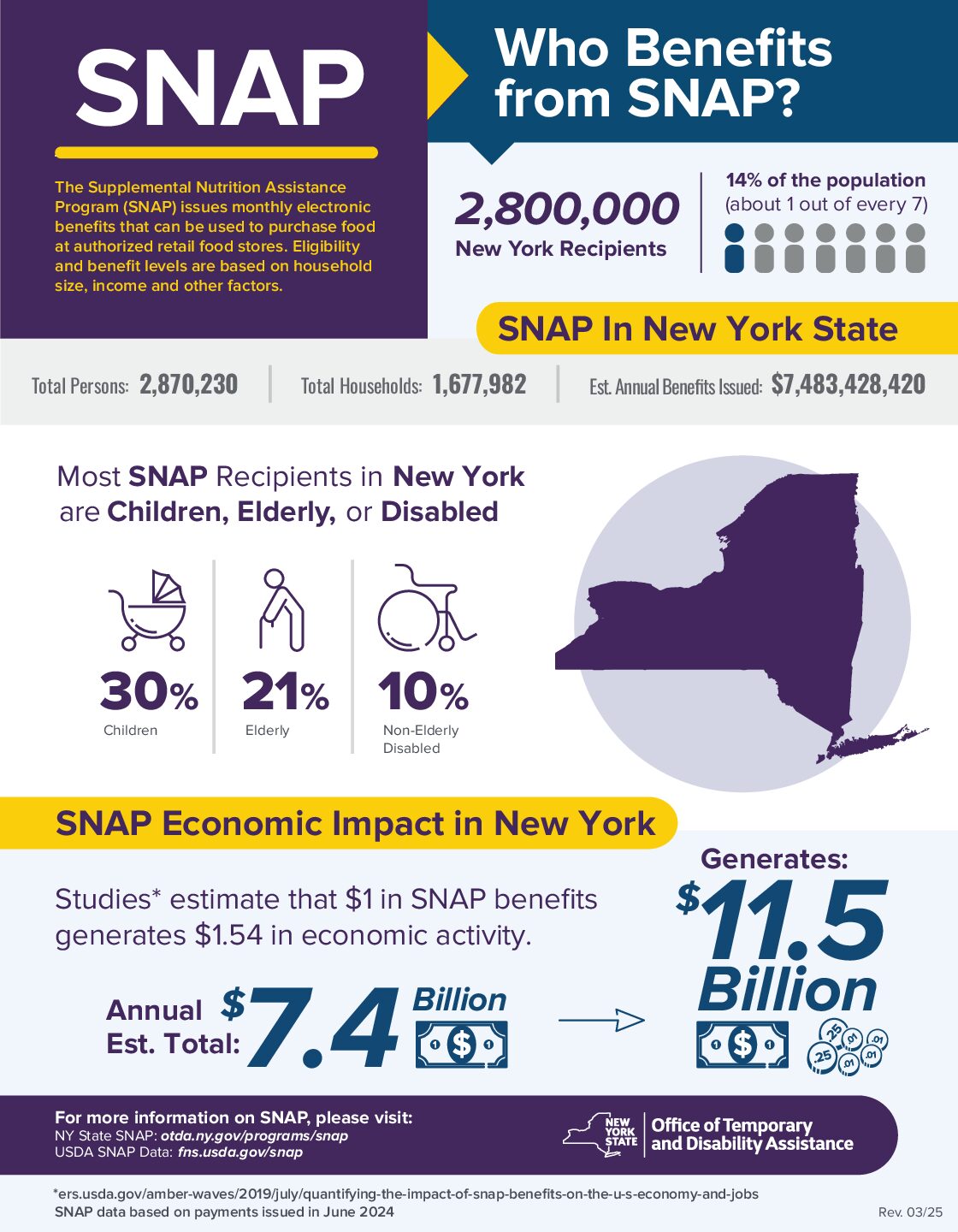
The same type of report shows that children form a much larger share of SNAP participants. Nonelderly adults also make up a large portion. This does not mean seniors have fewer food needs. It means SNAP serves a broad population with many different needs.
Senior participation is also important because older adults often live on fixed incomes. A modest change in rent, medicine costs, utilities, or food prices can quickly strain a monthly budget.
Federal data also show that many SNAP households include a senior even when the senior is not the only person in the home. In multigenerational families, benefits may help stretch food for grandparents, adult children, and grandchildren.
Why do seniors need SNAP?
Food insecurity among seniors can result from several pressures at the same time. It is rarely caused by one issue alone.
Common factors include:
• Low Social Security income
• High rent or mortgage costs
• Prescription drug expenses
• Medical bills and dental care
• Utility costs
• Transportation problems
• Limited work opportunities
• Loss of a spouse or caregiver
• Rising grocery prices
Many seniors make careful choices between food and other basic needs. One person may skip fresh produce to afford medicine. Another may eat smaller meals near the end of the month. SNAP can help fill that gap.
A useful way to understand SNAP is to picture a small bridge. Social Security, a pension, or family support may cover most expenses, but SNAP helps older adults cross the space between income and a healthy food budget.

How SNAP works for older adults
SNAP provides monthly food benefits through an Electronic Benefit Transfer card. The card works much like a debit card at approved grocery stores and other retailers.
Benefits can generally be used for:
• Fruits and vegetables
• Meat, poultry, and fish
• Dairy products
• Bread and cereals
• Seeds and plants that produce food
SNAP usually cannot be used to buy:
• Alcohol
• Tobacco
• Vitamins and medicines
• Hot foods made for immediate eating
• Nonfood items such as soap or paper products
Older adults may qualify under special rules in some situations. For example, households with an elderly person or a person with a disability may receive deductions for certain medical expenses and shelter costs.
Rules vary by state. An older adult should contact the state SNAP agency or a trusted benefits counselor for current details.

Why senior SNAP participation may be lower than expected
The answer to “What percentage of SNAP recipients are seniors?” can seem surprising because older adults face high poverty and food insecurity risks. Several barriers may keep eligible seniors from applying.
Application concerns
Some seniors find applications difficult. Forms may ask for income, housing, medical, and household information. A person with limited computer skills may struggle with an online application.
Stigma
Some older adults feel embarrassed about seeking food help. They may have worked all their lives and believe public benefits are only for other people.
There is no shame in using SNAP. The program exists to help eligible households afford food. Needing support during retirement does not erase a person’s independence or dignity.
Transportation barriers
A senior may have trouble reaching a benefits office, grocery store, or community organization. Limited transportation can make the entire process feel exhausting.
Confusing income rules
Some people assume that receiving Social Security automatically disqualifies them. That is not always true. SNAP agencies look at income, deductions, household details, and state rules.
Difficulty reporting changes
Older adults may need to report changes in rent, medical costs, or household members. Missing a notice or deadline can cause delays or a benefit reduction.
A trusted family member, caseworker, legal aid office, or senior nutrition counselor may be able to help.

The role of medical and shelter deductions
SNAP eligibility is not based only on a person’s monthly benefit income. Certain deductions can affect the calculation.
For elderly households, allowable medical expenses may include costs such as:
• Doctor visits
• Prescription medicines
• Health insurance premiums
• Dental care
• Medical equipment
• Transportation for medical care
Shelter costs may also affect the benefit calculation. These can include rent, mortgage payments, utilities, and some other housing expenses.
The rules are detailed, and states may handle documentation in different ways. Seniors should keep receipts, bills, and statements. A common mistake is failing to report eligible medical costs because the person assumes small expenses do not matter.
Even small monthly costs can add up. A $25 prescription copay, a $40 insurance premium, and regular transportation costs may create a meaningful deduction over a full year.

How much SNAP help can seniors receive?
SNAP benefit amounts depend on household size, income, deductions, and state rules. There is no single payment for every senior.
A senior living alone may receive a different amount than two seniors sharing a home. A person with rent and high medical costs may also have a different benefit than someone with lower expenses.
The monthly benefit can help pay for food, but it may not cover a complete grocery budget. Seniors often use SNAP with other resources, such as:
• Social Security
• Supplemental Security Income
• Commodity Supplemental Food Program benefits
• Congregate senior meals
• Meals delivered to the home
• Local food banks
• Farmers market nutrition programs
• Medicaid or Medicare cost assistance
SNAP is strongest when it works as part of a wider support system. Think of it as one tool in a toolbox, not the entire toolbox.
How to apply for SNAP as a senior
The application process differs by state, but the basic steps are often similar.
-
Find the state SNAP agency. Use the official state government website or call the agency directly.
-
Gather documents. These may include identification, Social Security information, income records, rent statements, utility bills, and medical expense records.
-
Submit an application. Many states accept applications online, by mail, in person, or by phone.
-
Complete the interview. A caseworker may ask about income, household members, expenses, and housing.
-
Report all qualifying costs. Include medical expenses and shelter costs when the application asks for them.
-
Read every notice. Keep copies of forms and write down important deadlines.
A senior who has difficulty applying can ask for help from a family member or authorized representative. Local Area Agencies on Aging may also connect older adults with benefits assistance.
Do not wait until food runs out. Applications and interviews can take time, although some households may qualify for expedited benefits.
A practical example
Consider Maria, a 68-year-old renter who receives Social Security. Her monthly income looks manageable until she pays rent, electricity, insurance, and prescription costs.
At first, Maria assumes she will not qualify because she receives Social Security. A community benefits counselor helps her list her medical premiums, prescription costs, rent, and utility expenses. After the agency reviews her information, Maria qualifies for SNAP.
Her story shows why estimates alone are not enough. The answer to “What percentage of SNAP recipients are seniors?” gives us a national picture, but it cannot determine whether one person qualifies.
The best practical lesson is simple: apply using complete and current information. Do not self-deny based on a guess.
Limits of the national percentage
The estimate that about 12% of SNAP recipients are seniors is useful, but it has limits.
First, national data can hide large differences among states. Some states have older populations, higher housing costs, or different outreach systems. Their senior SNAP participation may not match the national figure.
Second, federal reports often use administrative data from a specific fiscal year. They are not a live count of today’s enrollment.
Third, “recipient” may mean a person receiving SNAP, while some news stories discuss households. These terms should not be treated as interchangeable.
Finally, some eligible seniors do not apply. Therefore, the percentage of current recipients is not the same as the percentage of all seniors who face food insecurity or may qualify.
These limits do not make the data unreliable. They simply show why careful wording matters.
How communities can improve senior SNAP access
Community groups and public agencies can make enrollment easier for older adults.
Helpful strategies include:
• Offering phone and in-person application support
• Using large-print forms
• Providing interpreters and translated materials
• Working with senior centers and health clinics
• Explaining medical deductions clearly
• Helping seniors gather documents
• Using home visits when allowed
• Reducing unnecessary paperwork
Trusted messengers matter. A senior may ignore a general advertisement but listen to a doctor, pastor, librarian, neighbor, or local aging specialist.
Outreach should also protect privacy. Older adults need to know how their information will be used and where to get help safely.
Common mistakes seniors should avoid
A few simple mistakes can delay an application or reduce the benefit amount.
• Do not assume Social Security automatically disqualifies you.
• Do not leave out prescription, insurance, or medical travel costs.
• Do not confuse household members with people who buy and prepare food separately.
• Do not ignore letters from the SNAP agency.
• Do not rely on outdated income limits found online.
• Do not pay a private service before checking for free local assistance.
• Do not share your EBT card or PIN with strangers.
Benefits rules can change. Always confirm the current limits and procedures with the official state agency.
Frequently Asked Questions About What Percentage of SNAP Recipients Are Seniors
What percentage of SNAP recipients are seniors?
About 12% of SNAP participants are age 60 or older in recent national USDA data. The figure may vary by year, state, and the age used to define a senior.
What percentage of SNAP households include a senior?
About 19% of SNAP households include at least one older adult in recent federal household data. This percentage is higher than the participant share because one household may include several people but only one senior.
Does SNAP count age 60 as senior age?
Many SNAP studies classify people age 60 or older as elderly or senior participants. Some reports use age 65, so readers should check the definition before comparing percentages.
Can a senior receive SNAP while receiving Social Security?
Yes, a person can receive Social Security and still qualify for SNAP. Eligibility depends on income, household circumstances, deductions, and state rules.
Can medical expenses increase a senior’s SNAP benefit?
Allowable medical expenses may reduce countable income for an elderly household. Prescription costs, insurance premiums, medical equipment, and some transportation costs may qualify, but documentation and rules vary.
Why do fewer seniors apply for SNAP than might qualify?
Some older adults face stigma, confusing applications, transportation problems, or a lack of awareness about deductions. Others may wrongly believe that Social Security makes them ineligible.
Where can seniors get help applying for SNAP?
Seniors can contact their state SNAP agency, Area Agency on Aging, senior center, legal aid office, or community benefits counselor. These services may explain the rules and help with paperwork.
Conclusion
About 12% of SNAP recipients are seniors age 60 or older, while about 19% of SNAP households include at least one senior. The difference comes from the way researchers count people and households. Age definitions, state rules, and reporting years can also change the number.
For older adults, the most important step is not guessing eligibility. Gather income, housing, and medical records, then contact the official state SNAP office or a trusted local counselor. Share this guide with a senior, caregiver, or family member who may need help, and explore your state’s current food assistance resources today.

Michael Reynolds is a senior contributor at RetirementGazette.com, where he focuses on helping readers navigate the journey toward a secure and fulfilling retirement. With over a decade of experience in personal finance, retirement planning, and lifestyle writing, Michael combines practical strategies with easy-to-understand guidance tailored for both pre-retirees and those already enjoying their golden years.