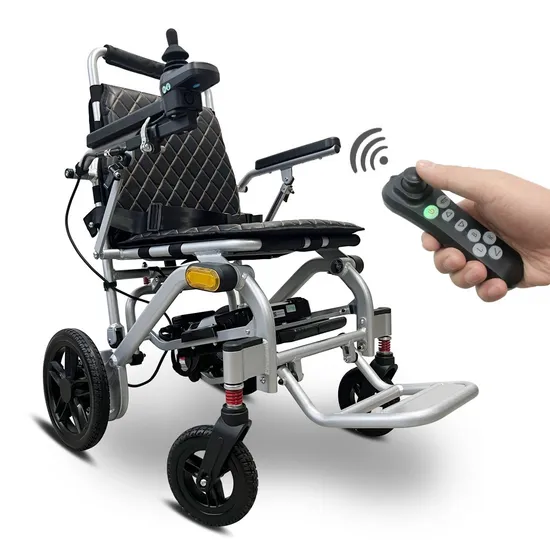
Medicaid can cover an electric wheelchair if your doctor documents medical necessity and you follow Medicaid’s approval steps.
I’ve guided many people and families through this exact process. This article explains how to get an electric wheelchair through Medicaid step by step. You’ll learn who is eligible, what documentation to gather, how the prior authorization and supplier process works, what to do if you get denied, and tips from real-world experience to speed approval. Read on to make the process clear and less stressful.

Who Medicaid will cover and what it typically pays for
Medicaid covers durable medical equipment when it is medically necessary. That includes some power wheelchairs and scooters. Each state runs its own Medicaid program. Rules vary by state, but the core idea is the same: show that walking is unsafe or impossible and that a power wheelchair will help with daily living.
Key eligibility points you should know:
- Medical necessity must be documented by your treating clinician.
- The wheelchair must match your mobility needs and safety needs.
- Prior authorization is often required before purchase.
- Some states require proof you’ve tried a manual wheelchair first, if appropriate.
How to get an electric wheelchair through Medicaid starts with confirming you meet these rules. Call your state Medicaid office to learn the local policies before starting the paperwork. This saves time and makes approvals more likely.
Step-by-step: How to get an electric wheelchair through Medicaid
Follow these clear steps to improve approval odds.
- Confirm Medicaid coverage
- Call your state Medicaid number or check the member handbook.
- Ask if power wheelchairs are covered and whether prior authorization is needed.
- See a qualified clinician
- Make an appointment with your primary doctor or a rehab specialist.
- Ask them to evaluate your mobility limits and daily needs.
- Get a thorough mobility evaluation
- A physical or occupational therapist should perform testing.
- The evaluation should show why a power wheelchair is necessary.
- Obtain a detailed prescription and justification
- The clinician must write a clear order describing model features, accessories, and medical reasons.
- Include how the wheelchair will improve safety and independence.
- Choose an approved supplier
- Use a Medicaid-enrolled supplier or vendor in your state.
- The supplier often helps submit prior authorization paperwork.
- Submit prior authorization and wait for a decision
- The supplier or clinician sends clinical notes and forms to Medicaid.
- Response times vary; follow up regularly.
- Receive, train, and maintain
- If approved, the supplier sets up delivery and training.
- Learn basic maintenance and plan for repairs.
These steps show how to get an electric wheelchair through Medicaid in a practical, repeatable way. Keep records of all forms and calls for faster follow-ups.

Documentation: What proves medical necessity
Strong documentation speeds approval. Include clear, short, and specific notes.
Essential documents:
- Physician order that lists the electric wheelchair and necessary features.
- Detailed therapy evaluation (PT/OT) describing mobility test results.
- Medical history showing conditions that limit safe ambulation.
- Notes on falls, pain, or energy limits that prevent use of a manual chair.
- Photos or videos can help when mobility is hard to capture on paper.
Tips for better documentation:
- Ask clinicians to be specific: name tasks the power chair enables.
- Use measurable terms: distances, time limits, fall counts.
- Make sure dates and signatures are present on all forms.
This documentation is the backbone of how to get an electric wheelchair through Medicaid. Clear, focused notes reduce denials and requests for more information.
Types of electric wheelchairs Medicaid may cover
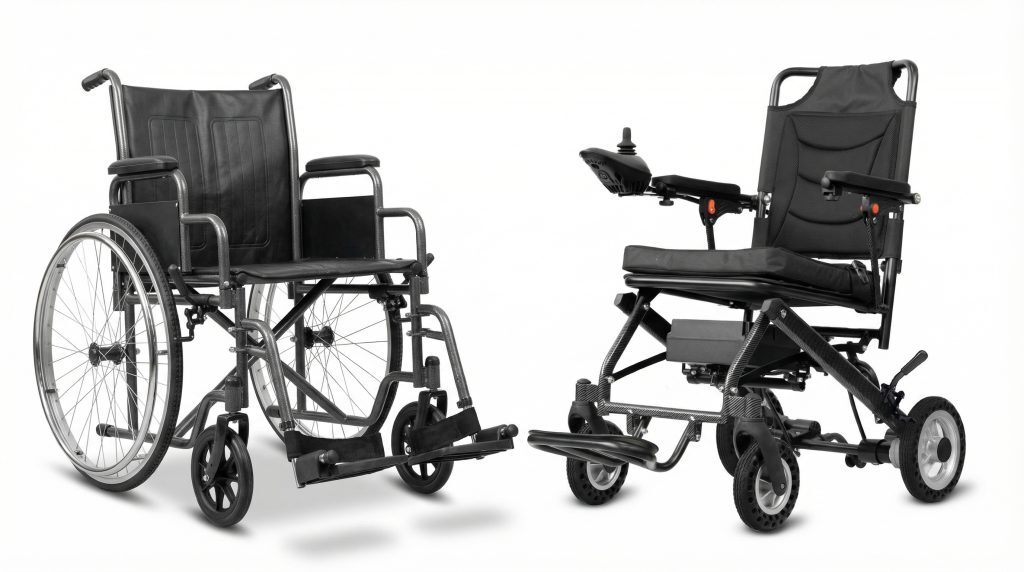
Medicaid may cover several classes of powered mobility. Know the usual categories.
Common types:
- Power scooters for limited indoor/outdoor use and some weight limits.
- Standard power wheelchairs for daily indoor and outdoor needs.
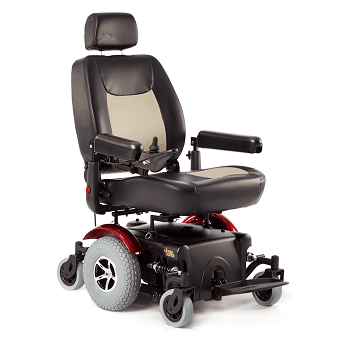
- Complex rehab power chairs with customized seating and control systems for severe disabilities.
What matters most is function, not brand. The insurer reviews whether a model’s features match the medical need. Work with a supplier who understands Medicaid rules and can recommend the right class.
Prior authorization, billing codes, and the supplier role
Prior authorization is the key administrative step. Suppliers and clinicians must use correct billing codes and forms.
What to expect:
- Prior authorization forms usually require clinical notes and HCPCS codes for the device.
- Approved suppliers file claims and handle delivery and training.
- Suppliers often help appeal denials and supply repair services.
Pick a supplier who works with Medicaid. My experience shows that vendors familiar with your state program make approvals smoother.
What to do if your request is denied
Denials are common but fixable. Stay calm and act fast.
Steps to appeal:
- Request and read the denial letter to know the reason.
- Gather missing records or clearer clinical explanations.
- Ask your clinician to write an appeal letter focused on medical necessity.
- File an appeal within the Medicaid deadline. Follow up by phone.
If appeals fail, you may request an independent review or legal help in complicated cases. Persistence pays. I’ve seen approvals after one or two well-prepared appeals.
Common pitfalls and tips from experience
From working with clients, I learned what slows approvals and how to avoid it.
Pitfalls to avoid:
- Vague or generic physician notes that don’t show need.
- Using non-Medicaid suppliers or outdated forms.
- Waiting to start the process until mobility worsens.
Practical tips:
- Start early, before mobility crises.
- Photograph home settings that show mobility barriers.
- Keep a log of falls, fatigue, or missed activities.
- Ask your supplier to explain model features in Medicaid terms.
These small steps reduce the friction in learning how to get an electric wheelchair through Medicaid.

Costs, maintenance, and long-term care considerations
Medicaid often covers purchase and some repairs. Coverage varies.
What to plan for:
- Co-pays and state cost-share rules vary by program.
- Maintenance and repairs may be covered but may require prior authorization.
- Replacement rules differ; expect documentation showing the chair is worn out or inadequate.
Keep service records from repairs and maintenance. They help for future approvals and warranty claims.

Personal story: a quick case example
A client I helped had a progressive nerve condition. The clinician wrote only “needs wheelchair.” Medicaid denied it. We re-evaluated, documented a 200-foot limit, two falls in a month, and a therapist’s mobility test. The supplier submitted a detailed package and the request was approved within three weeks. The power chair changed daily life for the client.
Lesson learned:
- Specific, measured data beats vague statements.
- Work as a team: patient, clinician, therapist, and supplier.
This is a practical example of how to get an electric wheelchair through Medicaid with better odds.
Frequently Asked Questions of How to get an electric wheelchair through Medicaid
What documents do I need to apply for a power wheelchair through Medicaid?
You need a physician order, a PT/OT mobility evaluation, medical history showing limited ambulation, and any supporting notes about falls or fatigue. The supplier often helps assemble and submit these documents.
How long does Medicaid approval usually take?
Approval times vary by state and complexity. Expect anywhere from two weeks to a few months; follow up regularly to speed the process.
Can Medicaid deny a power wheelchair if I can walk short distances?
Yes. Medicaid may require evidence that walking is unsafe or causes harm. If a manual chair is adequate, Medicaid might deny a power chair without strong justification.
Will Medicaid pay for repairs or replacement?
Many state programs cover repairs and replacements, but they often require prior authorization and documentation of need. Keep repair receipts and service notes for claims.
Do I have to use a specific supplier to get a wheelchair through Medicaid?
You must use a supplier enrolled in your state’s Medicaid program. Using an approved supplier helps ensure claims are filed correctly and can speed delivery.
Conclusion
Getting an electric wheelchair through Medicaid is a process you can manage. Follow the steps: confirm coverage, get a clear clinician and therapy evaluation, choose a Medicaid-approved supplier, submit strong documentation, and appeal if needed. Be specific about daily limits and safety risks. My practical advice: start early, collect measured evidence, and work as a team with your clinician and supplier. Take action today—call your state Medicaid office, schedule the mobility evaluation, and begin the paperwork. Leave a comment or share your experience so we can help each other succeed.

Michael Reynolds is a senior contributor at RetirementGazette.com, where he focuses on helping readers navigate the journey toward a secure and fulfilling retirement. With over a decade of experience in personal finance, retirement planning, and lifestyle writing, Michael combines practical strategies with easy-to-understand guidance tailored for both pre-retirees and those already enjoying their golden years.