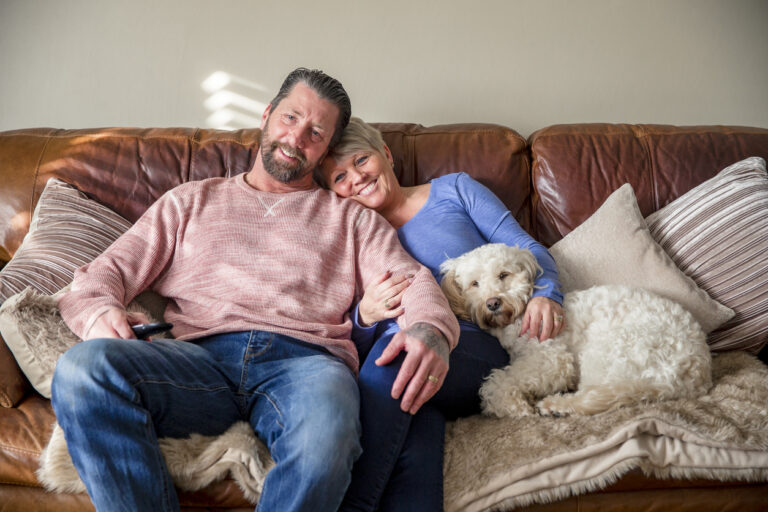
Volunteering at a nursing home brings companionship, purpose, new skills, and joy to older adults and volunteers alike.
Many people ask why volunteer at a nursing home when they have busy lives and many duties. The answer goes beyond helping with simple tasks. Nursing home volunteers can ease loneliness, build real friendships, support staff, and learn valuable lessons about aging, care, and gratitude. This guide explains the benefits, duties, safety tips, and best ways to begin.
Why Volunteer at a Nursing Home?
The main reason to volunteer at a nursing home is to improve the daily lives of older adults. Some residents have few visitors. Others may feel lonely after moving away from home, family, and familiar places.
A friendly visit can make a big difference. A short talk, card game, or shared cup of coffee may give a resident something to look forward to that day.
When people ask why volunteer at a nursing home, it helps to look at the value on both sides. Residents receive kindness and social contact. Volunteers gain purpose, life skills, and a deeper sense of community.
Common reasons include:
• Helping older adults feel seen and valued
• Reducing loneliness and social isolation
• Supporting nursing home staff
• Learning about health care and aging
• Building communication and listening skills
• Gaining service hours for school or work
• Finding a meaningful way to give back
• Creating friendships across generations
Volunteering does not require special talent. What matters most is patience, respect, and a willingness to be present.
Benefits for Nursing Home Residents
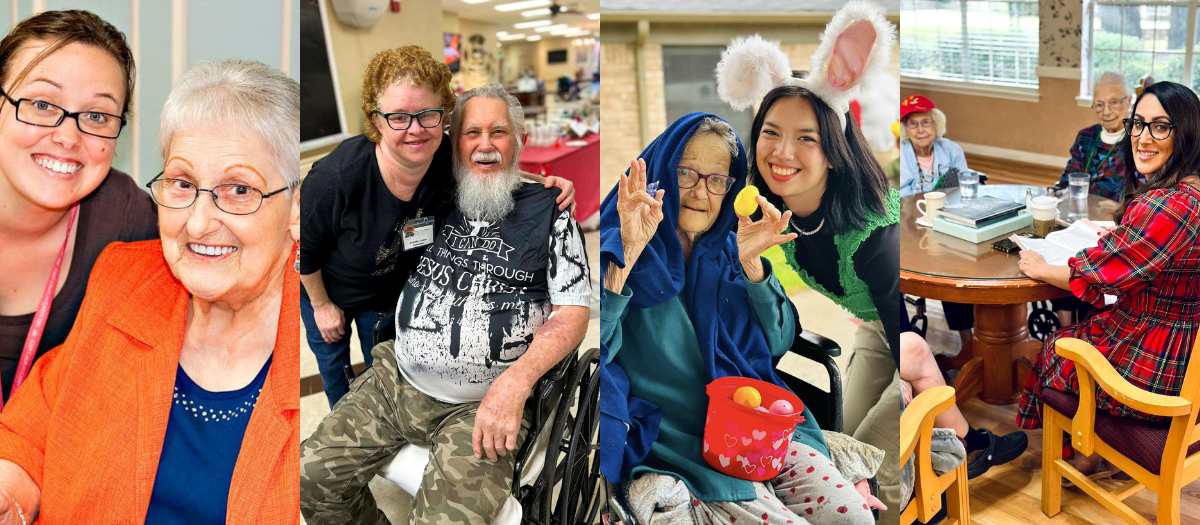
Older adults often benefit from regular social contact. A visit can support mood, confidence, and a sense of connection. It may also encourage residents to take part in activities.
Social contact does not replace medical care. Still, it can support emotional health in ways that medicine cannot always provide. A volunteer may become a familiar face in a place that once felt strange.
Companionship and emotional support
Many residents miss their homes, pets, friends, or daily routines. Some live with memory loss or health problems that limit their independence. A calm and caring visitor can help reduce feelings of fear or isolation.
You can offer support by:
• Listening without rushing
• Asking about past jobs, hobbies, or family traditions
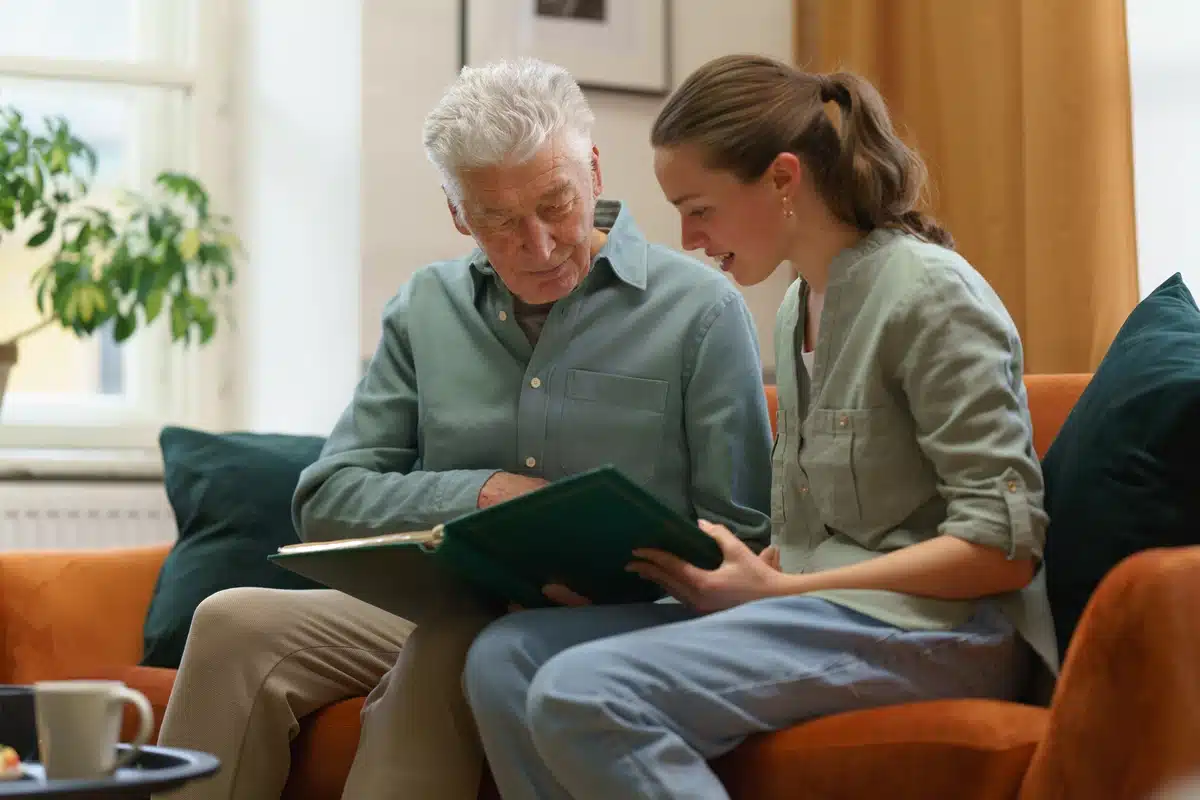
• Looking at photo albums
• Reading a book or newspaper aloud
• Sharing music from the resident’s younger years
• Celebrating birthdays and special events
The goal is not to fix every problem. Often, the greatest gift is simply listening.
Mental and social stimulation
Simple activities can help residents stay engaged. A volunteer might play cards, complete a puzzle, or discuss the news. These moments can support conversation and mental activity.
Activities should match the person’s interests and abilities. Some residents may enjoy a large-print word search. Others may prefer quiet music or a walk in the garden.
A stronger sense of dignity
Older adults deserve to make choices about their time and care. Volunteers can support dignity by asking before helping and respecting personal boundaries.
Instead of saying, “Let me do that for you,” try asking, “Would you like help with that?” This small change gives the resident control.

Benefits for Volunteers
Volunteering at a nursing home can change the volunteer, too. It offers a chance to slow down and focus on another person. In a busy world, that kind of attention is rare.
Research on social connection has linked strong relationships with better well-being. Volunteering may also support purpose and social belonging, though results can vary by person, role, and time spent volunteering.
A greater sense of purpose
Purpose grows when people feel their actions matter. A regular nursing home visit can create a healthy routine and a clear goal.
You may begin with one hour each week. Over time, that hour may become the best part of your week. A resident may remember your name, ask about your family, or wait for your next visit.
Better communication skills
Nursing home volunteering teaches you to listen with care. You may need to speak slowly, use simple words, or repeat a question.
These skills can help in school, work, family life, and other service roles. You also learn how to notice body language, facial expressions, and changes in mood.
Career experience
If you plan to work in nursing, medicine, social work, therapy, or senior care, volunteering offers useful experience. You can observe how care teams work and learn how facilities support residents.
This experience does not make someone a health care professional. However, it can help you decide if a career with older adults is a good fit.
Lessons about life
One reason why volunteer at a nursing home remains such a common search is that people want meaningful work. Many volunteers say older adults teach them patience, humor, courage, and perspective.
A resident’s story can connect history with everyday life. You may hear about wartime service, raising children, working through hard times, or building a business from scratch.

What Do Nursing Home Volunteers Do?
Volunteer duties vary by facility, resident needs, and your training. Most roles focus on companionship and activities rather than medical care.
Typical nursing home volunteer tasks include:
• Visiting and talking with residents
• Reading books, magazines, or letters
• Playing board games or cards
• Leading arts and crafts
• Helping with music or sing-alongs
• Supporting group events
• Escorting residents to approved activities
• Writing letters or making greeting cards
• Helping with gardens or outdoor spaces
• Assisting with nonclinical office tasks
Some facilities allow volunteers to help with meal events or holiday programs. Others may need help with filing, reception, or activity planning.
Never provide medical care unless you are trained, authorized, and supervised to do so. Volunteers should not give medicine, lift residents, change dressings, or offer medical advice.

How to Start Volunteering at a Nursing Home
Starting is often simple, but each facility has its own rules. A careful first step helps protect both you and the residents.
1. Choose the right facility
Look for nursing homes, skilled nursing facilities, assisted living communities, or long-term care centers in your area. Consider travel time, visiting hours, and the type of residents served.
You can search through:
• Local nursing homes
• Hospitals and health systems
• Community centers
• Faith groups
• Volunteer websites
• School service offices
• Area agencies on aging
2. Ask about volunteer needs
Call or email the volunteer coordinator. Explain your interests, schedule, and experience.
Useful questions include:
• What volunteer roles are available?
• How many hours are expected?
• Is training required?
• Are background checks needed?
• What age limits apply?
• Can volunteers visit residents one-on-one?
• What activities need support?
3. Complete the screening process
Many nursing homes require an application, interview, background check, health screening, or orientation. These steps help protect residents, especially those who may be medically fragile or unable to speak up for themselves.
Be honest about your experience and limits. It is better to ask for training than to pretend you know what to do.
4. Start with a small commitment
A steady schedule is often better than a large promise. Try one visit each week for a month.
Residents may form emotional bonds with volunteers. Regular visits build trust. If you must stop, tell the coordinator so the facility can prepare residents and staff.
How to Be a Good Nursing Home Volunteer
Good volunteers do more than show up. They bring respect, patience, and awareness to every visit.
Keep these tips in mind:
• Learn and use each resident’s preferred name
• Ask permission before touching or assisting
• Speak clearly, but do not shout
• Face the person while speaking
• Give the resident time to answer
• Avoid arguing about personal memories
• Protect private information
• Follow handwashing and infection control rules
• Wear clean, comfortable clothing
• Put your phone away during visits
• Report safety concerns to staff
People with dementia may repeat questions or tell the same story many times. Respond with patience. You do not need to correct every small detail, especially when the correction may cause distress.
If a resident becomes upset, stay calm and call a staff member. Do not handle a crisis alone.
Mistakes to Avoid When Volunteering
Learning why volunteer at a nursing home also means learning what not to do. Even kind actions can cause harm if they ignore choice, privacy, or safety.
Making promises you cannot keep
Do not promise to visit every day, bring a gift, or solve a personal problem unless you know you can follow through. Broken promises can hurt residents who already face many losses.
Treating adults like children
Use a respectful tone. Avoid baby talk, pet names, or speaking to a resident’s caregiver instead of the resident. Older adults are adults with full personal histories and rights.
Sharing private information
Do not post photos, names, health details, or personal stories online without clear permission from the facility and resident. Privacy rules may be strict.
Giving food or gifts without approval
Some residents have allergies, diabetes, swallowing problems, or dietary restrictions. Ask staff before bringing food, candy, plants, or personal items.
Doing too much
A volunteer’s role is not to replace nurses, aides, therapists, or family members. Stay within your training. Ask staff when a request involves care, money, transportation, or safety.

Challenges and Limitations of Nursing Home Volunteering
Volunteering can be rewarding, but it is not always easy. Residents may have serious illnesses, memory loss, or changing moods. Some may pass away during your time as a volunteer.
These experiences can bring sadness. It is normal to feel grief after losing a resident you cared about. Speak with the volunteer coordinator and give yourself time to process the loss.
Other challenges may include:
• Finding a schedule that fits your life
• Adjusting to medical smells or equipment
• Communicating with residents who have hearing loss
• Handling repeated questions
• Accepting that some residents do not want visitors
• Managing emotional stress
You do not need to connect deeply with every resident. A respectful visit still has value, even when the conversation is short.
Facilities also have limits. Staffing levels, infection rules, privacy policies, and resident health can affect what volunteers may do. These limits protect everyone and should be respected.

Making Your Visits More Meaningful
A thoughtful plan can help you feel more prepared. Before each visit, choose one simple goal.
For example:
-
Visit one resident for 20 minutes.
-
Ask about a favorite holiday.
-
Play one familiar song.
-
Read a short article aloud.
-
Help with a group activity.
-
Thank a staff member for their work.
Bring conversation topics that invite memories without demanding them. You might ask about favorite foods, childhood games, travel, music, pets, or local history.
Avoid questions that may feel too personal. Never pressure a resident to discuss money, family conflict, illness, or trauma.
A useful lesson from many volunteer programs is that consistency matters more than performance. You do not need to entertain everyone. Your calm presence may be enough.
Why Volunteer at a Nursing Home as a Student?
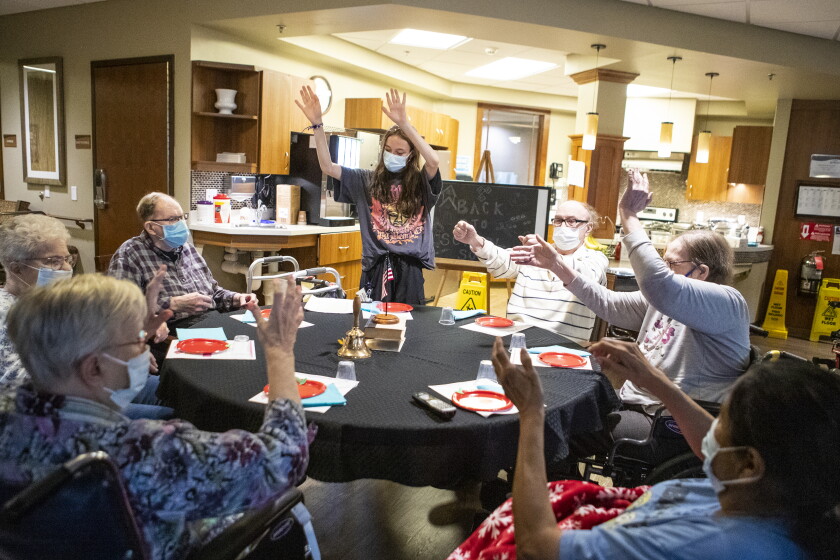
Students often choose nursing home volunteering to meet service requirements or explore health care careers. The experience can also help them build maturity and confidence.
Students may develop:
• Teamwork
• Time management
• Public speaking
• Active listening
• Compassion
• Professional behavior
• Cultural awareness
A student who wants to become a nurse may learn that technical skill is only one part of care. Respectful communication matters just as much.
Keep a simple record of dates, hours, tasks, and lessons learned. This record can support a college application, scholarship essay, résumé, or interview.
Students should follow age rules and supervision requirements. Some facilities require volunteers under 18 to have a parent, guardian, or school supervisor.

Why Volunteer at a Nursing Home for Community Service?
Nursing home volunteering is a strong form of community service because it meets a real social need. Older adults deserve connection, even when family members live far away or cannot visit often.
Community service can also connect people who might not meet in daily life. A teenager, retiree, immigrant, veteran, or college student may all become part of the same volunteer team.
The work supports a more caring community. It reminds us that aging is not separate from life. It is a stage that many of us, our parents, or our friends may experience.
When considering why volunteer at a nursing home, think about the message your time sends. It says that older adults still matter, their stories have value, and no one should feel forgotten.
Frequently Asked Questions About Why Volunteer at a Nursing Home
What is the main reason to volunteer at a nursing home?
The main reason is to provide companionship and support to older adults. Volunteers can reduce loneliness, encourage activities, and help residents feel connected.
Do I need medical training to volunteer at a nursing home?
No. Most volunteer roles involve conversation, games, reading, music, crafts, or approved events. Medical tasks must be handled by trained staff.
How often should I volunteer at a nursing home?
Many people start with one visit each week or every other week. A small, regular commitment is often more helpful than occasional visits with no set schedule.
Can teenagers volunteer at nursing homes?
Many facilities accept teen volunteers, but age limits and supervision rules vary. Teens may need written permission, an adult supervisor, or a school program.
What should I talk about with nursing home residents?
Ask about hobbies, music, pets, work, travel, food, holidays, or childhood memories. Let the resident guide the conversation and avoid pushing for private details.
Is nursing home volunteering emotionally difficult?
It can be. Residents may experience illness, confusion, or loss, and volunteers may feel sad when someone dies. Training, support from staff, and healthy boundaries can help.
Can volunteering at a nursing home help with a health care career?
Yes, it can provide useful exposure to older adult care, communication, teamwork, and facility routines. It does not replace formal education or clinical training.
Conclusion
Volunteering at a nursing home offers a simple way to bring comfort, friendship, and dignity to older adults. It can also give volunteers purpose, stronger communication skills, career insight, and a clearer sense of community.
The best volunteer is not the person with the most free time. It is the person who listens, respects boundaries, follows safety rules, and returns with care. Start by contacting a local facility and asking about its volunteer program, training, and current needs.
Choose one small step this week. Your time may become a bright part of someone else’s day.

Michael Reynolds is a senior contributor at RetirementGazette.com, where he focuses on helping readers navigate the journey toward a secure and fulfilling retirement. With over a decade of experience in personal finance, retirement planning, and lifestyle writing, Michael combines practical strategies with easy-to-understand guidance tailored for both pre-retirees and those already enjoying their golden years.