SNAP, senior meal programs, food banks, and nutrition benefits help older adults afford healthy food.
Knowing what food assistance programs are available for seniors can make a real difference when food costs rise or cooking becomes harder. This guide explains the main federal, state, and local options, how eligibility works, what each program provides, and how to apply without feeling overwhelmed.
What food assistance programs are available for seniors?
Several programs can help older adults buy groceries, receive prepared meals, or get nutritious food at home. The best option depends on income, age, location, health, mobility, and household size.
The main programs include:
• Supplemental Nutrition Assistance Program, or SNAP
• Commodity Supplemental Food Program, or CSFP
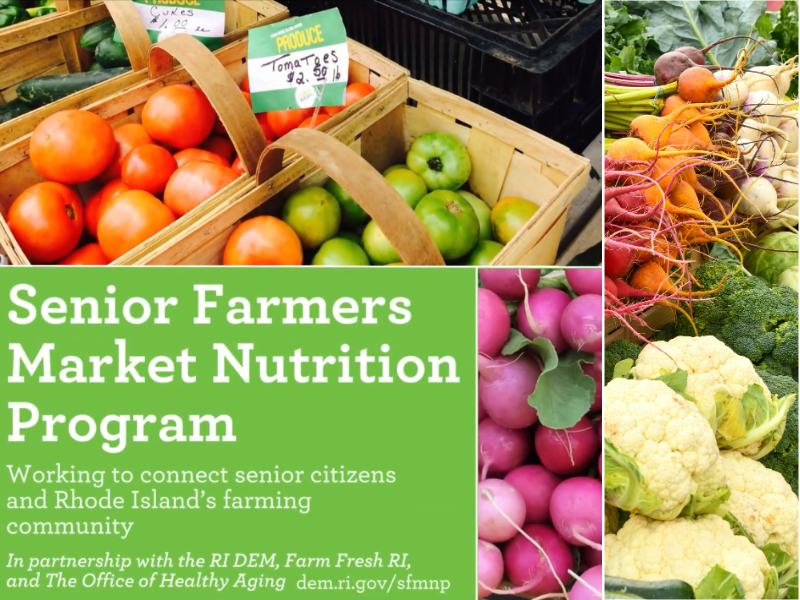
• Senior Farmers’ Market Nutrition Program, or SFMNP
• Congregate meals at senior centers
• Home-delivered meals, often called Meals on Wheels
• Food banks, food pantries, and community meal sites
• Tribal food assistance programs
• State and local produce, grocery, or medically tailored meal programs
Some programs provide monthly grocery funds. Others offer boxes of food, fresh produce, or ready-to-eat meals. Many seniors can use more than one program if they meet each program’s rules.

Supplemental Nutrition Assistance Program, or SNAP
SNAP is one of the most important answers to the question, what food assistance programs are available for seniors? It gives eligible households monthly funds on an Electronic Benefit Transfer card, often called an EBT card.
SNAP benefits can usually pay for:
• Fruits and vegetables
• Meat, poultry, and fish
• Milk, cheese, and other dairy foods
• Bread, cereal, and other basic foods
• Seeds and plants that grow food
SNAP does not usually pay for hot meals, alcohol, vitamins, medicine, or household supplies. Some states have special restaurant meal programs for certain older adults, people with disabilities, or people without stable housing.
How SNAP eligibility works
SNAP rules vary by state. In general, the agency reviews income, household size, assets in some cases, housing costs, medical costs, and other expenses.
Older adults may receive special treatment under SNAP rules. A household is often considered elderly when at least one member is age 60 or older. An older adult who has a disability may also qualify under special rules.
Allowable medical costs can be important. Depending on state rules, unreimbursed medical expenses may include:
• Prescription drugs
• Doctor and dental visits
• Health insurance premiums
• Medical equipment
• Transportation for medical care
• In-home care costs
A common mistake is not reporting medical or housing expenses. These costs may affect the benefit amount, so applicants should ask the SNAP office which expenses can be counted.
How to apply for SNAP
You can apply through your state’s SNAP agency. Many states offer online applications, phone applications, mail-in forms, or in-person appointments.
Prepare documents such as:
• Proof of identity
• Proof of address
• Income statements
• Bank or financial information, if requested
• Rent or mortgage records
• Utility bills
• Medical expense records
• Immigration documents, when relevant
You do not need to wait until you have every document before asking for help. The agency can explain what is required and whether expedited benefits may be available.

Commodity Supplemental Food Program, or CSFP
The Commodity Supplemental Food Program provides monthly food packages to eligible adults age 60 and older in participating areas. It is sometimes called the Senior Food Box program.
A CSFP package may contain foods such as:
• Canned vegetables and fruit
• Beans, rice, pasta, or cereal
• Peanut butter
• Shelf-stable milk
• Canned meat or fish
• Cheese
• Juice
The exact package changes by location and supply. CSFP is not offered in every county, and local agencies manage enrollment and distribution.
Income limits apply. Some programs also give priority to people with very low incomes, limited food access, or special needs. A senior may receive CSFP and SNAP at the same time because the programs work in different ways.
To apply, contact the state agriculture agency, local food bank, senior center, or community action agency. Ask specifically about the “senior food box” or CSFP enrollment.

Senior Farmers’ Market Nutrition Program
The Senior Farmers’ Market Nutrition Program helps eligible older adults buy fresh, locally grown food. Benefits may come as coupons, paper checks, or electronic benefits, depending on the state.
Approved foods may include:
• Fresh fruits
• Fresh vegetables
• Herbs
• Honey
• Plants or seeds for growing food
The program often runs during the warmer months. Benefits may be used at approved farmers’ markets, roadside stands, community-supported agriculture sites, or local farms.
SFMNP income limits and benefit amounts differ by state. Enrollment may open once a year, and funds may be limited. Applying early is wise.
This program can be especially useful for seniors who want more fresh food but find grocery prices difficult. It also connects people with local growers and community events.
Congregate senior meals
Congregate meal programs provide free or low-cost meals at places such as senior centers, churches, libraries, and community buildings. Meals are often served at lunchtime on set days.
These programs support more than nutrition. They can also reduce loneliness and give older adults a safe place to meet friends. Social connection is an important part of healthy aging.
Meals may include:
• A main dish with protein
• Vegetables or fruit
• Milk or another beverage
• Whole grains or another side
• Nutrition information
Most programs serve adults age 60 and older, along with spouses or eligible caregivers in some cases. Donations are often welcome, but an older adult may not be turned away because of an inability to pay.
Contact the local Area Agency on Aging to find meal sites and schedules. Reservations may be needed, especially when meals are prepared in limited quantities.

Home-delivered meals and Meals on Wheels
Home-delivered meals help seniors who cannot shop or cook easily. They may be available to people who are homebound, recovering from an illness, living alone, or dealing with a disability.
Meals may arrive daily or several times each week. Some programs deliver frozen meals, while others bring hot meals. A delivery can also provide a brief safety check and friendly human contact.
Eligibility often considers:
• Age
• Mobility
• Ability to prepare food
• Health needs
• Living situation
• Income or ability to contribute
Many programs offer regular meals, special diets, or frozen meals for weekends. Availability differs by county, and waiting lists are possible.
A practical tip is to apply before a crisis. Waiting until there is no food at home can make the process harder. A doctor, hospital social worker, senior center, or Area Agency on Aging can often help with a referral.

Food banks, food pantries, and community meals
Local food banks and food pantries are another important answer to what food assistance programs are available for seniors. They may provide grocery boxes, fresh produce, dairy products, canned foods, bread, or frozen meat.
Some food pantries have senior-only distribution days. Others offer drive-through pickup, home delivery, or mobile pantry services.
Before visiting, call and ask:
• Do I need an appointment?
• What identification is required?
• Is proof of income needed?
• Can someone pick up food for me?
• Are delivery services available?
• Do you offer foods for diabetes, low sodium diets, or allergies?
Food banks often partner with churches, schools, clinics, and nonprofit groups. A local 211 information line can help identify nearby food resources.
Food pantry supplies change from week to week. Think of a pantry as one part of a food plan, not a guaranteed grocery store. Combining pantry support with SNAP or a senior meal program may provide more steady help.
Tribal food assistance programs
Some Native American and Alaska Native elders may qualify for food assistance through tribal programs. The Food Distribution Program on Indian Reservations provides USDA foods to eligible households living on or near reservations.
Tribal agencies may also offer:
• Grocery distributions
• Senior meal sites
• Home-delivered meals
• Traditional foods
• Nutrition education
• Transportation to food events
Rules and services vary by tribe and service area. Contact the tribal office, tribal health department, or local distribution agency for accurate information.
These programs can be especially valuable when transportation is limited or grocery stores are far away. They may also provide foods that fit local culture and community needs.
State and local food assistance options
Federal programs are only part of the answer to what food assistance programs are available for seniors. States, counties, cities, hospitals, and nonprofits may offer extra help.
Examples include:
• Produce prescription programs
• Grocery delivery for older adults
• Emergency food vouchers
• Medically tailored meals
• Senior farmers’ market benefits
• Utility and food support referrals
• Community garden programs
• Discount grocery programs
• Nutrition programs for people with specific health needs
Some health plans, including certain Medicare Advantage plans, may offer meal delivery or grocery support after a hospital stay. These benefits are not part of Original Medicare in the same way, and rules vary by plan.
Call the member services number on the insurance card. Ask whether the plan offers post-discharge meals, healthy food benefits, transportation, or a care coordinator.
How to choose the right food program
The right program depends on the type of help needed. A person who can shop but cannot afford groceries may benefit most from SNAP. Someone who cannot cook may need home-delivered meals.
Use this simple guide:
• Need help buying groceries: Apply for SNAP.
• Need a monthly box of basic food: Ask about CSFP.
• Want fresh produce from local farms: Check SFMNP.
• Want meals and social contact: Find a congregate meal site.
• Cannot leave home or cook: Request home-delivered meals.
• Need food right away: Contact a food pantry or 211.
• Live on or near tribal lands: Contact the tribal food distribution office.
• Have a medical diet: Ask about medically tailored meals or produce programs.
You do not have to choose only one. Eligible seniors may combine programs to cover different needs.
How to apply without common delays
Applying for benefits can feel like walking through a maze. A few simple steps can make the path clearer.
-
Write down your monthly income and regular expenses.
-
Gather identification, proof of address, benefit letters, rent records, utility bills, and medical receipts.
-
Contact the state SNAP office and the local Area Agency on Aging.
-
Ask about every program, not just SNAP.
-
Submit the application as soon as possible.
-
Keep copies of forms, receipts, and agency letters.
-
Mark interview dates and renewal deadlines on a calendar.
-
Ask for an interpreter or disability accommodation if needed.
Many seniors make the mistake of assuming they will not qualify because they own a home or receive Social Security. SNAP eligibility is based on several factors, and home ownership does not automatically prevent eligibility.
Another mistake is missing a renewal notice. Benefits can stop when paperwork is late, even if the person still qualifies. If a letter is confusing, call the number on the notice or ask a trusted caseworker for help.
How Social Security and other income affect food benefits
Social Security, Supplemental Security Income, pensions, veterans benefits, and retirement withdrawals may count as income for food assistance programs. However, income is only one part of the review.
Certain deductions may reduce countable income. These can include shelter costs, utility expenses, dependent care, and qualifying medical costs. Rules differ by program and state.
A person should not reject help based on a quick estimate. The agency makes the official decision after reviewing the full household situation.
Benefits may also change after a move, marriage, death of a household member, rent increase, or change in medical expenses. Report major changes as required by the program.
Nutrition tips when food money is tight
Food assistance is most useful when it supports balanced meals. Low-cost foods can still provide protein, fiber, vitamins, and energy.
Helpful choices include:
• Oats, brown rice, and whole-grain pasta
• Dried or canned beans
• Eggs and canned fish
• Frozen vegetables
• Fresh produce in season
• Low-fat milk or fortified alternatives
• Peanut butter
• Canned tomatoes with low sodium
• Plain yogurt
• Chicken purchased in larger packages and frozen
Check labels when possible. Choose canned foods marked “low sodium,” and rinse canned beans to remove some added salt.
A small meal plan can reduce waste. For example, a cooked chicken can become dinner, soup, and sandwiches. Frozen vegetables can stretch meals without spoiling quickly.
People with diabetes, kidney disease, heart disease, or swallowing problems should follow advice from a health professional. A food pantry or meal program may be able to provide suitable options when asked.
What to do if an application is denied
A denial does not always mean the decision is final. Read the notice carefully. It should explain the reason and provide information about appeal rights.
You may request a fair hearing if you believe the agency made a mistake. Keep copies of pay records, medical bills, rent receipts, and other documents that support your case.
A legal aid office, senior advocacy group, or benefits counselor may help. The local Area Agency on Aging can often connect you with free guidance.
Ask whether the denial resulted from missing paperwork rather than ineligibility. Sometimes submitting one overlooked document can resolve the issue.
How caregivers can help
Caregivers can make applications easier without taking away a senior’s independence. Start by asking what kind of help the person wants.
A caregiver may help by:
• Making phone calls
• Organizing documents
• Driving to an appointment
• Arranging food delivery
• Helping compare meal programs
• Setting renewal reminders
• Joining an agency interview with permission
Agencies may require written authorization before sharing private information. The older adult should remain involved in decisions whenever possible.
Watch for signs of food insecurity, such as skipping meals, losing weight, stretching medication because of food costs, or relying only on tea and toast. These signs deserve prompt attention from a doctor, social worker, or local aging agency.
Frequently Asked Questions About What Food Assistance Programs Are Available for Seniors
Can seniors receive SNAP and Social Security at the same time?
Yes. Social Security usually counts as income, but receiving it does not automatically prevent SNAP eligibility. The agency reviews income, expenses, household details, and applicable deductions.
What food assistance programs are available for seniors who cannot cook?
Home-delivered meals, Meals on Wheels, frozen meal services, and some medically tailored meal programs may help. Contact the Area Agency on Aging or dial 211 to ask about local availability.
Can a senior receive SNAP and a senior food box?
Often, yes. SNAP and CSFP have different eligibility rules and benefits, so qualifying for one does not always exclude a person from the other.
Are food assistance programs free for older adults?
Many programs are free or ask for a voluntary donation. SNAP uses household benefits to buy approved foods, while meal sites and food pantries may provide food without charging a required fee.
What food assistance programs are available for seniors with limited transportation?
Home-delivered meals, mobile food pantries, grocery delivery services, and some senior transportation programs may help. A local aging agency can explain which services reach the person’s address.
Do seniors who own a home qualify for food assistance?
Home ownership does not automatically disqualify someone from SNAP or other food programs. Eligibility depends on the program’s full rules, including income, expenses, household size, and countable resources.
How can a senior find local food assistance quickly?
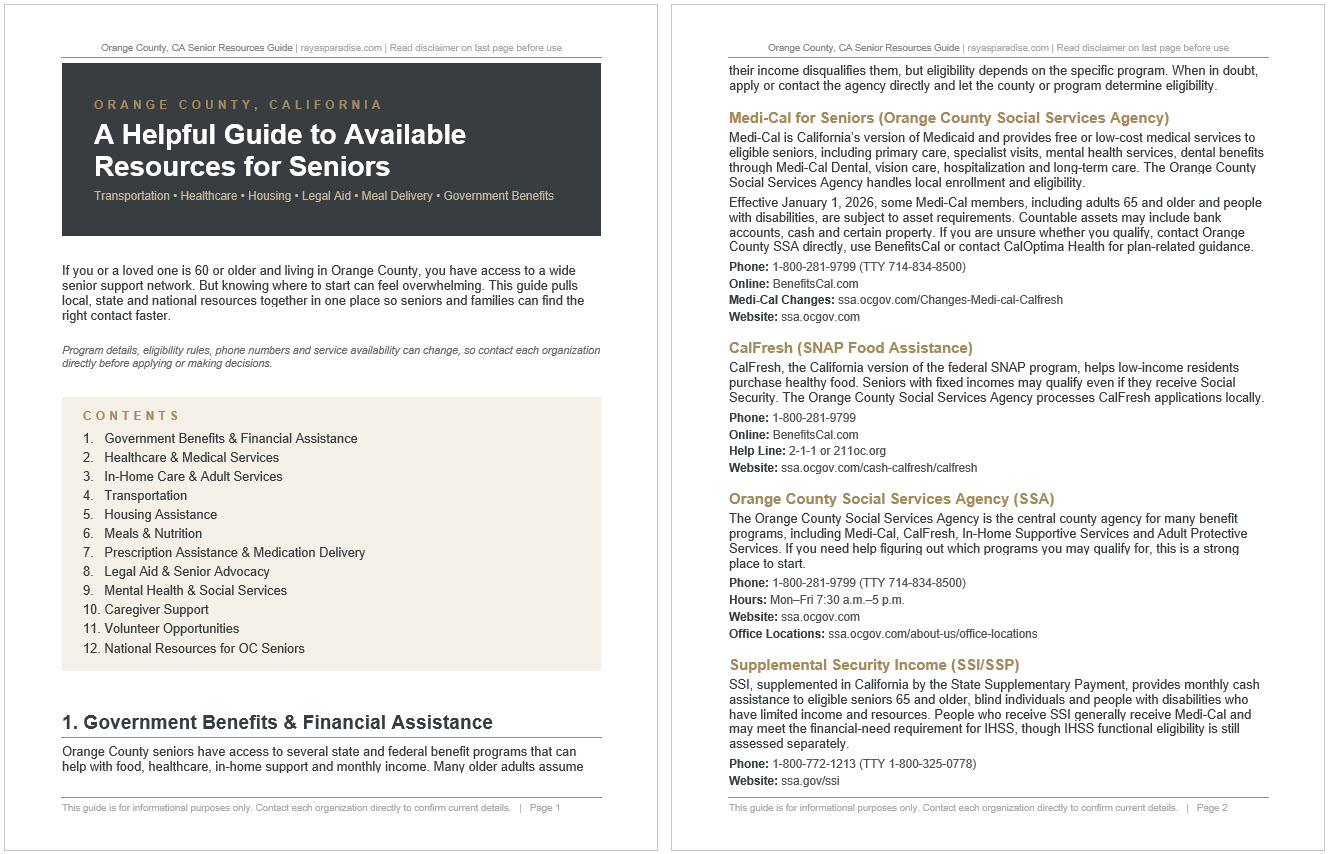
Call 211, contact the local Area Agency on Aging, or ask a senior center, food bank, clinic, or hospital social worker. These organizations often know about several programs, including emergency food services.
Conclusion
Understanding what food assistance programs are available for seniors can turn a stressful problem into a clear action plan. SNAP can help with groceries, CSFP can provide a monthly food package, farmers’ market programs can add fresh produce, and meal services can support seniors who cannot shop or cook.
Start by contacting your state SNAP office and local Area Agency on Aging. Ask about more than one program, keep your documents together, and request help if an application feels confusing. Explore these resources today, and share your experience or questions with a trusted community organization.

Michael Reynolds is a senior contributor at RetirementGazette.com, where he focuses on helping readers navigate the journey toward a secure and fulfilling retirement. With over a decade of experience in personal finance, retirement planning, and lifestyle writing, Michael combines practical strategies with easy-to-understand guidance tailored for both pre-retirees and those already enjoying their golden years.