Helping an older adult use the bathroom safely starts with reducing fall risks, protecting privacy, and using the least amount of physical help needed. In a U.S. home, caregivers should first check the person’s balance, strength, vision, memory, and medical needs. Then make the path clear, add stable support, use the right mobility aid, and learn safe transfer methods from a trained professional.
A bathroom can be one of the most dangerous rooms in a home. Wet floors, low toilets, poor lighting, tight spaces, and rushed movement can all lead to falls. Good planning can help an older adult stay independent while also reducing injury risk for the caregiver.
This guide explains how to help an elderly person with toileting, bathing, transfers, hygiene, and bathroom setup. It also explains when home changes are not enough and professional help is needed.
Start With a Safety and Care Assessment
Begin by watching how the person moves to and from the bathroom. Do not wait for a fall before making changes. A short assessment can show whether the person needs better equipment, a new care routine, or medical review.
Check these areas:
- Can they walk to the bathroom without losing balance?
- Do they use a cane, walker, or wheelchair?
- Can they sit down and stand up from the toilet?
- Can they turn around in a small space?
- Can they follow spoken instructions?
- Can they tell you when they need to use the bathroom?
- Can they manage clothing, toilet paper, and hygiene?
- Do they become dizzy when standing?
- Do they have pain, weakness, tremors, or numbness?
- Can they see the floor, toilet, and grab bars clearly?
A sudden change in bathroom ability may signal a health problem. New confusion, weakness, falls, fainting, pain when urinating, blood in the urine, fever, or loss of bladder control should be discussed with a health care professional.
Ask permission before helping
Treat bathroom care as personal care. Explain what you plan to do and ask permission before touching the person.
Use clear, calm phrases such as:
- “Would you like help walking to the bathroom?”
- “May I steady your arm?”
- “Do you want me to wait outside while you use the toilet?”
- “Tell me when you are ready to stand.”
Give the person time to respond. Rushing can increase fear and make a loss of balance more likely.
Protect privacy
Close the door or curtain when possible. Keep a robe, towel, or clean clothing nearby. If the person can complete part of the task alone, let them do it. Independence can support confidence and dignity.
Do not assume that a person who needs help walking also needs help with every bathroom task. Reassess the level of help as strength and health change.
Make the Bathroom Safer Before Providing Hands-On Help
The safest caregiver is not a substitute for a safe room. Fix the environment first. This lowers the need for lifting, catching, or pulling.
Clear the route
Create a direct path from the bed or chair to the bathroom.
Remove or secure:
- Loose rugs and bath mats
- Electrical cords
- Laundry baskets
- Small stools
- Low furniture
– Clutter near the toilet - Cleaning products left on the floor
- Pet bowls and toys
A night-light can help the person find the bathroom without turning on bright lights. Use lights that clearly show the floor and toilet. Motion-sensor lights may help, but they should not be the only light source.
Improve the floor
Wet floors are a common fall hazard. Wipe up water at once. Choose flooring with a stable, slip-resistant surface. Avoid loose mats unless they are firmly secured and do not create a raised edge.
Do not apply household wax or polish to bathroom floors. These products may make the surface more slippery.
Add stable support
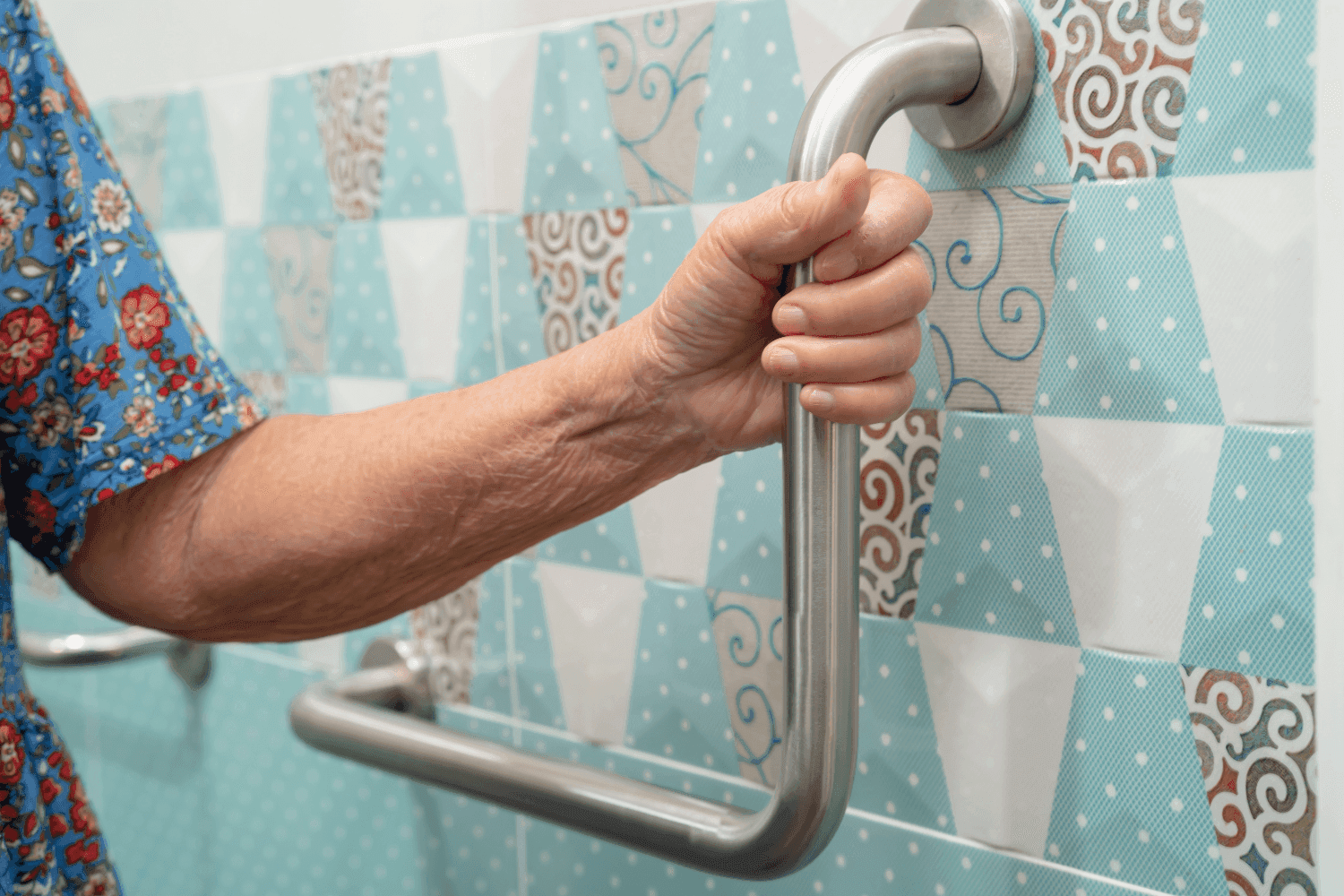
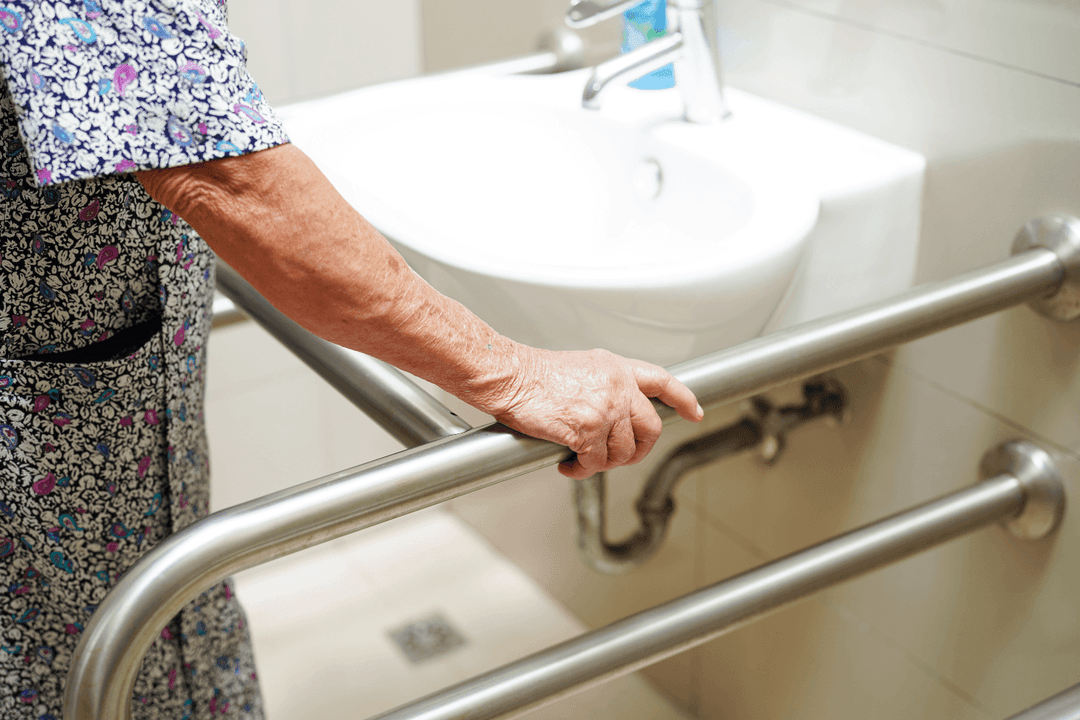
Grab bars that are mounted into the wall structure can help with balance and transfers. A towel bar, shower door, sink, or movable furniture is not a safe substitute. These items may pull away or tip when a person places body weight on them.
A licensed contractor or occupational therapist can help choose the best location. The correct position depends on the person’s height, strength, transfer method, and bathroom layout.
Useful support points may include:
- A horizontal grab bar near the toilet
- A vertical or horizontal grab bar near the shower entrance
- A grab bar inside the shower
- A stable handhold near the sink
- A raised toilet seat with secure attachment
- A shower chair or transfer bench
Improve toilet access
A low toilet can make standing hard. Options may include:
- A raised toilet seat
- A toilet safety frame
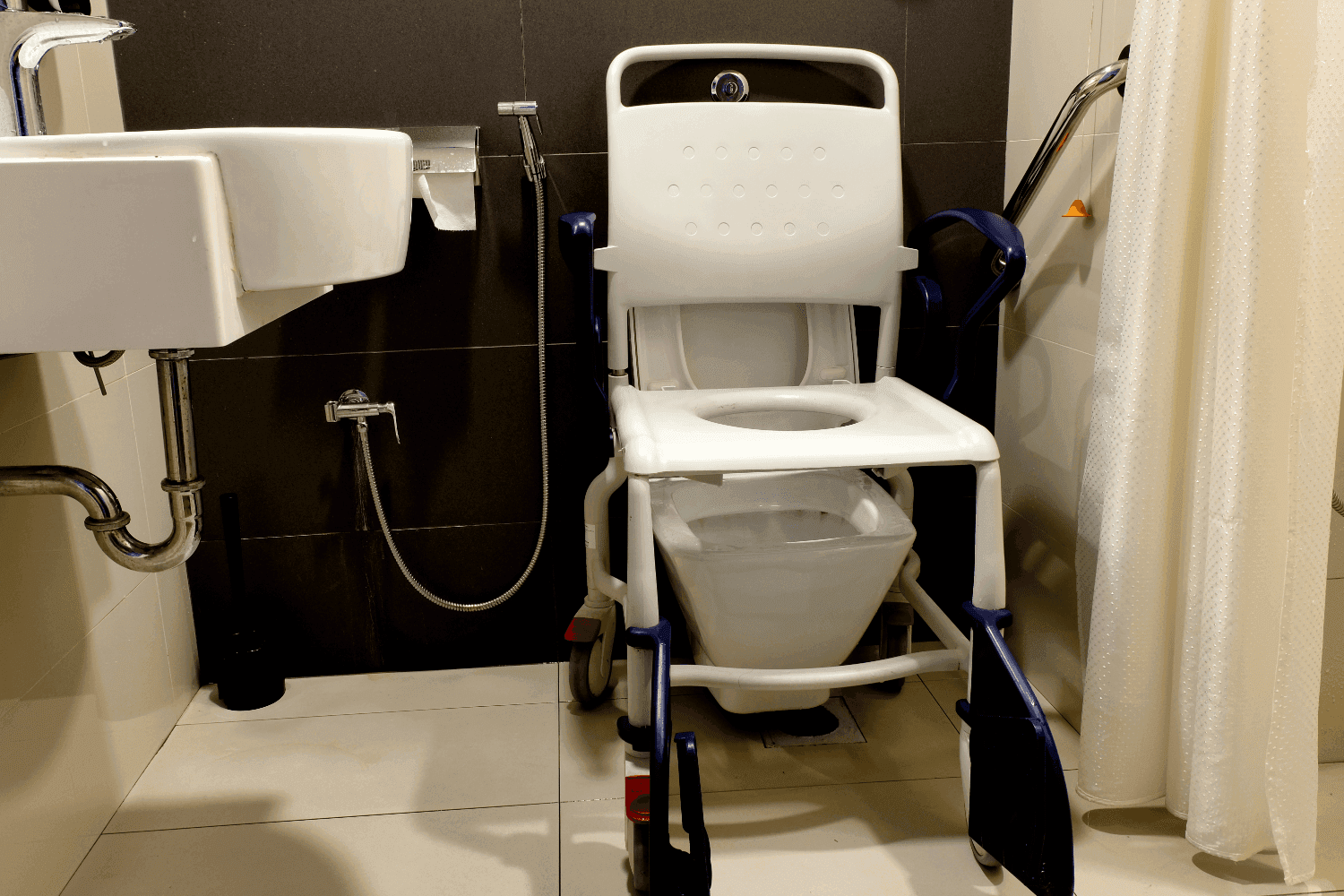
- A bedside commode
- A higher toilet
- A grab bar beside the toilet
A raised toilet seat should fit the toilet securely. Some models have side arms, but the arms must not block a walker or make the transfer harder.
A bedside commode may help a person who cannot reach the bathroom safely at night. It needs regular cleaning and a clear plan for emptying it.
Keep needed items within reach
Place toilet paper, soap, towels, wipes, clothing, and personal care items where the person can reach them without twisting or standing on one foot.
Avoid step stools. If a shelf is too high, move the item rather than asking the person to climb.

Help an Older Adult Walk to the Bathroom
Walking assistance should support balance without pulling the person off center. The caregiver should not act as a human crutch unless trained to do so.
Use the correct mobility aid
A walker or cane must be the right height and in good repair. The person should use the device as instructed by a physical therapist or other qualified clinician.
Before walking:
- Make sure the person is fully awake.
- Have them sit at the edge of the bed or chair.
- Ask them to pause before standing.
- Check for dizziness or lightheadedness.
- Put on non-slip footwear.
- Move the walker or cane into position.
- Clear the path.
If the person feels dizzy, weak, or faint, have them sit down at once. Do not continue walking to the bathroom.
Walk on the weaker side
If one side is weaker, the caregiver often walks slightly behind and to that side. This position may provide support without blocking the person’s steps. The exact method depends on the person’s condition and should be taught by a physical therapist or occupational therapist.
Never pull the person by one arm. Pulling can cause shoulder injury or make the person lose balance.
Use a gait belt only when trained
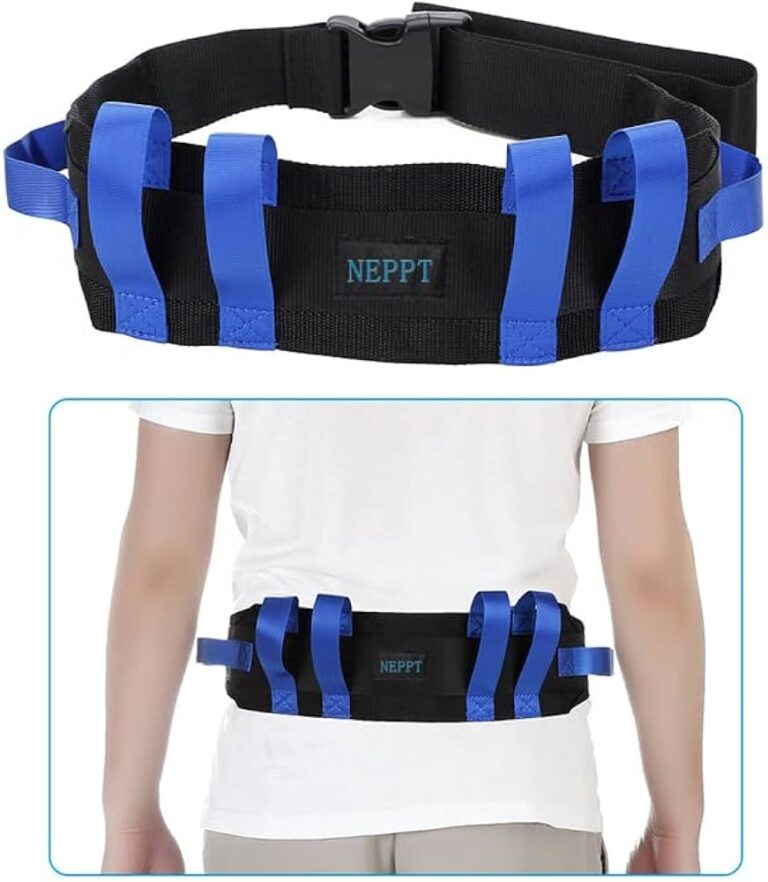
A gait belt, also called a transfer belt, can give a caregiver a secure handhold during walking or transfers. It does not lift the person. It should fit around the person’s waist and be used over clothing, not on bare skin.
A gait belt may be unsafe for some people, including those with certain abdominal wounds, feeding tubes, severe pain, fragile skin, or recent surgery. Ask a physical therapist or nurse to demonstrate its use.
If the person cannot bear weight, cannot follow instructions, or requires lifting, one caregiver may not be enough. Use trained assistance or a mechanical lift when prescribed.

Help With a Toilet Transfer
A toilet transfer is the movement from a walker, wheelchair, or standing position onto the toilet and back up. The goal is to prevent a fall while allowing the older adult to do as much as possible.
Before the transfer
Prepare the room:
- Lock wheelchair brakes.
- Move footrests out of the way.
- Raise the toilet lid.
- Make sure the floor is dry.
- Place the walker in front of the person.
- Check that grab bars and toilet equipment are secure.
- Give the person enough space to turn.
- Make sure clothing can be lowered without rushing.
If the person wears pants or underwear, loosen them only when they are stable and ready to sit. Clothing should not be dropped around the ankles during walking.
Basic stand-to-sit sequence
Only use this sequence if the person can bear weight, follow directions, and move with reasonable control.
- Ask the person to move close to the toilet.
- Have them turn until the backs of their legs touch the toilet.
- Ask them to reach back for the armrests or grab bars.
- Tell them to bend at the hips and knees.
- Encourage a slow, controlled sit.
- Do not let them pull on the walker unless a therapist has specifically instructed this method.
For the return to standing, have the person place their hands on the armrests or a stable support. They should lean forward, push through their legs, and stand before reaching for the walker.
Do not lift under the arms
Lifting beneath the arms can injure the shoulders and may cause the caregiver to lose balance. Do not jerk, twist, or pull the person upward.
If the person starts to fall, do not try to stop the entire body with your back. Guide them toward the floor if you can do so safely, protect the head, and call for help. Seek medical care after a fall when there is pain, a head impact, bleeding, loss of consciousness, new confusion, or trouble moving.

Help With Bathing and Showering
Bathing needs more planning than a quick toilet transfer because water, soap, heat, and fatigue can all affect balance.
Choose the safest bathing method
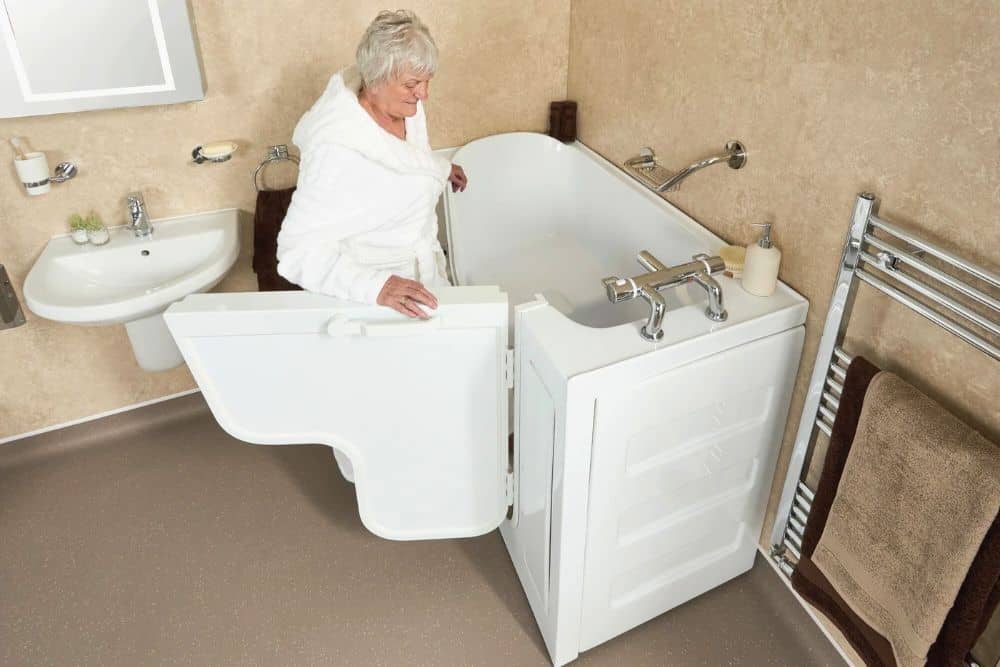
A shower chair may be suitable for someone who can step into the shower and sit down. A transfer bench may be better for someone who cannot safely step over the tub wall. A handheld showerhead can reduce reaching and twisting.
A person who cannot sit upright, follow instructions, or transfer safely may need a higher level of care. Do not place someone in a shower chair simply because it is available.
Set up the shower
Before the person enters:
- Test the water temperature.
- Place soap and shampoo within reach.
- Secure the shower chair.
- Clear the floor.
- Turn on adequate lighting.
- Keep towels close by.
- Make sure the handheld showerhead reaches the chair.
- Set the water to a comfortable temperature.
Older adults may have reduced heat sensation. Test the water with the inside of your wrist or use a properly set anti-scald device. Avoid very hot water, which can burn skin and worsen dizziness.
Provide help without overreaching
Encourage the person to sit while washing if standing is unsafe. Help with areas they cannot reach, such as the back, lower legs, and feet. Never leave a person alone in the shower if they have a high fall risk, fainting history, severe weakness, or confusion.
Keep the bathroom warm, but avoid excessive heat and steam. Fatigue can make balance worse near the end of a bath. Plan bathing for a time when the person is alert and rested.
Drying matters
Dry the floor and the person’s feet before standing. Damp feet can slide on tile. Use a towel within reach and encourage the person to pause after standing.

Help With Toileting, Incontinence, and Hygiene
Toileting care should be calm, regular, and matter-of-fact. Embarrassment can cause an older adult to delay asking for help, which may lead to rushing or accidents.
Create a regular routine
A scheduled bathroom routine may help someone with memory problems or urgency. Common times include:
- After waking
- Before meals
- Before leaving home
- Before bedtime
- At regular intervals recommended by a clinician
The right schedule depends on fluid intake, medicines, bladder function, and health. Do not force a person to use the toilet when they do not need to go.
Make clothing easier to manage
Choose clothing that is easy to pull down and up, such as:
- Elastic waist pants
- Loose-fitting clothing
- Velcro fasteners
- Front-opening garments
- Adaptive underwear
Avoid belts, complex buttons, and tight clothing if they slow the person down.
Support skin care
Clean and dry the skin after accidents. Pat rather than rub fragile skin. If the person has frequent leakage, ask a clinician about a barrier product and an evaluation for the cause.
Seek medical advice for:
- New or worsening incontinence
- Burning or pain during urination
- Blood in the urine
- Fever or chills
- New confusion
- Strong back or side pain
- Skin that is broken, bleeding, or infected
Do not assume that incontinence is a normal part of aging. It can have treatable causes, including infection, constipation, medication effects, limited mobility, or bladder conditions.
Use protective products correctly
Adult briefs, pads, and washable undergarments can help manage leakage, but they do not replace timely toileting or skin care. Choose the smallest size and absorbency that works. A poor fit can leak or cause rubbing.
Dispose of waste according to local rules. Wash hands after toileting assistance, even when gloves are used.

Know When One Caregiver Is Not Enough
A person may need more help than a family caregiver can safely provide. Warning signs include:
- They cannot stand even with support.
- Their knees buckle during transfers.
- They cannot follow simple instructions.
- They become dizzy each time they stand.
- They try to walk without their prescribed device.
- They have fallen more than once.
- They slide down or collapse in a chair.
- They need to be lifted.
- The caregiver has back, shoulder, or joint pain.
- The bathroom cannot fit both the person and the caregiver safely.
Do not attempt a two-person lift without training. Ask the person’s doctor for a referral to physical therapy or occupational therapy. An occupational therapist can assess the bathroom and recommend equipment. A physical therapist can teach transfers, walking, strengthening, and fall prevention.
Home health services may help when the person meets eligibility rules and has a qualifying medical need. Personal care agencies, adult day programs, and respite services may also support families, depending on location and finances.
Call 911 in the United States for a serious injury, severe breathing trouble, chest pain, fainting, uncontrolled bleeding, or a possible stroke. For a non-emergency fall or sudden decline, contact the person’s health care professional promptly.

Choose Bathroom Equipment by the Person’s Need
The right device depends on the person’s ability and the bathroom layout. More equipment is not always safer. A device that blocks a walker or encourages an unsafe transfer may increase risk.
| Need | Equipment that may help | Key limit |
|---|---|---|
| Difficulty standing from a low toilet | Raised toilet seat or higher toilet | Must be stable and the right height |
| Poor balance while standing | Properly installed grab bar | Towel bars and sinks are not substitutes |
| Cannot stand long in the shower | Shower chair | The person must still transfer safely |
| Cannot step over a tub wall | Transfer bench | Requires enough space and correct setup |
| Limited reach | Handheld showerhead | Hose must not create a trip hazard |
| Trouble reaching the bathroom at night | Bedside commode | Needs cleaning and safe access |
| Uses a wheelchair | Accessible transfer space and equipment | Layout may require professional assessment |
| Needs help while walking | Correct cane, walker, or gait belt | Device selection should be assessed by a clinician |
Before buying equipment, measure the bathroom. Check door width, toilet height, tub or shower entry, turning space, floor condition, and the person’s mobility device.
Some equipment is covered by Medicare, Medicaid, private insurance, or veterans’ benefits only under certain rules. Coverage changes by plan and item. Confirm current requirements with the insurer, Medicare, Medicaid office, Veterans Health Administration, or equipment supplier before purchase.

Common Mistakes to Avoid
Small shortcuts can create major risks. Avoid these common errors:
Pulling the person by the arm
This can hurt the shoulder and does not provide reliable balance. Use trained transfer methods and stable support.
Using a towel rack as a grab bar
A towel rack is designed to hold a towel, not body weight. Install a real grab bar into suitable wall support.
Leaving the walker behind
If the person needs a walker, keep it within reach after the transfer. Do not make them walk across the bathroom to retrieve it.
Locking the door
A locked bathroom door can delay help after a fall. Use privacy without creating an access barrier when the person is at high risk.
Rushing at night
Nighttime urgency often leads to hurried steps. Use a clear path, night-lights, suitable footwear, and a bedside commode if the bathroom route is not safe.
Assuming a shower chair prevents all falls
A shower chair helps only when it is stable, correctly placed, and used with a safe transfer method. Wet floors and unsafe stepping can still cause falls.
Giving too much help
Doing every task for the person may reduce strength and confidence. Offer only the help needed, unless a clinician has instructed otherwise.
A Simple Bathroom Safety Checklist
Use this checklist after setting up the bathroom:
Before walking
- The person is alert.
- They are wearing secure, non-slip footwear.
- The mobility aid is nearby.
- The path is clear.
- The lights are on.
- They do not feel dizzy.
At the toilet
- The toilet is stable and easy to reach.
- Grab bars are secure.
- The wheelchair brakes are locked, if used.
- The person can turn without twisting.
- Clothing will not trip them.
- They can reach toilet paper and hygiene items.
In the shower
- The floor is dry before entry.
- The chair or bench is secure.
- The water temperature is safe.
- Soap and towels are within reach.
- The caregiver has a clear position.
- The person will not be left alone if they are unsafe.
After the bathroom visit
- The person is dry.
- Skin is clean and checked for irritation.
- The floor is dry.
- Equipment is returned to a safe position.
- Any dizziness, pain, fall, or change in function is recorded and reported.
Key Takeaways
- Make the bathroom and walking route safe before giving hands-on help.
- Ask permission and protect the older adult’s privacy.
- Never pull the person by the arms or lift under the armpits.
- Use grab bars that are made for body support and installed correctly.
- A shower chair or raised toilet seat may help, but it does not replace a safe transfer plan.
- Ask a physical or occupational therapist to teach transfers when the person is weak, unsteady, or unable to follow directions.
- Get medical advice for sudden confusion, weakness, dizziness, pain, bleeding, fever, or new incontinence.
- If one caregiver cannot complete the task without lifting, stop and arrange trained help.
Frequently Asked Questions
How do you help an elderly person get on and off the toilet?
Place the person’s walker or wheelchair in a safe position, lock wheelchair brakes, and clear the floor. Have the person move close to the toilet, turn until their legs touch it, reach for stable armrests or grab bars, and lower slowly. For standing, they should push from the armrests or another stable surface, not pull on the walker. Use a trained transfer method if they cannot bear weight or follow instructions.
What is the safest way to help an elderly person shower?
Use a shower chair or transfer bench when appropriate, keep the floor dry, install stable grab bars, and place supplies within reach. Test the water before the person enters. Let the person sit while washing if standing is unsafe. Do not leave someone alone if they have poor balance, confusion, fainting, or severe weakness.
Should an elderly person use a shower chair or a transfer bench?
A shower chair may work when the person can safely step into the shower and sit. A transfer bench is often better when stepping over a tub wall is unsafe. The choice depends on strength, balance, wheelchair use, bathroom size, and transfer ability. A physical or occupational therapist can help select and position the equipment.
How can I help an elderly person who is afraid of falling in the bathroom?
Listen to the concern and avoid rushing. Improve lighting, remove clutter, add stable support, use the prescribed mobility aid, and practice transfers when the person is rested. A clinician can assess fall risk, dizziness, medication effects, vision, strength, and balance. Fear after a fall is common, but avoiding all movement can also lead to weakness.
What should I do if an older adult falls in the bathroom?
Do not immediately pull them up. Check for serious pain, bleeding, head injury, loss of consciousness, breathing problems, or inability to move. Call 911 for an emergency. If there is no obvious emergency, keep the person still until you receive professional guidance, especially if they hit their head, take blood thinners, or report neck, back, or hip pain.
Conclusion
Helping an elderly person with bathroom care requires more than physical assistance. The safest plan combines a clear path, stable equipment, careful transfers, respectful communication, and timely medical support.
Start with the smallest change that solves the risk, such as better lighting or a raised toilet seat. If the person remains unsteady, cannot follow directions, or needs lifting, stop using trial-and-error methods. Ask a physical therapist, occupational therapist, nurse, or physician to create a safer plan for the person and the caregiver.
Sources for Further Guidance
- Centers for Disease Control and Prevention: STEADI—Stopping Elderly Accidents, Deaths & Injuries
- National Institute on Aging: Prevent Falls and Fractures
- MedlinePlus: Falls
- National Institute on Aging: Bathroom Safety
- U.S. Department of Veterans Affairs: Home Safety and Fall Prevention

Michael Reynolds is a senior contributor at RetirementGazette.com, where he focuses on helping readers navigate the journey toward a secure and fulfilling retirement. With over a decade of experience in personal finance, retirement planning, and lifestyle writing, Michael combines practical strategies with easy-to-understand guidance tailored for both pre-retirees and those already enjoying their golden years.