Volunteer with seniors by joining a local program, offering your time, and building kind, reliable relationships.
Learning how to volunteer with seniors is less about having special skills and more about showing up with patience, respect, and care. This guide explains where to find opportunities, what to expect, how to stay safe, and how small acts of support can improve an older adult’s day.

Why Volunteer With Seniors?
Older adults can face loneliness, limited mobility, health changes, or fewer chances to connect with others. A friendly visitor, phone call, ride, or shared activity can help them feel seen and valued.
Volunteering also benefits the volunteer. Many people gain new skills, stronger social connections, and a deeper understanding of aging. Research from the Centers for Disease Control and Prevention links social connection with better health and well-being, while volunteer programs often report improved purpose and community involvement.
When you volunteer with seniors, you may help with simple tasks such as:
• Talking over coffee
• Reading a book or newspaper
• Playing cards or board games
• Helping with crafts
• Walking together
• Delivering meals
• Making friendly phone calls
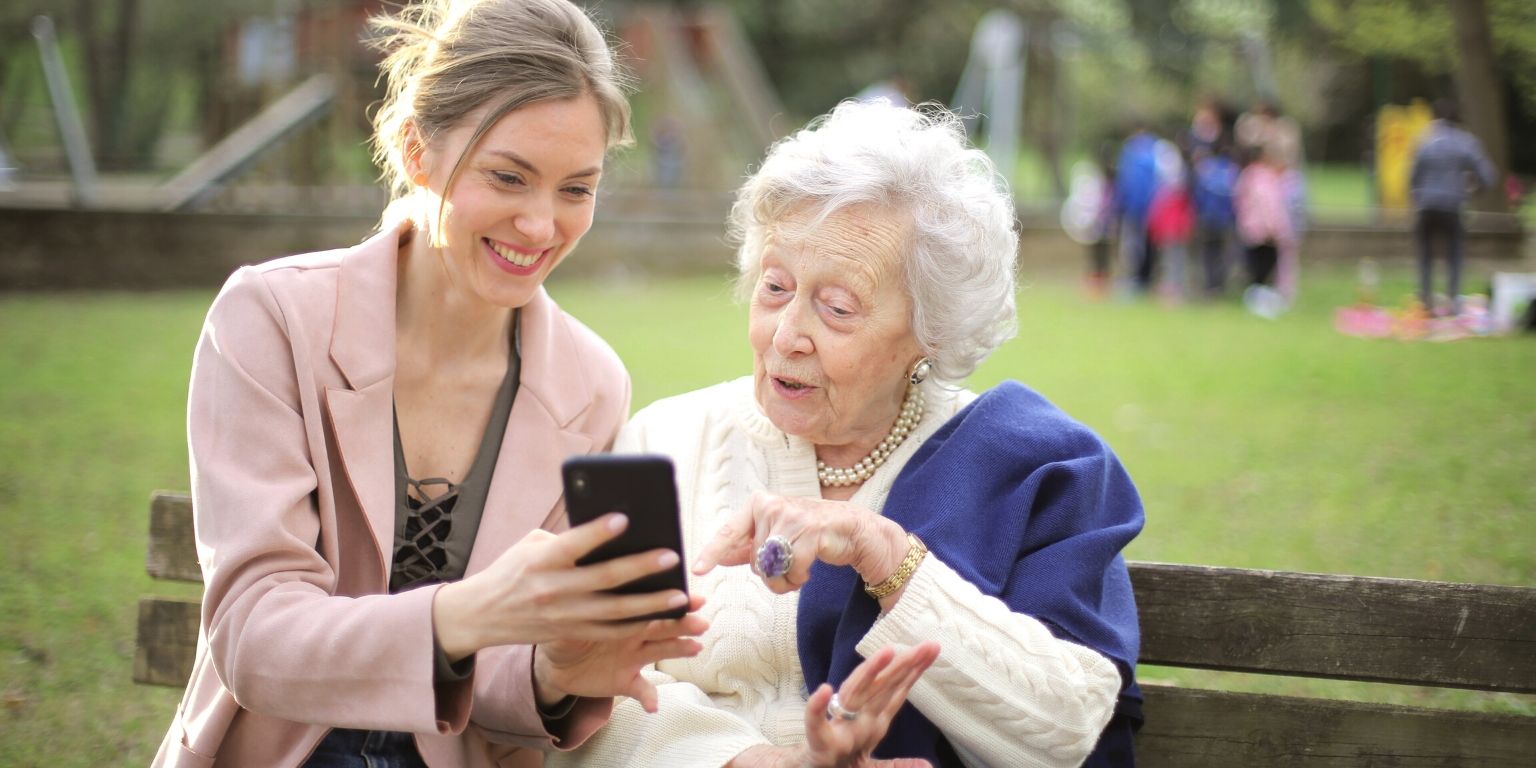
• Teaching basic technology skills
• Driving someone to an approved appointment or activity
The best volunteer work is often simple and steady. Think of it as tending a small garden. One visit may seem modest, but regular care can help trust and friendship grow.

How to Find Senior Volunteer Opportunities
The first step in learning how to volunteer with seniors is finding a trusted organization that matches your time, skills, and comfort level. You do not need to wait for the perfect opportunity. Start with one local search.
Good places to look include:
• Senior centers
• Assisted living communities
• Nursing homes
• Hospice organizations
• Hospitals and clinics
• Meals on Wheels programs
• Area Agencies on Aging
• Faith communities
• Public libraries
• Community centers
• Local schools with intergenerational programs
• Volunteer matching websites
In the United States, Area Agencies on Aging can help connect residents with services and volunteer programs in their communities. AmeriCorps also offers national and local service opportunities. You can search online for “senior volunteer opportunities near me” or contact your city’s aging services office.
Before applying, check whether the group has a clear volunteer coordinator. A reliable program should explain your duties, provide training, protect privacy, and tell you who to contact when a problem arises.
When you volunteer with seniors through a formal group, ask these questions:
• What tasks will I do?
• How much time do you expect each week?
• Will I work alone or with staff?
• Is a background check required?
• What training will I receive?
• Who pays for transportation?
• What should I do during an emergency?
• How does the program protect personal information?
A clear answer to these questions can prevent confusion later.
Choose the Right Type of Senior Volunteer Work
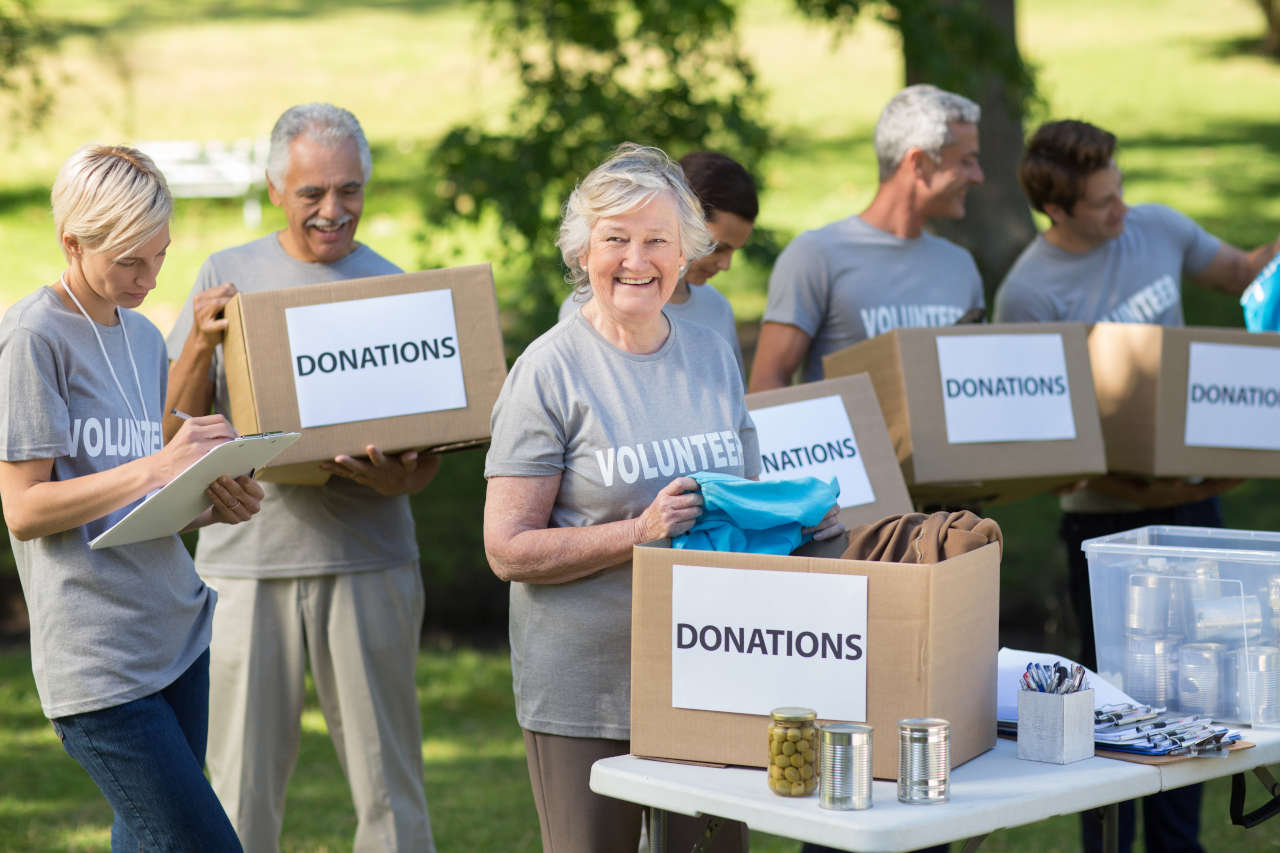
There is no single way to volunteer with seniors. The right role depends on your schedule, energy, skills, transportation, and comfort with health-related needs.
Friendly Visiting
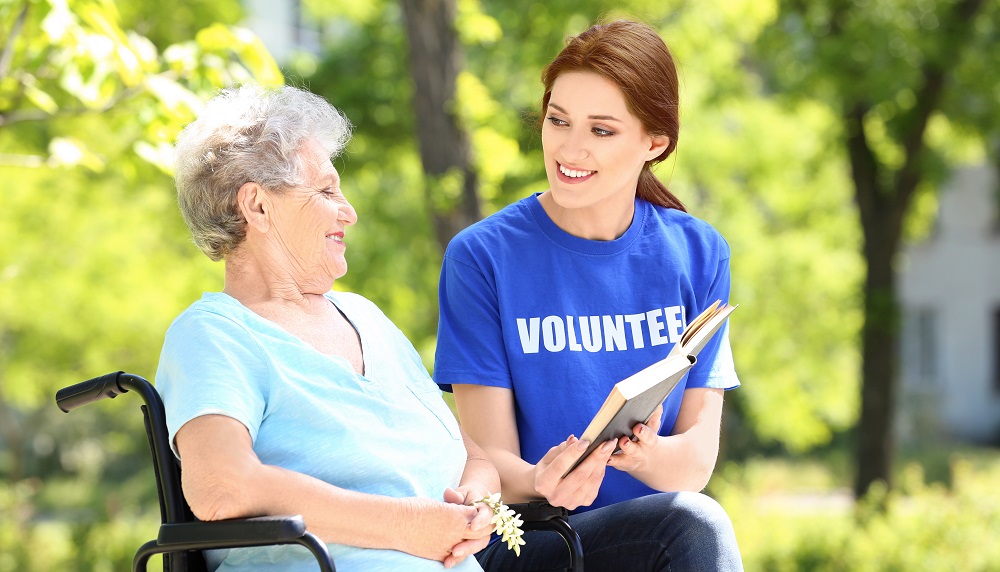
Friendly visiting is one of the most personal forms of volunteer work. You may talk, listen to music, look at photo albums, or share a hobby.
The main skill is listening. You do not need to fill every quiet moment with words. Some older adults value a calm presence just as much as a lively conversation.
Phone and Video Calls
Phone calls work well for people who cannot travel or who prefer remote volunteering. A weekly call can provide routine and connection.
Video calls may help older adults speak with family members, attend a class, or join a faith service. If you have technology skills, you can teach basic steps such as charging a device, opening an app, or adjusting the volume.
Meal Delivery
Meal delivery volunteers bring food and may check whether a person seems safe. Follow the program’s rules closely. You are not expected to provide medical care or enter a home if you feel unsafe.
Be polite and brief when needed. Some people want to talk, while others may be tired. Respect their choice.
Transportation Support
Some programs need volunteers to drive older adults to appointments, stores, or community events. You may need a valid driver’s license, insurance, vehicle checks, and extra training.
Never promise a ride outside the program’s rules. Do not transport someone who needs medical lifting unless the organization has trained you to do so.
Activity Support
Senior centers and care communities often need help with games, exercise classes, art, music, gardening, or reading groups. This role can be a good fit if you enjoy leading activities.
Choose activities that allow people to join at their own pace. A simple puzzle or sing-along can be more welcoming than a difficult contest.
Specialized Support
People with nursing, social work, physical therapy, language, music, or technology skills may find special roles. Even then, volunteers must stay within their training.
When you volunteer with seniors, your role is usually social and supportive. It is not a replacement for a nurse, caregiver, therapist, or doctor.
Steps to Start Volunteering With Seniors
A simple plan can make the process feel easy.
-
Decide how much time you can give. Start with one hour every week or every other week.
-
Choose the type of support you prefer. Consider visiting, calling, delivering meals, teaching, driving, or helping with activities.
-
Find two or three local organizations. Compare their duties, training, schedules, and safety rules.
-
Complete the application. Answer questions honestly about your skills, limits, and availability.
-
Complete required checks and training. This may include a background check, orientation, infection control training, or elder abuse prevention training.
-
Meet your coordinator before meeting a senior alone. Ask about communication, boundaries, emergency steps, and documentation.
-
Begin with a supervised visit when possible. This can help you understand the setting and the person’s needs.
-
Keep your promise. If you agree to visit each Tuesday, treat it like an important appointment.
-
Review the experience after a few weeks. Tell the coordinator what works and what feels difficult.
Reliable service matters more than dramatic service. An older adult may remember your regular Tuesday visit more than a single grand gesture.

How to Prepare for Your First Visit
Your first visit may feel awkward. That is normal. You are meeting a new person, and both of you may need time to relax.
Before you arrive, learn basic information from the coordinator. Ask about the person’s interests, communication needs, mobility limits, and preferred name. Do not ask for private medical details unless they are needed for your volunteer role.
Bring a calm attitude and a simple plan. You might bring a newspaper, a deck of cards, a photo prompt, or a short story. Still, let the older adult guide the visit.
Helpful conversation starters include:
• “What kind of music do you enjoy?”
• “What did you like to do on weekends?”
• “Have you seen any good shows lately?”
• “Would you like to look at these photos?”
• “What is your favorite place you have visited?”
• “Would you like company, or would you rather rest?”
Avoid treating the person like a child. Speak directly to them, not only to family members or staff. Ask before touching personal items, moving furniture, or offering physical help.
A lesson many experienced volunteers learn is that listening is a form of service. You may arrive with an activity in mind, but the best visit may simply involve hearing a story you have heard before.
Important Safety and Privacy Rules
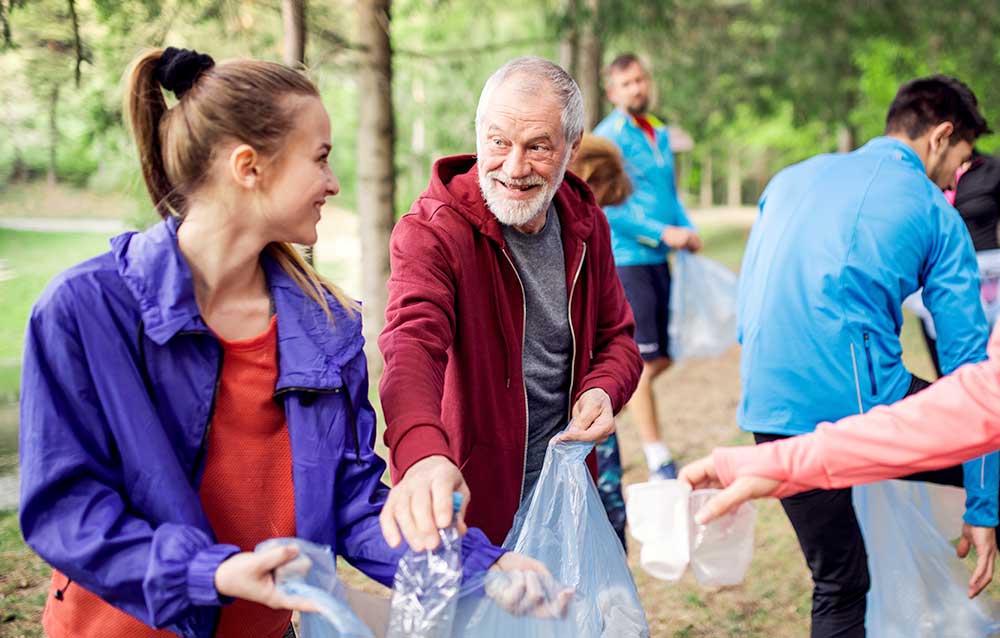
When you volunteer with seniors, kindness must work together with good judgment. Older adults may be at higher risk for falls, scams, medication mistakes, and financial exploitation.
Follow the organization’s safety policy at all times. Report concerns to the coordinator instead of trying to solve serious issues alone.
Keep these rules in mind:
• Do not accept large gifts, money, loans, or access to bank accounts.
• Do not borrow personal items.
• Do not share private information about the person.
• Do not post photos or stories online without written permission.
• Do not give medication unless your role and training clearly allow it.
• Do not provide medical, legal, or financial advice.
• Do not make promises about visits, treatment, or future help that you cannot keep.
• Do not enter a home if you feel threatened or unsafe.
• Report suspected abuse, neglect, or exploitation through the program’s required process.
The National Center on Elder Abuse identifies physical abuse, emotional abuse, sexual abuse, neglect, abandonment, and financial exploitation as major concerns. Rules differ by state, so follow local reporting guidance and your organization’s instructions.
You should also protect your own health. Wash your hands, stay home when sick, and follow infection control rules in care settings. If a senior has dementia, ask for training before volunteering alone. Confusion, wandering, or sudden mood changes may require special support.
How to Build Trust With an Older Adult
Trust develops through small, repeated actions. Arrive when you say you will. Listen without rushing. Remember details from past talks.
Use respectful language. Say “older adult” or use the person’s preferred words. Avoid assumptions about age, culture, disability, family life, religion, gender, or technology skills.
Some people may take time to open up. Others may talk freely from the first meeting. Let the relationship grow at its own speed.
You can build trust by:
• Asking permission before helping
• Giving choices instead of orders
• Keeping conversations private
• Showing interest in hobbies and memories
• Speaking clearly without shouting
• Allowing extra time for answers
• Using the person’s preferred name
• Keeping your phone away during the visit
• Following through on small promises
Be careful with memory loss. Do not argue over every detail. If a person seems confused, respond to the emotion behind the words. A calm reply such as “That sounds frightening” may help more than a correction.
This does not mean agreeing with unsafe beliefs. It means offering comfort while following the care team’s guidance.
Common Mistakes to Avoid
Most problems come from good intentions without clear boundaries. Avoid these common mistakes when you volunteer with seniors.
Trying to Fix Everything
You may notice loneliness, poor home conditions, or family conflict. You may want to solve it all. Your role, however, is often to listen and report concerns to the proper staff member.
Doing Too Much Too Soon
Do not reorganize someone’s home, clean private areas, or handle paperwork without permission and training. Ask first.
Talking More Than Listening
A volunteer may fill each pause with personal stories. Share a little, but keep the focus on the older adult.
Making Unclear Promises
Do not say, “I will always be here,” if your schedule may change. Use honest words such as, “I plan to visit every Thursday, and I will let the coordinator know if that changes.”
Ignoring Your Own Limits
Compassion fatigue is real. If you feel overwhelmed, tell the coordinator early. A short break or a different role may help you continue in a healthy way.
Treating Every Older Adult the Same
Older adults are not one group. Their interests, abilities, backgrounds, and goals vary widely. Personal choice should guide the relationship.
How Much Time Do You Need to Volunteer?
You can volunteer with seniors for a few hours each month or several days each week. The best schedule is one you can maintain.
Before choosing a commitment, consider:
• Work or school hours
• Travel time
• Family duties
• Your physical energy
• Emotional readiness
• Transportation costs
• Holidays and planned travel
A small, dependable commitment often has more value than an ambitious schedule you cannot keep. If you are unsure, ask for a trial period.
Remote roles may fit people with busy schedules. In-person roles may create deeper contact but require travel and more planning. Both can help reduce isolation when they are organized well.
Benefits of Volunteering With Seniors
When you volunteer with seniors, the benefits can reach both sides of the relationship.
Older adults may gain:
• More social contact
• Greater emotional support
• Help with community activities
• Encouragement to stay active
• Access to technology or information
• A sense of being valued
Volunteers may gain:
• Better communication skills
• More confidence
• New friendships
• Practical experience with aging
• A stronger sense of purpose
• Insight into different life stories
• Experience for school, work, or service applications
These benefits are not guaranteed. A volunteer visit cannot replace family care, mental health treatment, medical care, or professional home support. It is one helpful part of a wider network.
Tips for Long-Term Volunteer Success
Long-term service becomes easier when you create simple habits.
Keep a basic calendar. Record visit times, coordinator contacts, and program tasks. Do not write sensitive details in a personal notebook or app unless the organization allows it.
Ask for feedback. A coordinator can help you understand communication problems, cultural differences, or changes in the senior’s needs.
Respect changes in the relationship. An older adult may move, enter a care facility, become ill, or need a different type of support. These changes can feel sad, but they are part of responsible service.
If you need to stop volunteering, give notice when possible. A clear ending is kinder than disappearing. The organization may help the person adjust and find another volunteer.
If you volunteer with seniors as a student or employee, ask whether the program can confirm your hours. Keep your own records, but follow the organization’s privacy rules.
Frequently Asked Questions About How to Volunteer With Seniors
How can I volunteer with seniors for the first time?
Contact a local senior center, Area Agency on Aging, assisted living community, hospice group, or meal delivery program. Ask about orientation, screening, duties, time requirements, and supervision before you begin.
Do I need special training to volunteer with seniors?
Many social roles do not require professional training, but organizations often provide orientation and safety instruction. Extra training may be required for dementia support, transportation, hospice care, or tasks involving personal assistance.
Can teenagers volunteer with seniors?
Yes, many programs welcome teens for visits, technology help, reading, activities, and community events. Age rules vary, and minors may need parental permission or adult supervision.
Can I volunteer with seniors from home?
Yes, you can make friendly phone calls, provide video chat support, write letters, help with approved online activities, or assist with remote administrative work. Use a formal program when possible so privacy and safety rules are clear.
What should I talk about with an older adult?
Ask about music, food, hobbies, travel, family traditions, work, pets, books, or local history. Listen closely, avoid arguing, and let the person choose how much they want to share.
What if an older adult asks me for money or personal help?
Politely explain that program rules do not allow it, then tell the volunteer coordinator. Never lend money, manage bank accounts, sign documents, or accept valuable gifts.
How often should I volunteer with seniors?
Choose a schedule you can keep, such as one hour each week or two visits each month. Consistency usually matters more than the number of hours.
Conclusion
Knowing how to volunteer with seniors starts with one reliable choice: find a trusted program, choose a role that fits your limits, and show up with respect. Friendly visits, phone calls, meal delivery, transportation, and shared activities can bring comfort and connection.
Stay within your role, protect privacy, follow safety rules, and listen with patience. If you are ready to volunteer with seniors, contact a local aging organization this week and ask about its next orientation or volunteer opening.

Michael Reynolds is a senior contributor at RetirementGazette.com, where he focuses on helping readers navigate the journey toward a secure and fulfilling retirement. With over a decade of experience in personal finance, retirement planning, and lifestyle writing, Michael combines practical strategies with easy-to-understand guidance tailored for both pre-retirees and those already enjoying their golden years.