Most electric wheelchairs take between 4 and 12 hours to fully charge, depending on battery type and charger.
I’ve worked with powerchairs and batteries for years, and I’ll walk you through exactly how long an electric wheelchair takes to charge, why times vary, how to estimate charging time, and practical tips to speed up charging and extend battery life. This guide covers common battery types, charger specs, real-world examples, safety advice, and simple calculations so you can plan outings and care for your chair with confidence.
How charging works for electric wheelchairs
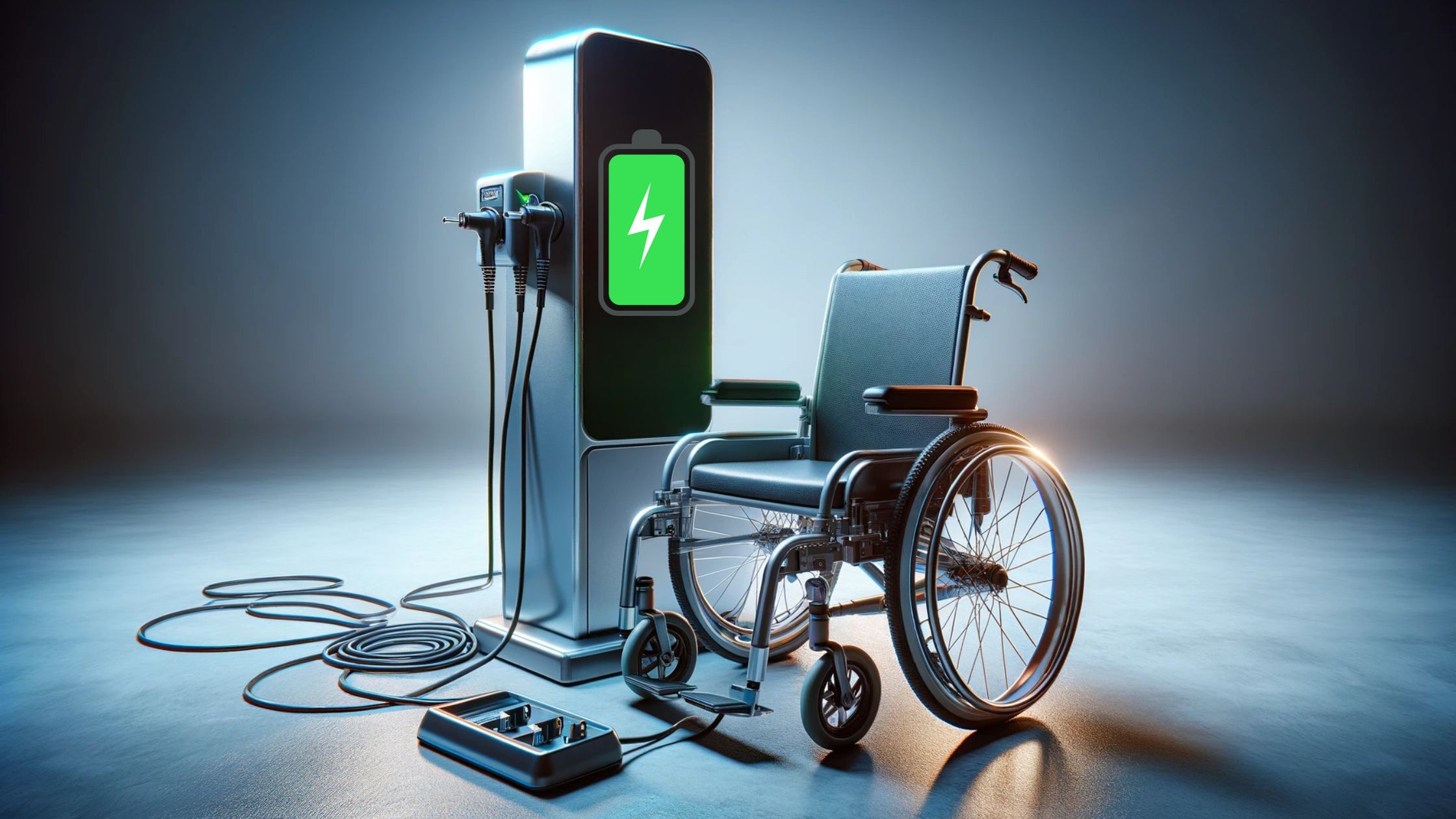
Charging is the process of restoring stored energy to the wheelchair battery. Most powerchairs use sealed lead-acid (SLA) or lithium-ion batteries. The charger converts AC power from a wall outlet into the DC current the battery needs. Chargers apply a current until the battery hits a target voltage, then taper off to avoid overcharge.
Chargers are rated by voltage and amperage. Voltage must match the battery pack. Amperage (amps) affects how fast the battery receives energy. Higher amps usually mean faster charge, but batteries and chargers must be compatible to stay safe.
Typical charging times you can expect
Most electric wheelchair charging times fall into a predictable range. Here are common examples:
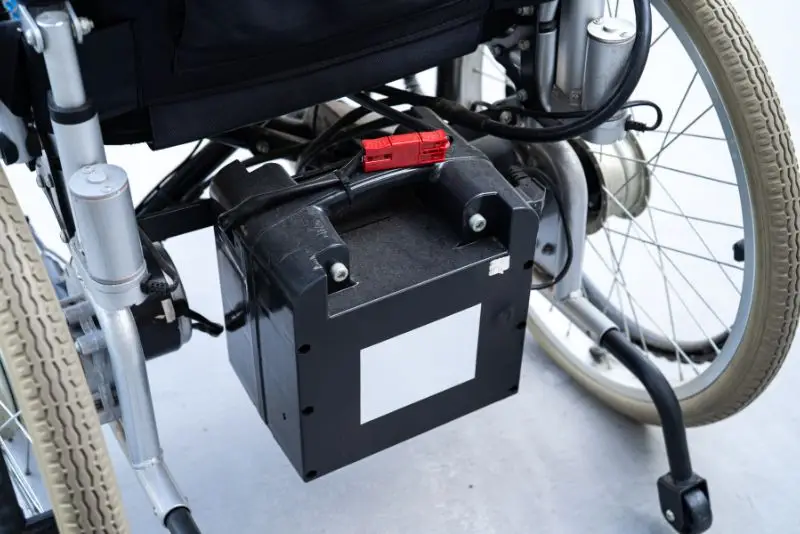
- Sealed lead-acid (SLA) batteries: 6 to 12 hours to reach full charge.
- Lithium-ion batteries: 3 to 6 hours for a full charge.
- Fast-charge systems: 1.5 to 4 hours, if the chair and battery support high-rate charging.
A fully drained 50 Ah SLA battery with a 5 A charger often needs 12 hours. A 25 Ah lithium pack with a 10 A charger may finish in about 3 hours. These are typical ranges; always check the manufacturer’s specs for your exact model.
Factors that affect how long an electric wheelchair takes to charge
Several things change charging time. Knowing these helps you plan.
-
Battery capacity (Ah)
Larger amp-hour (Ah) batteries store more energy and generally take longer to fill. A 75 Ah battery will charge slower than a 35 Ah battery on the same charger. -
Charger output (A)
Chargers with higher amp output move energy faster. Charge time roughly equals battery Ah divided by charger amps, adjusted for inefficiency. -
Battery type and age
Lithium-ion charges faster than SLA. Older batteries hold less charge and can take longer or never reach full capacity. -
Depth of discharge
Charging from nearly empty takes longer than topping up. Regular shallow charges usually take less time. -
Temperature and environment
Cold batteries charge slower. Very hot conditions can slow or stop charging for safety. -
Onboard charging limitations
Some wheelchairs have built-in chargers with lower amps; external chargers (if compatible) may be faster.
Source: pridemobility.com
Battery types and their typical charge behavior
Different chemistries behave differently. Choose one that fits your needs.
-
Sealed lead-acid (SLA)
Pros: Lower cost, robust. Cons: Heavy, slower to charge, shorter lifespan (12–24 months). Charge time: 6–12 hours. -
AGM (absorbed glass mat)
A type of SLA with better vibration resistance. Charge times are similar to SLA. -
Gel batteries
Less common. Similar charge times to SLA but require correct charger profile. -
Lithium-ion (Li-ion)
Pros: Lighter, faster to charge, longer life (2–5 years). Cons: Higher upfront cost. Charge time: 3–6 hours, sometimes quicker with fast chargers. -
Lithium iron phosphate (LiFePO4)
A stable Li variant. Fast charge and long life, often seen in higher-end chairs.
Source: easwe.com
How to calculate charge time (simple formula and example)
Use a straightforward estimate: charge time (hours) = battery capacity (Ah) ÷ charger current (A) × efficiency factor.
A conservative efficiency factor is 1.2 to account for losses and tapering near full charge.
Example:
- Battery: 50 Ah
- Charger: 5 A
- Charge time = 50 ÷ 5 × 1.2 = 12 hours
This matches many real-world SLA examples. For lithium packs, efficiency is higher (use 1.1), so a 30 Ah Li battery with a 10 A charger: 30 ÷ 10 × 1.1 = 3.3 hours.

Best practices to charge faster and prolong battery life
Follow these habits to keep charging efficient and batteries healthy.
-
Use the manufacturer-approved charger.
Using correct voltage and charging profile prevents damage. -
Charge after use rather than deep-discharge.
Shallow, regular top-ups are better for long-term health. -
Keep batteries at moderate temperature.
Charge indoors away from extreme heat or cold. -
Avoid storing batteries fully drained.
For long-term storage, keep lithium packs around 40–60% charge. -
Clean terminals and check connections.
Corrosion and loose plugs slow charging and reduce efficiency. -
Replace old batteries proactively.
Batteries past their life span charge slowly and hold less range.
From personal experience, I once charged a veteran’s chair overnight with the supplied SLA charger and woke to only 60% charge because the battery was aged. Replacing it with a new battery cut full-charge time by nearly half and restored range.

Troubleshooting slow charging and safety tips
If your chair takes far longer than expected, try these checks.
-
Verify charger output with a meter.
Confirm the charger produces the rated amps and voltage. -
Inspect battery health.
Weak cells or sulfation in SLA batteries slow or block charging. -
Check connectors and fuses.
Damaged cables cause voltage drop and slow charge. -
Watch for error lights or beep codes.
Modern chargers often signal faults.
Safety tips:
- Always use the correct charger.
- Charge in a well-ventilated area.
- Do not leave visibly damaged or bulging batteries charging.
- Follow manufacturer warnings about charging temps and procedures.
If issues persist, seek a certified service technician to test the battery and charger.

Choosing the right charger and battery for your needs
Pick components that match how you use the chair.
- For frequent daily use and quick turnarounds, choose lithium with a higher-amp charger.
- For budget or occasional use, SLA may be adequate but expect longer charges.
- Consider spare batteries for long trips. Swapping a charged pack beats waiting for a long recharge.
- Check weight limits—some batteries add significant weight to transport.
When buying, compare battery Ah, charger amps, expected range, and weight. Ask about warranty and recommended replacement intervals.

PAA-style questions you might search
How long does it take to charge a wheelchair battery from empty to full?
Most batteries take 3–12 hours depending on chemistry and charger specs. Lithium tends to be faster; SLA usually takes longer.
Will a faster charger damage my wheelchair battery?
Not if the battery and charger are compatible. Using an incompatible high-rate charger can overheat or damage the battery.
Can I charge my electric wheelchair overnight?
Yes, if the charger and battery support overnight charging and the system has overcharge protection. Still follow manufacturer guidance.
Frequently Asked Questions of How long does an electric wheelchair take to charge
How long does an electric wheelchair take to charge overnight?
Overnight charging often fills most batteries. Many SLA packs need 8–12 hours; lithium packs may finish in 3–6 hours. Always check your manual.
Can I use any charger to speed up charging time?
No. Use a charger that matches the battery voltage and recommended current. Incompatible chargers can harm the battery or chair.
How does battery age affect charging time?
Older batteries hold less charge and can take longer to top up. They may also never reach full capacity and should be tested or replaced.
Is it safe to fast-charge a wheelchair battery?
Fast charging is safe only if both battery and charger are designed for it. Fast charging can generate heat and requires proper management.
How can I estimate charge time at home?
Use the formula: battery Ah ÷ charger A × 1.1–1.2. Adjust the efficiency factor based on battery type (1.1 for lithium, 1.2 for SLA).
Conclusion
Knowing how long an electric wheelchair takes to charge helps you plan trips, care for batteries, and avoid surprises. Typical times range from about 3 hours for many lithium systems to 6–12 hours for SLA packs. Use the simple Ah ÷ A formula to estimate charging time, follow good charging habits, and replace old batteries when they no longer hold charge. My practical tip: keep a charger in your car or a spare battery for long days out—small prep makes a big difference.
If this guide helped, try the charging estimate formula on your battery specs, subscribe for more wheelchair tips, or leave a comment about your charging experience.

Michael Reynolds is a senior contributor at RetirementGazette.com, where he focuses on helping readers navigate the journey toward a secure and fulfilling retirement. With over a decade of experience in personal finance, retirement planning, and lifestyle writing, Michael combines practical strategies with easy-to-understand guidance tailored for both pre-retirees and those already enjoying their golden years.