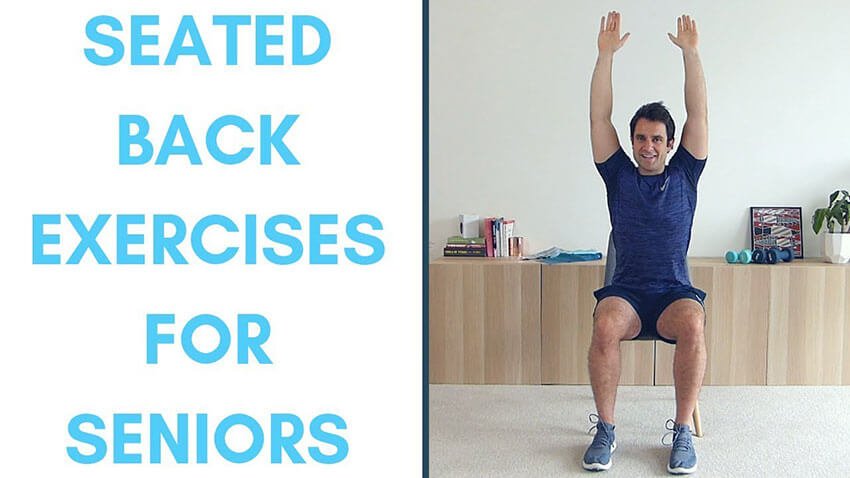
Seniors can strengthen the lower back with gentle core exercises, walking, balance work, and steady daily practice.
Knowing how to strengthen lower back for seniors can make daily life feel safer and easier. Strong back and hip muscles may help with standing, walking, lifting, and reaching. The best plan is gentle, regular, and suited to each person’s health, pain level, and fitness.
A senior’s lower back works like the base of a sturdy chair. It needs support from the belly, hips, legs, and upper back. This guide explains safe exercises, common mistakes, warning signs, and simple ways to build strength at home.

Why Lower-Back Strength Matters for Seniors
Lower-back strength is not only about lifting heavy items. It helps support posture, walking, balance, and many daily tasks. A stronger body may make it easier to rise from a chair, climb steps, carry groceries, or stand at the kitchen counter.
A weak back may also cause the body to rely too much on the hips or knees. This can lead to poor movement habits. Over time, poor habits may increase stiffness and discomfort.
Learning how to strengthen lower back for seniors also means training the muscles around the spine. These muscles include the abdominal muscles, glutes, hip muscles, and spinal muscles. Together, they form a support system often called the core.
Research on older adults shows that regular strength training can improve muscle function, balance, and physical independence. It may also help reduce the risk of falls when combined with balance exercises and safe walking habits.
Still, exercise is not a cure for every type of back pain. Arthritis, spinal stenosis, osteoporosis, nerve problems, and other conditions may need special care. A health professional can help identify the safest plan.
Safety Comes First
Before starting a new exercise plan, speak with a doctor or physical therapist if you have ongoing back pain, recent surgery, severe osteoporosis, or a serious medical condition. A professional can adjust the exercises to fit your needs.
Stop exercising and seek medical help if you notice:
• New weakness in the legs
• Loss of bladder or bowel control
• Numbness around the inner thighs or groin
• Severe pain after a fall
• Chest pain, faintness, or trouble breathing
• Pain that travels down the leg and keeps getting worse
Mild muscle effort is normal. Sharp pain, burning pain, or strong joint pain is not. Use a stable chair, wear supportive shoes, and exercise near a counter or wall if your balance is not steady.
A useful rule is simple: move slowly, breathe normally, and stay in control. Do not bounce, jerk, or force a stretch. When in doubt, choose a smaller movement.

How to Strengthen Lower Back for Seniors Safely
The safest approach combines gentle strength work with walking, mobility, and balance practice. You do not need a gym or heavy weights. A chair, wall, exercise mat, and light resistance band can be enough.
Begin with five to ten minutes of easy movement. Walk around the room or march slowly while holding a counter. This helps warm the muscles and joints.
Then choose three or four exercises. Perform one set at first. If you feel well after several sessions, slowly build toward two sets.
Aim for:
• Eight to 12 controlled repetitions for strength exercises
• A 10 to 30 second hold for gentle stability exercises
• Two or three strength sessions each week
• Light walking on most days, as tolerated
Rest between exercises. Older muscles may need more recovery time, especially after a long period of inactivity.
1. Chair Sit-to-Stand
This exercise strengthens the thighs, hips, and core. These areas help protect the lower back during daily movement.
-
Sit near the front of a strong chair.
-
Place your feet flat on the floor.
-
Lean forward slightly from the hips.
-
Press through your feet and stand tall.
-
Slowly lower yourself back into the chair.
Keep your knees pointed in the same direction as your toes. Do not let your knees collapse inward. Use your hands on the chair only if needed, then work toward using less support.
2. Supported Hip Hinge
The hip hinge teaches you to bend from the hips instead of rounding the lower back. This is useful when picking up laundry, gardening, or reaching into a lower cabinet.
-
Stand behind a chair and hold it lightly.
-
Place your feet about hip-width apart.
-
Keep your back long and your chest open.
-
Push your hips back a few inches.
-
Return to standing by squeezing your glute muscles.
Imagine closing a car door with your hips. The movement should come from the hips, not from bending deeply through the waist.
3. Standing Leg Extension
This simple exercise works the glutes and the muscles around the hips. Strong glutes can reduce some of the work placed on the lower back.
-
Hold a counter or sturdy chair.
-
Stand tall with your feet hip-width apart.
-
Move one leg straight backward.
-
Keep your knee slightly soft.
-
Pause, then return the foot to the floor.
Do not lean forward or arch your back. Keep the movement small and controlled.
4. Bird Dog at the Counter
A full bird dog on the floor may be hard for some seniors. A counter version provides a safer starting point.
-
Stand facing a sturdy counter.
-
Place both hands on the counter.
-
Step one foot back.
-
Slowly reach the opposite arm forward.
-
Hold for a few seconds, then return to the start.
Switch sides. Keep your hips and shoulders facing the counter. This exercise trains balance and trunk control without placing you on the floor.
5. Pelvic Tilt
Pelvic tilts help you learn gentle abdominal control. They may be done on a bed or firm mat.
-
Lie on your back with your knees bent.
-
Keep your feet flat.
-
Gently tighten your belly.
-
Flatten your lower back slightly toward the surface.
-
Hold for three to five seconds.
-
Relax without pushing hard.
If getting down to the floor is difficult, ask a physical therapist for a standing version. Never hold your breath.
6. Glute Bridge
Bridges work the buttocks and the back of the hips. They can support better movement during walking and standing.
-
Lie on your back with your knees bent.
-
Keep your feet about hip-width apart.
-
Tighten your belly gently.
-
Press through your feet.
-
Lift your hips a small amount.
-
Pause, then lower slowly.
Start with a low lift. You do not need to create a straight line from your shoulders to your knees. Avoid this exercise if it causes sharp back pain.
7. Wall Push-Up
The upper body also matters when learning how to strengthen lower back for seniors. Wall push-ups improve whole-body support and posture.
-
Face a wall and place your hands at chest height.
-
Step back one or two feet.
-
Bend your elbows and bring your chest toward the wall.
-
Push away slowly.
Keep your body in one straight line. Do not let your lower back sag.
A Simple Weekly Plan
A clear routine makes exercise easier to maintain. The following plan is a starting point for a healthy senior with no serious medical restrictions.
Monday: Strength and Mobility
• Chair sit-to-stand: 8 to 12 repetitions
• Supported hip hinge: 8 to 12 repetitions
• Standing leg extension: 8 to 12 repetitions per side
• Gentle walking: 10 to 20 minutes
Wednesday: Walking and Balance
• Easy walking: 15 to 30 minutes
• Counter bird dog: 5 repetitions per side
• Heel-to-toe stance near a counter: 10 to 20 seconds
• Gentle hip and back mobility
Friday: Strength and Core Control
• Chair sit-to-stand: 8 to 12 repetitions
• Pelvic tilt: 8 to 12 repetitions
• Glute bridge or standing glute squeeze: 8 to 12 repetitions
• Wall push-up: 8 to 12 repetitions
Other Days
Take short walks or perform light movement. Even five minutes at a time can be useful. Break up long periods of sitting by standing and moving every 30 to 60 minutes.
The key to how to strengthen lower back for seniors is consistency, not intensity. A modest routine done often is usually more useful than a hard routine done once a month.

How to Improve Results Without Overdoing It
Progress should feel gradual. Add only one change at a time. You might add two repetitions, one extra set, a longer walk, or a slightly stronger band.
Do not increase everything in the same week. If you add more repetitions and more resistance at once, it becomes harder to know what caused soreness.
Use these signs to guide your progress:
• Green light: Mild effort, steady breathing, and no sharp pain
• Yellow light: More soreness than usual, poor balance, or unusual fatigue
• Red light: Sharp pain, numbness, weakness, dizziness, or symptoms that worsen
If you feel mild soreness, take a lighter day and keep moving gently. If symptoms remain for more than a day or two, contact a health professional.
Good sleep, enough protein, and regular meals also support muscle repair. Many older adults benefit from discussing protein needs with a doctor or registered dietitian, especially if they have kidney disease or other health concerns.
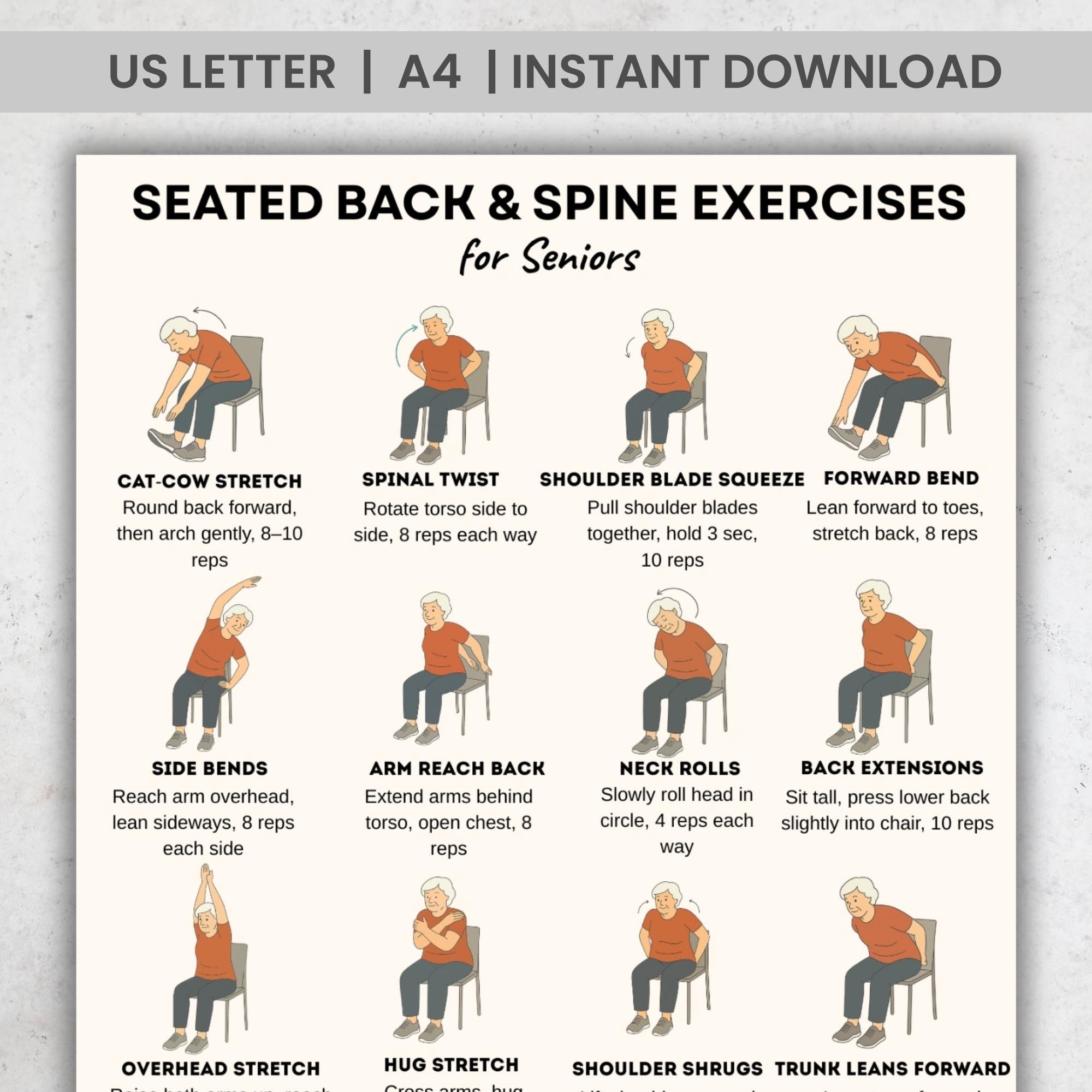
Common Mistakes to Avoid
Many people want to know how to strengthen lower back for seniors but begin with exercises that are too difficult. Starting too hard can reduce confidence and increase the chance of injury.
Avoid these common mistakes:
• Doing sit-ups or deep back bends without guidance
• Holding your breath during effort
• Using fast, jerky movements
• Exercising through sharp pain
• Training only the lower back and ignoring the hips and abdomen
• Sitting for long periods after exercising
• Using an unstable chair or rolling stool
• Copying an online routine without considering your health history
One mistake I often see in exercise instruction is treating discomfort as proof that a workout is working. That idea can be misleading. Good exercise may feel challenging, but it should not feel threatening or painful.
Another lesson is that floor exercises are not always the best first choice. A standing or chair-based version can build strength while helping a person feel safe. Confidence is part of fitness.

Daily Habits That Protect the Lower Back
Exercise works best when paired with safer daily habits. Small changes can reduce strain on the spine.
When lifting an object:
-
Move close to the item.
-
Place your feet firmly.
-
Bend through the hips and knees.
-
Keep the item near your body.
-
Rise using your legs.
-
Avoid twisting while lifting.
For chores, divide heavy tasks into smaller parts. Use a cart for groceries when possible. Raise a work surface for gardening or food preparation so you do not bend for long periods.
A supportive sleep position may also help. Some people feel better on their side with a pillow between the knees. Others prefer lying on their back with a pillow under the knees. Comfort matters more than one “perfect” position.
Walking is another powerful habit. It gently moves the spine, trains the legs, and supports heart health. If 30 minutes feels too much, try three 10-minute walks.
When to Work With a Physical Therapist
A physical therapist can be especially helpful when back pain limits movement. They can assess posture, walking, strength, balance, and joint motion. They can also teach safer ways to get in and out of bed or chairs.
Professional guidance is wise if you have:
• Repeated falls
• Pain that lasts more than a few weeks
• Pain that travels below the knee
• A history of spinal fracture
• Osteoporosis or low bone density
• Recent hip, back, or abdominal surgery
• Trouble walking or standing
A therapist may use exercises that are not included here. For example, a person with spinal stenosis may need a different posture than someone with another type of back problem. This is why general advice has limits.

Frequently Asked Questions About How to Strengthen Lower Back for Seniors
What is the safest way to strengthen the lower back for seniors?
Start with chair-based, standing, or supported exercises. Use slow movements, keep the range small, and stop if you feel sharp pain or new symptoms.
How often should seniors do lower-back exercises?
Most people can begin with two or three strength sessions each week. Light walking and gentle mobility can be done more often, as long as the body responds well.
Can walking strengthen the lower back?
Walking mainly trains the legs, hips, and heart, but it also encourages gentle trunk movement and better endurance. It works best when combined with simple core and hip exercises.
Should seniors exercise if they have lower-back pain?
Some mild back pain may improve with carefully chosen movement, but the cause matters. Severe, new, or worsening pain should be assessed by a doctor or physical therapist before starting a routine.
Are bridges safe for older adults?
Bridges may be safe for many older adults when performed slowly and with a small lift. People with severe pain, recent surgery, or difficulty getting onto the floor should ask a professional for a standing alternative.
How long does it take to build lower-back strength?
Many people notice better movement and endurance after several weeks of regular practice. Strength gains vary with age, health, sleep, nutrition, and consistency.
Conclusion
Learning how to strengthen lower back for seniors starts with gentle, steady movement. Chair sit-to-stands, hip hinges, glute exercises, supported bird dogs, pelvic tilts, walking, and balance work can build a stronger support system around the spine.
Start with a few minutes and a small number of repetitions. Keep your movements smooth, use a stable support, and ask a health professional for guidance when pain or medical conditions are present. Your next step can be simple: choose two exercises today, practice them safely, and track how you feel. Explore more trusted senior fitness resources, and share your progress with a doctor, therapist, or loved one.

Michael Reynolds is a senior contributor at RetirementGazette.com, where he focuses on helping readers navigate the journey toward a secure and fulfilling retirement. With over a decade of experience in personal finance, retirement planning, and lifestyle writing, Michael combines practical strategies with easy-to-understand guidance tailored for both pre-retirees and those already enjoying their golden years.