
Report senior citizen abuse to 911, Adult Protective Services, police, or a long-term care ombudsman.
Knowing how to report senior citizen abuse can protect an older adult from harm, neglect, or financial loss. This guide explains what abuse looks like, who to contact, what details to collect, and how to help safely while respecting the person’s rights.

What Counts as Senior Citizen Abuse?
Senior citizen abuse is any act, threat, or failure to act that harms an older adult. It can happen at home, in a nursing home, in assisted living, or in a hospital.
Abuse may be caused by a family member, caregiver, friend, neighbor, professional, or stranger. It may also happen when a trusted person uses an older adult’s money, property, or personal information without permission.
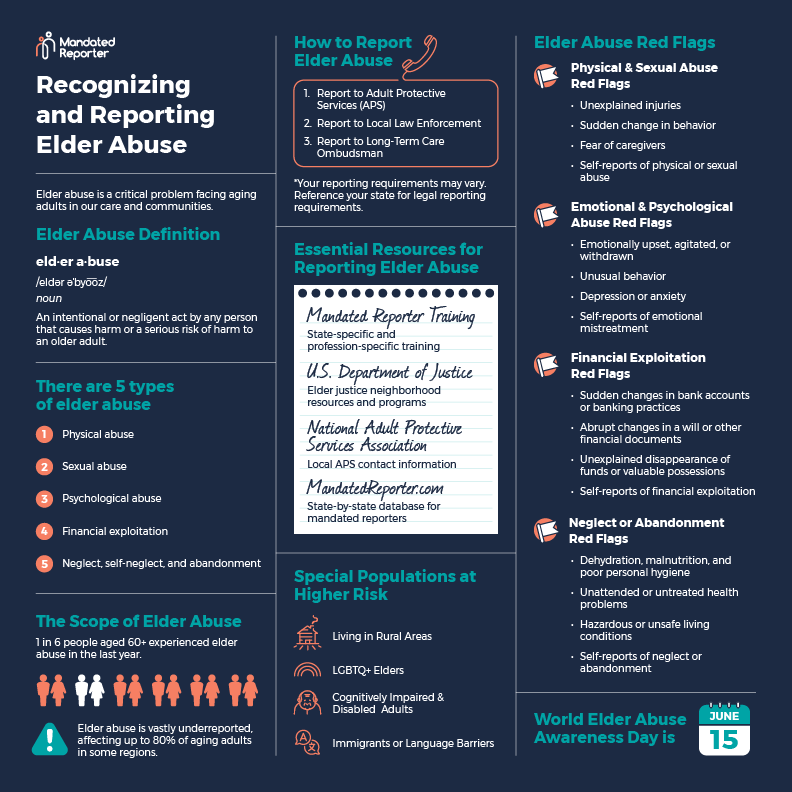
Common types include:
• Physical abuse, such as hitting, pushing, burning, or using force
• Emotional or verbal abuse, such as threats, insults, humiliation, or isolation
• Sexual abuse, including any sexual contact without clear consent
• Neglect, such as failing to provide food, medicine, hygiene, shelter, or medical care
• Abandonment, such as leaving an older adult alone when they need care
• Financial exploitation, such as stealing money, changing a will, using a bank card, or forcing a sale
• Self-neglect, when an older adult cannot safely meet basic needs and has no reliable help
Abuse is not always easy to see. A bruise may be hidden under clothing. Financial exploitation may look like a new “friend” managing every account. Neglect may appear as weight loss, poor hygiene, missed medicine, or an unsafe home.
When learning how to report senior citizen abuse, remember that you do not need to prove the case yourself. Your job is to share a reasonable concern with the right agency.
Signs That an Older Adult May Be Abused
One sign alone does not always prove abuse. Still, several signs together may show that an older adult needs help.
Watch for changes in the person’s body, mood, behavior, money, or living space. Trust your concern, especially when the older adult seems afraid of a caregiver or gives answers that do not fit the situation.
Possible warning signs include:
• Unexplained cuts, bruises, burns, falls, or repeated injuries
• Bedsores, dehydration, hunger, or sudden weight loss
• Dirty clothing, poor hygiene, or untreated medical problems
• Missed medical visits or unusual gaps in medication
• Fear, sadness, confusion, withdrawal, or sudden silence
• A caregiver who will not let the older adult speak alone
• Frequent arguments, threats, or harsh treatment
• Unpaid bills, unusual withdrawals, missing belongings, or new loans
• Sudden changes to a will, bank account, power of attorney, or property deed
• A home with spoiled food, pests, unsafe conditions, or no heat or water
• An older adult saying they feel unsafe or do not want to go home
Some medical conditions can cause confusion, bruising, or memory changes. That is why a report should describe facts rather than make a diagnosis. Say what you saw, heard, or documented.
How to Report Senior Citizen Abuse Step by Step
The best way to report senior citizen abuse depends on the danger, location, and type of harm. Use the steps below as a practical guide.
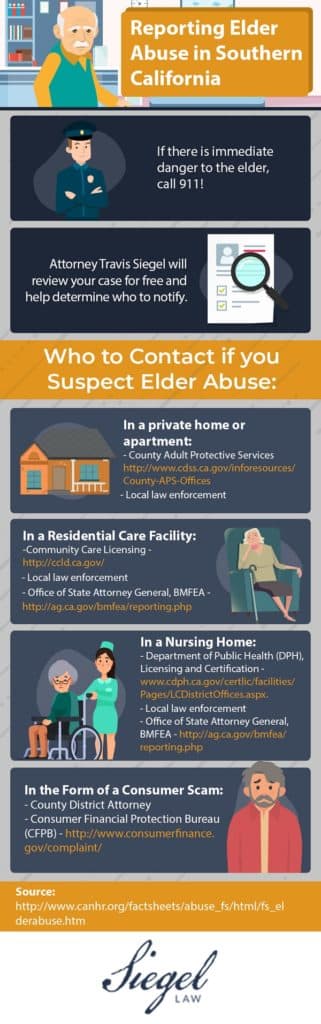
1. Call 911 if There Is Immediate Danger
Call 911 if the older adult is being attacked, seriously injured, threatened, abandoned in danger, or needs urgent medical help. Give the dispatcher the exact address and explain what is happening now.
Stay on the phone and follow the dispatcher’s instructions. If it is safe, move the older adult to a secure place. Do not confront a violent person if doing so could increase the risk.
2. Contact Adult Protective Services
Adult Protective Services, often called APS, investigates reports involving older adults and vulnerable adults. APS can assess safety, arrange services, connect the person with health care, and work with law enforcement when needed.
You can usually find the correct APS office through your state’s department of aging or human services agency. In the United States, the Eldercare Locator can help identify local services at 1-800-677-1116.
When contacting APS, provide:
• The older adult’s name, location, and contact details
• A clear description of what you saw or heard
• The suspected abuser’s name and relationship to the person
• Details about injuries, neglect, threats, or money problems
• Names of witnesses or other people who may have information
• Any urgent medical, safety, or housing needs
You can ask whether your report may remain confidential. Rules vary by state, and an agency may need to share information during an investigation.
3. Report Abuse in a Nursing Home or Assisted Living Facility
If the suspected abuse happened in a nursing home, assisted living facility, or other long-term care setting, contact the facility administrator and the state Long-Term Care Ombudsman Program.
The ombudsman advocates for residents and investigates complaints about care, rights, safety, and quality of life. You may also report serious harm to local police, APS, or the state agency that licenses the facility.
Do not rely only on an internal complaint if the older adult faces immediate danger. Make an outside report as well.
4. Report Financial Exploitation Quickly
Contact the older adult’s bank or credit union as soon as possible. Ask whether the institution can freeze suspicious transactions, add fraud alerts, protect the account, or provide records.
You may also need to contact:
• Local police or the sheriff’s office
• Adult Protective Services
• The state attorney general’s consumer protection office
• The Federal Trade Commission for scams and identity theft
• The Social Security Administration if Social Security funds are involved
• The older adult’s attorney, financial adviser, or long-term care representative
Speed matters in financial exploitation cases. A bank may not be able to recover funds after they are withdrawn or transferred, but early notice can reduce further loss.
5. Report Sexual Abuse and Serious Physical Harm
Sexual abuse, assault, severe injury, and threats of violence should be reported to law enforcement. Seek emergency medical care when needed.
Try not to wash clothing, clean the room, delete messages, or disturb other possible evidence unless medical care requires it. A trained professional can explain how to preserve evidence and protect the older adult’s health.
What Information Should You Include in a Report?
A strong report is clear, specific, and based on facts. You do not need legal terms or perfect proof.
Use the basic questions of who, what, when, where, and how.
Include:
• Who may be harmed
• Who may be causing the harm
• What happened
• When the event happened or when you first noticed signs
• Where the event occurred
• How often the problem has occurred
• Whether the older adult is in danger right now
• Whether the person has a disability, memory disorder, or communication need
• What action has already been taken
Write down exact words when possible. For example, “He said, ‘My son takes my card every Friday,’” is more useful than “His son steals money.”
Keep copies of emails, photos, texts, bank alerts, medical notes, and report numbers in a secure place. Do not post evidence on social media. Public posts can expose private details and may affect an investigation.
A simple report note might say:
On March 8 at about 3 p.m., I saw bruising on the older adult’s left arm. She said her caregiver grabbed her during an argument. The caregiver was in the home and would not leave the room while she spoke. She said she was afraid to return home.
Avoid guessing about motives. Describe what you know and clearly label what you suspect.
How to Talk With the Older Adult
Choose a private, calm setting if possible. Speak slowly and use respectful language. The goal is to listen, not to interrogate.
You might say:
• “I noticed you seem worried. Are you safe?”
• “Has anyone hurt, threatened, or pressured you?”
• “Do you need help with food, medicine, money, or a safe place to stay?”
• “Would you like me to help you contact someone?”
Believe the person without making promises you cannot keep. Do not say, “I will never tell anyone.” Instead, explain that you may need to contact people who can help keep them safe.
Avoid blaming questions such as “Why did you let this happen?” Many older adults remain silent because they fear losing housing, care, money, or family contact. Some feel shame or worry that no one will believe them.
An older adult with decision-making capacity generally has the right to make choices others dislike, including choices about relationships and living arrangements. A report may still be appropriate when there is suspected abuse, but the response should respect the person’s voice and legal rights.
What If the Older Adult Does Not Want a Report?
This can be one of the hardest parts of reporting senior citizen abuse. An older adult may refuse help because of fear, dependence, confusion, loyalty, or concern about retaliation.
If the person is in immediate danger, call 911 even if they object. Safety takes priority during an emergency.
If there is no immediate danger, explain the available options. Ask what kind of help feels safe. The person may agree to a medical visit, a bank call, a home safety check, or a conversation with a social worker before making a formal report.
You may still contact APS to ask for guidance. Tell the agency what the older adult said and explain why you are worried. Laws differ by state, especially when the person can make informed decisions for themselves.
Never pressure the person to confront the suspected abuser. Do not remove money, documents, medication, or personal items without permission unless an emergency requires immediate action.
.png)
Protect Yourself and the Older Adult After Reporting
Reporting abuse can create tension, especially when the suspected abuser is a relative or caregiver. Plan for safety before making a report if possible.
Helpful steps include:
• Use a safe phone or computer if the suspected abuser monitors devices
• Avoid discussing the report in front of the suspected abuser
• Ask APS or police about emergency safety planning
• Keep important documents, medication, and contact numbers secure
• Record the report date, agency, name of the person you spoke with, and case number
• Follow up if the danger continues or new facts appear
• Ask whether the older adult needs shelter, transportation, medical care, or legal help
Do not promise a specific result. Agencies may need time to assess the situation, interview people, and protect privacy. If you believe the first response was inadequate, ask for a supervisor or contact another appropriate agency.
Mandatory reporters, such as health care workers, social workers, teachers, and some care professionals, must follow their state reporting laws. Their duties may differ from those of a family member or neighbor.
Common Mistakes to Avoid
Good intentions can sometimes make a dangerous situation worse. Keep these mistakes in mind when deciding how to report senior citizen abuse.
• Waiting for absolute proof: A reasonable concern may be enough to make a report.
• Confronting the suspected abuser: This can lead to retaliation or destroyed evidence.
• Promising secrecy: Explain honestly that safety concerns may need to be shared.
• Investigating alone: Leave formal interviews and evidence collection to trained professionals.
• Taking money or property: This may create legal problems and damage trust.
• Posting accusations online: Public claims can expose private information and interfere with a case.
• Ignoring financial abuse: Small unauthorized withdrawals can become major losses.
• Assuming memory loss means the person cannot decide: Capacity is specific to the decision and may change over time.
• Making a vague report: Dates, direct quotes, names, and facts help agencies act.
One practical lesson from many elder abuse cases is that small warning signs often form a larger pattern. A single missed meal may have an innocent cause. Repeated missed meals, unexplained injuries, fear, and a caregiver blocking visitors deserve prompt attention.
Legal and Support Resources in the United States
The correct agency varies by state and situation. These resources can help you find the right path:
• 911: Immediate danger, assault, serious injury, or urgent medical needs
• Adult Protective Services: Abuse, neglect, exploitation, or self-neglect involving an older or vulnerable adult
• Eldercare Locator: Local aging services and reporting information at 1-800-677-1116
• Long-Term Care Ombudsman Program: Complaints involving nursing homes and long-term care residents
• Local police or sheriff: Assault, theft, fraud, threats, sexual abuse, and other crimes
• State licensing agency: Problems involving a licensed care facility or professional
• Area Agency on Aging: Local support, care planning, meals, transportation, and social services
• State attorney general: Consumer fraud, scams, and some financial exploitation concerns
• Federal Trade Commission: Identity theft, scams, and consumer fraud guidance
Rules about confidentiality, mandatory reporting, consent, and APS investigations vary across states. When you are unsure, call the local agency and ask what applies where the older adult lives.
How to Report Senior Citizen Abuse Anonymously
Some agencies accept anonymous reports, but the rules differ. Ask whether you can withhold your name and whether the agency can contact you for more information.
Anonymous reporting may protect you, but it can make follow-up harder. Investigators may need details that only you can provide.
If you share your identity, ask how it will be protected. Even when an agency keeps a reporter’s name confidential, the suspected abuser may guess who made the report based on the facts.
Do not let uncertainty about anonymity stop you from reporting immediate danger. Call 911 when someone faces urgent harm.
How Experts Assess an Elder Abuse Report
Professionals often look at safety, capacity, injury, living conditions, caregiver behavior, and access to money or medicine. They may speak with the older adult alone and contact medical workers, relatives, banks, or facility staff.
A report does not automatically mean that someone will be arrested or removed from the home. The response may include services, counseling, medical care, financial safeguards, a safety plan, or a criminal investigation.
This process has limits. Older adults may decline services, evidence may be incomplete, or agencies may have limited staff. Even so, reporting creates a record and gives trained professionals a chance to assess risk.
The most helpful approach is calm, factual, and focused on the older adult’s safety and wishes.
Frequently Asked Questions About How to Report Senior Citizen Abuse
Who should I call first to report senior citizen abuse?
Call 911 if the older adult faces immediate danger or needs urgent medical care. For ongoing abuse without an immediate emergency, contact Adult Protective Services or the local aging services office.
Can I report senior citizen abuse if I am not a family member?
Yes. A neighbor, friend, caregiver, health worker, or other concerned person can report suspected abuse. You do not need to be related to the older adult or have complete proof.
Can I report senior citizen abuse anonymously?
Some state and local agencies accept anonymous reports. Ask about confidentiality when you call, but provide your contact details if you feel safe because investigators may need more information.
What if the older adult denies the abuse?
Stay calm and avoid arguing. If there is immediate danger, call 911; otherwise, share your concerns with APS and explain the facts you observed.
Is neglect considered senior citizen abuse?
Yes. Neglect may involve failing to provide food, medicine, hygiene, shelter, supervision, or medical care. It can be intentional or result from a caregiver being unable or unwilling to meet the person’s needs.
What should I do about suspected financial exploitation?
Contact the older adult’s bank or credit union, APS, and local law enforcement as soon as possible. Save account notices, messages, receipts, and other records, and ask the bank about stopping suspicious transactions.
Will reporting senior citizen abuse get the caregiver arrested?
Not always. Agencies first assess safety and facts, then decide whether services, protective action, or criminal investigation is needed.
Conclusion
Knowing how to report senior citizen abuse can help stop harm before it grows. Look for warning signs, call 911 during emergencies, contact Adult Protective Services for ongoing concerns, and use an ombudsman or state agency for long-term care complaints.
Share facts, protect the older adult’s privacy, and avoid confronting the suspected abuser. If you are worried, do not wait for perfect proof. Contact a trusted local agency today, learn about resources in your state, and encourage others to speak up for older adults.

Michael Reynolds is a senior contributor at RetirementGazette.com, where he focuses on helping readers navigate the journey toward a secure and fulfilling retirement. With over a decade of experience in personal finance, retirement planning, and lifestyle writing, Michael combines practical strategies with easy-to-understand guidance tailored for both pre-retirees and those already enjoying their golden years.