
Safely secure, remove batteries, and use proper lifts or tie-downs when transporting an electric wheelchair.
I have worked with mobility users and tested transport solutions for years, so I know how to transport an electric wheelchair in real life. This guide walks you through everything from pre-trip checks to vehicle mounting, airline rules, and simple safety tips. You will learn step-by-step actions, common pitfalls, and practical tricks that save time and protect your wheelchair. Read on to get confident about moving your chair safely and smoothly.
Why proper transport matters
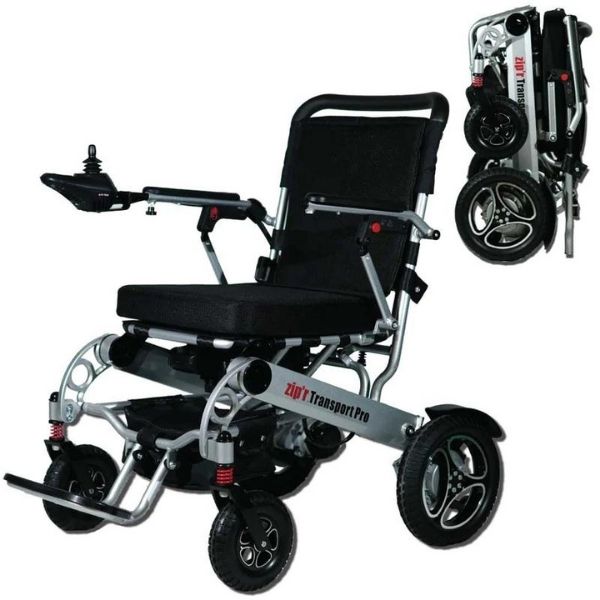
Transporting an electric wheelchair wrong can damage the chair, void warranties, or risk injury. How to transport an electric wheelchair well matters for safety, reliability, and peace of mind. Proper transport protects batteries, electronics, and the user.

Preparing the wheelchair for transport
Preparing the chair cuts the risk of damage and streamlines loading. Follow these steps before you move the chair.
- Turn off power and remove the key if present. How to transport an electric wheelchair starts with the power off.
- Remove or secure loose accessories, cup holders, cushions, or oxygen holders.
- Handle batteries correctly. If your battery is removable, take it out and store it per rules. Check battery type; lithium-ion rules differ from lead-acid.
- Fold or collapse parts per the manufacturer guide. Lock wheels and fold footrests or armrests as directed.
- Measure the chair: width, height, and depth. Record weight. These numbers tell you which transport option fits.
- Take photos of the setup. Photos help you restore settings and show damage if claims happen.
Personal note: I once loaded a chair without removing a mirror. It bent in transit. Now I always make a checklist. That small habit saved expensive repairs.

Transport options and methods
There are several ways to transport an electric wheelchair. Your choice depends on chair type, vehicle, distance, and budget.
Transport by car trunk or hatch
Most compact power chairs fit in an SUV or hatchback when folded. How to transport an electric wheelchair into a car often means measuring first and clearing space.
- Slide heavy items out of the trunk to create room.
- Use a protective blanket or mat to avoid scratches.
- Secure the chair with straps or a cargo net.
Transport using a ramp or manual loading
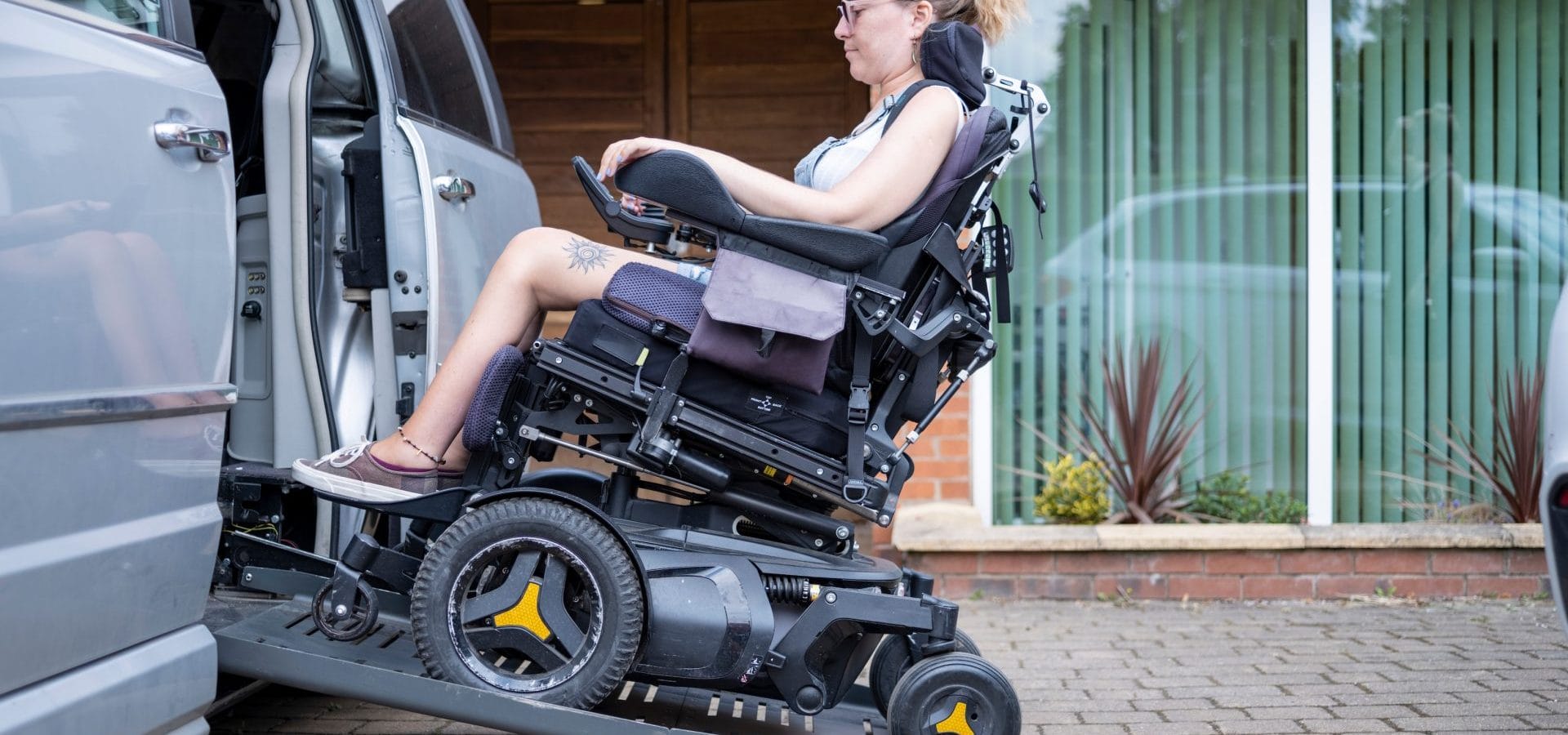
Ramps are cost-effective. They work when the chair can be pushed or driven up slowly.
- Choose a ramp rated for the chair’s weight.
- Use a helper at the rear to guide the chair.
- Drive or push at a steady pace; avoid sudden acceleration.
Wheelchair lifts and hoists
Lifts attach to the vehicle and raise the chair. They are best for frequent travel or heavy chairs.
- Platform lifts carry the whole chair.
- Hoists or cranes lift by frame attachment.
- Installers should set up lifts to match the chair’s attachment points.
Tie-downs and securement systems
When the chair rides inside a vehicle, use a tie-down system designed for mobility devices.
- Use four-point tie-downs to anchor the frame.
- Use a separate occupant restraint if the user remains seated.
- Check straps for wear each trip.
Professional transport services
If you prefer hands-off travel, use a transport company that specializes in mobility devices. They know how to transport an electric wheelchair safely and often insure the chair.
Public transit, taxis, and ride-shares
Call ahead to tell operators you are bringing a power chair. Service rules vary. Many paratransit and accessible taxis have securement systems.
PAA-style question: Can I transport an electric wheelchair in a sedan?
Answer: It depends on chair size and trunk/hatch space. Measure first; many full-size power chairs need an SUV or lift.

Step-by-step: Loading and securing in a vehicle
This clear sequence helps you apply how to transport an electric wheelchair safely.
- Park on a level surface and set parking brake.
- Turn off the chair and remove the key.
- Remove batteries if airline or local rules require it.
- Fold parts per manufacturer guide.
- Position a protective blanket or mat in the vehicle.
- Use a ramp, lift, or two helpers to load the chair.
- Attach four-point tie-downs to solid frame locations.
- Tighten straps to remove slack but do not crush frame.
- Secure the user with a separate occupant restraint if riding.
- Recheck straps after driving a short distance.
From many trips, I learned to re-check straps at the first stop. Straps can settle and need one quick tighten.

Air travel and long-distance transport
Airlines and long-distance carriers have strict rules. Knowing them is key to how to transport an electric wheelchair without delays.
- Notify the airline at booking and again before boarding. Declare the wheelchair and battery type.
- Lithium-ion batteries often must be carried in the cabin and meet Wh limits. Small lithium batteries (under 160 Wh) usually fly in cabin. Batteries 160–300 Wh may need airline approval. Batteries over 300 Wh are generally restricted.
- For non-removable batteries, inform the carrier. They may request inspection or special handling.
- Ask for airport assistance for gate-to-counter and gate-to-aircraft moves.
- Pack durable protection and use a travel case if available. Foam, straps, and a sturdy cover help reduce handling damage.
Tip from experience: Always keep documentation of battery specs and a letter from the manufacturer when flying. It speeds the security check.
Safety checklist and quick tips
Use this checklist before any trip. It summarizes how to transport an electric wheelchair safely.
- Power off and remove keys.
- Remove or secure batteries as required.
- Fold or lock moving parts.
- Measure the chair and vehicle space.
- Use rated ramps, lifts, and tie-downs.
- Wear gloves when handling heavy parts.
- Keep tools and spare straps in the vehicle.
- Document condition with photos before and after transport.
- Confirm insurance or carrier policies for damage.
Keep a small kit with strap extras, gloves, and manufacturer manuals. That kit has saved me time and stress during trips.
Maintenance and storage after transport
Transport can jostle connections and parts. Check the chair after every long move.
- Inspect batteries for leaks or swelling.
- Check wiring connections and seating mounts.
- Test brakes, steering, and drive motors on flat ground.
- Tighten bolts and fasteners that may loosen in transit.
- Store the chair in a dry, cool place when not traveling.
If you notice unusual noises or performance drops after transport, schedule service. Early checks prevent bigger repairs.
Frequently Asked Questions
How do I transport an electric wheelchair in a car safely?
Measure the chair and vehicle, remove batteries if possible, and use a ramp or lift for loading. Secure the chair with four-point tie-downs and protect surfaces with blankets.
Can I fly with an electric wheelchair and its battery?
You can usually fly with an electric wheelchair, but airlines have battery rules. Small lithium batteries often travel in the cabin; larger batteries need approval or may be restricted.
Do I need special insurance to transport an electric wheelchair?
Special transit insurance is not mandatory but helpful for long moves or shipping. Check your homeowner’s or mobility insurance for coverage and consider extra transit coverage for expensive chairs.
Will a taxi or ride-share accept my electric wheelchair?
Many accessible taxis and ride-share services accept power chairs, but policies differ. Call ahead and confirm vehicle accessibility and securement options.
How do I avoid damage when shipping an electric wheelchair?
Use a crate or padded travel case, drain fluids if applicable, disconnect batteries per carrier rules, and photograph the chair before shipping. Choose a carrier experienced with mobility devices.
Conclusion
Transporting an electric wheelchair is manageable with planning, the right gear, and a few checks. Follow the steps here to protect your chair, stay safe, and avoid surprises. Start by measuring your chair, learning your vehicle’s fit, and confirming battery rules for travel. Take action: make a travel checklist, pack a small kit, and schedule a practice loading session this week. If you found this guide helpful, leave a comment or share your own tips so others can travel safer and easier.

Michael Reynolds is a senior contributor at RetirementGazette.com, where he focuses on helping readers navigate the journey toward a secure and fulfilling retirement. With over a decade of experience in personal finance, retirement planning, and lifestyle writing, Michael combines practical strategies with easy-to-understand guidance tailored for both pre-retirees and those already enjoying their golden years.