
Report senior citizen neglect to 911 for danger, Adult Protective Services for abuse, or a long-term care ombudsman.
Knowing how to report senior citizen neglect can protect an older adult from harm, injury, fear, or loss. Neglect is not always easy to see. It may look like missed medicine, poor hygiene, unsafe housing, hunger, or sudden isolation. This guide explains what to do, who to contact, what evidence to save, and how to make a clear report while respecting the person’s dignity.
What senior citizen neglect means
Senior citizen neglect happens when an older adult does not receive the care needed for health, safety, and basic comfort. The neglect may come from a caregiver, family member, facility, or another person with a duty to help.
Neglect can be intentional. It can also happen because a caregiver lacks training, money, time, or support. The reason does not remove the risk. An older adult may still need immediate protection.
Common signs include:
• Unpaid bills, shutoff notices, or missing money
• Empty food containers or signs of hunger
• Dehydration or fast weight loss
• Bedsores, untreated wounds, or repeated infections
• Dirty clothing, poor hygiene, or unsafe living areas
• Missed medical visits or medicine errors
• Fear around a certain person
• Sudden withdrawal, confusion, or depression
• Lack of heat, cooling, electricity, or working plumbing
• Being left alone when the person needs care
Neglect is different from a senior choosing to live in a simple or messy home. The key issue is risk and unmet need. A person’s right to make choices still matters, unless a court has found that the person lacks decision-making capacity.

When to report senior citizen neglect
Report senior citizen neglect as soon as you have a reasonable concern. You do not need to prove the case before making a report. Investigators will assess the facts.
Call 911 when there is an immediate threat. Examples include severe injury, a medical crisis, assault, a fire risk, an active threat, or an older adult who cannot get food, water, or urgent medicine.
For serious but nonemergency concerns, contact Adult Protective Services, often called APS. APS handles reports involving abuse, neglect, self-neglect, and exploitation of adults who may need help.
You should also report senior citizen neglect in a nursing home or assisted living facility to the proper oversight office. Possible contacts include:
• The facility administrator or director of nursing
• Your state’s long-term care ombudsman
• The state agency that licenses or regulates the facility
• The resident’s doctor, nurse, or social worker
• Local police, if a crime may have occurred
• Adult Protective Services
Do not wait for perfect proof. A simple, honest report may help professionals find danger that is not visible to others.

How to report senior citizen neglect step by step
A clear report helps an agency act faster. Before you call, write down what you saw, when you saw it, and why it worries you.
1. Check for immediate danger
Ask yourself whether the older adult needs emergency help now. If yes, call 911. Stay nearby if it is safe, but do not put yourself in danger or confront a violent caregiver.
If the person is conscious and able to speak, ask what they need. Use calm words. Avoid blaming questions such as, “Why did you let this happen?” Try, “Are you safe?” or “How can I help?”
2. Contact the right agency
Call APS for suspected neglect in a private home or community setting. Search your state or county government website for its APS reporting number.
Call the long-term care ombudsman for concerns in a nursing home, assisted living community, or similar facility. An ombudsman can explain resident rights, investigate complaints, and help raise concerns with the facility.
Call the state licensing agency when the concern involves unsafe care, repeated violations, staffing problems, or facility policy. If you suspect a crime, contact the police.
3. Share clear facts
Explain what you personally observed. Separate facts from guesses.
Useful details include:
• The older adult’s name, location, and contact information
• The caregiver’s name and relationship to the person
• The type of concern
• Dates, times, and how often it happened
• Visible injuries or health changes
• Missed food, water, medicine, or care
• Names of witnesses
• Photos, messages, bills, or other records, if obtained lawfully
• The older adult’s current level of danger
You can say, “On Tuesday and Thursday, I saw that Mr. Lee had no food in the home and appeared weak. His caregiver was away for about 12 hours.” This is stronger than saying, “His caregiver is terrible.”
4. Ask for the report number
Write down the agency name, date, time, worker’s name, and case or report number. Ask what will happen next and whether you may provide more information later.
Agencies may not share all details because of privacy rules. That does not always mean nothing is happening.

How to report senior citizen neglect anonymously
Many agencies accept anonymous reports. However, giving your name can help an investigator ask follow-up questions. It may also make it easier to clarify dates or explain a change in the older adult’s condition.
If you fear retaliation, tell the intake worker. Ask whether your identity will be protected and how the agency handles confidential information. Rules differ by state and by agency.
Even when reporting anonymously, provide as much detail as possible. Include the older adult’s name, address, care setting, specific signs of neglect, and the safest time to visit.
Do not promise the older adult complete secrecy. Instead, explain that you want to get help and that some information may need to be shared with professionals.

What evidence to collect before reporting
Evidence can support a report, but do not delay an emergency call while gathering it. Your safety and the older adult’s safety come first.
Keep a simple timeline. Record the date, time, place, observation, and action taken. Use direct words. For example, write “no heat in the home at 8 a.m.” rather than “caregiver does not care.”
Helpful evidence may include:
• Photos of unsafe conditions, if taken lawfully
• Medical records or discharge papers you are allowed to access
• Medication lists and missed-dose information
• Text messages or emails
• Utility shutoff notices
• Names of staff or witnesses
• Notes from doctors, nurses, or social workers
Avoid breaking into a home, secretly taking private records, or recording conversations if local law does not allow it. Do not post photos or details on social media. Public exposure can increase shame, risk, and retaliation.
A practical lesson from reviewing neglect concerns is that small details often matter. A single missed meal may have an innocent cause. A pattern of missed meals, weight loss, and weakness gives an agency a much clearer reason to act.
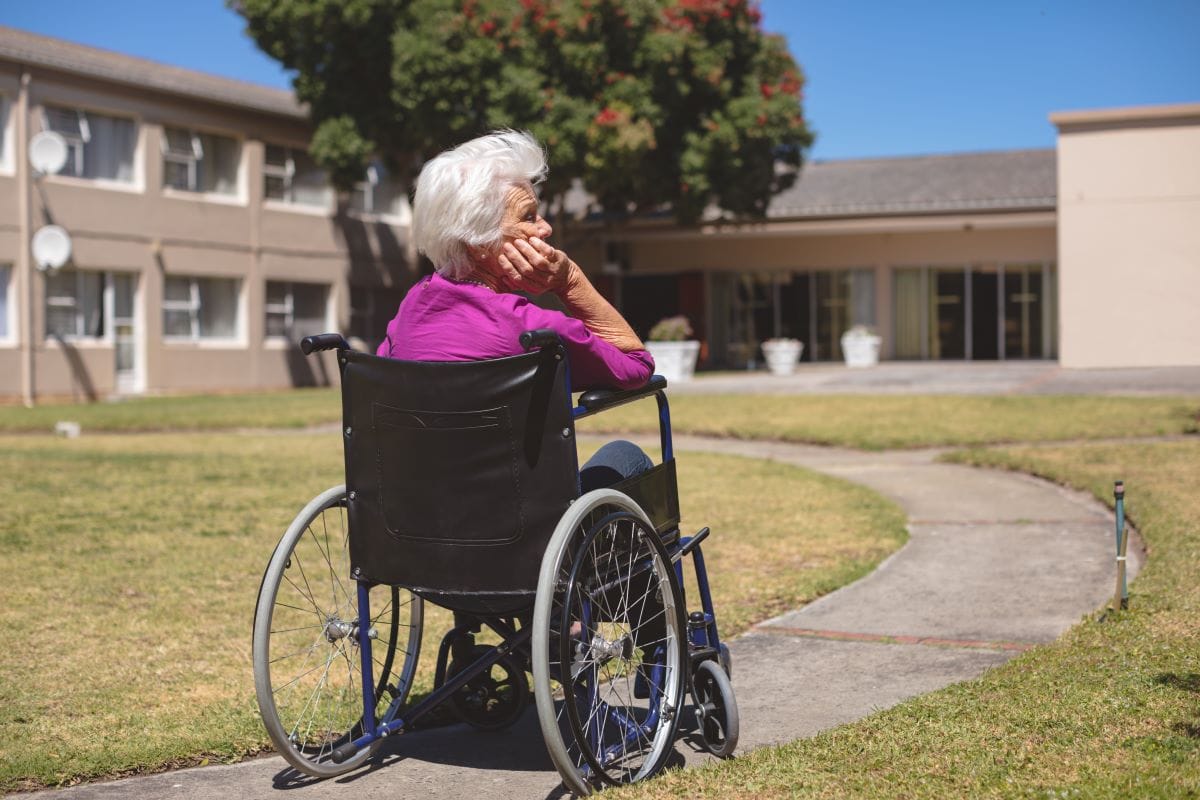
How to report senior citizen neglect in a nursing home
Nursing home concerns require careful, prompt action. Start by reporting the problem to the charge nurse, director of nursing, or administrator. State the concern in writing and keep a copy.
Then contact the long-term care ombudsman. The ombudsman serves residents and families by helping address care, safety, dignity, discharge, and rights concerns.
You may also report senior citizen neglect to the state survey or licensing office. This is especially important when:
• Staff ignore repeated complaints
• A resident has an unexplained injury
• Medicine is often late or missing
• The resident is left wet, hungry, or in soiled clothing
• Staff use restraints without a clear medical reason
• Call bells are ignored
• Several residents face the same problem
If the older adult has a Medicare-covered nursing home stay, certain complaint and appeal rights may apply. Ask the facility’s social worker, ombudsman, or state agency which process fits the case.
When you report, ask for a written care plan meeting. A care plan should address the resident’s needs, risks, treatment, and preferences. The resident should be included as much as possible.

How to report senior citizen neglect when the person refuses help
An older adult may refuse help because of fear, pride, confusion, loyalty, or past trauma. A refusal does not always mean the person is safe. It does mean you should respect their voice while assessing risk.
Ask open questions:
• “What is making daily care hard right now?”
• “Do you feel safe at home?”
• “Would you like help with meals, medicine, or transportation?”
• “Who would you trust to visit or call?”
If the person can understand the situation and make informed choices, they generally have the right to accept or refuse services. You can still report serious concerns to APS and explain the person’s wishes.
If the person appears confused, unable to understand basic risks, or in immediate danger, explain that concern to APS, 911, or a medical professional. Do not try to force care, move the person, or take control of money without legal authority.
Self-neglect is also a serious concern. It may involve unsafe housing, lack of food, untreated illness, or inability to manage medicine. APS can assess the situation and connect the person with services.

Mistakes to avoid when reporting neglect
Good intentions can sometimes make a difficult situation worse. Use a calm and factual approach.
Avoid these common mistakes:
• Waiting for visible injuries before reporting
• Confronting a suspected abuser alone
• Threatening the caregiver
• Promising secrecy you cannot keep
• Exaggerating facts or repeating rumors
• Posting accusations online
• Taking private documents without permission
• Pressuring the older adult to answer in front of the suspected caregiver
• Making repeated reports with changing or unsupported claims
• Assuming a report guarantees removal of the caregiver
A report starts an assessment. It does not automatically prove neglect or lead to an arrest. Agencies may decide that services, a medical review, a safety plan, or more investigation is needed.
If the first agency does not respond and danger continues, follow up. Contact a supervisor, ombudsman, licensing office, or law enforcement when appropriate. Keep your notes organized so you can explain what has changed.

What happens after you report senior citizen neglect
The response depends on the danger, the state, the care setting, and the older adult’s needs. An investigator may visit the home, speak with the older adult, interview caregivers, review records, or contact health professionals.
APS may arrange services such as:
• Food delivery
• Home health support
• Medical care
• Transportation
• Legal help
• Housing assistance
• Mental health care
• Emergency shelter or a safer living plan
A nursing home investigation may involve interviews, record reviews, care plan changes, staff training, or regulatory action. Police may investigate if the facts suggest assault, theft, fraud, unlawful restraint, or another crime.
Privacy laws limit what agencies can tell you. Ask how to submit new information and when you should follow up. If the older adult remains in danger, report the new risk rather than waiting quietly.
Remember that helping is a process, not one phone call. Think of the first report as lighting a path. Follow-up, accurate notes, and steady support can help keep that path open.

Support the older adult after making a report
Your support can reduce fear and loneliness. Listen without judgment. Let the older adult speak at their own pace, and avoid making every conversation about the report.
Offer practical help when appropriate:
• Arrange a doctor visit
• Help create a medication list
• Check that food, water, heat, and phones are available
• Help replace lost identification documents
• Contact trusted family, a social worker, or an elder-law attorney
• Visit or call on a regular schedule
Watch for retaliation after a report. Warning signs include new threats, isolation, missing money, sudden facility transfers, or the caregiver preventing contact. Report these changes promptly.
If you are a caregiver, ask for help before stress becomes unsafe. Respite care, adult day programs, support groups, and home care may protect both the older adult and the caregiver.
Frequently Asked Questions About How to Report Senior Citizen Neglect
What is the first step when an older adult is in immediate danger?
Call 911 and describe the danger, location, medical needs, and any threat from another person. Do not confront a suspected abuser if doing so could put anyone at risk.
Can I report senior citizen neglect without proof?
Yes. You can report a reasonable concern without proving neglect yourself. Give honest details about what you saw, heard, or learned, and let trained professionals investigate.
Where do I report neglect in a nursing home?
Report it to the facility administrator, your state’s long-term care ombudsman, and the state licensing or survey agency. Call 911 for immediate danger or suspected serious crime.
Can I report senior citizen neglect anonymously?
Many APS offices and oversight agencies accept anonymous reports. Still, sharing your contact information may help investigators ask questions, and you can request confidentiality where allowed.
What if the older adult refuses help?
Respect the person’s choices when they can understand and make informed decisions, but report serious safety concerns to APS. If there is immediate danger or a medical crisis, call 911.
Is self-neglect included in elder abuse reports?
Yes. APS often responds to self-neglect, such as unsafe housing, lack of food, untreated illness, or inability to manage medicine. The response may focus on voluntary services and safety planning.
What should I do if the agency does not respond?
Record your follow-up attempts and ask for a supervisor. You can also contact the long-term care ombudsman, state licensing agency, or police, depending on the setting and level of danger.
Conclusion
Learning how to report senior citizen neglect can help you act before a dangerous situation grows. Call 911 for immediate danger, contact APS for community concerns, and reach out to a long-term care ombudsman or licensing agency for facility problems. Share clear facts, protect the older adult’s privacy, and keep records of your calls.
Your concern may be the first sign that someone needs help. If you see possible neglect, take a calm step today by contacting the right local agency and exploring trusted elder-care resources.

Michael Reynolds is a senior contributor at RetirementGazette.com, where he focuses on helping readers navigate the journey toward a secure and fulfilling retirement. With over a decade of experience in personal finance, retirement planning, and lifestyle writing, Michael combines practical strategies with easy-to-understand guidance tailored for both pre-retirees and those already enjoying their golden years.